Sponsored

The Dreaded Water in Spark Plugs (TSB 21-2147)

Muffin1

Well-Known Member
First Name
Rob
Joined
Sep 24, 2019
Threads
37
Messages
673
Reaction score
1,258
Location
NJ
Vehicle(s)
2019 Silver STX 4X4 SC / 2024 XLT 4X4 Cactus Gray
I finally got mine back on Saturday after 2 weeks of dealing with this.

They covered it, but I still don't have final paperwork from the dealership, the advisor was done fighting with everyone and it was just a wait on parts..I suspect it'll cost me my $50 deductible for my ESP. But it's fixed and covered and that's what matters.
So they fixed/covered what the water leak damaged, but did they do anything to fix the leak?
Sponsored

 
OP
OP
Gizmokid2005

Gizmokid2005

Well-Known Member
Joined
Dec 1, 2019
Threads
13
Messages
1,279
Reaction score
1,875
Location
GA
Website
gizmokid2005.com
Vehicle(s)
2019 Ford Ranger XLT 4X4 SCrew
Occupation
SQL Developer
Vehicle Showcase
1
So they fixed/covered what the water leak damaged, but did they do anything to fix the leak?
Yup, I finally got paperwork today. They fixed the problem and installed the engine cover per the TSB, and also addressed an Evap TSB I didn't know about.
 
Last edited:

Conman50

Well-Known Member
First Name
Conrad
Joined
Jul 26, 2023
Threads
12
Messages
146
Reaction score
136
Location
California
Vehicle(s)
2019 Ford Ranger; 2014 Ford Fusion
Welp, decided to check my spark plugs with a rain storm coming next week.


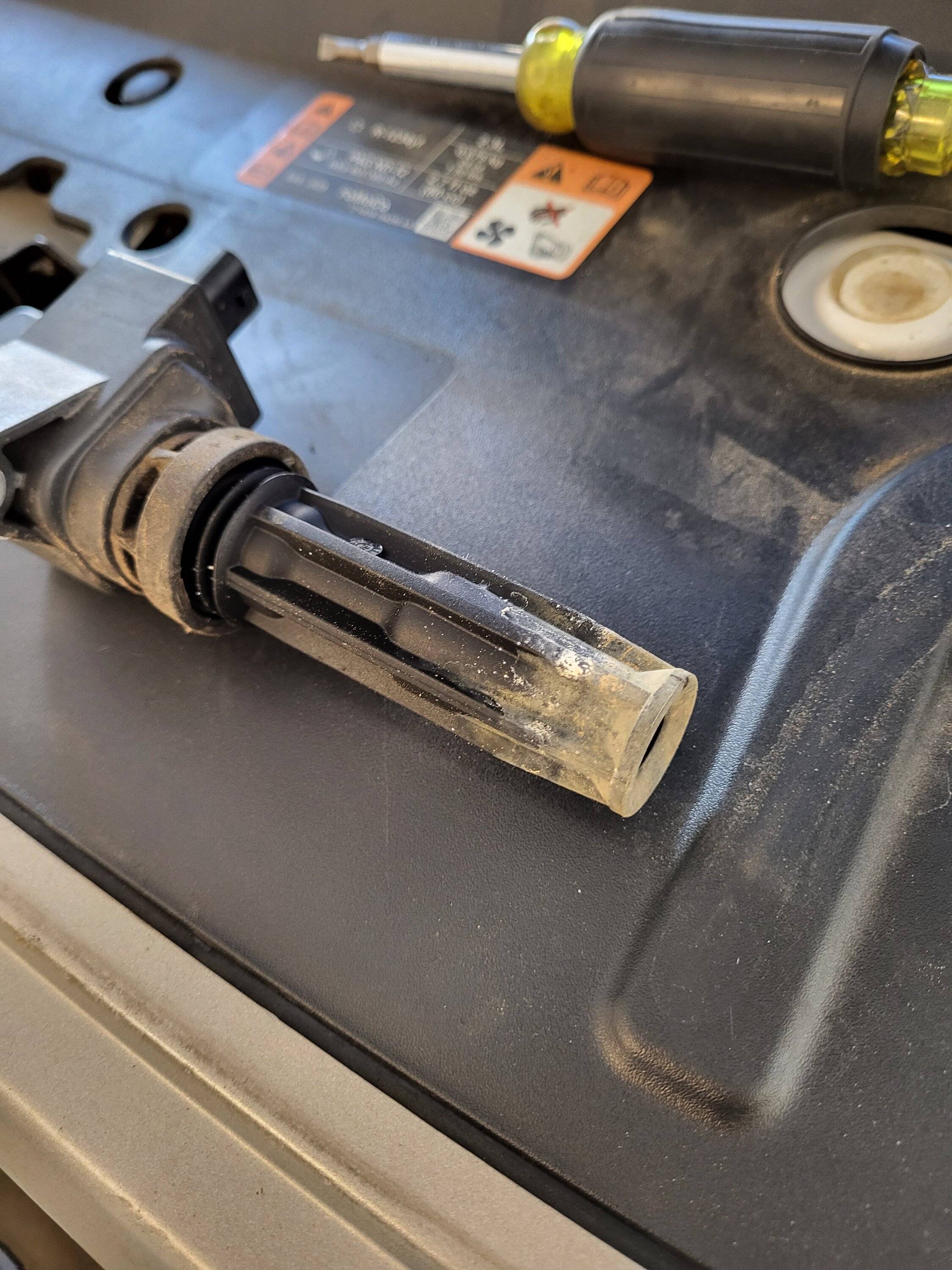
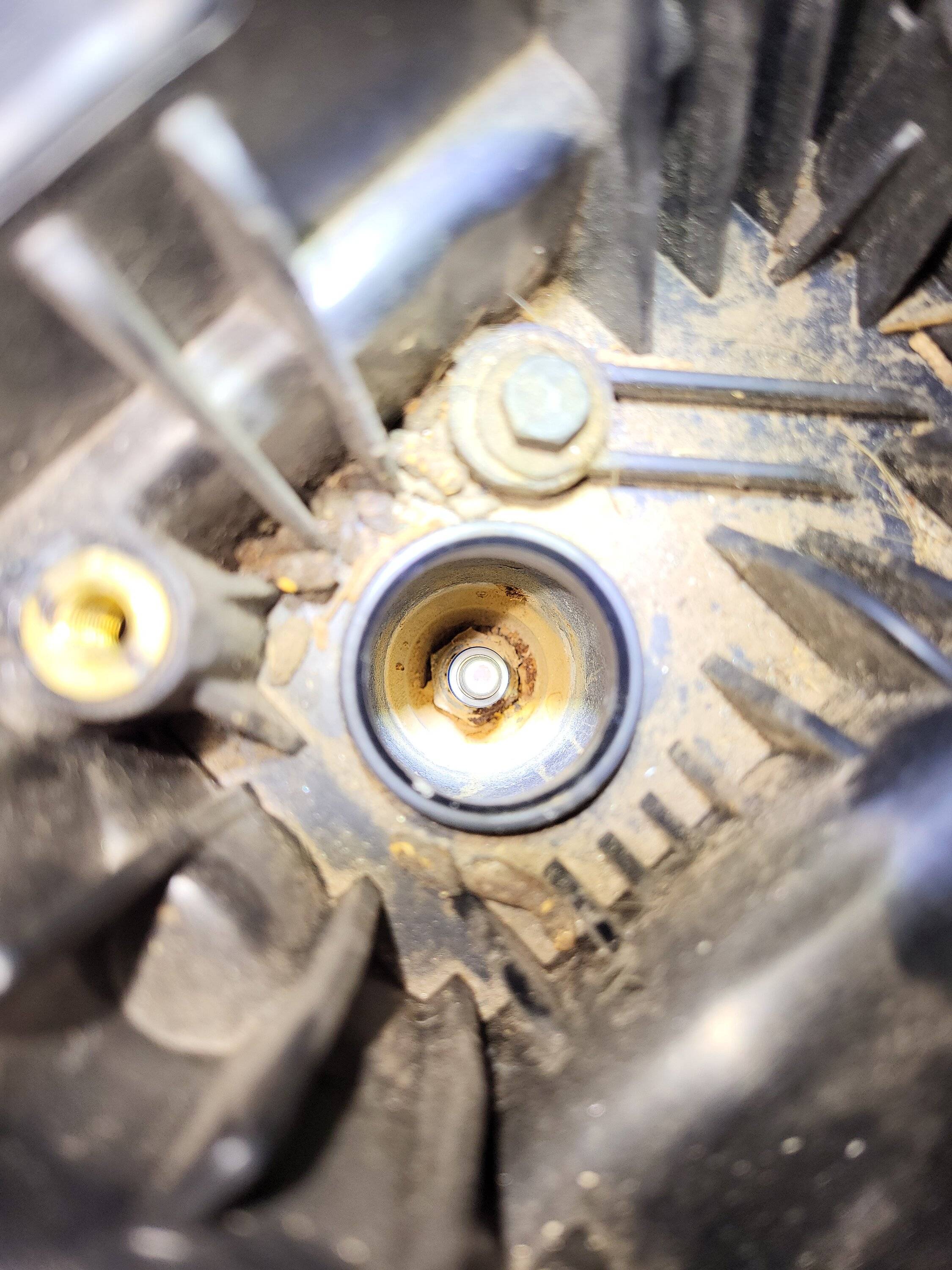
First plug was screwed. Boot was HARD to get off. Mine looks pretty bad. So far I don’t think I have drivability issues but we'll see with the rain coming...Sometimes I do notice some jerkyness while driving. My truck did not come with an engine cover. It doesn’t rain here much but I have washed my truck twice since I got it.

Called the dealer to report the issue and gave him the 21-2147 TSB, he said it was outdated....Does anyone have the new TSB number?

He aslo kind of hinted that this is not covered under warranty (I’m at 41k Miles). Only lubricated engine parts are under the 5 year 60k warranty.... well if the cylinder head is rusted out and I cant install a new spark plug, lube goes through the engine head for the valves and such???...


Honestly if they don’t fix the issue, I may have them replace my spark plugs as a preventative maintenance....good luck getting that first one out. If they break it they better fix it.

boot.jpg


plug.jpg
 
Last edited:
OP
OP
Gizmokid2005

Gizmokid2005

Well-Known Member
Joined
Dec 1, 2019
Threads
13
Messages
1,279
Reaction score
1,875
Location
GA
Website
gizmokid2005.com
Vehicle(s)
2019 Ford Ranger XLT 4X4 SCrew
Occupation
SQL Developer
Vehicle Showcase
1
Welp, decided to check my spark plugs with a rain storm coming next week.


First plug was screwed. Boot was HARD to get off. Mine looks pretty bad. So far I don’t think I have drivability issues but we'll see with the rain coming...Sometimes I do notice some jerkyness while driving. My truck did not come with an engine cover. It doesn’t rain here much but I have washed my truck twice since I got it.

Called the dealer to report the issue and gave him the 21-2147 TSB, he said it was outdated....Does anyone have the new TSB number?

He aslo kind of hinted that this is not covered under warranty (I’m at 41k Miles). Only lubricated engine parts are under the 5 year 60k warranty.... well if the cylinder head is rusted out and I cant install a new spark plug, lube goes through the engine head for the valves and such???...


Honestly if they don’t fix the issue, I may have them replace my spark plugs as a preventative maintenance....good luck getting that first one out. If they break it they better fix it.

boot.jpg


plug.jpg
The new TSB is in the first page of this thread.

This *IS* covered under warranty, but only if your truck throws the CELs indicated in the TSB.

I have attached the latest version of the TSB that I can find (23-2011). Maybe there is a newer version adding the 2023s.

Check the Warranty Status section. It states this is covered under the ESP (old name for Ford Protect warranty).
 

Conman50

Well-Known Member
First Name
Conrad
Joined
Jul 26, 2023
Threads
12
Messages
146
Reaction score
136
Location
California
Vehicle(s)
2019 Ford Ranger; 2014 Ford Fusion
Thanks!

No CEL yet but again, might show up when it rains. That plug looks so bad I'm really concerned it may break if I ever try to replace the plug myself...was thinking about doing that at 50K miles....


NotBudule

Well-Known Member
Joined
Mar 6, 2022
Threads
43
Messages
2,984
Reaction score
11,852
Location
WV
Vehicle(s)
XLT
Thanks!

No CEL yet but again, might show up when it rains. That plug looks so bad I'm really concerned it may break if I ever try to replace the plug myself...was thinking about doing that at 50K miles....
I'd keep it full of water and help that CEL along ...
 

Grumpaw

Well-Known Member
First Name
Steve
Joined
Jul 1, 2021
Threads
84
Messages
5,861
Reaction score
29,204
Location
Fishersville, Va.
Vehicle(s)
Previous 2021 Ranger, Now 2019 Ford Expedition
Occupation
Navy Vet., Retired Police Sgt., Grumpy Old Senior Citizen
Thanks!

No CEL yet but again, might show up when it rains. That plug looks so bad I'm really concerned it may break if I ever try to replace the plug myself...was thinking about doing that at 50K miles....
Several years ago I had a 2007 Mustang GT with the 4.6 V-8 and the infamous 2 piece spark plugs.
They were notorious for easily breaking when removed after several thousand miles. It was a crap-shoot as to whether or not some of the 8 plugs would break.
Ford later replaced them with one piece plugs, and there were several companies that made tools for removing the broken part of the plug.
HOWEVER, Ford did come out with info about how to "pre-treat" the plug prior to removal......I don't remember the specifics as it's been 10 years since I sold the Stang. But it did involve pre-soaking the plug/threads with some Ford based cleaner...brake cleaner I think. Just spraying the plug thread area and letting the plugs soak overnight prior to removal.
This may well work on pre-treating the rust/plug threads in the Rangers.
Additionally, Ford advised to use a Nickle based anti-seize on the new plugs when installing them.
Just google up Ford 2 piece plug removal for proper info. When it comes time for me to change mine, rust or not, I'll probably do something similar.
 
Last edited:

Conman50

Well-Known Member
First Name
Conrad
Joined
Jul 26, 2023
Threads
12
Messages
146
Reaction score
136
Location
California
Vehicle(s)
2019 Ford Ranger; 2014 Ford Fusion
Was it penetrating fluid? Not sure how brake fluid would help.

In any case, I need to try to remove the rust flakes in there before changing it. Maybe a magent or blow them out, but if some rust flakes get into the cylinder that shouldnt be too bad, right?
 

airline tech

Well-Known Member
Joined
Aug 24, 2022
Threads
28
Messages
4,455
Reaction score
8,509
Location
Midwest - KS
Vehicle(s)
2022 Ranger Lariat-Super Crew, Cactus Gray
Occupation
Aircraft Tech
Welp, decided to check my spark plugs with a rain storm coming next week.


First plug was screwed. Boot was HARD to get off. Mine looks pretty bad. So far I don’t think I have drivability issues but we'll see with the rain coming...Sometimes I do notice some jerkyness while driving. My truck did not come with an engine cover. It doesn’t rain here much but I have washed my truck twice since I got it.

Called the dealer to report the issue and gave him the 21-2147 TSB, he said it was outdated....Does anyone have the new TSB number?

He aslo kind of hinted that this is not covered under warranty (I’m at 41k Miles). Only lubricated engine parts are under the 5 year 60k warranty.... well if the cylinder head is rusted out and I cant install a new spark plug, lube goes through the engine head for the valves and such???...


Honestly if they don’t fix the issue, I may have them replace my spark plugs as a preventative maintenance....good luck getting that first one out. If they break it they better fix it.

boot.jpg


plug.jpg
First a correction to one of the posts above - The Updated TSB 1/13/23 - did not add 23MY it only added the 22MY

Wow, that looks pretty bad, and I am positive that is going to FIGHT to get it out.
So, with the known problem and the high possibility of it breaking off in the head, it may be wise to let a dealer do it, mainly due to the fact if it breaks off you have at least a 50/50 shot at getting it covered under a warranty claim. Depending on Dealer.
If you DIY, it will all be on you with ZERO warranty claim possibilities.

Now if you tackle this yourself. I would follow the following procedure. I have dealt with corroded bolts in my career and even a few corroded plugs. None on the Ranger (YET)
But since we cannot get a propane or welding torch down there to heat it up, the following procedure - SHOULD work.

1. Spray Brake Clean, down in the hole and let it soak, get a thin rag or small pipe cleaner brush and wipe what you can - To break up and clean the debris out of the hole.

2. Use a Blow Gun and blow out debris and brake clean that has not evaporated.

3. Get a good quality - spray lubricant - I recommend KROIL it has excellent creep quality.
Let it soak for 8 hours or so.

4. Blow out the hole again, with blow gun and then follow with brake clean and blow out again.
Reason for this: You do not want to get any lubricant on the COP boots, and you will be starting engine in step #5

5. Install the COP back on the plug, and run engine for about 10 minutes, you are wanting to get the plugs warm (not hot)
In this instance - Following the manual is highly recommended.
Ref: This Service Note from the manuals

NOTICE: Do not remove the spark plugs when the engine is hot or cold soaked. Spark plug thread or cylinder head damage can occur. Make sure that the engine is warm (hand touch after cooling down) prior to spark plug removal.

6. Shut engine off and spray some more lubricant down in the hole, this is the working lube as you remove the plug.

7. DO NOT go full bore at trying to remove it, this I believe is where and why the plugs are breaking off. BABY STEPS, CCW 1/4 Turn, CW back to tighten, CCW 1/2 Turn, CW back to tighten, turning it a little farther on each try.
The reason for this: If you go FULL BORE, the corrosion on the threads will seize up and create so much tension that the plug breaks off.
This process of CCW / CW allows the lubricant to work into the threads and break up the corrosion it also helps in cleaning the threads when going back to CW.

Ref this video I found online for explanation and technique.

How to Remove Seized or Stuck Spark Plugs - YouTube

I have a feeling if this technique is followed, there should not ever be any broken plugs.

8. Once the plug is out, I would use a new or old clean threaded plug and clean out the threads of the hole, using the same technique as the removal, just a small amount at a time (CW / CCW) until you are able to thread the new plug in all the way by hand pressure on the extension.
Once you have the threads clean, spray a SMALL AMOUNT of brake clean down in the hole, you are wanting to clean the lubricant off of the threads.
Once clean - Install New Plug

Now the manuals do not specifically call out for Anti-Seize, in fact most spark plug manufactures state do not use it for this type of plug.
But I will say, as a preventive maintenance with (ZERO) water noted in my plug wells I pulled mine and Anti-Seized them @ 8,700 miles.

9. I also highly recommend replacing the COP on any plug that was drowning in water. mainly due to the fact that you also have corrosion inside the boot.

Good Luck
 
Last edited:

Conman50

Well-Known Member
First Name
Conrad
Joined
Jul 26, 2023
Threads
12
Messages
146
Reaction score
136
Location
California
Vehicle(s)
2019 Ford Ranger; 2014 Ford Fusion
If only the dealer techs knew what you knew.
 

Grumpaw

Well-Known Member
First Name
Steve
Joined
Jul 1, 2021
Threads
84
Messages
5,861
Reaction score
29,204
Location
Fishersville, Va.
Vehicle(s)
Previous 2021 Ranger, Now 2019 Ford Expedition
Occupation
Navy Vet., Retired Police Sgt., Grumpy Old Senior Citizen
First a correction to one of the posts above - The Updated TSB 1/13/23 - did not add 23MY it only added the 22MY

Wow, that looks pretty bad, and I am positive that is going to FIGHT to get it out.
So, with the known problem and the high possibility of it breaking off in the head, it may be wise to let a dealer do it, mainly due to the fact if it breaks off you have at least a 50/50 shot at getting it covered under a warranty claim. Depending on Dealer.
If you DIY, it will all be on you with ZERO warranty claim possibilities.

Now if you tackle this yourself. I would follow the following procedure. I have dealt with corroded bolts in my career and even a few corroded plugs. None on the Ranger (YET)
But since we cannot get a propane or welding torch down there to heat it up, the following procedure - SHOULD work.

1. Spray Brake Clean, down in the hole and let it soak, get a thin rag or small pipe cleaner brush and wipe what you can - To break up and clean the debris out of the hole.

2. Use a Blow Gun and blow out debris and brake clean that has not evaporated.

3. Get a good quality - spray lubricant - I recommend KROIL it has excellent creep quality.
Let it soak for 8 hours or so.

4. Blow out the hole again, with blow gun and then follow with brake clean and blow out again.
Reason for this: You do not want to get any lubricant on the COP boots, and you will be starting engine in step #5

5. Install the COP back on the plug, and run engine for about 10 minutes, you are wanting to get the plugs warm (not hot)
In this instance - Following the manual is highly recommended.
Ref: This Service Note from the manuals

NOTICE: Do not remove the spark plugs when the engine is hot or cold soaked. Spark plug thread or cylinder head damage can occur. Make sure that the engine is warm (hand touch after cooling down) prior to spark plug removal.

6. Shut engine off and spray some more lubricant down in the hole, this is the working lube as you remove the plug.

7. DO NOT go full bore at trying to remove it, this I believe is where and why the plugs are breaking off. BABY STEPS, CCW 1/4 Turn, CW back to tighten, CCW 1/2 Turn, CW back to tighten, turning it a little farther on each try.
The reason for this: If you go FULL BORE, the corrosion on the threads will seize up and create so much tension that the plug breaks off.
This process of CCW / CW allows the lubricant to work into the threads and break up the corrosion it also helps in cleaning the threads when going back to CW.

Ref this video I found online for explanation and technique.

How to Remove Seized or Stuck Spark Plugs - YouTube

I have a feeling if this technique is followed, there should not ever be any broken plugs.

8. Once the plug is out, I would use a new or old clean threaded plug and clean out the threads of the hole, using the same technique as the removal, just a small amount at a time (CW / CCW) until you are able to thread the new plug in all the way by hand pressure on the extension.
Once you have the threads clean, spray a SMALL AMOUNT of brake clean down in the hole, you are wanting to clean the lubricant off of the threads.
Once clean - Install New Plug

Now the manuals do not specifically call out for Anti-Seize, in fact most spark plug manufactures state do not use it for this type of plug.
But I will say, as a preventive maintenance with (ZERO) water noted in my plug wells I pulled mine and Anti-Seized them @ 8,700 miles.

9. I also highly recommend replacing the COP on any plug that was drowning in water. mainly due to the fact that you also have corrosion inside the boot.

Good Luck
This is very similar to the method Ford described to remove the 2 piece plugs that were used prior to, I believe, 2009 on the V-8 and V-10 engines. Way to go !!! :like:
 

2021Ranger

Well-Known Member
First Name
Barry
Joined
Jan 29, 2023
Threads
46
Messages
453
Reaction score
670
Location
NJ
Vehicle(s)
2021 Ranger
I’m going to remove the plugs and put some copper hi heat anti-seize and put some dielectric on the plug boots. Anyone see an issue with doing this? Only have 7000 miles on it so was hoping to get in front of this.
 

Grumpaw

Well-Known Member
First Name
Steve
Joined
Jul 1, 2021
Threads
84
Messages
5,861
Reaction score
29,204
Location
Fishersville, Va.
Vehicle(s)
Previous 2021 Ranger, Now 2019 Ford Expedition
Occupation
Navy Vet., Retired Police Sgt., Grumpy Old Senior Citizen
I’m going to remove the plugs and put some copper hi heat anti-seize and put some dielectric on the plug boots. Anyone see an issue with doing this? Only have 7000 miles on it so was hoping to get in front of this.
Back with the problems with the Ford V-8 and V-10 we were advised to use nickle based anti seize as it is high heat and works well between aluminum heads and steel plug threads to eliminate any type of "welding" of plug to head.
I don't know how well a copper based anti seize will work...
 

GTGallop

Well-Known Member
First Name
Greg
Joined
Mar 1, 2020
Threads
49
Messages
1,079
Reaction score
3,157
Location
Anthem, AZ
Website
www.qrz.com
Vehicle(s)
2019 Ranger XLT 4X4 SOLD - Now 2023 TRD Offroad
Occupation
Program Manager
You'd think. The SA is saying Ford isn't covering it. I'm 700 miles past the 5/60k Powertrain warranty and he's saying Ford Protect is saying to pound sand, both regardless of the TSB.
I was within the warranty (40K) and because plugs and coil packs are "consumables" they exempted themselves.

Got raw-dogged in the @$$ by Ferd and had to pay $700 / $800 some odd dollars. Fought it all the way up to Corporate and sent letters to the NTSB and congressmen (might as well while you can copy and paste relevant info). Got no-where. Was a Ford Customer for life until this happened. The way they treated me and the transmission problems people were complaining about here led me to believe that my relationship with Ford was bad and not going to get any better.

Fuck Ron Hubler and Peoria Ford.
^^ I add this to every post about this topic I can find hoping it starts showing up in google searches.


Top