LB'sTremor
Well-Known Member
I would try an easy out first
LB
LB
Sponsored



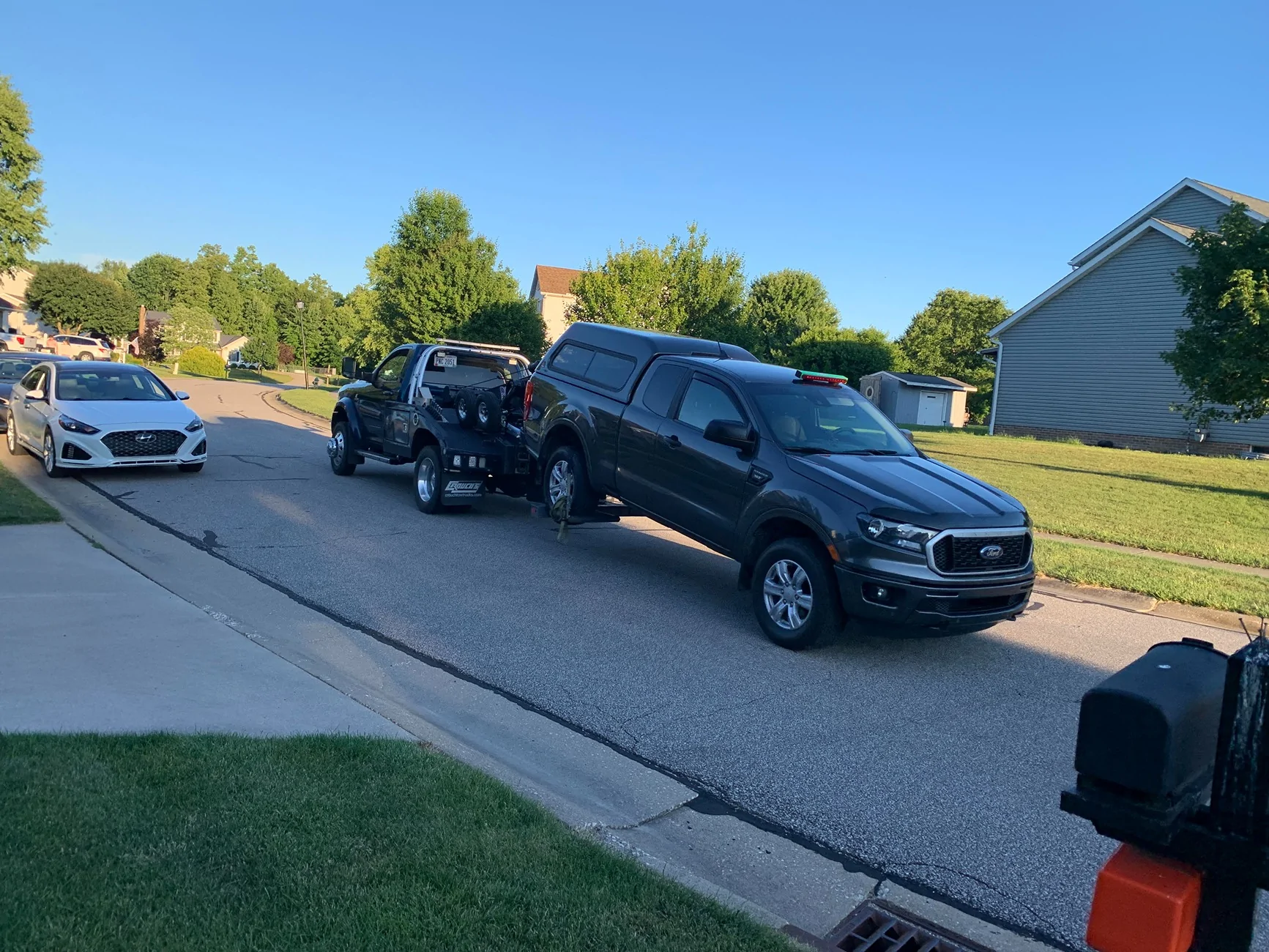
At least the weather was pretty today (source: I am from western Ohio). So you could at least enjoy that.There she goes down the road and everyone cross your fingers. Neighbors probabaly think it is being repossesed!


I just did my plugs and anti-seize was NOT recommended for my Autolites.Once out, time to put new in... so what is the best strategy??
Use Nickel-based or graphite base anticize?? (if so reduce dry torque number by 20%)
Skip anticize??
PS: Have you implemented Ford Technical Service Bulletin TSB 23-2011?? to help prevent future issues?? (assuming the fix actually works)
I been told that about the special coating but also that it is just a plating that a few atoms thick and can scrap off while dry torquing them, defeating the purpose. Now you would think they have factored that in and made the coating appropriately "thick" to avoid that... but who knows. It is also suggested that the two listed above will not interact chemically or in any other way with the special coating.I just did my plugs and anti-seize was NOT recommended for my Autolites.
I don't think it would normally be a problem, but the torque is already so low on these (106 inch lbs) that dropping that even further would make me wary of them working loose.
My plugs came out smoothly at 43k miles and 6.5 years old.
You should not use anti-seize on the spark plugs for a 2019 Ford Ranger. Modern spark plugs (like NGK or Champion) come with a special factory coating that prevents them from getting stuck in the aluminum engine block. Using anti-seize can cause you to over-tighten and damage the engine
It's most likely the water that's been sitting there when it rains and the trucks parked outside all day. Melting snow & car washing could also get in and sit there for hours or days depending on much it's driven. You'd think this would've been caught during their testingI been told that about the special coating but also that it is just a plating that a few atoms thick and can scrap off while dry torquing them, defeating the purpose. Now you would think they have factored that in and made the coating appropriately "thick" to avoid that... but who knows. It is also suggested that the two listed above will not interact chemically or in any other way with the special coating.
Also, in aviation, the standard is to use the graphite based version on plugs... are aviation plug special coated?? I don't know.
As to torque, the achieve the equivalent clamping load of a dry "fastener" is to torque a wet "fastener" at 20% less. In addition, because the "fastener" will rotate more turns (1/2 to 3/4 more turn??) to reach a dry torque number, the tip will extend further into the cylinder than desire... in the extreme, plug to piston contact.
I am no plug engineer but from what I have read, I'm in favor of either flavor, with a small dab starting 3 or 4 threads up from the tip. And obviously, prevent water getting in there in the first place.... guess there are several options in that regard and it's dealers choice as to which you prefer to use.
One interesting thing: Why does the water not boil off in the well from engine running and up to temp?? If the water can get in, the well must be vented enough to let "steam" out... Huummm???



Not if you use the square version and stuff the flutes with thick grease before inserting.I have thinking about this situation. You actually applied so much force you physically broke the metal body of the spark plug leaving only the threaded position in the head?
I would be concerned about using an ez-out as it creates some shavings that will likely fall in to the cylinder.

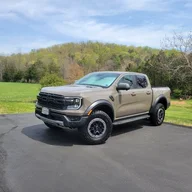
I believe the OP opted to have a shop fix this.I have thinking about this situation. You actually applied so much force you physically broke the metal body of the spark plug leaving only the threaded position in the head?
I would be concerned about using an ez-out as it creates some shavings that will likely fall in to the cylinder.

Its not that so much force applied - its the corrosion that weakens the boss and you end up with this - it would not take much to separate the threaded boss.I have thinking about this situation. You actually applied so much force you physically broke the metal body of the spark plug leaving only the threaded position in the head?
I would be concerned about using an ez-out as it creates some shavings that will likely fall in to the cylinder.
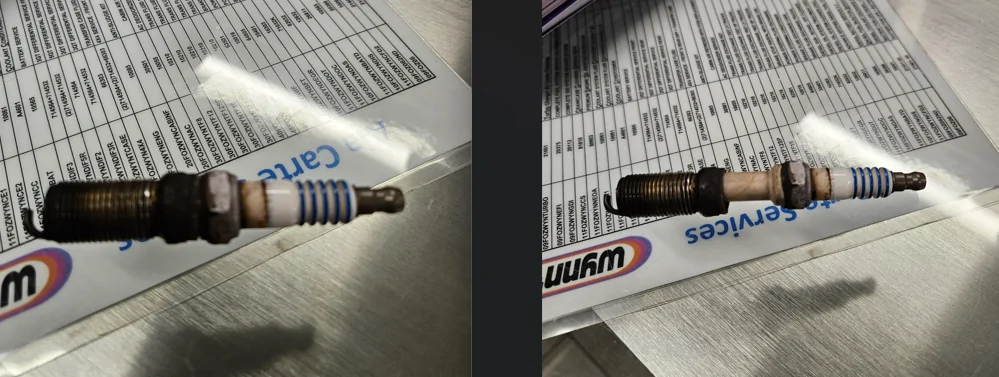
It also doesn't hurt to call Ford customer service and let them know everything too. There were times on here where some members were out of warranty and Ford helped them with their bill getting the transmission done. It never hurts to ask, the worst they can say is no.Absolutly as Airline Tch mentioned I ended with the metal portion in the RH photo stuck in the hole. Day 1 at the dealer and they called and said they have not gotten to it yet, they intially said it would not be until next werek. Stopping in tomorrow AM to plead my case that I followed the TSB by installing the cover + changed plugs at 83K miles so they should not have been rusted. They have casually said they can submit it but they would not expect it to be covered by the extended warranty. So me not being trusting I doubt they will even try to get it covered and just say DENIED!