TJC
Well-Known Member
- First Name
- Tony
- Joined
- Aug 28, 2020
- Threads
- 45
- Messages
- 3,942
- Reaction score
- 9,895
- Location
- North Carolina
- Vehicle(s)
- 93 Miata, 05 Ranger 4x4, 20 Ranger 4x4, 23 CX-5
- Thread starter
- #316
I am also skeptical that the high voltage is due to desulfating taking place. It is more likely that internal resistance is the problem, or the battery age data in concert with the battery's Internal resistance.I'm skeptical that it's desulfation, my understanding is that works on pulses of current to break the crytals, I suspect what you are seeing is the charging system going into saturation mode , high voltage at 14.5 but very low amperage because the battery is fully charged and the accessory draw is relatively low. With colder temps a bit more power is required to maintain the charge, so although volts maybe slightly lower amperage is higher, to understand if this correct you would need to monitor the current in the circuit or get your hands on documentation. All of this possible with modern power regulation systems.
The BatteryMinder uses high frequency pulses, not high voltage or current per se. The BatteryMinder actually varies the frequencies to ensure sulfur crystals of varying sizes are all broken up. Think the soprano hitting those high notes to break the champagne glass. I have not checked for a while, but when I did several years ago, most desulfators used only a single frequency.
The only reason the BatteryMinder comes on at 13.5V is to insure it does not discharge the battery below the voltage where sulfation begins, ~ 12.65V. I have recently read from a single source (not VDC) that the desulfator stays active until the battery voltage drops below 13V. I have not verified this yet.
I'd put the battery on a quality desulfator for a month or so whenever the truck is not in use. If it is sulfated, it is going to take at least that long to fully recover it. Keep it on until you see a plateau in CCA rating.
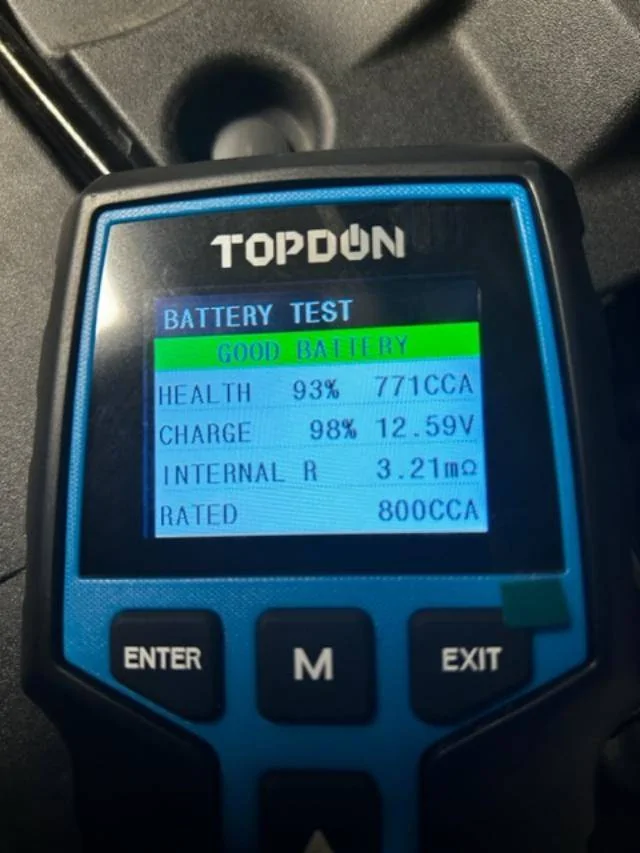
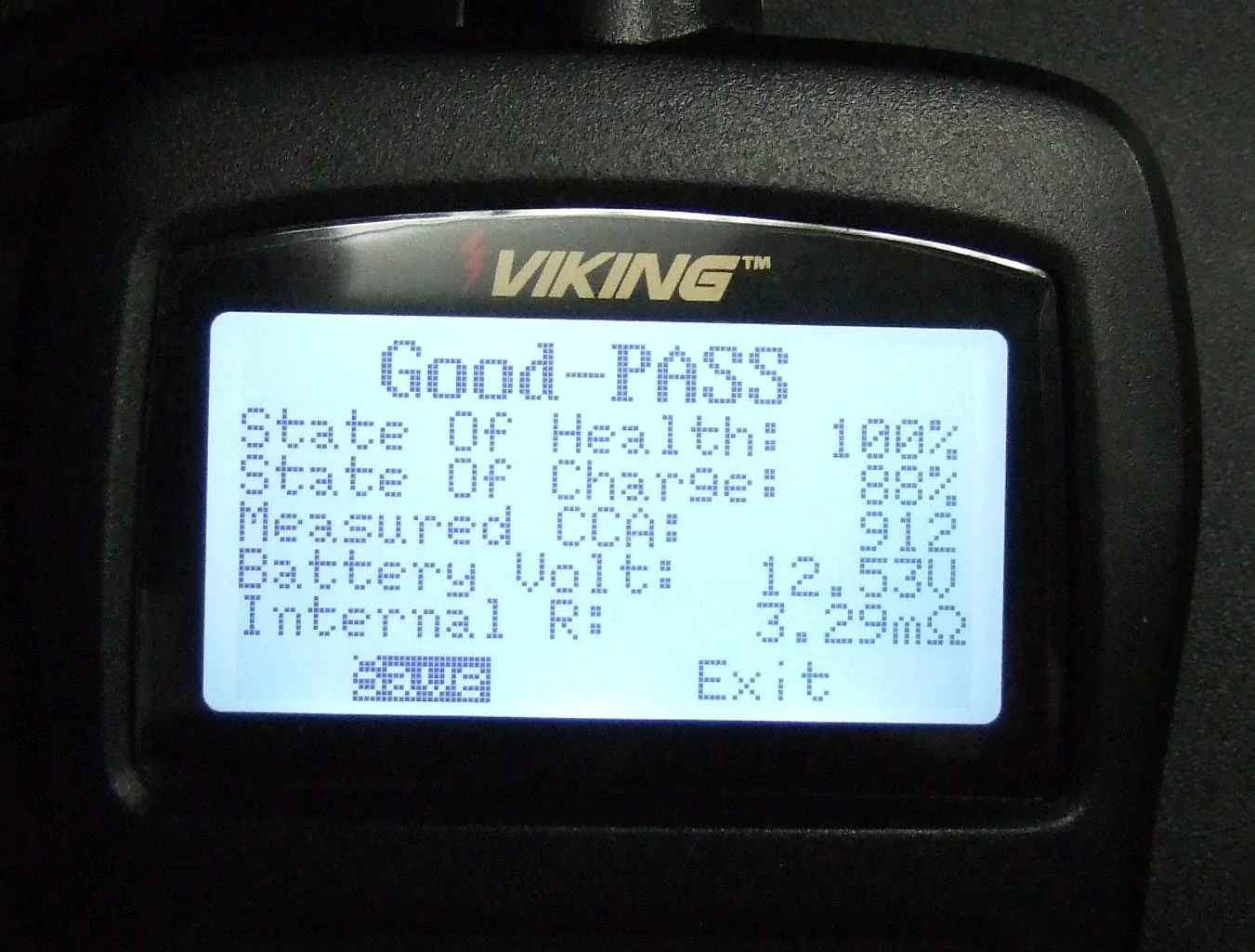
My old old battery is on a BM 2amp float charger with a desulfator running nonstop. I thought it had topped out 2 weeks ago at about 75% SOH, but I checked it a few days ago and it was at 706 CCA(up from the mid to upper 670- 680 CCA range IIRC - I know it was not near 690CCA ).
The battery is rated at 725 CCA. So it is still becoming healthier. You just have to be patient. It took time to build up and it takes time to break it down.
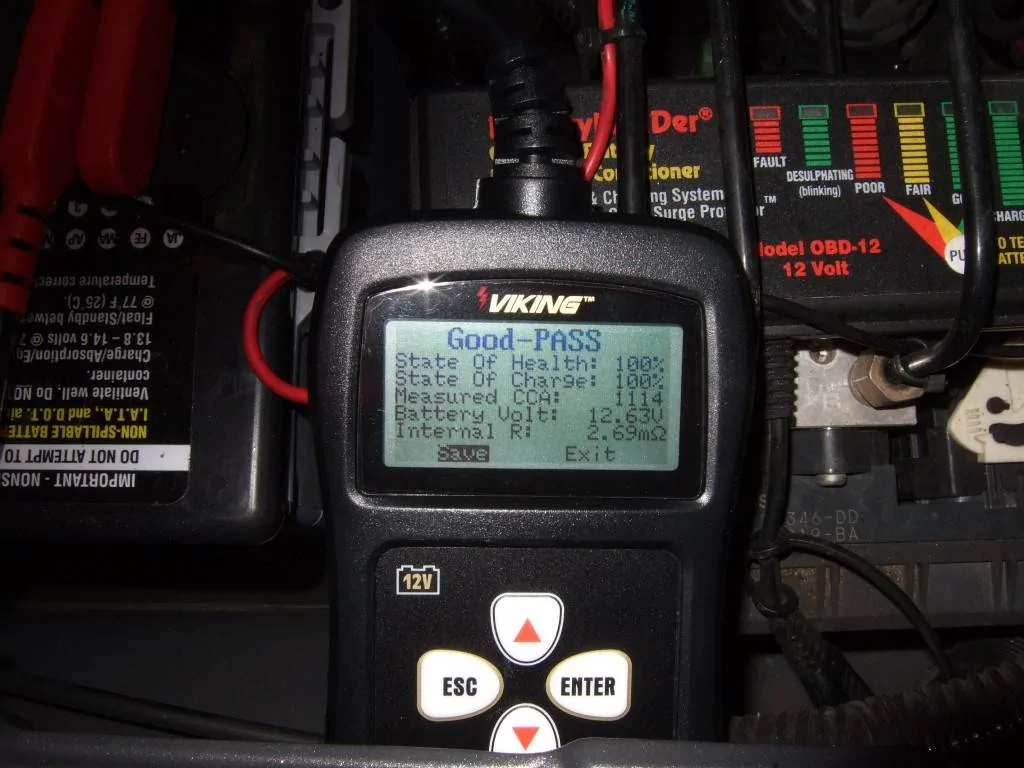
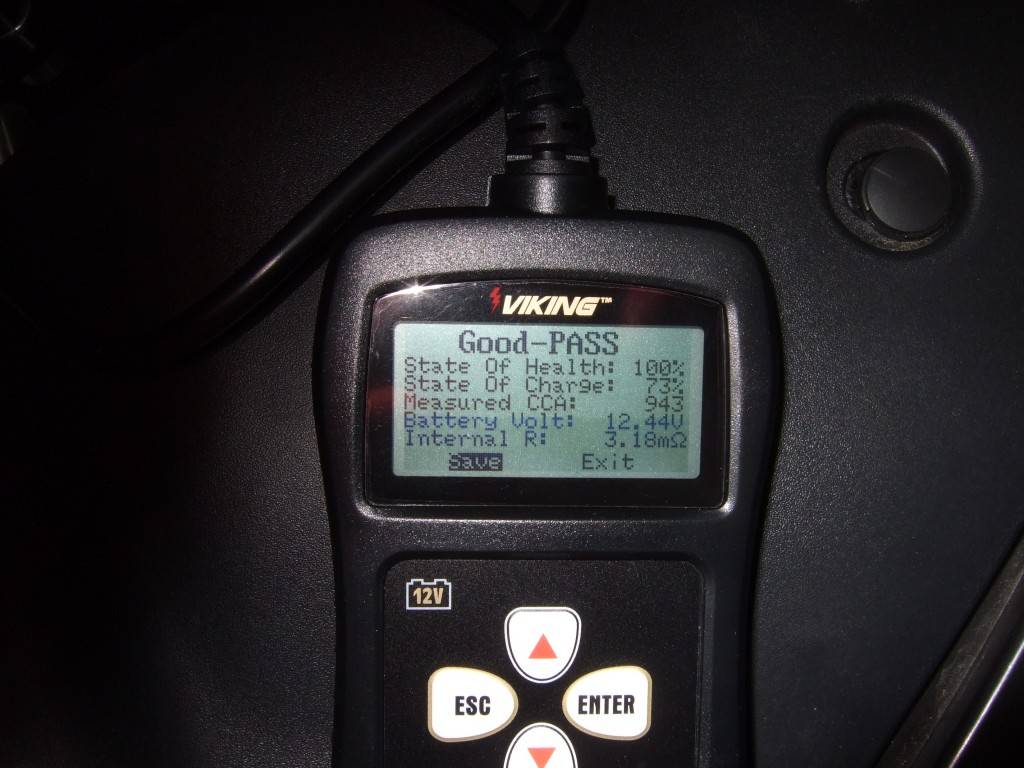
My 2020 Ranger battery now rates well over 1000 CCA when rested just using the onboard desulfator when driving the truck. It only gets out 2-3 times a week for 20 - 40 miles at a time. I am seeing 13.5V-13.8V, usually 13.6V-13.7V now (The BMS sensor disconnected since I installed the onboard desulfator). It never hits 14 since the weather warmed up. That's float charge territory. My 2005 Ranger's battery rates over 1100 CCA and that truck is driven less than the 2020 Ranger, usually once, sometimes twice a week for 40 miles. It has been on the onboard desulfator since it was installed, and I broke it in by charging / desulfating it for a week when I first installed it. Whenever it was not in use it was on the desulfator.
Now I simply drive them. Out sight out of mind. Once I get them healthy, I check the battery condition at each oil change.
Neither truck now requires auxiliary periodic charging.
Sponsored
Last edited: