
MrBusses
Well-Known Member
Sounds like you need a new Ford dealer that can diagnosThe problem is that there's no option to wasting money on guessing; all the ford dealer will do is swap parts at shop rates.
Sponsored

Sounds like you need a new Ford dealer that can diagnosThe problem is that there's no option to wasting money on guessing; all the ford dealer will do is swap parts at shop rates.

so does everyone else ?Sounds like you need a new Ford dealer that can diagnos

generally no. maybe under state law. has it caused the vehicle to fail an emissions inspection? for a cheap part like this it's probably not worth your time to fight over it.Does this part/problem not fall under the emissions warranty?
Just for my own memory bank if it happens to my truck.
My dealership must be the only one out of 3000 that can i guess.so does everyone else ?
sounds like it. these forums aren't full of people saying that the dealership fixed their bucking/surging problems. I've been to mine repeatedly over the past 5 years, mostly they've determined there's no problem, sometimes they do a transmission TSB. hasn't fixed shit.My dealership must be the only one out of 3000 that can i guess.

I think the issue is that since this is one of those drivability issues that does not code, unless it electrically or hard fails. It depends on the Tech's knowledge that the DPFE sensor is a known issue to produce the symptoms (Buck / Surge) and to look for it in the PID's.
So, it is based on his knowledge and rather he is going to invest the time and effort in the T/Shoot of a No-Code symptom.
The code P139C (related to this issue) will only generate if the system fails the (once per drive cycle) self-test.
The manuals (testing of the DPFE Sensor) only have you perform electrical tests (wiring) and the bench test of the DPFE sensor.
Note: Regarding the Bench Test - since some of you have performed this test and have found (zero) issues by using that test, this is basically simulating exactly what the (Once per drive cycle self-test) is looking at (an indication of pressure change)
The DPFE sensor is passing both of these tests and at this point it takes an actual drive to see what is happening.
Up until @MrBusses post of his results, I had thought that the Bench Test would show a failure that the PCM would not pick up.
So, what he has done is confirmed to me exactly how the DPFE sensor is failing (it's the switching of it from (+ to -)
Unfortunately, you must have a scanner + a Live Data PID monitor drive cycle to see it.
As of now, Forscan does not have the necessary PID's to see it.
The point he is trying to convey, is that the (DPFE Sensor) is only 1 factor that can cause the same or similar driving issues and if you are replacing the DPFE sensor and issues still remain then something else is causing it.
This is where the Fuel Trim tables, and Misfire Monitor helps possibly isolate the issue
So, if we dive into and focus only on the DPFE, and the drive cycle shows the sensor reading switching back and forth, then its most likely the sensor itself, but you have to also look at the possibility of a leak in the orifice tube or a clog / partial clog causing the sensor readings to go askew.
Then add in the inherent nature of the exhaust flow and the moisture that is present in it, this is the area that appears to be the root cause of the sensor failure and it depends on the outside temperature / humidity / dew point on how much moisture can make it into the sensor.
The sensors over the years have been (modified) to address this issue and have been manufactured to handle that moisture but has yet to be perfected.
So, if ONLY a sensor issue that continuously fails, then it is most likely the moisture content in the exhaust flow that is causing it

What plugs did you use?...
Second how many people have checked their sparkplugs? My egr was opening to 70% at times letting in lots of extra exhaust gas, I change my plugs when I did my sensor and they were nasty.
...
What plugs did you use?
I would think that it is possible to simply clean the EGR tube if it is (partially) clogged. Why replace it? What am I missing?Well, I've got both the EGR tube and the pressure sensor that goes into the tube on order. I'll swap the sensor first and see if that stabilizes it. If not, then there has to be some physical issues in the tube itself.
It comes as an assembly with a sensor of sorts attached. I'm not seeing the sensor available separately, so I'm getting the tube to be able to test swapping both. If it is the tube itself, then yes, cleaning should be effective.I would think that it is possible to simply clean the EGR tube if it is (partially) clogged. Why replace it? What am I missing?

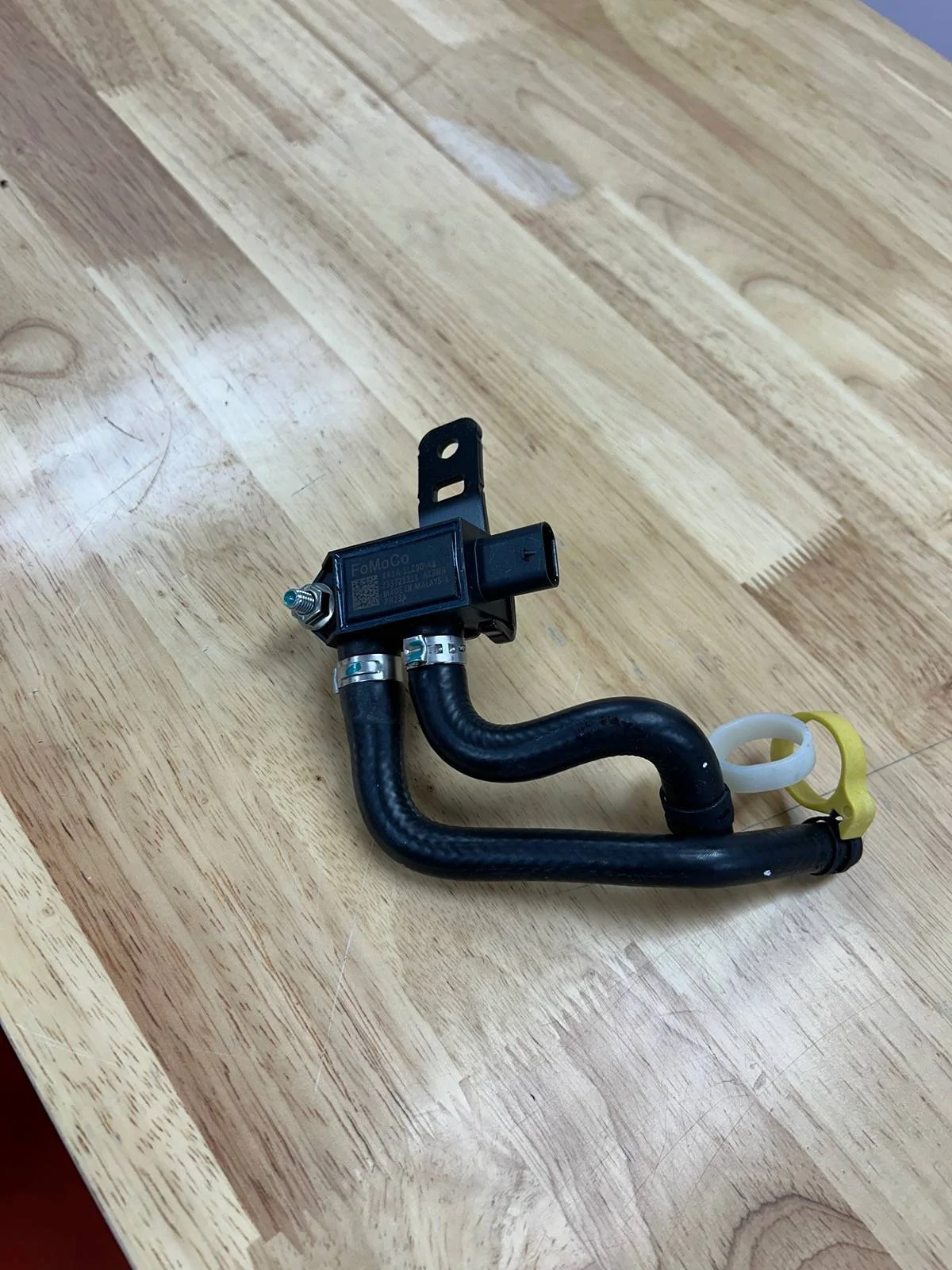
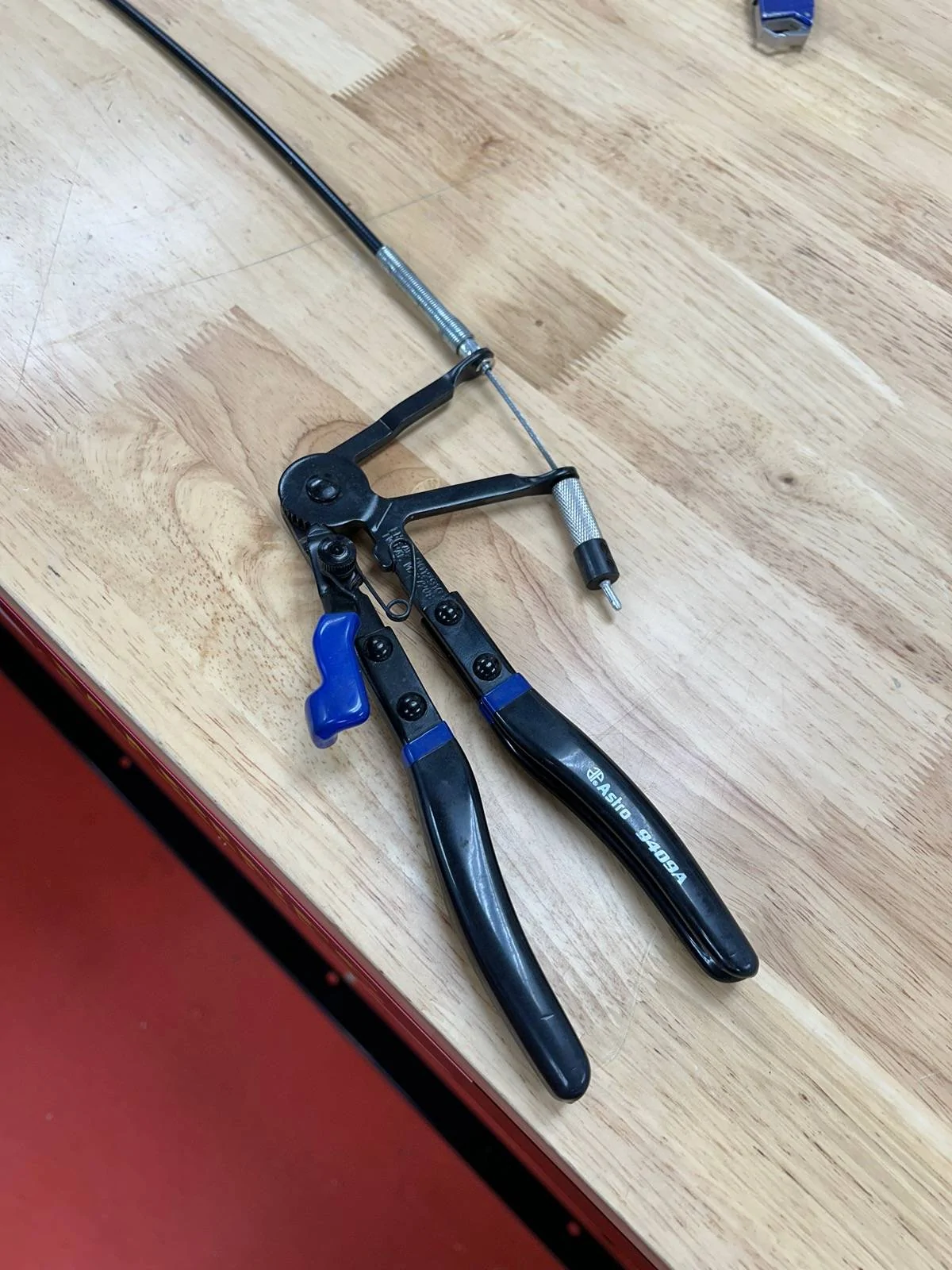
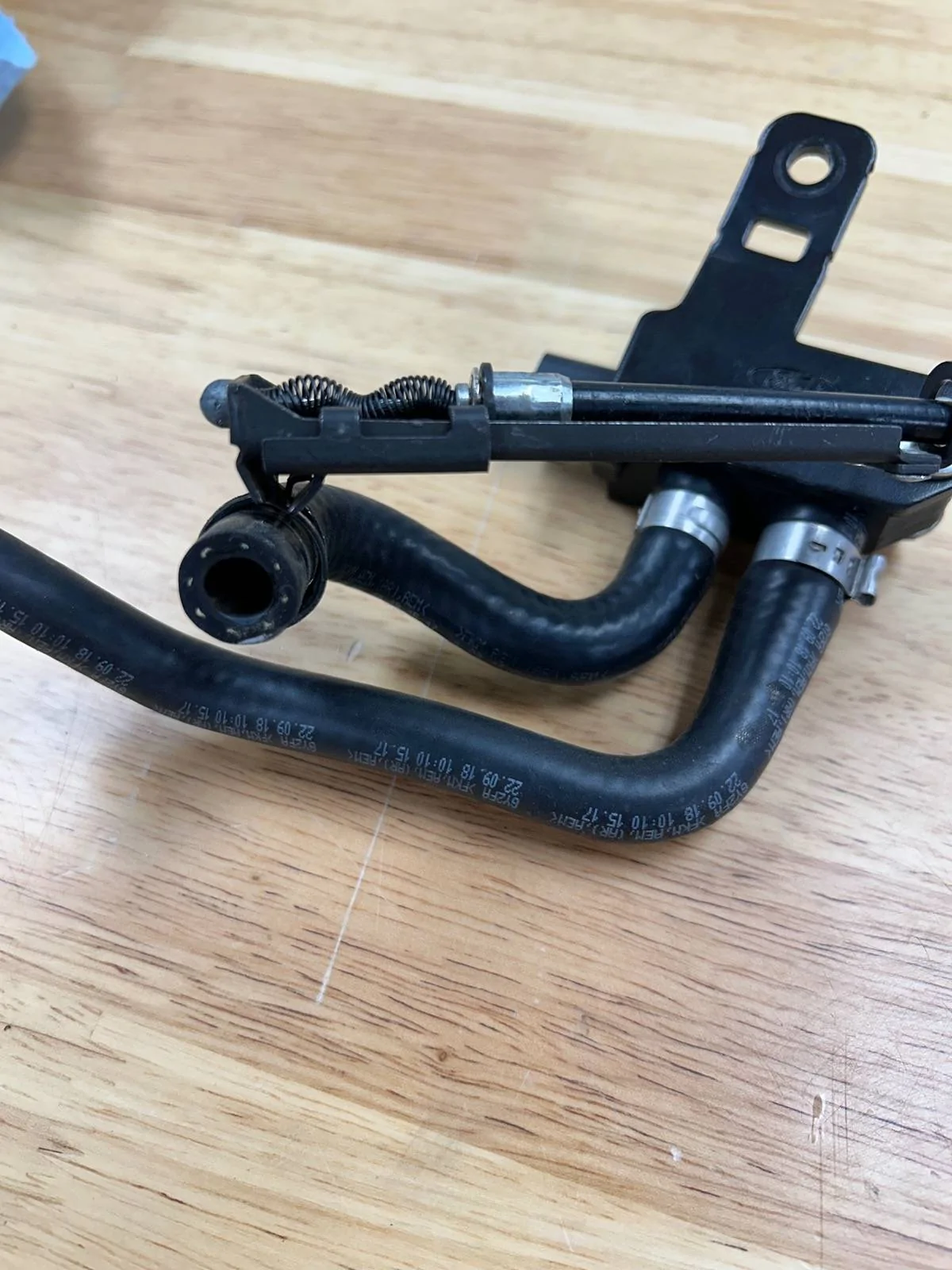
The problem is Yes and NoIf the sensors are filing shouldn't a code be thrown?


