Sponsored

Bucking/Surging Epidemic

BS67

Well-Known Member
First Name
Brian
Joined
May 29, 2022
Threads
9
Messages
2,720
Reaction score
16,242
Location
Nebraska
Vehicle(s)
2022 Ranger XLT
Occupation
Eye Tech, 2A supporter, USMC "Doc" '89-'95
Drove the XLT to work this am and the bucking/surging is gone. When coasting to a stop and press the gas pedal the 'lag' or 'hesitation' is gone too! It runs much better. Thanks for all the great posts on the diagnosis and how to fix!
 

airline tech

Well-Known Member
Joined
Aug 24, 2022
Threads
28
Messages
4,463
Reaction score
8,533
Location
Midwest - KS
Vehicle(s)
2022 Ranger Lariat-Super Crew, Cactus Gray
Occupation
Aircraft Tech
I keep trying to diag. this without just firing the parts cannon at it and keeps coming up inconclusive
:mad:
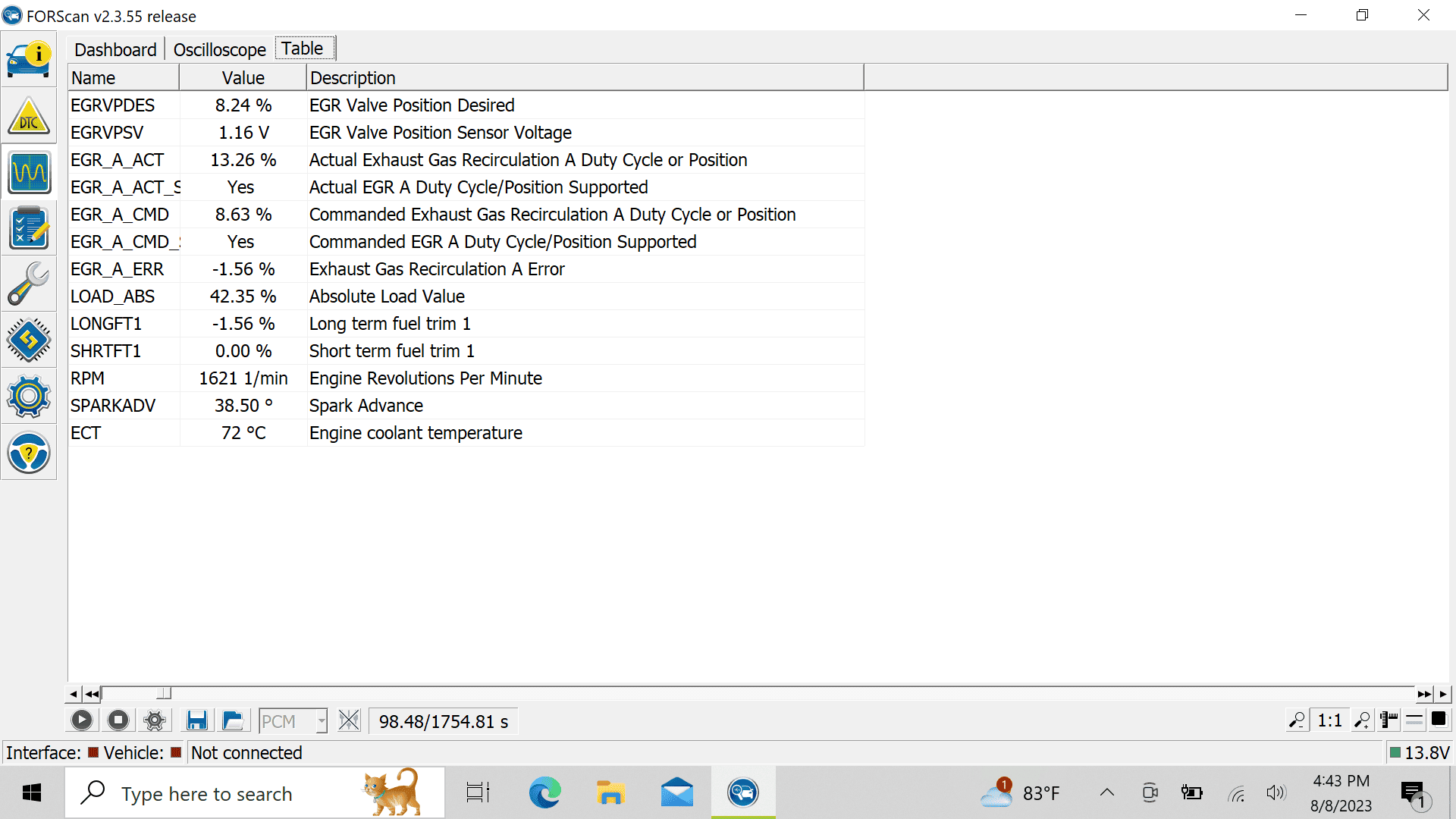
This is the data from Forscan close as I could get to the timeline of the misfire.
EGR Pids 08082023.png


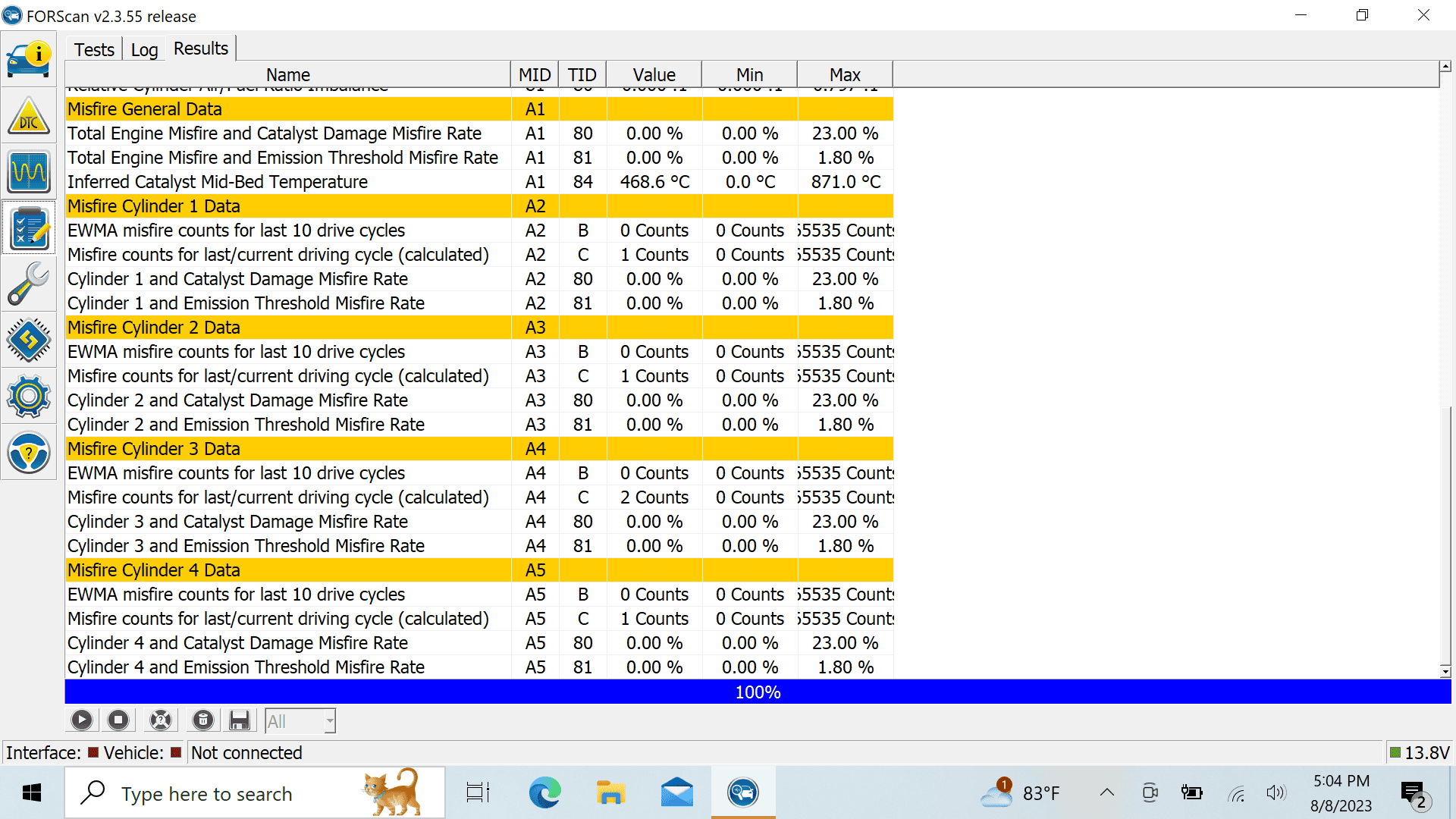
Wish Forscan had the Pids for the DPFE sensor. At least mode 6 data did pick up on the miss.

Mode6egr08082023.png


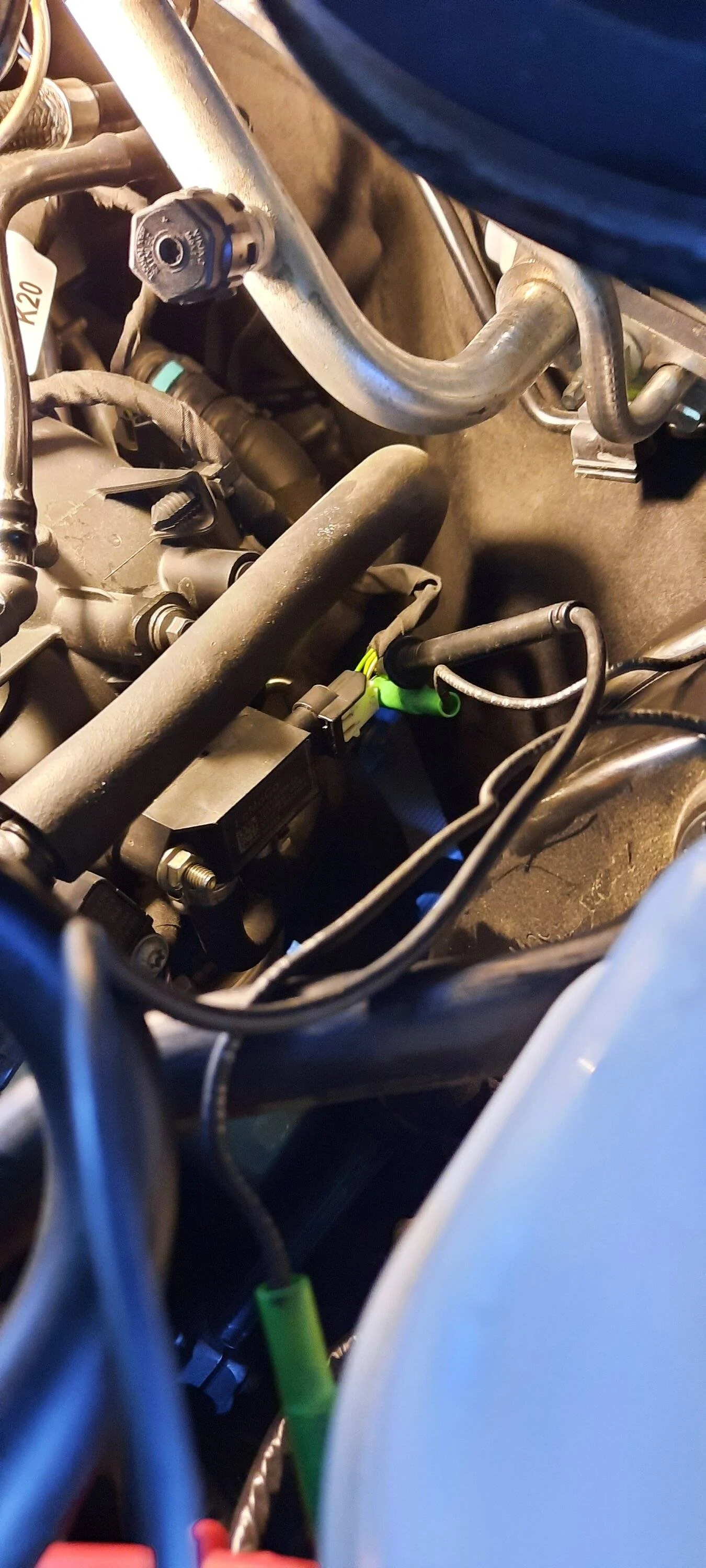
So today I decided to back probe the pins and this is my results.

20230810_093959.webp


20230810_094006.jpg


Would like to be able to diag. this but I'll probably just order the part and hope I'm another satisfied customer of Ranger 5G diagnostics forum:cool:
Here is the pinpoint test from the manual and by using the PID parameter from post #526 above your back probe shows normal voltage reading.
Now assuming that both are taken at KOEO or Hot Idle.

It is how the DPFE sensor reacts to pressure change is the key to diagnostic on this.
Being able to see both the DPFE Sensor voltage and actual EGR commanded valve position on this issue would help greatly in knowing if the DPFE sensor is falsely reporting but the manual is lacking in comparing the (2) PIDS.

Plus, in my experience it is normal to see a few misfire counts, as long as they are low single digit counts on the cylinder.

With that said, it appears to be a difficult TRUE pinpoint test to actually diagnose without full PID data to view and put into full test (KOEO-Idle-Under Load)
I actually like the test that post #526 used and would provide good test results, the only thing missing is the (Before Repair) comparison to see what the DPFE was reading as this will be most likely for all who are having issues the trigger reading of false reporting failure.

This is what we need, most are just shot-gunning the part, without doing a before and after compare for actual sensor reading, only getting it drives better and issue resolved.
It would be nice to know exactly what the sensor is reporting when it is in failure reporting, this way we have if you see this number (voltage) at this parameter (Engine RPM) then replace the sensor.

So, I am curious if the following test from the manual will properly show a failed sensor, I believe the key here (most important) is the timed (3 seconds) part of the test as this is testing the reaction capability of the sensor.
I know when mine starts to act up, I plan on doing this before and after test to see what is actually happening within the sensor. What step in the below test is it failing?

***NOTE: This test can be performed (off truck) hoses disconnected, just slave in the old sensor with the connector, so anybody with the old, failed sensor willing to perform the below test with it, would be a big help for all, and if you just replaced the sensor and have easy removal of the clamps on the sensor (worm clamps) do the same test with the new sensor and compare any difference in results. (If Any)

HE8 CHECK THE DIFFERENTIAL PRESSURE FEEDBACK EGR SENSOR OUTPUT BY APPLYING VACUUM WITH THE HAND PUMP
  • Note: Verify a prior repair has not resulted in the differential pressure feedback EGR sensor hoses being connected to the opposite ports.
  • Disconnect the pressure hoses at the differential pressure feedback EGR sensor.
  • Connect the vacuum pump to the downstream connection at the sensor (intake manifold side of the sensor or the smaller diameter pickup tube).
  • Ignition ON, engine OFF.
  • Access the PCM and monitor the DPFEGR (VOLT) PID.
  • Apply 27 - 30 kPa (8 - 9 in-Hg) vacuum to the differential pressure feedback EGR sensor and hold for 10 seconds.
  • Quickly release the vacuum.
    • The DPFEGR PID voltage must be between 0.25 and 1.3 volts with the ignition ON and no vacuum applied.
    • The DPFEGR PID voltage must increase to greater than 4 volts with the vacuum applied.
    • The DPFEGR PID must drop to less than 1.5 volts in less than 3 seconds when the vacuum is released.
Does the DPFEGR PID voltage indicate a concern in the differential pressure feedback EGR sensor?
YesNo
INSTALL a new Differential Pressure Feedback EGR sensor.

REFER to the Workshop Manual Section 303-08, Engine Emission Control.

Clear the PCM DTCs. REPEAT the self-test.
The system is operating correctly at this time. The concern may have been caused by a loose or corroded connector.
 
Last edited:

Ranger Lariat

Well-Known Member
Joined
Feb 11, 2022
Threads
1
Messages
110
Reaction score
257
Location
Earth
Vehicle(s)
Hot Wheel
I wanted to chime in on this conversation, if I may.

After reading through all 35 pages of the thread, I see there is a lot of high-quality information and also a little bit of confusion about the cause and the remedy.

To save everyone the trouble of reading through all 35 pages, the important bits are.......
Thank you WTR!

Though I am not experiencing this frankly redesign / recall worthy issue - yet (my '22 LARIAT / TREMOR after 18mos is STILL short of 5k miles) I fully suspect at some point I will. I have saved out your detailed writeup on this, and have it saved here in the "Ranger" folder on the computer.

Even at $80 or so, and even under (If I still am) warrantee I'd absolutely be buying and doing the replacement myself. The less I can have a "dealer" do ANYTHING to any of my vehicles the happier I am.

Again, thank you for taking the time to write this all out.

"Ford - Quality is Job 1" ?
 

airline tech

Well-Known Member
Joined
Aug 24, 2022
Threads
28
Messages
4,463
Reaction score
8,533
Location
Midwest - KS
Vehicle(s)
2022 Ranger Lariat-Super Crew, Cactus Gray
Occupation
Aircraft Tech
To help further ref this video for back probing the DPFE sensor and using the connector pin out:

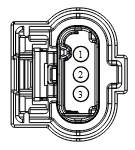
Pin # 1 = the signal wire for the ranger, this will show what the scan tool PID is seeing
So Red Probe to Pin #1 and Black Probe to a good ground will give you this voltage reading.
If you were to disconnect the connector with this back-probe in place you should see close to 5 volts. Since we do not have bi-directional control with Forscan or many 3rd party scan tools, we have to find a way to manually command the EGR valve open to get the proper voltage increase we should see on the DPFE sensor (without using the vacuum pump-tool) so this is where the manual's test procedure simulates flow across the sensor by manually putting a vacuum on the downstream side of the sensor, this would be the same as the EGR valve opening and allowing flow across the sensor.

So since the DPFE sensor is not completely failed in our case for the buck/surge as I stated in above post we should be looking at base KOEO voltage and voltage change as we apply vacuum with the vacuum pump (tool) (increasing voltage reading) as vacuum is applied and when vacuum is released voltage should stabilize at around 1.5 volts within 3 seconds. I have a hunch that this is the failure point of the sensor (the reaction to pressure change)

I hope this helps in a deeper troubleshoot for this, as we know the sensor is the culprit for many owners, just needs a further dive into the sensor as exactly what it is doing in a failure (false report) pressure differential reading (voltage)


ďż˝
Connector:
C1068
Description
DIFFERENTIAL PRESSURE FEEDBACK EXHAUST GAS RECIRCULATION (EGR) SENSOR​
Color
Harness
12C508​
Base Part #
part# N/A​
Service Pigtail
See Below​
[TR]
[TD]​


[/TD]

[TD]
Pin
Circuit
Gauge
Circuit Function
Qualifier
1​
VE713 (GN-OG)​
20​
SENSOR - DELTA PRESSURE FEEDBACK EGR (DPFE)​
2​
RE454 (YE-GN)​
20​
CTRL MOD. - POWERTRAIN # SIGNAL RETURN ENGINE #2​
3​
LE423 (GN-VT)​
20​
CTRL MOD. - POWERTRAIN # VOLTAGE REFERENCE ENGINE (VREF) (E-VREF) (VREF1)​

[/TD]
[/TR]

GRR, the connector image did not post, lets try again
1691704888093.png
 
Last edited:


seasprite

Well-Known Member
Joined
Sep 1, 2022
Threads
25
Messages
468
Reaction score
1,111
Location
Missouri
Vehicle(s)
2022 Ranger XL STX
@ airline tech
I tested with the koeoff and the engine was cold which could also be a reason I'm not seeing the issue on testing. I did start the engine but really didn't have time to let warm up properly before going to work so when I put a load on the motor the EGR was never commanded on.

To hot and humid to mess with it now and of course it didn't act up today.

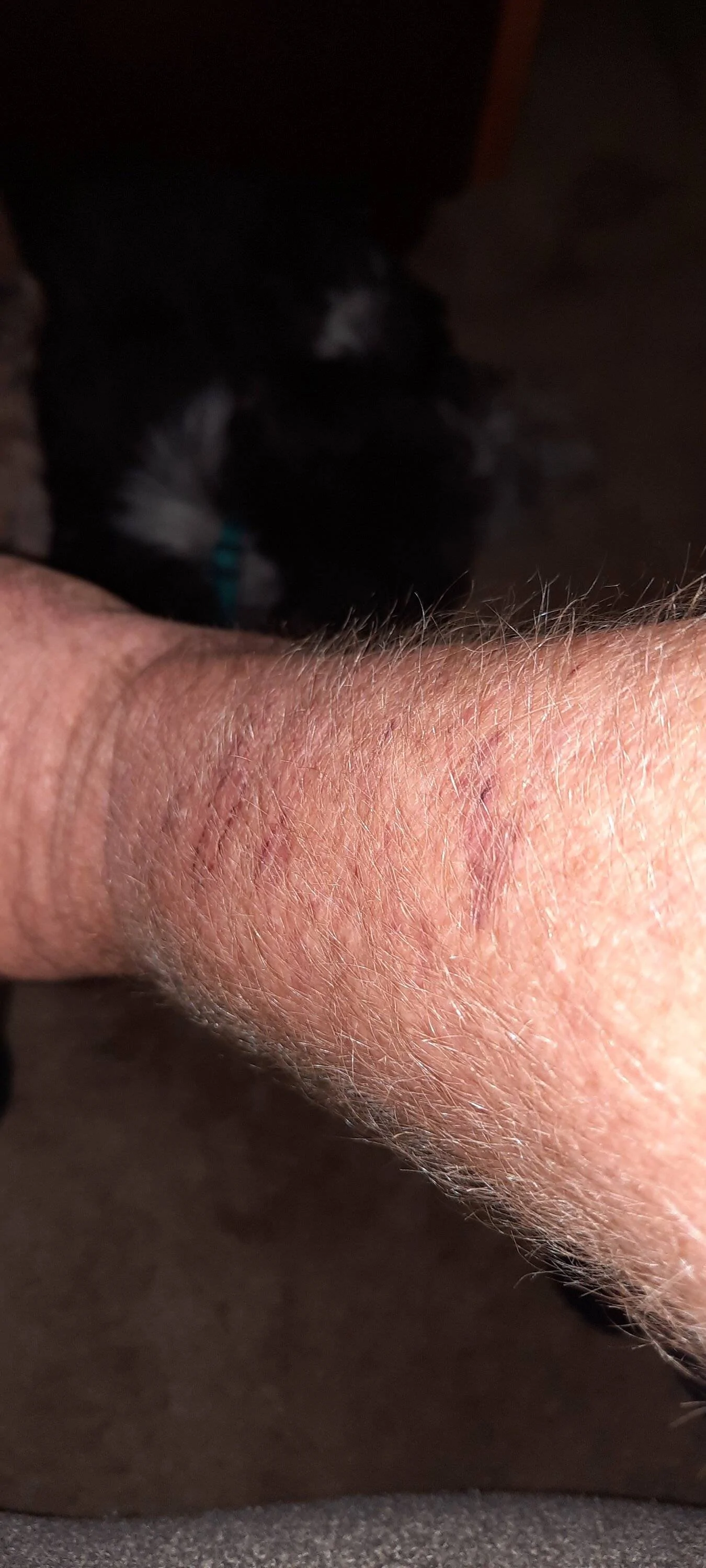
I do have a hand held vacuum pump and will try this test when I get the chance. Of course this means I'm going have to remove the hoses and my old man arms already took a beating from the cowl just getting the pins in to run the test that I did.:punch:

For those who are following along and are going to try this test the plug lock is facing left so its 3,2,1
 

Rinn69

Well-Known Member
First Name
Mike
Joined
Nov 25, 2018
Threads
53
Messages
1,404
Reaction score
3,560
Location
N. Central Iowa
Vehicle(s)
'19 Ranger traded for 24 F-150 XL RCSB 4x4 5.0 :-P
Occupation
Retired USAF MSgt
Vehicle Showcase
1
Just replaced the EGR sensor thingy....took me about 2 hrs, and a little blood. After I got the first clamp off, I looked down to where the hose connects to a hard line and was like WTF !!!!! Simple spring clamps but location would make it a PITA to get them back on unless you have one of those spring clamp removal tools, which I WILL buy with my next Amazon order. Haven't driven it yet, but I'm taking a little road trip tomorrow and will post the results.
 

Msfitoy

Well-Known Member
First Name
Sid
Joined
Mar 5, 2019
Threads
67
Messages
9,197
Reaction score
28,376
Location
North Carolina
Vehicle(s)
2019 Ranger, 2003 MINI Cooper S, 2021 Honda CT125
Occupation
NWO Robot Polisher
Vehicle Showcase
1
Nope!.............8mm.
8mm are closely related to the 10...I just lost one when I lost grip and saw it fall into the big mouth then nothing...no sound, didn't come out the intake side at the grill...just gone...
 

IdahoRanger

Well-Known Member
First Name
Steve
Joined
Sep 26, 2019
Threads
12
Messages
4,330
Reaction score
21,515
Location
Idaho
Vehicle(s)
2019 Lariat SuperCrew FX4
Occupation
RETIRED
8mm are closely related to the 10...I just lost one when I lost grip and saw it fall into the big mouth then nothing...no sound, didn't come out the intake side at the grill...just gone...
So that is the "oh shit" I heard.
 

BS67

Well-Known Member
First Name
Brian
Joined
May 29, 2022
Threads
9
Messages
2,720
Reaction score
16,242
Location
Nebraska
Vehicle(s)
2022 Ranger XLT
Occupation
Eye Tech, 2A supporter, USMC "Doc" '89-'95
8mm are closely related to the 10...I just lost one when I lost grip and saw it fall into the big mouth then nothing...no sound, didn't come out the intake side at the grill...just gone...
Oh snap!?
 

seasprite

Well-Known Member
Joined
Sep 1, 2022
Threads
25
Messages
468
Reaction score
1,111
Location
Missouri
Vehicle(s)
2022 Ranger XL STX
@ airline tech

Well instead of letting my old man arms heal up after the last test I decided to beat on them some more today after mens breakfast at church:idea:

20230812_113729.jpg


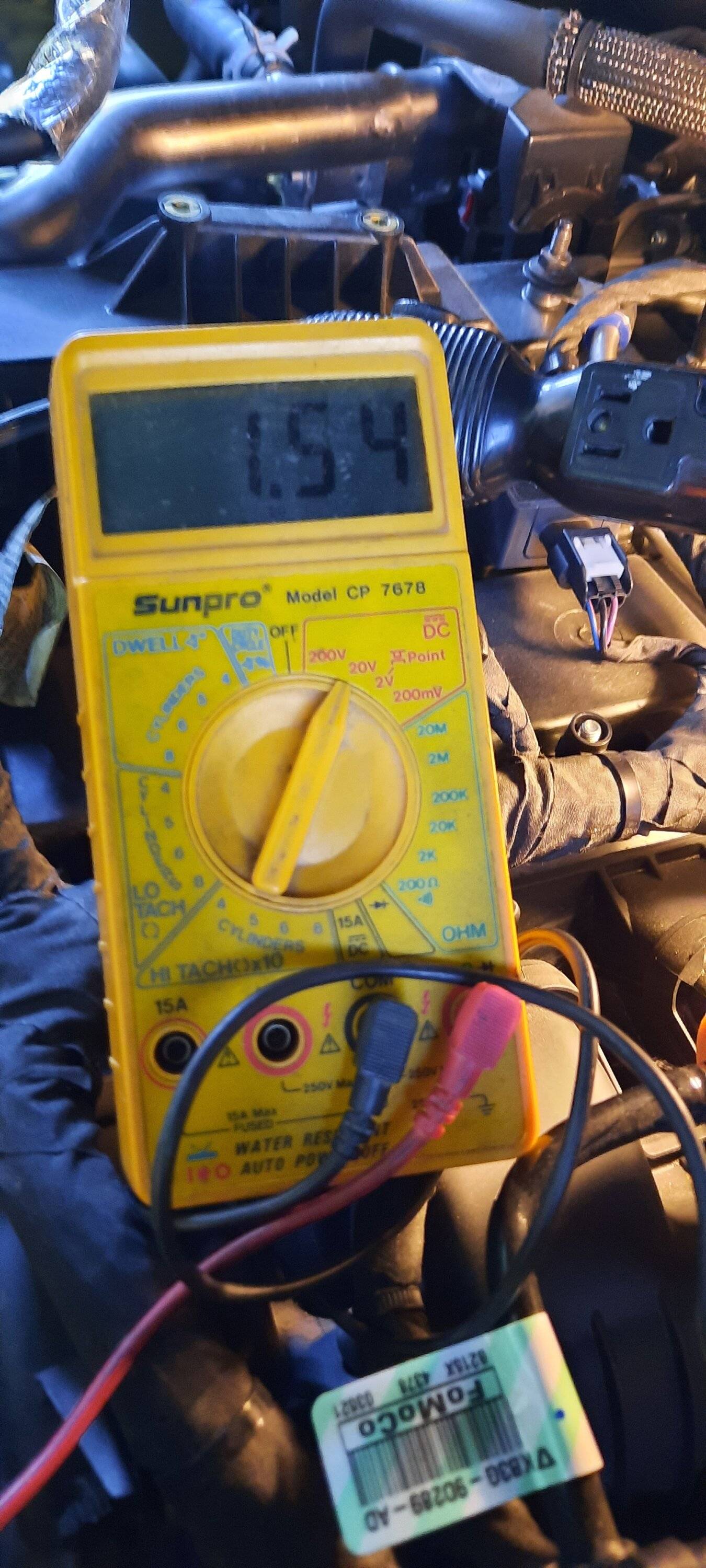
Since the engine was warm I decided to run the test that you posted. Looking at the testing parameters above I can't help but think the sensor was showing fault at the 1.54v.

  • The DPFEGR PID voltage must be between 0.25 and 1.3 volts with the ignition ON and no vacuum applied.
  • The DPFEGR PID voltage must increase to greater than 4 volts with the vacuum applied.
  • The DPFEGR PID must drop to less than 1.5 volts in less than 3 seconds when the vacuum is released.
But we need knowledge so on with the test.

Test conditions: engine warm, KOEO
I disconnected the intake side hose at the EGR pipe not the sensor like the test procedure says I don't have a replacement clamp and it really shouldn't make a difference in the test. I then hooked the vacuum pump to the hose.
I then back probed pin1 on the connector and this is what I got...

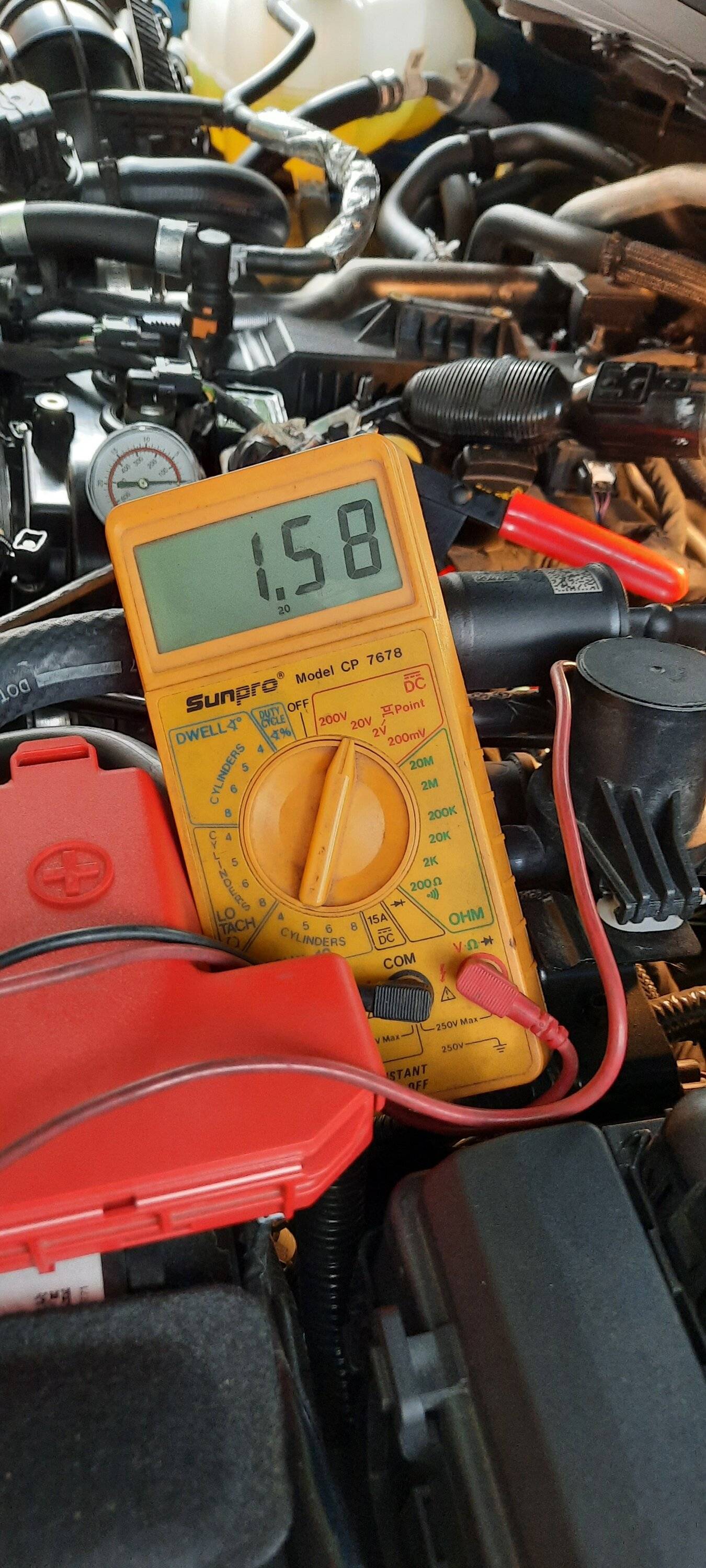
No vacuum

20230812_105736.jpg


9 in hg Vacuum

20230812_105641.jpg


Never got close to 4v on the test The highest reading I got was 2.8v.
When I released the vacuum the reading immediately dropped to 1.56v then resettled at the 1.58v
I know my vacuum seal wasn't the best because it would start to slowly decay after about 3 sec. But I still think the test is valid and my sensor is bad.

Well I think we have a test now that we can use to tell if these sensors are bad without just firing the parts cannon.
Would like to see if any of you have the tools and already replaced the sensor do the test on the new and old one then post results here so can get more data on the sensor. For those who take the challenge I thank you:clap:


UPDATE: 8/15/2023
I purchased a new DPFE sensor today for 57.77 - 27.00 I had for points, for a total of 35.00. I'll take that deal:). I haven't installed it yet(need clamps) but plugged it in and ran the same checks as the OE sensor. So here it is.

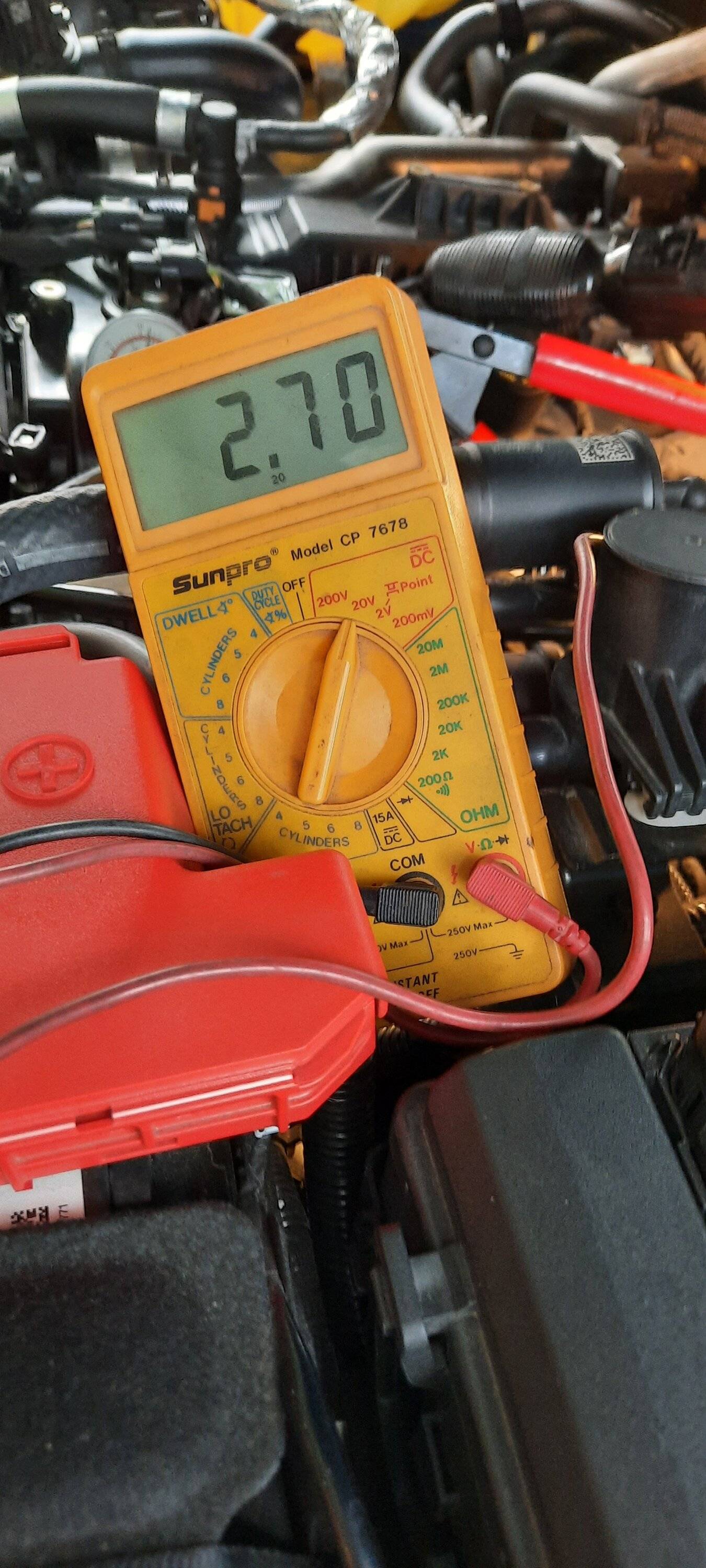
KOEO no Vacuum: 1.52v

KOEO Vacuum : 2.70v

So .06v difference on the no vacuum and thats it. Its looking like this test is inconclusive on why these sensors are failing. Since this engine is inducted and not NA I'm sure the values are different than a NA engine probably why I'm not seeing the 4 volts. The only thing I think I can do now is try KOER, back probe it, and put a load on the engine. I'll do that when I go to install the new one.

Curious what others failed sensors voltages are?
 
Last edited:

Rinn69

Well-Known Member
First Name
Mike
Joined
Nov 25, 2018
Threads
53
Messages
1,404
Reaction score
3,560
Location
N. Central Iowa
Vehicle(s)
'19 Ranger traded for 24 F-150 XL RCSB 4x4 5.0 :-P
Occupation
Retired USAF MSgt
Vehicle Showcase
1
Just replaced the EGR sensor thingy....took me about 2 hrs, and a little blood. After I got the first clamp off, I looked down to where the hose connects to a hard line and was like WTF !!!!! Simple spring clamps but location would make it a PITA to get them back on unless you have one of those spring clamp removal tools, which I WILL buy with my next Amazon order. Haven't driven it yet, but I'm taking a little road trip tomorrow and will post the results.
Got to do a little driving around town and it will hold a "proper" gear for the speed....not in 8th gear doing 30mph. It definitely has much better gear choice for the speed and very little lugging/jerky shifts. I am happy with the fix :like:
 

seasprite

Well-Known Member
Joined
Sep 1, 2022
Threads
25
Messages
468
Reaction score
1,111
Location
Missouri
Vehicle(s)
2022 Ranger XL STX
Alright I was thinking about taking it in to the dealer and have them look at it, but figured the $60.00 spent on the sensor is worth the price of not having to go through the hassle of no codes no care, or the classic excuse of can't replicate problem.

So I'm going to order the sensor.

Plus this will give me a chance to run the same test on a known good sensor and I'll update my post with the bad sensor with the results so they will be in the same place for easy reference.
 

RedDakooter05

Well-Known Member
Joined
Sep 17, 2021
Threads
7
Messages
2,772
Reaction score
9,554
Location
Illinois
Vehicle(s)
2024 Nissan Frontier S 4x4
Ford must have caught wind of this thread; they jacked up the price of just the sensor.
$60-$100 is what I'm seeing.
Sponsored


Top