
Sponsored

Oil Catch Can. Yes or No?

Do you have a catch can?


  • Total voters
    44

Sashimi_Moto

Well-Known Member
Joined
Jan 3, 2020
Threads
5
Messages
225
Reaction score
321
Location
WA
Vehicle(s)
2012 E450 C-Class, 2019 Ranger Lariat 501A FX4
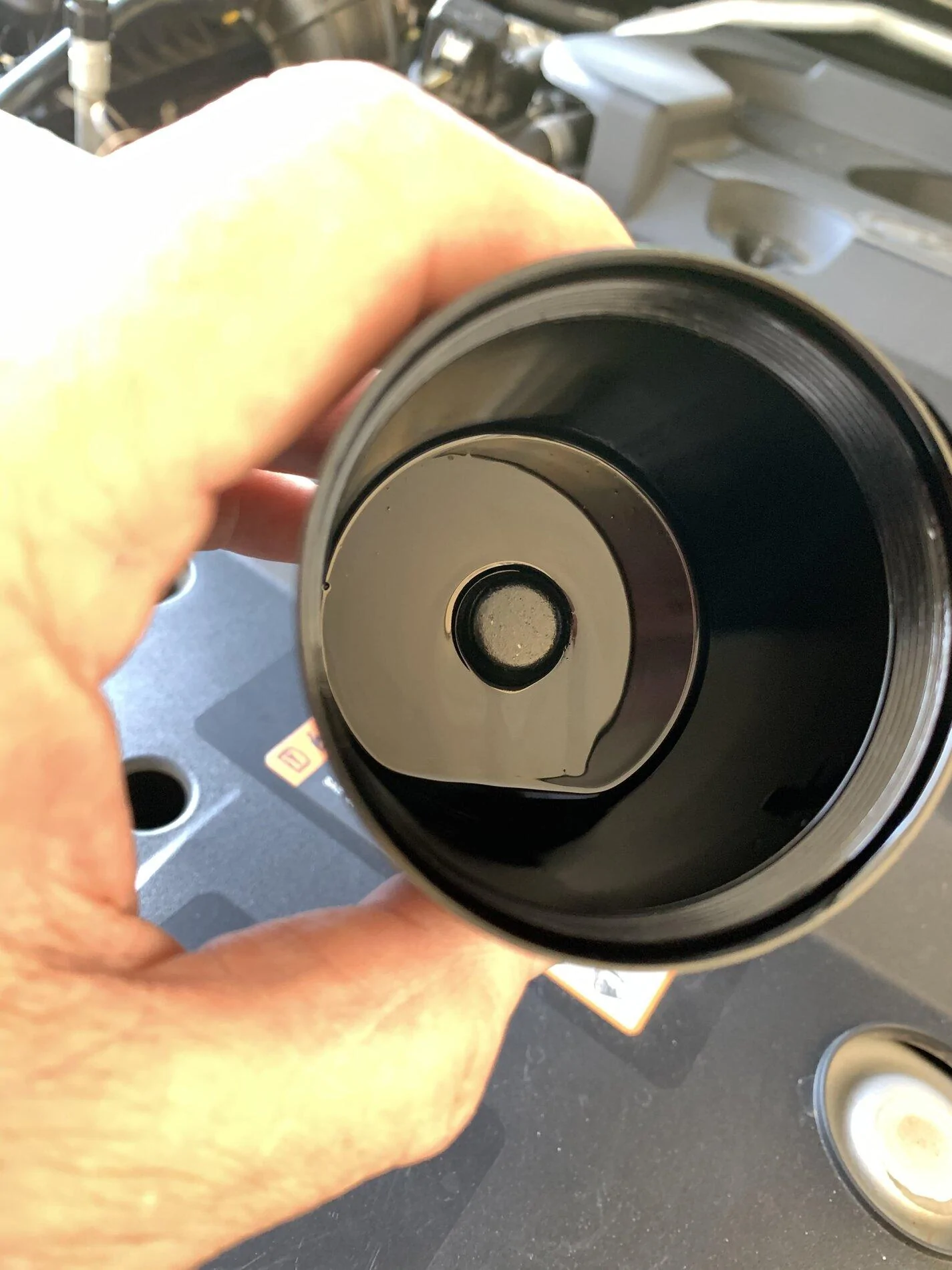
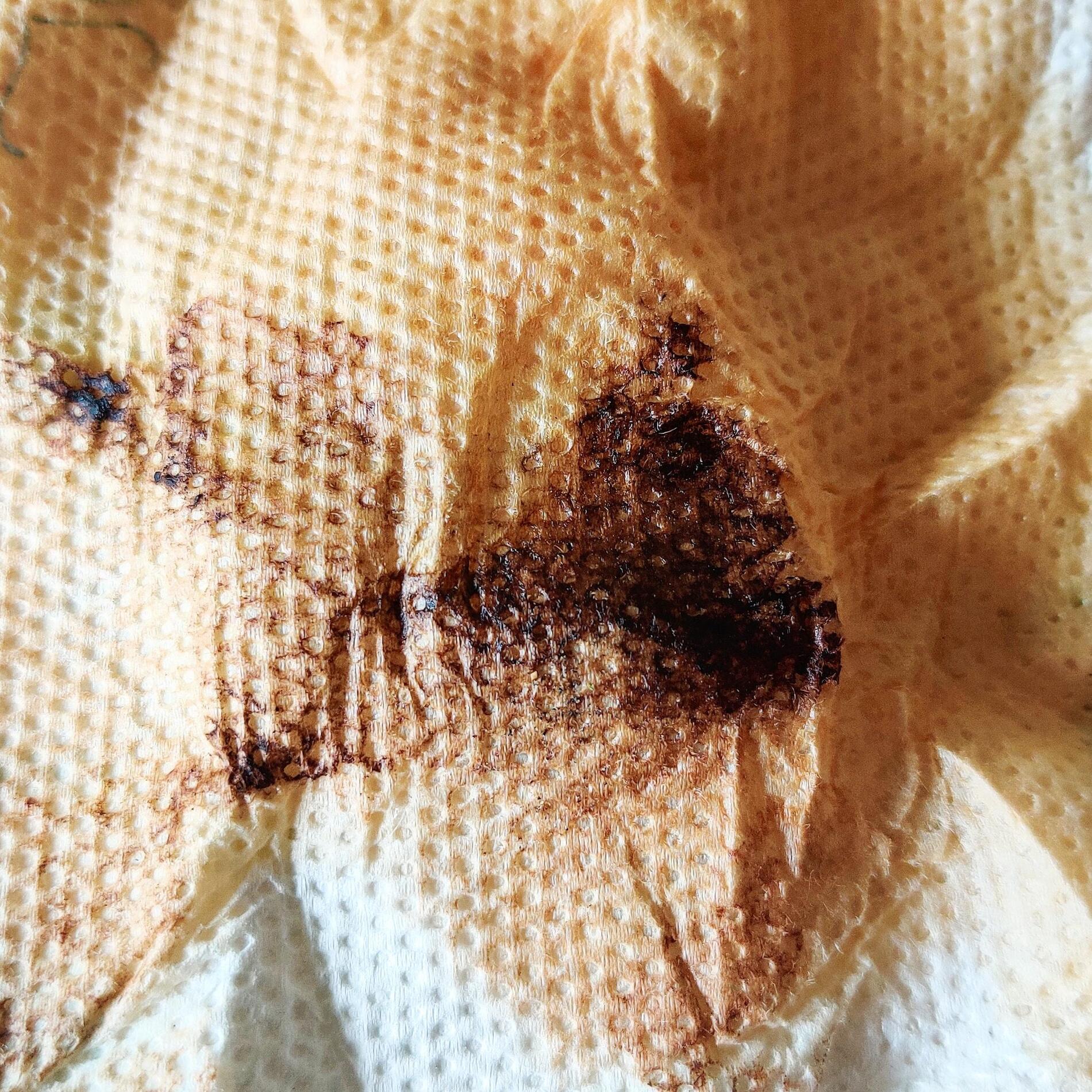
I have both PCV and CCV side catch cans.

My PCV side has 4k on it and my CCV side (turbo side), has about 3k miles. Ive done multiple road trips (lots of cruise control) and did some local towing.

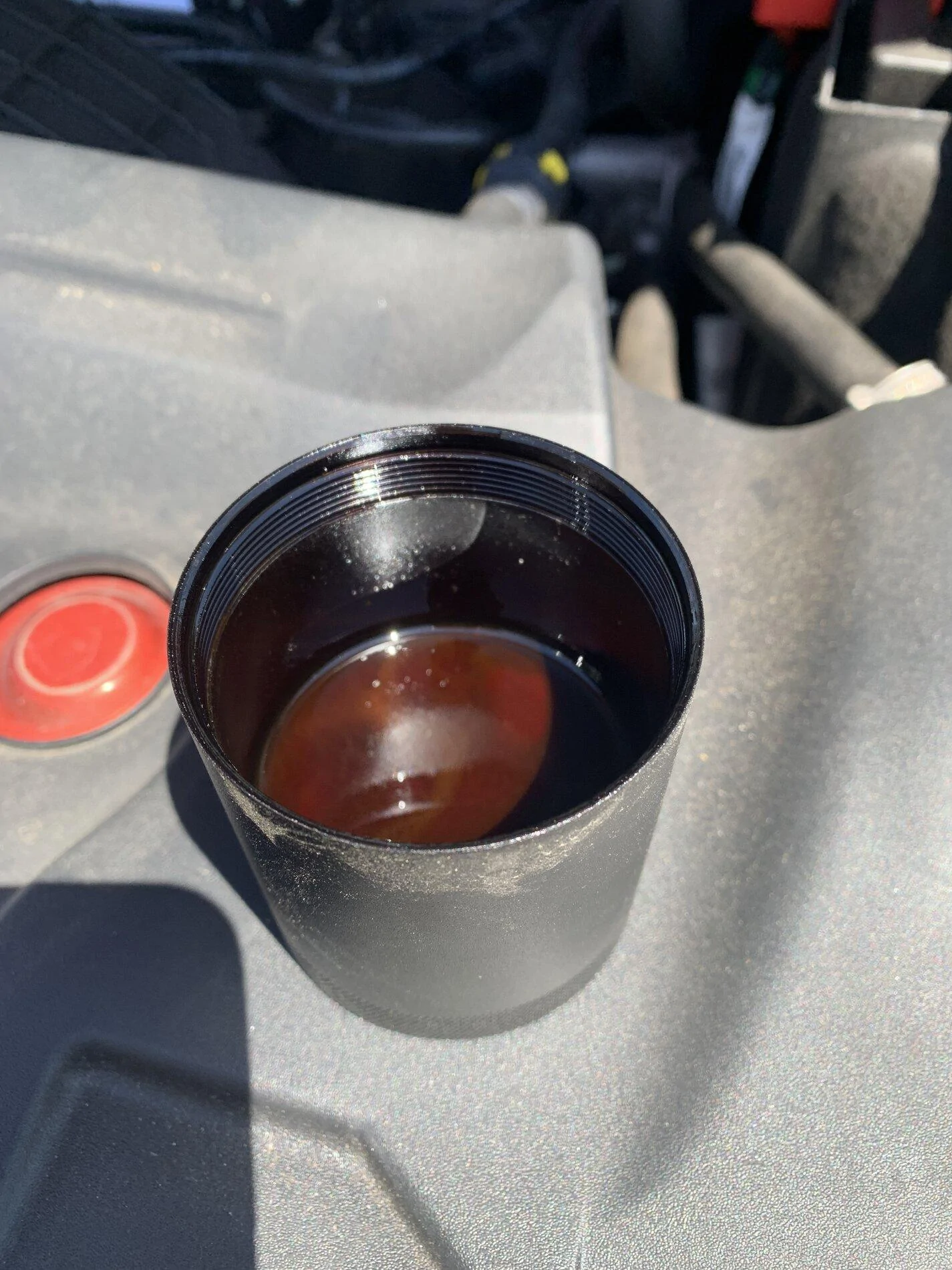
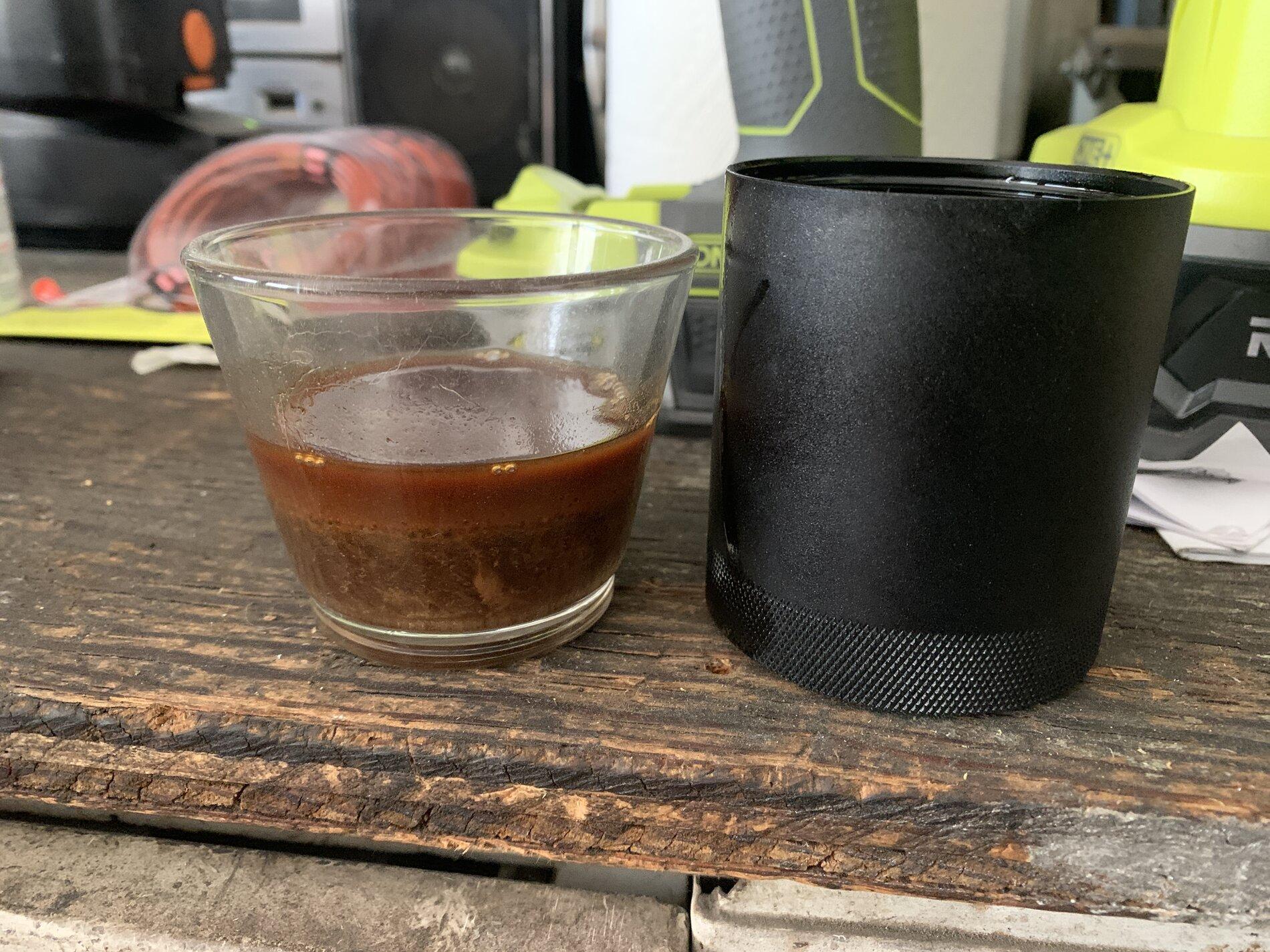
PCV side: oil and gas, that would be a lot of crap on the valves.
F9659FE5-CF3F-43B1-8247-43D0FBC2E35B.webp

D5F746CF-E143-4C8E-A063-CE263A938BF2.jpeg


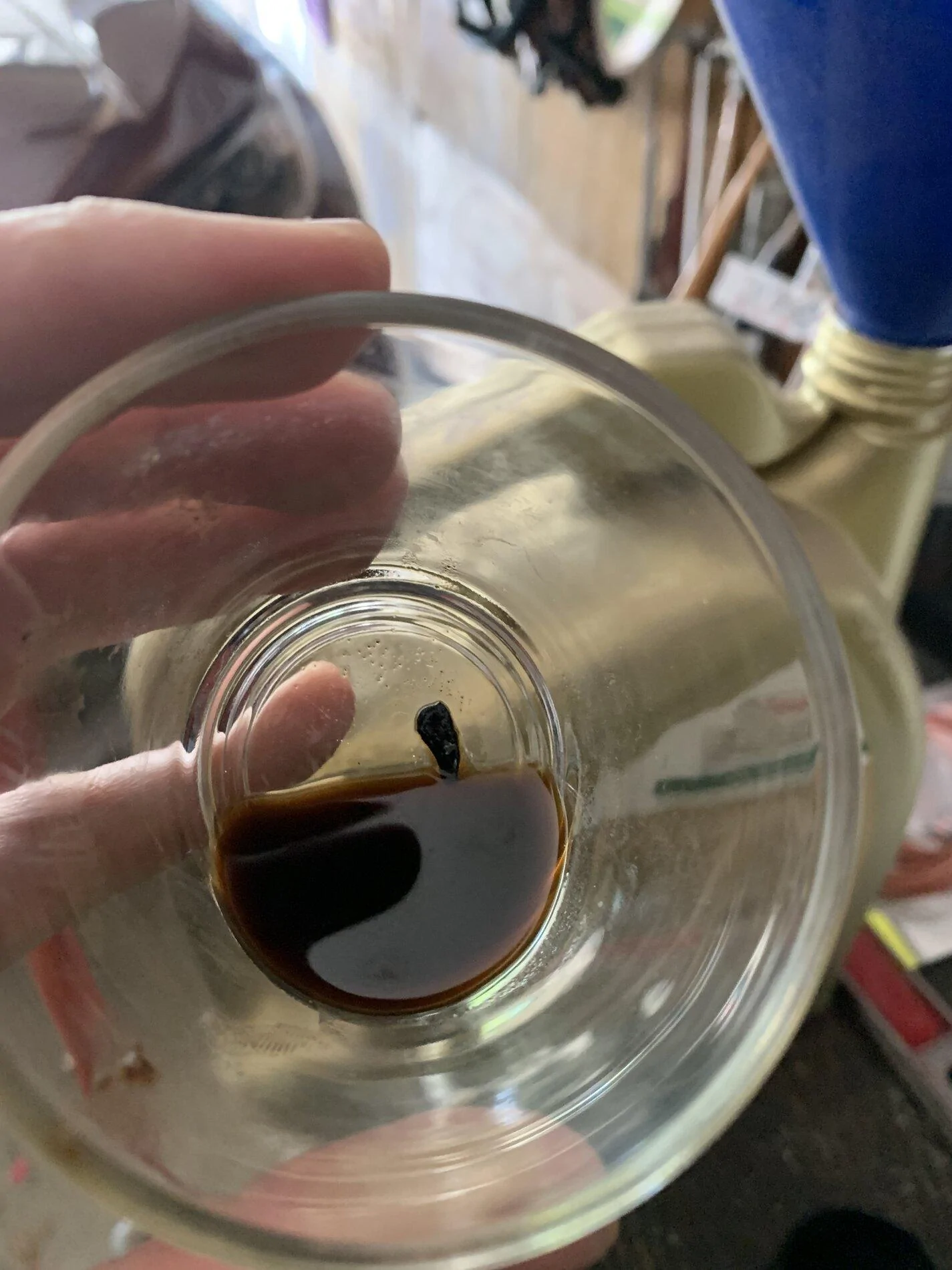
Here is the CCV side. A little bit less but NOT anything I want passing through my turbo and intercooler. This was strictly oil.
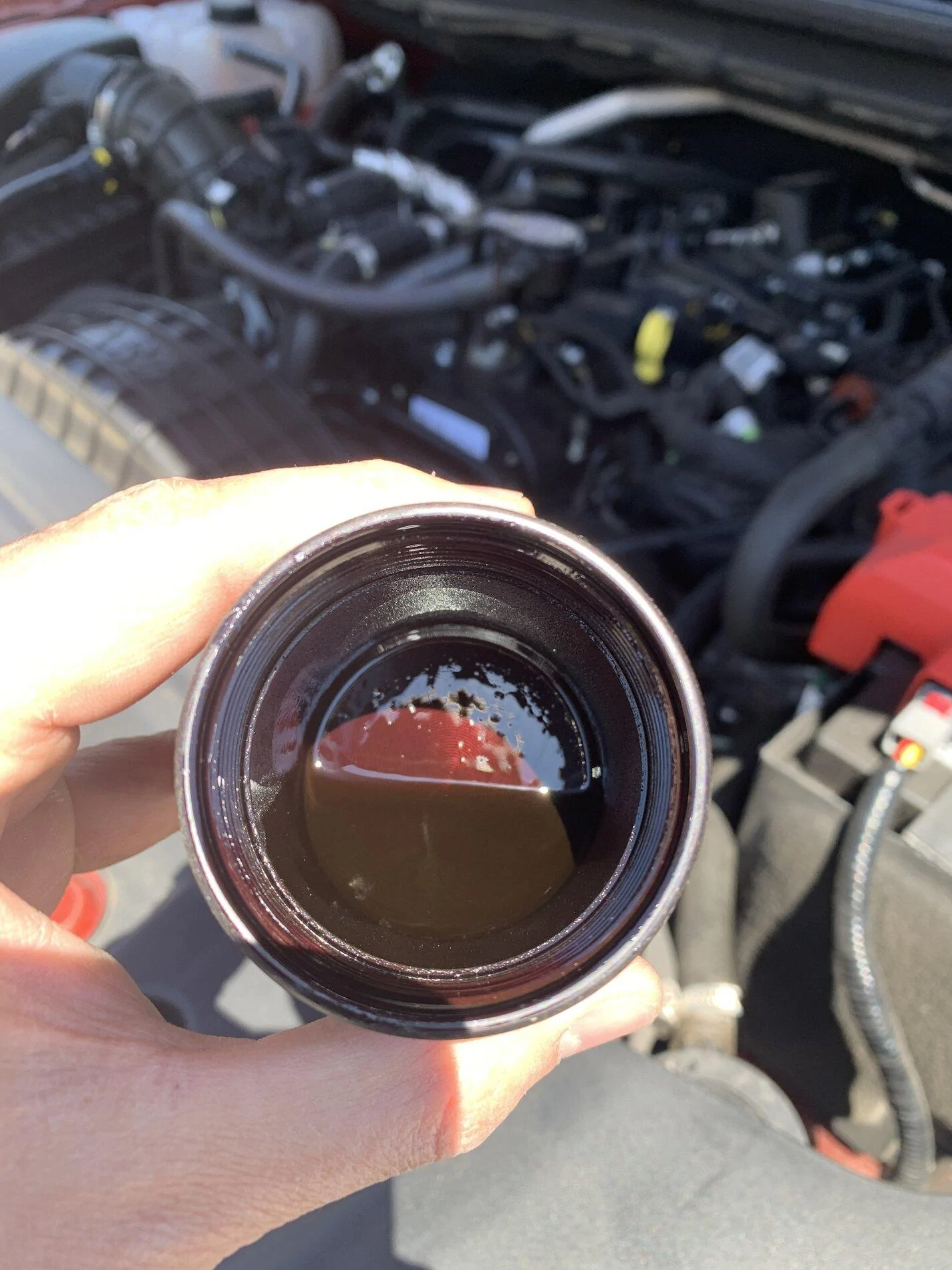
A27730FF-ACF5-499D-A4A8-BD834EC1F662.webp

BC6DDBB1-B9A7-4BED-9AC4-DBD645E444CF.webp
Sponsored


bivenspack

Member
First Name
Freddie
Joined
May 15, 2020
Threads
1
Messages
10
Reaction score
21
Location
Murfreesboro, TN
Vehicle(s)
2019 Ford Ranger, 2013 Mini Cooper, 1957 Ford Fairlane 500
Occupation
Reliability, Maintenance, Engineering Manager
how are you installing it on the CCV side? are you using the same style can?
 

runner69

Well-Known Member
First Name
Eric
Joined
Jun 5, 2020
Threads
3
Messages
121
Reaction score
324
Location
80538
Vehicle(s)
2019 Ranger
Occupation
Transit bus mechanic, former Ford master tech
Vehicle Showcase
1
For me it's a lot like 5000 mile oil changes. The owners manual says only to change the oil every 10,000 miles, but if your oil is getting dirty after 5000 it's clearly beneficial to change the oil (And as a side note, it is important to point out that SAE study i linked found that whatever was in your oil is what ends up on your valves too, both through the PCV and EGR).

Just because i change my oil ever 5000 miles doesnt mean I think the engine will explode if i didnt, nor does it mean i think Ford's oil system is poorly designed, i just want to get the maximum lifespan out of my vehicle.
I'm with you, my last Ranger, 1994 4.0, had 390,000 miles on it. I plan to get the same out of this one. So I change oil and filter every 5K. I can't say for sure an oil catch can will keep my valves from coking but nobody has any proof that a catch can will cause any damage. So I am going to install one and keep track of how much oil it does catch. I also don't drive it very hard, only when needed to get into traffic or show a Taco who's boss, so I don't think it will need emptied often
 
  • Like
Reactions: Doc

Ace Holliday

Well-Known Member
First Name
Scott K
Joined
Apr 19, 2020
Threads
5
Messages
405
Reaction score
890
Location
South Kalifornikstan
Vehicle(s)
2019 Ranger XLT Super Crew
Occupation
Aerospace Machinist/CNC Programmer - Retired
I had the Mishimoto Catch Can installed a couple of weeks ago. There was nothing but a very thin coating of oil on the inside of the can after 650 miles. I am going to monitor it by checking every 500 miles or so for awhile. I would expect there to be very little blow-by in an engine with only 4,650 miles on it. The can is more of a long term insurance thing.


SAZ Ranger

Active Member
First Name
Mark
Joined
Aug 12, 2020
Threads
7
Messages
40
Reaction score
77
Location
Southern Arizona
Vehicle(s)
2019 Ranger Lariat 2wd
Occupation
Retired
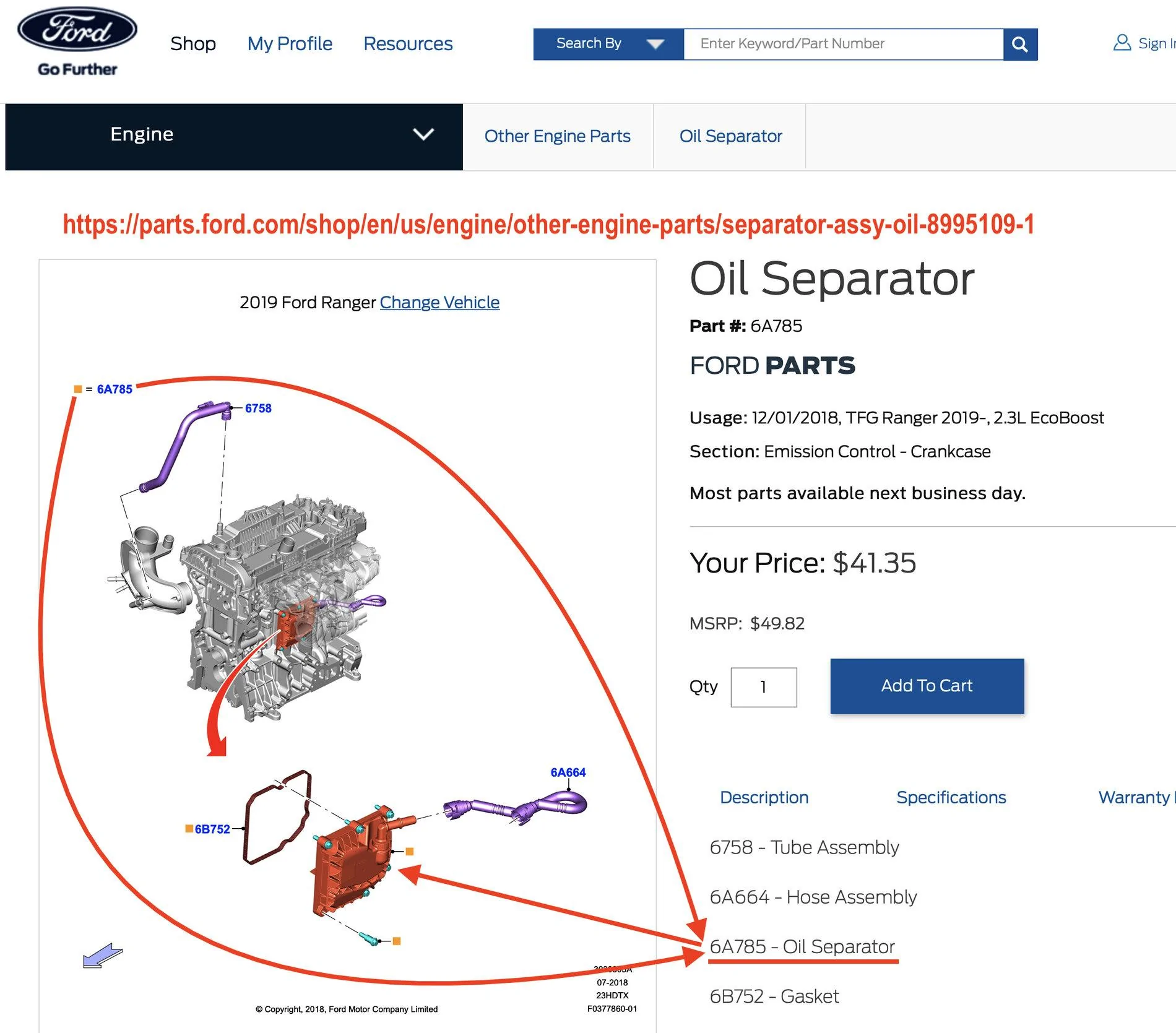
Ranger 2.3L comes with an Oil Separator under the intake manifold. For now I'm sticking with that and changing my oil every 5000 with good synthetic oil.

Locating a catch can much higher in the engine compartment than where the supply or pick up line is located concerns me. Oil might eventually build up at the lowest point in the line running up to the catch can and form a pool of oil in the hose. I would think this would reduce the effectiveness of the catch can. See the attachment.

Just my thoughts.

Oil Separator FordParts.webp
 

geophb

Well-Known Member
Joined
Aug 3, 2020
Threads
4
Messages
530
Reaction score
750
Location
Wisconsin
Vehicle(s)
2019 Ranger
Occupation
Mechanical Engineer
@SAZ Ranger
Pretty much every engine ever made has an oil separator/baffle on the pvc line. An added catch can works in addition to the existing oil separator. Oil catch cans do work, but are an added maintenance item.

The difference with the oil separator is any contaminants and oil that don't get pulled through the intake go back to the pan (evaporated then condensed water/fuel etc) only to be evaporated again then eventually pulled through the intake, until you change the oil.
Where the catch can would contain those contaminants.

The real issue though is the valve deposits. Which is caused by the oil that makes it past the oil separator and is then pulled through intake. The evaporated water/fuel does not contribute much to valve deposits.

Do you NEED a catch can? No
Does a catch can work? Yes
Does a catch can 100% protect against deposits? no

I don't plan on using a catch can. I also have yet to find intake valve pictures of a DI engine that has used a catch can for 100k+ miles to provide me estimation of the effectiveness of the catch can against valve deposits. I want to see how much better it actually is.
 

krisrayner

Well-Known Member
First Name
Kris
Joined
Feb 27, 2020
Threads
7
Messages
80
Reaction score
137
Location
California
Vehicle(s)
‘20 Ranger FX2
Here's a tip for those in California worried about smog inspections. First off, there's an 8 year exemption for biennial smogs. So only those doing it for change of ownership will deal with it for the time being.

If a smog inspection/technician gives you flack or fails your truck, the California smog inspection handbook (2017, appendix C, pg 49) exempts "Oil Separator / Filter - Crankcase gas filter " from needing aftermarket part verification provided everything is still connected properly.

https://smogcheck.ca.gov/pdf/2017_Smog_Check_Manual.pdf

The previous inspection manual explains it a little clearer (2007, appendix G)
"For the purposes of a Smog Check inspection, the following parts and emission control changes are acceptable provided that all of the required emission controls are connected and functioning. When conducting a Smog Check inspection, it is not necessary to check for a CARB Executive Order for the following:
.
.
Oil separators and filters "

I've had my smog inspectors license for a long time now and was surprised to read this. It wasn't pointed out in any update training classes and never had reason to take note until years later. We're indoctrinated that ANY emission system modification needs to have a CARB EO exemption number. So a lot of inspectors are leery of passing anything questionable, afraid they could get fined for an incorrect smog.
 

Ace Holliday

Well-Known Member
First Name
Scott K
Joined
Apr 19, 2020
Threads
5
Messages
405
Reaction score
890
Location
South Kalifornikstan
Vehicle(s)
2019 Ranger XLT Super Crew
Occupation
Aerospace Machinist/CNC Programmer - Retired
This is why I have a catch can. This is after 1000 miles that included a 500 mile freeway road trip. I would rather have this stuff here than baked on the valves.
2019 Super Crew with 5500 miles on the odometer. Livernois Motorsports 91/93 Performance tune.

39BD23D1-2F0E-453E-9D05-64F580761880.webp
 

JoeDirt

Well-Known Member
First Name
Joe
Joined
Dec 8, 2019
Threads
11
Messages
108
Reaction score
339
Location
TX
Vehicle(s)
2021 Ford ranger xlt
After about 3500 miles, lots of fuel mix but also sludge on the bottom of the mishimoto can.
JHePuiv.jpg
 

Floyd

Well-Known Member
Joined
Jan 6, 2019
Threads
38
Messages
2,064
Reaction score
3,132
Location
illinois
Vehicle(s)
'19 Ranger SCab,'16 Connect,'95 MustangGT,'50 Ford
@SAZ Ranger
Pretty much every engine ever made has an oil separator/baffle on the pvc line. An added catch can works in addition to the existing oil separator. Oil catch cans do work, but are an added maintenance item.

The difference with the oil separator is any contaminants and oil that don't get pulled through the intake go back to the pan (evaporated then condensed water/fuel etc) only to be evaporated again then eventually pulled through the intake, until you change the oil.
Where the catch can would contain those contaminants.

The real issue though is the valve deposits. Which is caused by the oil that makes it past the oil separator and is then pulled through intake. The evaporated water/fuel does not contribute much to valve deposits.

Do you NEED a catch can? No
Does a catch can work? Yes
Does a catch can 100% protect against deposits? no

I don't plan on using a catch can. I also have yet to find intake valve pictures of a DI engine that has used a catch can for 100k+ miles to provide me estimation of the effectiveness of the catch can against valve deposits. I want to see how much better it actually is.
Old school PCV is not nearly as sophisticated as the oil separator on the new Ranger and really nothing more than a crank case vent. Even that was not introduced until about 50 years ago.
So ...no, not even close to every engine ever made had anything similar to the oil separator on the Ranger.
There are way too many DI Ecoboost engines with over 200,000 miles without catchcans to out right justify a catchcan. But if you want one, you should have one.

Do you still think that crankcase pressure is the primary source of valve deposits? Take a look at EGR and variable valve timing to see what contributions they make.

Mark's point is in fact valid.
The best you can hope for is illustrated in Scott's pictures, The worst is to interfere with a system which works well.
Catchcan or not.... the other contributing factors have not been discussed here .
Also nobody has been able to quantify the problem of intake valve deposits.
There are in fact VERY large numbers of DI engines with very high mileage without significant issues of the type that catchcans are supposed to solve.

Other than anecdotally, have catch cans even been around long enough to establish their effectiveness? How many Catchcan equipped DI engines do we know have gone on to develop serious valve deposits in spite of the mitigation touted? Is that mitigation adequate to establish prophylaxis?
Ultimately the jury is still out and more evidence needs to be heard.

This whole thing reminds me of the lead issues of the early 70s!
 

geophb

Well-Known Member
Joined
Aug 3, 2020
Threads
4
Messages
530
Reaction score
750
Location
Wisconsin
Vehicle(s)
2019 Ranger
Occupation
Mechanical Engineer
1. Do you still think that crankcase pressure is the primary source of valve deposits? Take a look at EGR and variable valve timing to see what contributions they make.

2. Also nobody has been able to quantify the problem of intake valve deposits.
1. Egr deposits are very minimal on a gasoline engine. So yes, the primary source is from pcv.

2. Yes they have. The problem is the pcv, the oil that makes it through cooks onto the valves.
Edit: Whoops I think I read it wrong
 

geophb

Well-Known Member
Joined
Aug 3, 2020
Threads
4
Messages
530
Reaction score
750
Location
Wisconsin
Vehicle(s)
2019 Ranger
Occupation
Mechanical Engineer
There is only 1 reason to have a catch can: to reduce oil vapors in the intake. Whether that be for deposits or performance reasons (knock from oil vapors).
 

Racket

Well-Known Member
First Name
John
Joined
Jan 21, 2020
Threads
22
Messages
2,203
Reaction score
3,402
Location
Here and There
Vehicle(s)
2019 Lariat Supercrew 2WD
Occupation
Transient
There is only 1 reason to have a catch can: to reduce oil vapors in the intake. Whether that be for deposits or performance reasons (knock from oil vapors).
After being involved in discussions about the intercooler system and considering upgrades I would add that a catch can keeps oil/moisture out of the charge pipes where it has been an issue in similar vehicles and I presume the long term performance of the intercooler itself.
 

geophb

Well-Known Member
Joined
Aug 3, 2020
Threads
4
Messages
530
Reaction score
750
Location
Wisconsin
Vehicle(s)
2019 Ranger
Occupation
Mechanical Engineer
After being involved in discussions about the intercooler system and considering upgrades I would add that a catch can keeps oil/moisture out of the charge pipes where it has been an issue in similar vehicles and I presume the long term performance of the intercooler itself.
PCV is after the charge pipes and intercooler, so they wont see oil from the pcv. They may see very small amount from the "clean air" breather but the pcv is the main culprit.

Diesel are the worst for this though, they put the Crankcase vent pre turbo because diesels have no manifold vacuum.
Sponsored


Top