
Sponsored

Long term reliability of the 2.3

JaketheMus

Active Member
First Name
Jacob
Joined
Apr 28, 2021
Threads
0
Messages
38
Reaction score
91
Location
Hawaii
Vehicle(s)
2019 Ford ranger
Occupation
Transit
2019 4x4 Lariat
Level lift, tuned, cai, cat back, 32” on 18x9.5
15,000 miles on the clock
Start/stop delete =15mpg
S mode 24/7 button shift all gears
Only issue I’ve had is not enough hours in the day to enjoy my 2.3 eco Ranger
Sponsored

 

JohnnyO

Well-Known Member
First Name
Jon
Joined
Apr 8, 2021
Threads
23
Messages
1,972
Reaction score
6,153
Location
Pittsburgh, PA
Vehicle(s)
2020 Ranger STX 4x4
Occupation
Asst. Greenskeeper, Bushwood Country Club
Mine is a 2020, CPO with 5000 miles when I bought it, powertrain warranty is 100,000 miles so that’s as long as I plan to keep it. The Sport Trac I had before started getting expensive after 130,000.
 
  • Like
Reactions: Doc
OP
OP

F150stxguy

Well-Known Member
Joined
Apr 25, 2021
Threads
7
Messages
166
Reaction score
399
Location
Texas
Vehicle(s)
F150
I think I’ll be buying one more ICE truck, before the inevitable electric truck/SUV purchase. So I want to make sure it’s the right choice. I also want to purchase a bit into the life cycle. Maybe by then range will be acceptable. I’d be down right pissed if I bought a model using lithium ion and like a year later a better battery technology is released to the public lol.

Thanks for all the information. From all that I’ve read from owners of the 2.3 it’s a pretty impressive and stout engine. It’s been around awhile now and from here and the mustang forums engine failures seem to be rare.

Makes me feel a little better. God bless beta testers lol.
 

HenryMac

Well-Known Member
First Name
John
Joined
Sep 14, 2019
Threads
66
Messages
2,783
Reaction score
5,360
Location
Colorado
Vehicle(s)
2019 SuperCab XL - FX4 - Magnetic - Rocksliders
Occupation
Mech. Engineer - Retired
This ain't no Toyota.... It has Ford reliability built in.
We all have our personal "benchmarks" in regard to reliability.

When I see or read from a reliable source about a 2019+ Ranger with over 175,000 miles that's running all it's original stock mechanical parts, with original brakes, that's over 17 years old... that never left it's owner stranded.... that'll be the thing that proves to me my Ford Ranger is as reliable as my '02 Toyota Tacoma TRD was.

We're at 16,000 miles on our FX-4 Supercab... at this point we're cautiously optimistic.
 

DHH

Well-Known Member
Joined
Sep 16, 2020
Threads
6
Messages
173
Reaction score
356
Location
Here...but sometimes there
Vehicle(s)
2019 Ranger Lariat FX4
Personally, I wouldn't be concerned about the longevity of the 2.3. There is always a disproportionate amount of negativity of items on forums. There are probably millions of these engines, or versions of these engines world wide and only a few thousand registered members here.....and only a small percentage of those members are actually active.

I think it's an awesome motor. They have been built and tested to extremes that far exceed what anybody actually uses them for.
Not pointing fingers at anyone here, but so many people have a nostalgic view of the old iron block V8's of the past and (mistakenly) remember them as being bulletproof. If you've ever taken apart one of the old engines and a new engine; you'll be blown away by how much better every single part is. The quality and finish of the parts is what people (myself included) use to spend thousands on to get done on their old V8's.

Get the 2.3 and drive it, tow with it, use it, abuse it......and don't worry about it. Odds are, it will last a lot longer than the old "reliable" engines of days gone by.


Floyd

Well-Known Member
Joined
Jan 6, 2019
Threads
38
Messages
2,064
Reaction score
3,132
Location
illinois
Vehicle(s)
'19 Ranger SCab,'16 Connect,'95 MustangGT,'50 Ford
Of course top tier fuel will help mitigate intake valve carbon deposits. as I explained above.
That was the point of my post.

You are welcome of course to think that a catchcan is the be all end all of preventative maintenance. Maybe a "catchkeg" or a "catchbarrel" would do even better. :giggle:

At any rate, even if a catchcan were effective, there is no substitute for good maintenance and common sense driving habits which are sensitive to the vehicle in question.
Also , for the umpteenth time, I understand the basic difference between direct injection and MPFI,
Heck I remember carburetors.

Do you happen to know for sure how much of the intake valve carbon comes from PCV and how much comes from EGR ? Especially since they started to use valve timing to facilitate it.
I don't know that percentage either but I suspect it is majority EGR and valve timing, with PCV taking all the blame.
If a cheap "catchcan" would solve the problem, why would Ford choose to double up with an expensive solution like a piggyback MPFI instead?
??Perhaps a single injector in the throttle body or intake stream for cold starts and rich warmups would solve the problem better than a catchcan which theoretically addresses only a fraction of the supposed problem anyway. Or maybe it could be designed to only work @ WOT.??

Carboned up valves and pistons have been a problem forever on filthy and abused vehicles.
I remember when Lead additives were the "Catchcan of the eariy 70s", just before sodium valves solved the problem and we stopped doing valve jobs.
Surely you must concede that we have both been exposed to the same information and have come to different conclusions. You put your money down and you take your chances.

In conclusion...
It is certain at any rate that the PCV is not the only source of intake valve contamination and the best you can hope for(with a catchcan) is a percentage of mitigation, simply putting off the inevitable. Good fuel, maintenance, and driving habits have proven to be effective for that purpose as well.
 
Last edited:

Floyd

Well-Known Member
Joined
Jan 6, 2019
Threads
38
Messages
2,064
Reaction score
3,132
Location
illinois
Vehicle(s)
'19 Ranger SCab,'16 Connect,'95 MustangGT,'50 Ford
We all have our personal "benchmarks" in regard to reliability.

When I see or read from a reliable source about a 2019+ Ranger with over 175,000 miles that's running all it's original stock mechanical parts, with original brakes, that's over 17 years old... that never left it's owner stranded.... that'll be the thing that proves to me my Ford Ranger is as reliable as my '02 Toyota Tacoma TRD was.

We're at 16,000 miles on our FX-4 Supercab... at this point we're cautiously optimistic.
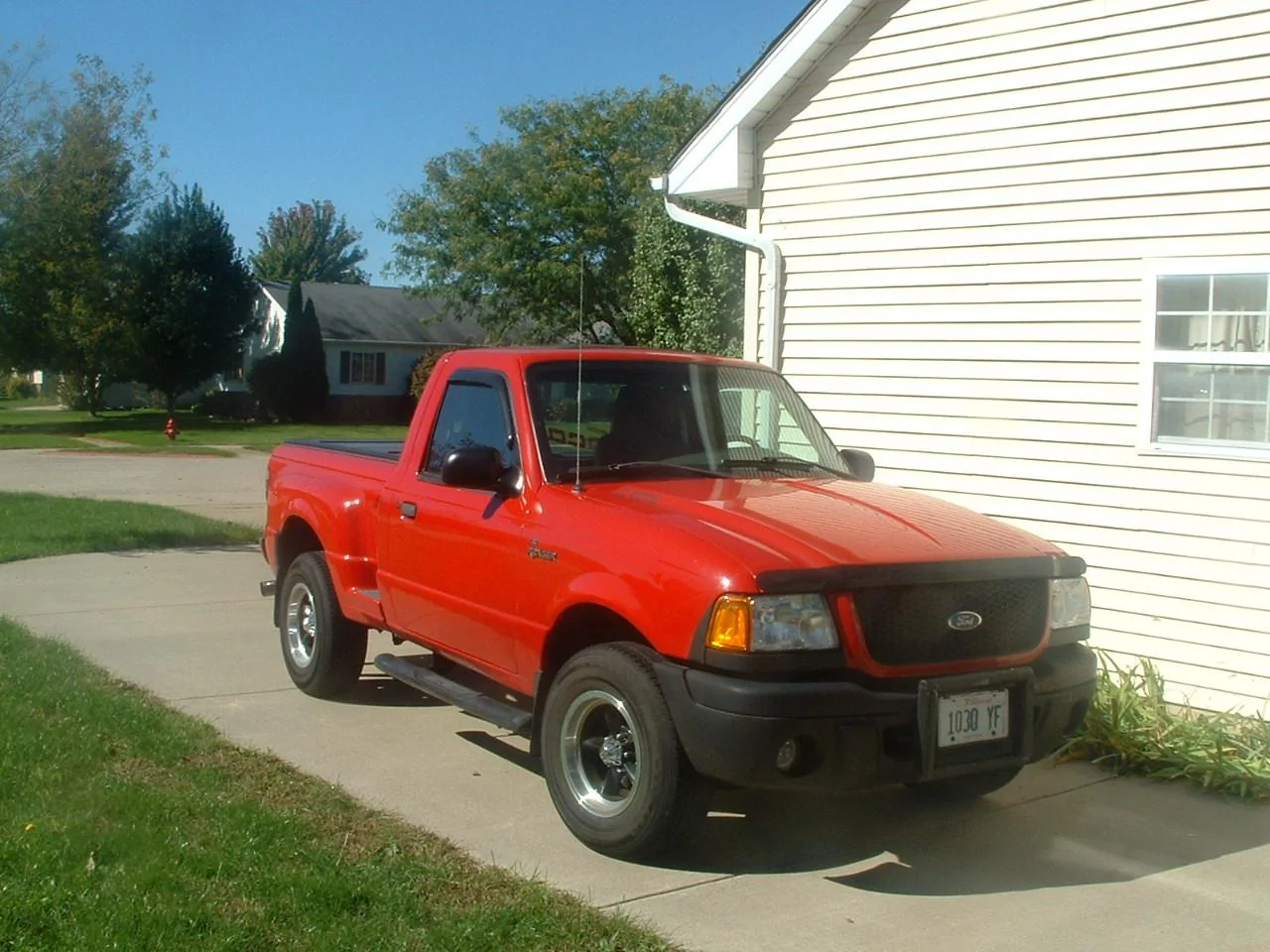
Well here it is.... Except for proper brake service...
( You'll just have to wait another 15 years to see my third Ranger which exceeds that record )

DSCF0001.JPG
 
Last edited:
OP
OP

F150stxguy

Well-Known Member
Joined
Apr 25, 2021
Threads
7
Messages
166
Reaction score
399
Location
Texas
Vehicle(s)
F150
Well here it is.... Except for proper brake service...
(You'll You'll just have to wait another 15 years to see my third Ranger which exceeds that record )

DSCF0001.JPG
My old man had two rangers as well, and an F-100 and each one was probably the peak of vehicle reliability.
 

Texasota

Well-Known Member
First Name
Al
Joined
Jan 27, 2019
Threads
1
Messages
1,035
Reaction score
3,497
Location
Rochester, MN
Vehicle(s)
2026 Ranger XLT, 2023 Escape PHEV
You are welcome of course to think that a catchcan is the be all end all of preventative maintenance. Maybe a "catchkeg" or a "catchbarrel" would do even better. :giggle:

At any rate, even if a catchcan were effective, there is no substitute for good maintenance and common sense driving habits which are sensitive to the vehicle in question.

If a cheap "catchcan" would solve the problem, why would Ford choose to double up with an expensive solution like a piggyback MPFI instead

??Perhaps a single injector in the throttle body or intake stream for cold starts and rich warmups would solve the problem better than a catchcan which theoretically addresses only a fraction of the supposed problem anyway. Or maybe it could be designed to only work @ WOT.??

In conclusion...
It is certain at any rate that the PCV is not the only source of intake valve contamination and the best you can hope for(with a catchcan) is a percentage of mitigation, simply putting off the inevitable. Good fuel, maintenance, and driving habits have proven to be effective for that purpose as well.
You have me confused with someone else. I don’t have a catchcan nor have I ever advocated for one. You won’t find a single post from me on this forum addressing catchcans.

Was my comment about dual injection systems incorrect? If so, why did Ford and other manufacturers add them?
 

Floyd

Well-Known Member
Joined
Jan 6, 2019
Threads
38
Messages
2,064
Reaction score
3,132
Location
illinois
Vehicle(s)
'19 Ranger SCab,'16 Connect,'95 MustangGT,'50 Ford
You have me confused with someone else. I don’t have a catchcan nor have I ever advocated for one. You won’t find a single post from me on this forum addressing catchcans.

Was my comment about dual injection systems incorrect? If so, why did Ford and other manufacturers add them?
I was responding to the primary point of your comment which I saw as referring to the effectiveness of top tier fuels in mitigating carbon build-up on the intake valves.
I did jump to the wrong conclusion by assuming you were advocating for Catch cans.
I will remove the quote from my post forthwith.


However...
My point on top tier fuel stands and the "you" reference in my post is now intended as a general term for those who have chosen catchcans as a cure for carbon.

Your comment on dual injection may have some merit, thus my comment about adding an intake injector.
Both your comment and mine about dual injection are presumptuous though and at best not comprehensive.
Even if entirely correct it still would not point to PCV as the primary culprit.
 
Last edited:

Superdannyboy

Well-Known Member
Joined
Jan 1, 2020
Threads
24
Messages
1,099
Reaction score
1,372
Location
75209
Vehicle(s)
2019 Ford Ranger XLT Sport Appearance Package
Anyhoo I use 93 shell nitro ...
This is all I have ever put in my truck since I drove it off the lot. One time I put bucees premium on a road trip, but I always use shell 93 nitro. It's a turbo'd I4 so I give it it's proper juice. I also let it cool down for a couple of minutes after sporty driving before shutting it off. And I always wait for the RPM's to drop before shifting it into gear.

I personally don't want to own the same vehicle for more than 4 years, so I will be upgrading in 3 years for a new daily, but this specific truck I want to keep and take to Baja and all over the Midwest with my kid on the way and when this turbo goes I'll put a bigger one and when the engine goes hopefully I can figure out how to put the ranger raptor engine in with the twin turbo setup. Or do some sort of a V6 Ecoboost conversion.

I'll post how many miles I got out of sporty driving and off-road track use.
 

Montana Ranger

Well-Known Member
First Name
John
Joined
Oct 19, 2019
Threads
2
Messages
302
Reaction score
910
Location
Missoula, MT
Vehicle(s)
2019 Ranger Lariat
Historically, I have kept my vehicles a long time (>10 years and >200,000 miles) so I would have preferred a more simple engine, especially considering that the primary mission for my Ranger would be towing April into October and I expect my vehicles to last. But the Ranger otherwise fit my mission unlike anything else on the market so I took a chance.

To date, we're a year-and-a-half in and at 17,000 miles (7,000 towing) with no issues. Yes, we do have a whiff of gas in the oil, but I also change oil at 5,000 mile intervals. It will be interesting to see where we are at in another 8 and a half years.
 

Tfcurranjr

Well-Known Member
First Name
Tom
Joined
Sep 4, 2020
Threads
3
Messages
79
Reaction score
188
Location
Gig Harbor WA
Vehicle(s)
2019 Ranger XLT
Occupation
Retired USAF pilot
Any known, wide spread problems with this engine? I’ve heard and read about the gas in oil, but not sure if it’s a small number of problems. And what causes it?

Is the 2.3 in the Ranger the same exact engine that’s in the Explorer and mustang?

Im just curious about the strength and durability of the block and if it’s capable of handling a life of towing in the Rangers?

I’m trying to find out as much information on the 2.3. From what I’ve read it’s a semi open block, and it’s basically the same as the 2.0 ecoboost, but the 2.0 ecoboost is closed block and is said to be more robust?

Also, why hasn’t Ford gone with dual injection with this engine, like every engine in the F150?

Any information is appreciated.
Every turbocharged direct injection 4-cylinder I've owned has had indications of some "gas in the oil" ....including a VW 2.0 TSI and Honda's 'infamous' CRV 1.5 liter.
 

HenryMac

Well-Known Member
First Name
John
Joined
Sep 14, 2019
Threads
66
Messages
2,783
Reaction score
5,360
Location
Colorado
Vehicle(s)
2019 SuperCab XL - FX4 - Magnetic - Rocksliders
Occupation
Mech. Engineer - Retired
Well here it is.... Except for proper brake service...
( You'll just have to wait another 15 years to see my third Ranger which exceeds that record )

DSCF0001.JPG
Perfect.. I love the look of this truck too.
 

Dunedain Ranger

Well-Known Member
First Name
Thomas
Joined
Jul 11, 2020
Threads
12
Messages
190
Reaction score
701
Location
Pensacola, Florida
Vehicle(s)
2020 Ford Ranger XL Super Cab - 2WD, 1995 Honda Accord EX Station Wagon
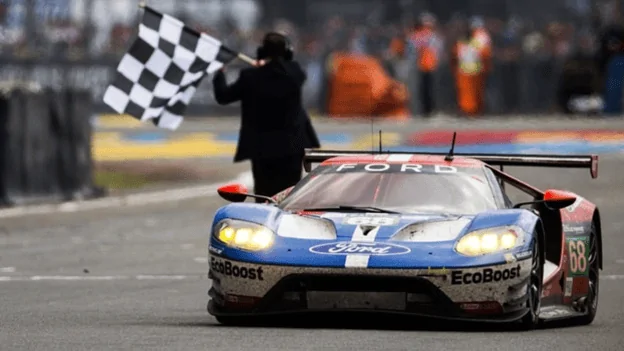
I'd like to think that some of the Ecoboost technology (and the lessons learned) used in these fine Ford race cars at the 2016 LeMans got passed down to our new breed of Rangers. Anything that can take a Ferrari... especially in a battle of not only speed but longevity. The 2.3L a solid engine - take care of it, and it will take care of you. I'm keeping my trusty Ranger until the wheels fall off.
-----------------------------
Ford Wins Le Mans! | Ford Media Center
LE MANS, France -- The No. 68 Ford GT of Sébastien Bourdais (FRA), Joey Hand (US) and Dirk Müller (GER) crossed the finish line at Le Mans at three o’clock on Sunday, as the overall GT winner of the 2016 Le Mans 24 Hours. The No. 69 Ford GT of Ryan Briscoe (AUS), Scott Dixon (NZ) and Richard Westbrook (GB) joined the winners on the podium after scoring third place. The Nos. 66 and 67 Ford GTs finished in fourth and ninth places, respectively.
1620072406087.webp
Sponsored


Top