Trash Panda
Well-Known Member
- Thread starter
- #1
Greetings All,
Dropping another one of my write-ups on the infamous bucking/surging epidemic our Rangers seem to have.
Check out the "Bucking/Surging Epidemic" thread started by @Tim Vogt Sr. for every piece of information you could want.
https://www.ranger5g.com/forum/threads/bucking-surging-epidemic.14581/
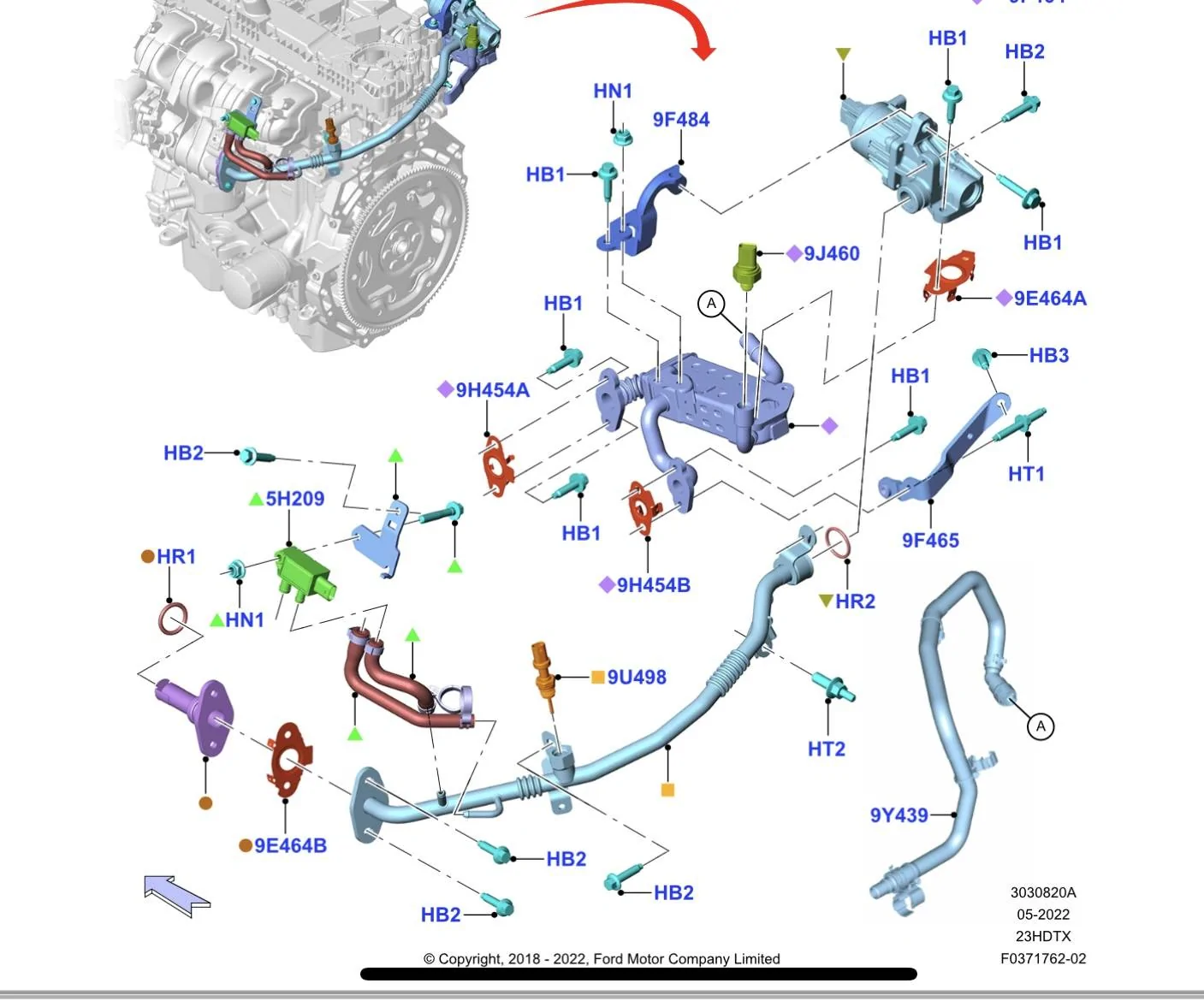
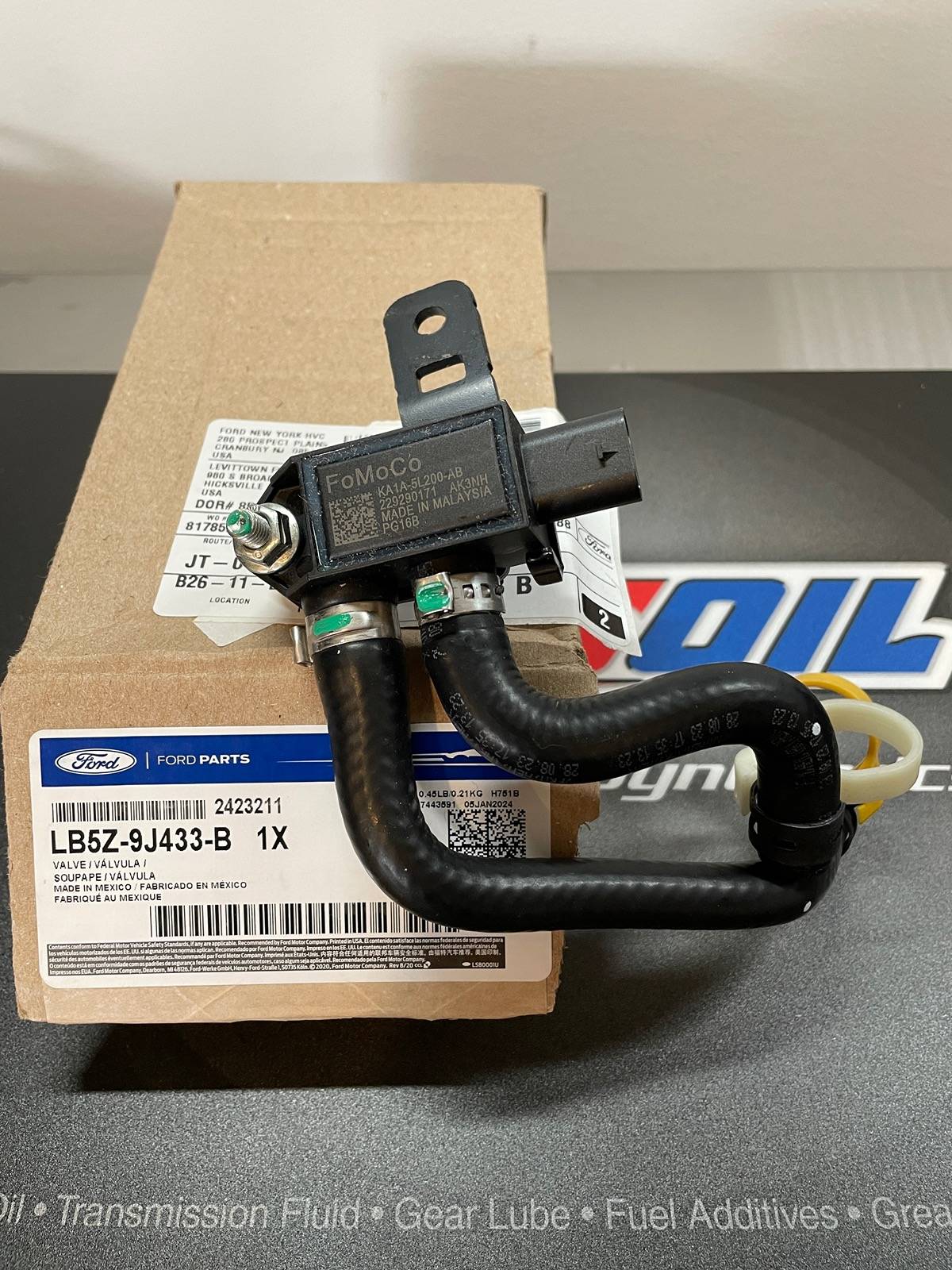
There are two ways to do this job, simply the replacing the DPFE Sensor itself (Ford KA1Z-5L200-A or KA1A-5L200-AB) or the entire assembly (Ford LB5Z-9J433-B). This write-up is geared towards replacing the entire assembly.
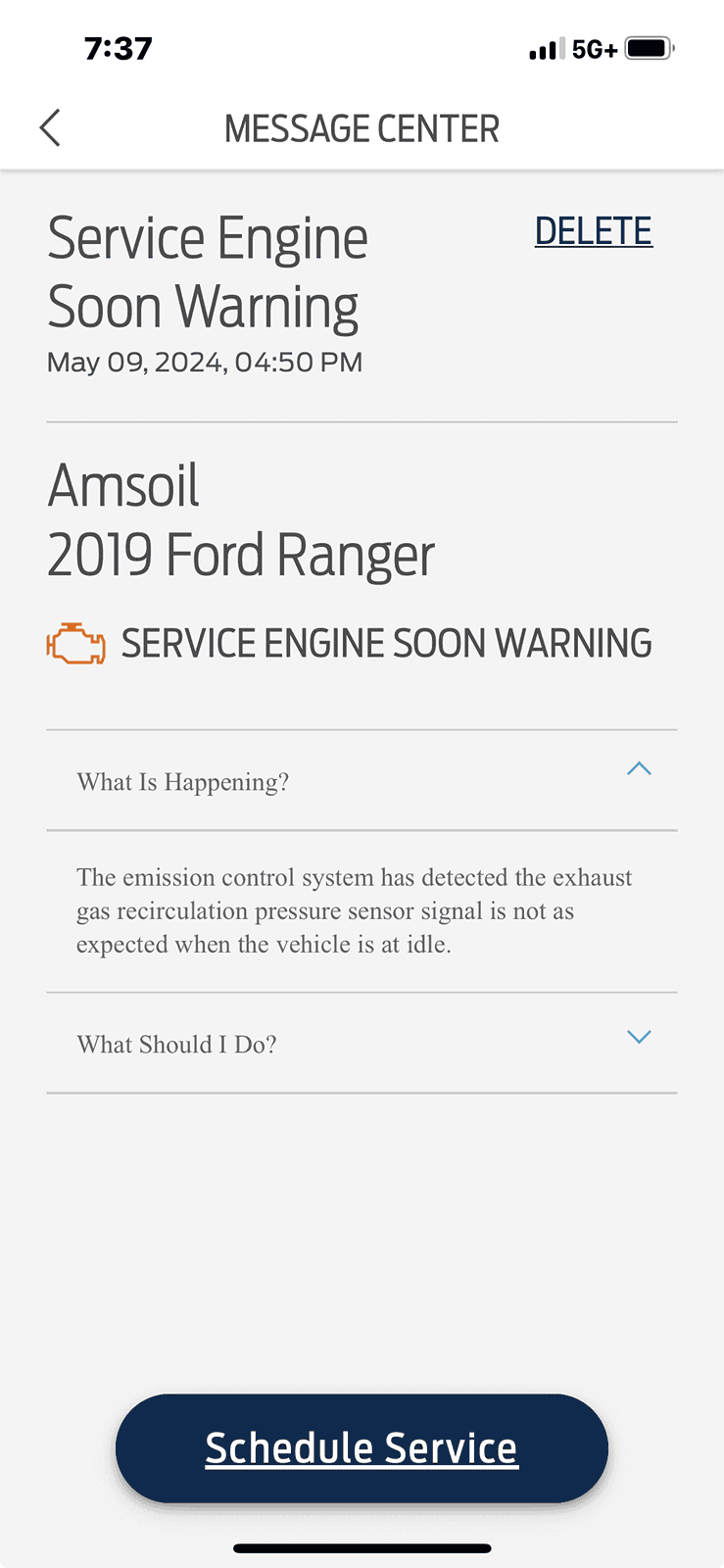
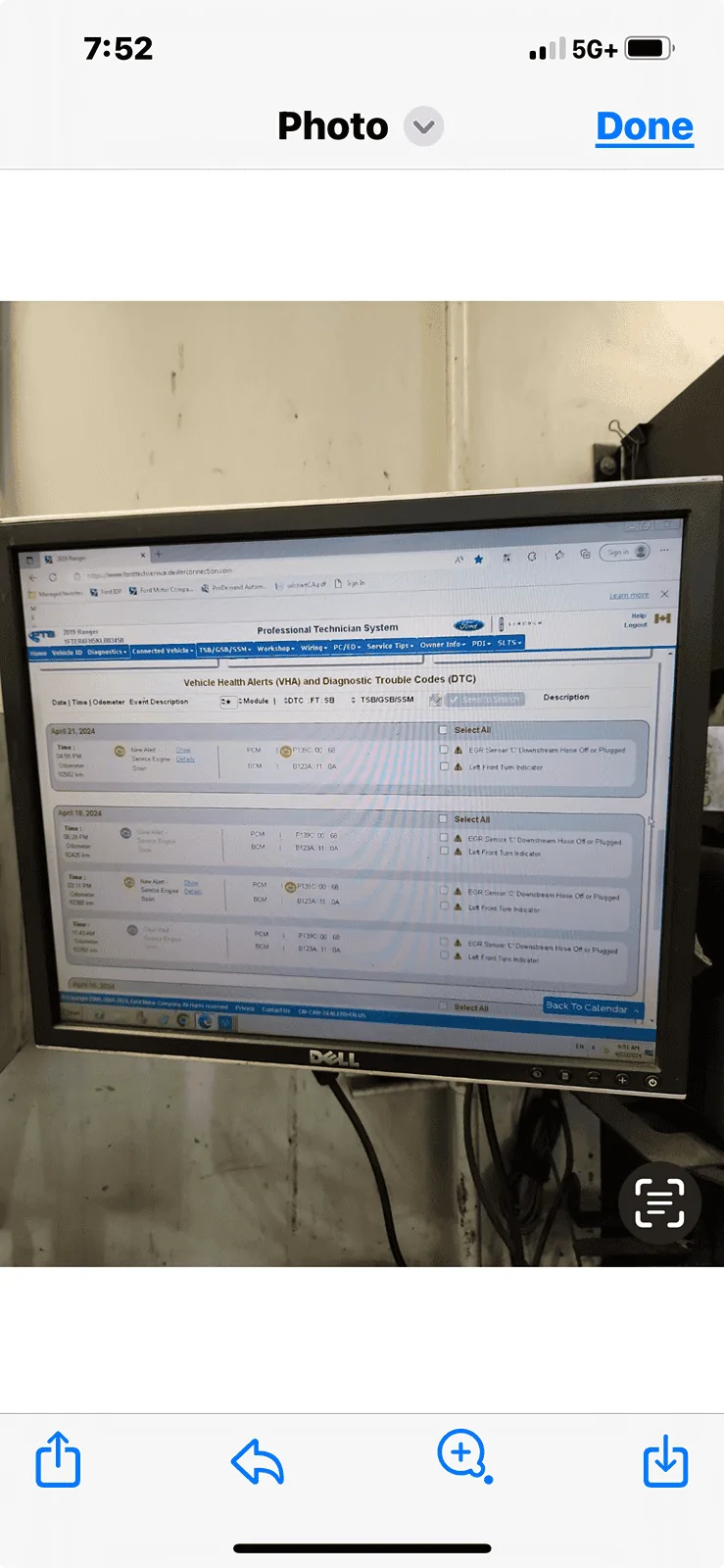
My symptoms were prevalent in the low RPM and low speed range. I drive like a peepaw and slowly pulling out of my driveway I would get a "misfire" feeling but no check engine light. I did my plugs last week so an actual misfire would be highly unlikely so my next step was the DPFE sensor. The transmission would search for gears at low RPMs and sometimes it would feel like driving a manual in too high of a gear through my neighborhood.
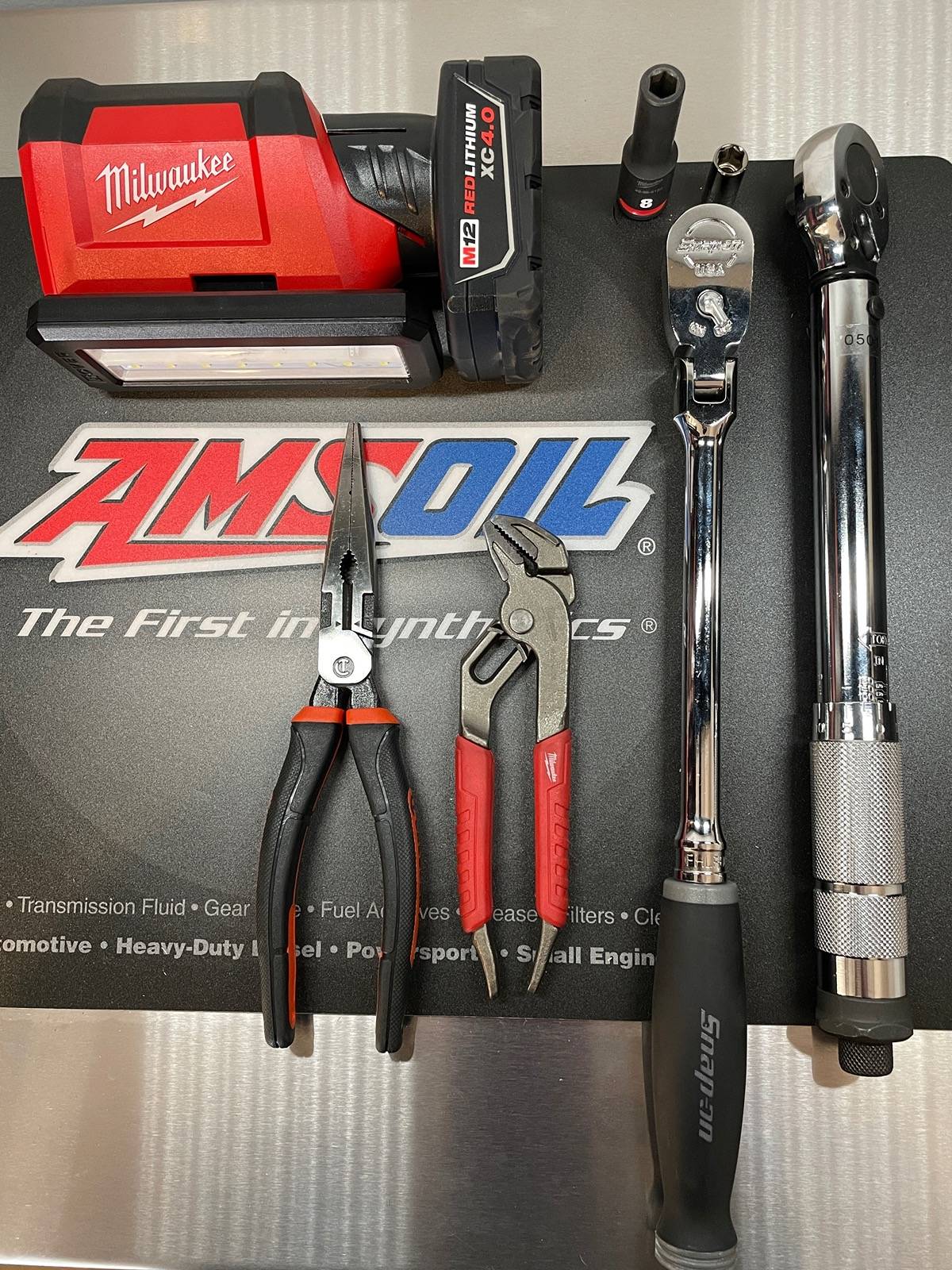
Supplies Needed :
-DPFE Sensor Assembly (Ford LB5Z-9J433-B) ($97 on @LevittownFordParts.com)
-3/8" or 1/4" Ratchet
-8mm shallow and deep sockets
-1.5" extension (if desired)
-Torque Wrench set to 97 in.lbs
-Needle Nose Pliers
-Straight-Jaw Pliers (I used my Milwaukee 6" 48-22-6306 pliers)
-LIGHT (Headlamp, Milwaukee Rover, etc)
-Work Platform or Step Ladder

Step One :
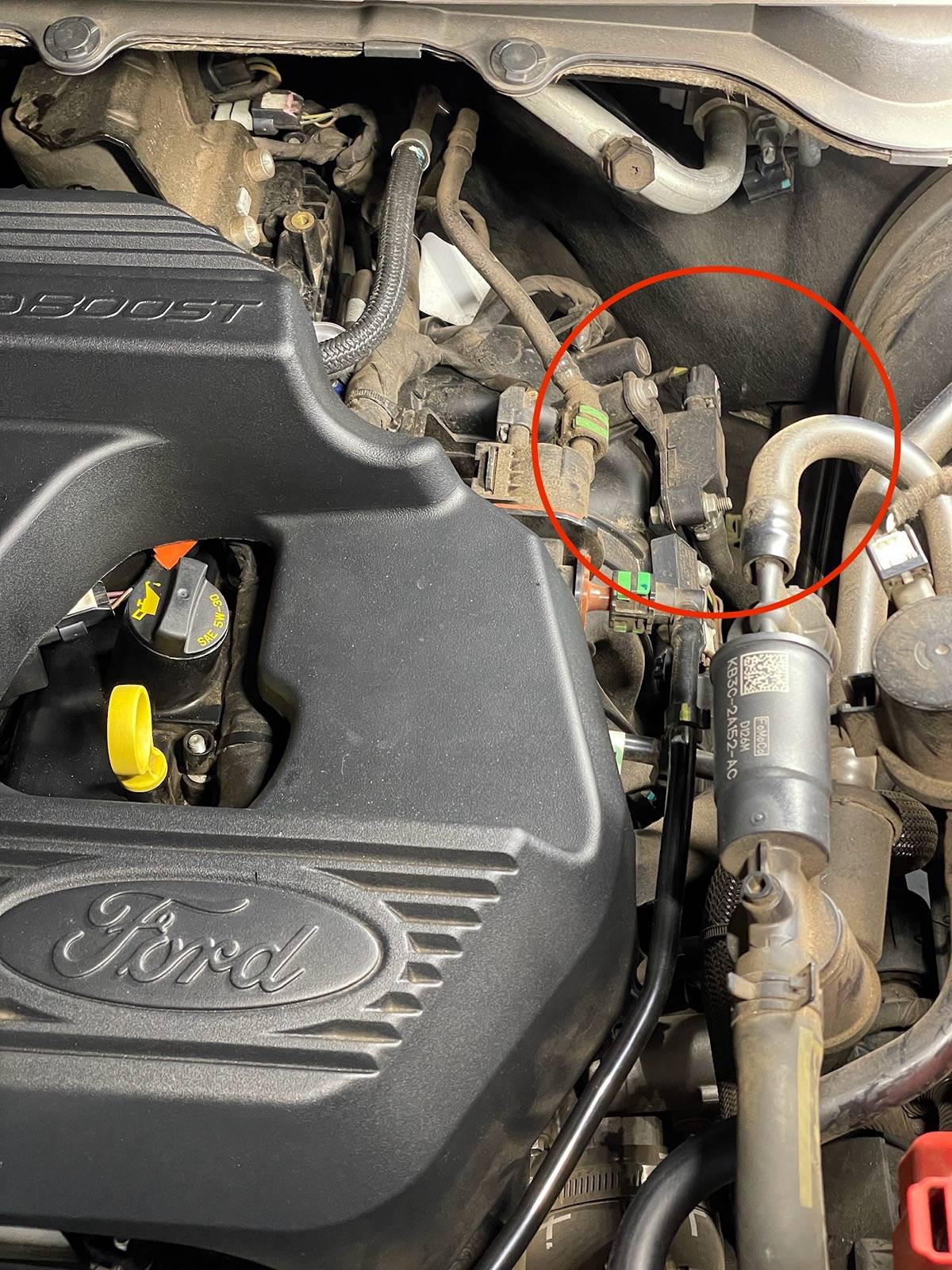
Pop the hood and locate the DPFE sensor. It is located near the back side of the engine on the driver's side of your Ranger near the brake booster.
STEP TWO : (*You could swap this with Step Three if desired)
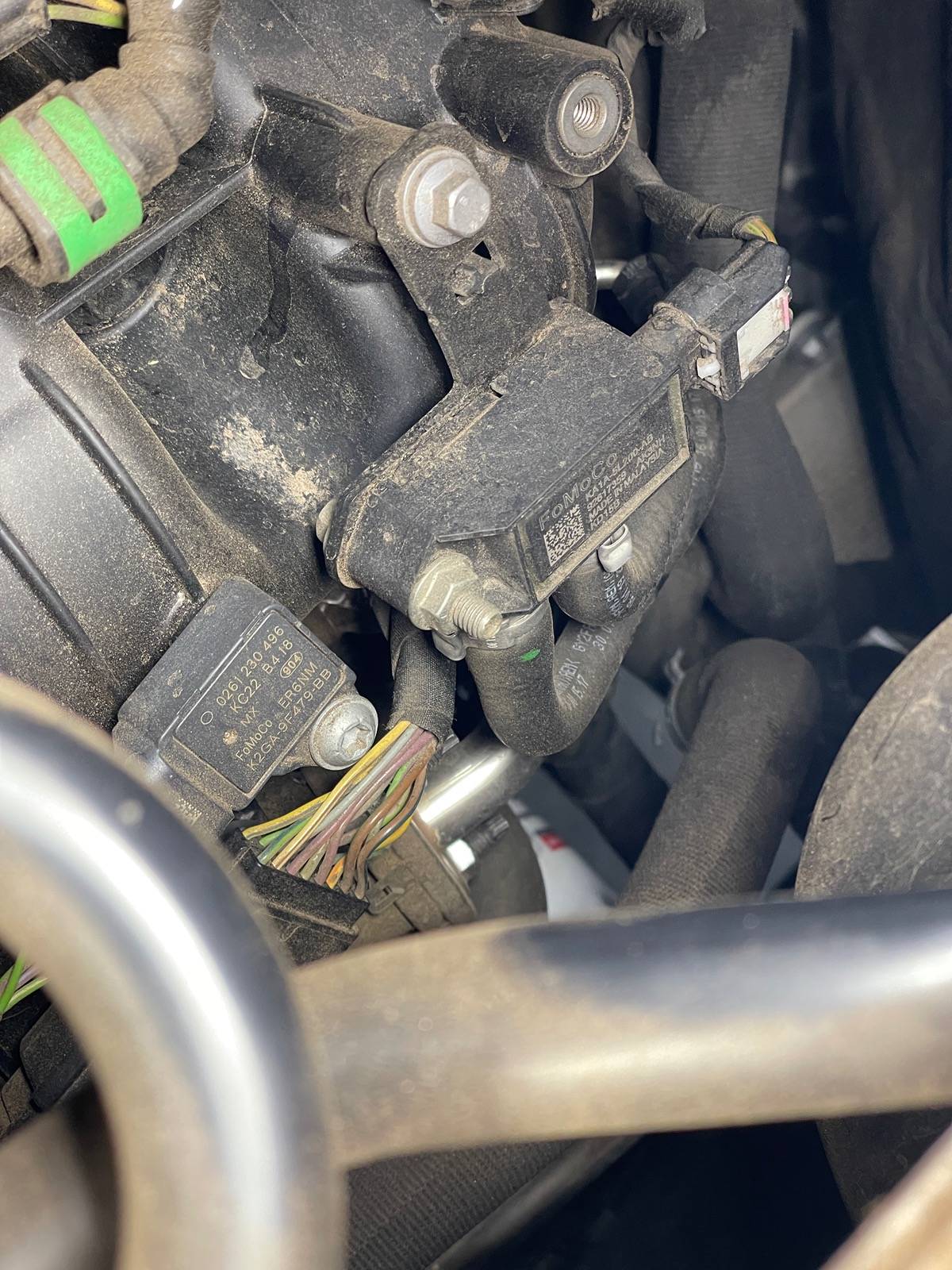
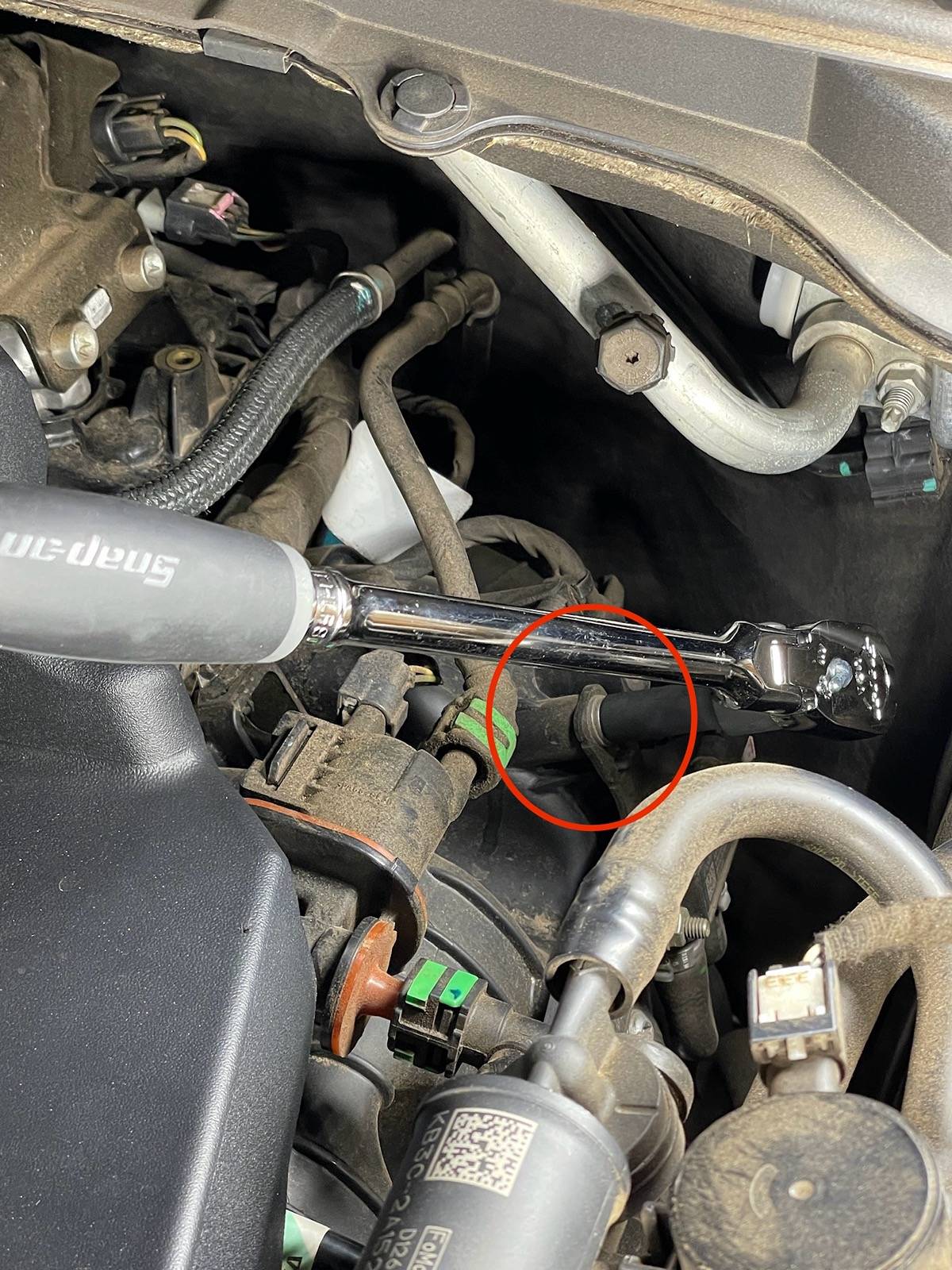
Use your Ratchet and 8mm socket to loosen the single mounting bolt on the top. A deep socket is perfect for this without the brake booster being in the way.
Once you loosen the 8mm bolt, you can easily unthread it all the way using your fingertips to reduce the chances of dropping a socket or the bolt in to the engine bay.
*NOTE there is a washer with the 8mm bolt so be sure to not drop it.
STEP THREE : (*You could swap this with Step Two if desired)
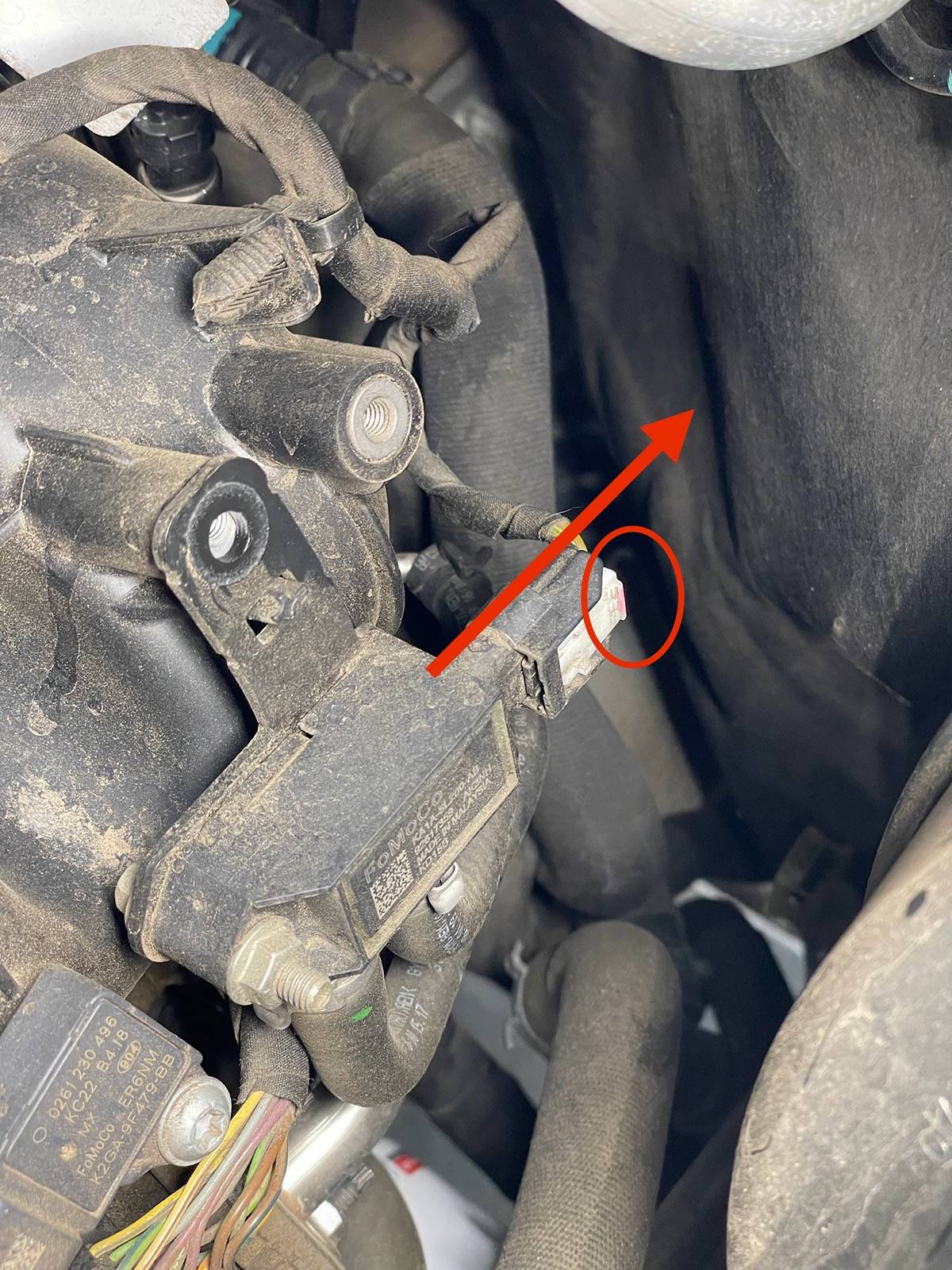
Remove the connector from the DPFE sensor. If you read my Spark Plug write up, the connector works just like the coil pack connectors. Use your fingernail to slide the locking tab out (circled) and wiggle the connector off.
You can hang the connector out of the way on the metal line in the top right of the photo below to prevent damage.
STEP FOUR :
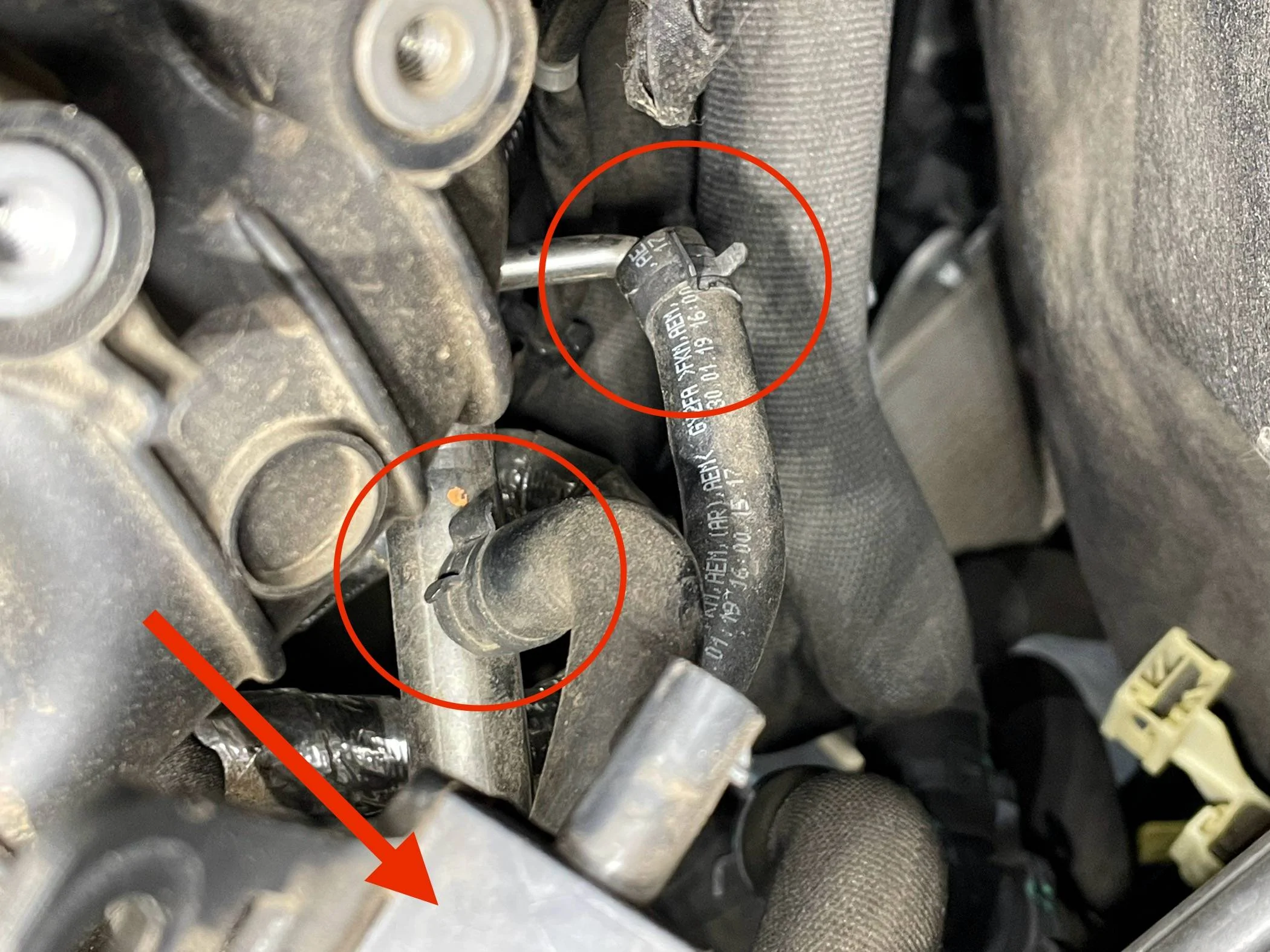
With the DPFE sensor unbolted and unplugged you can pull it out of the way to give you room to access the spring clamps on the hoses. This is where having a light is necessary. Take note of how the spring clamps are oriented. Mine were both facing relatively face-up. Removing the clamps is the most difficult part of the job so just stay calm and take it slow. I started with the shorter hose first to give me more leverage on the longer hose.

STEP FIVE :
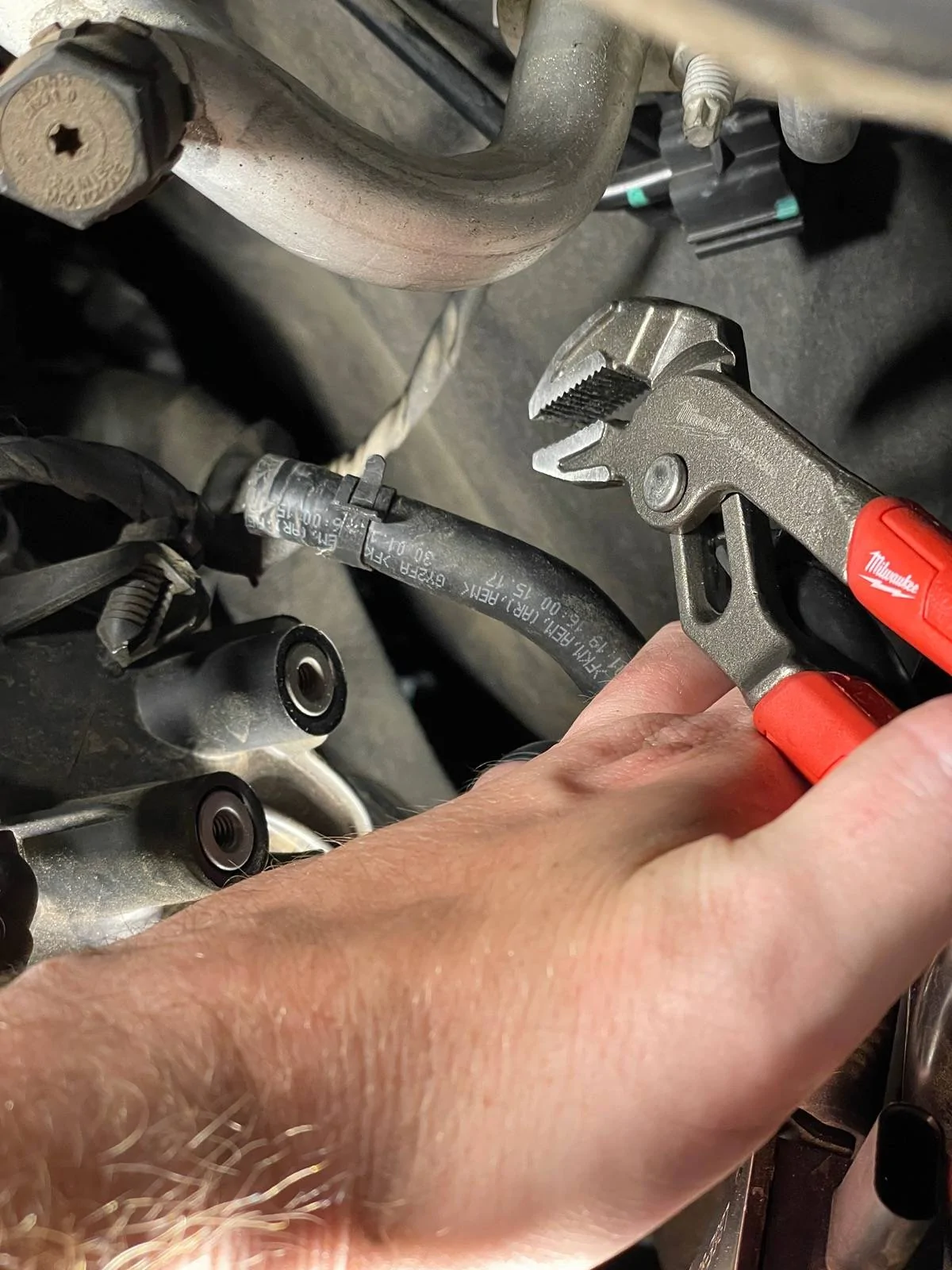
Start with the smaller hose (closest to you) and go straight down with a pair of needle nose pliers (longer ones seemed to work better). When I pinched the spring clamp and pulled up the hose came right off. I did not have to fight it at all. Once the hose is off you can also place it to the side or out of the way to give you the most access to the long hose.
STEP SIX :
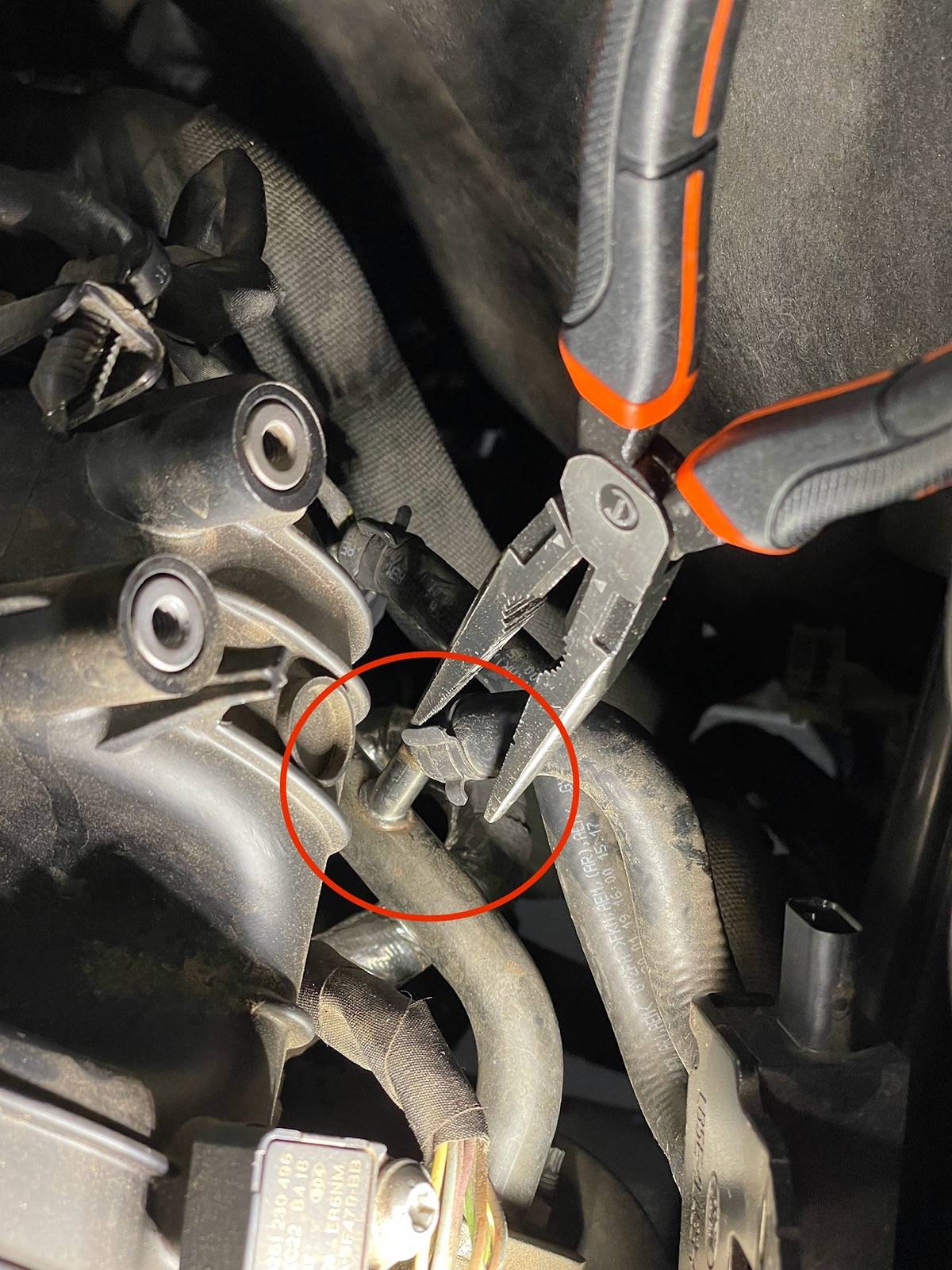
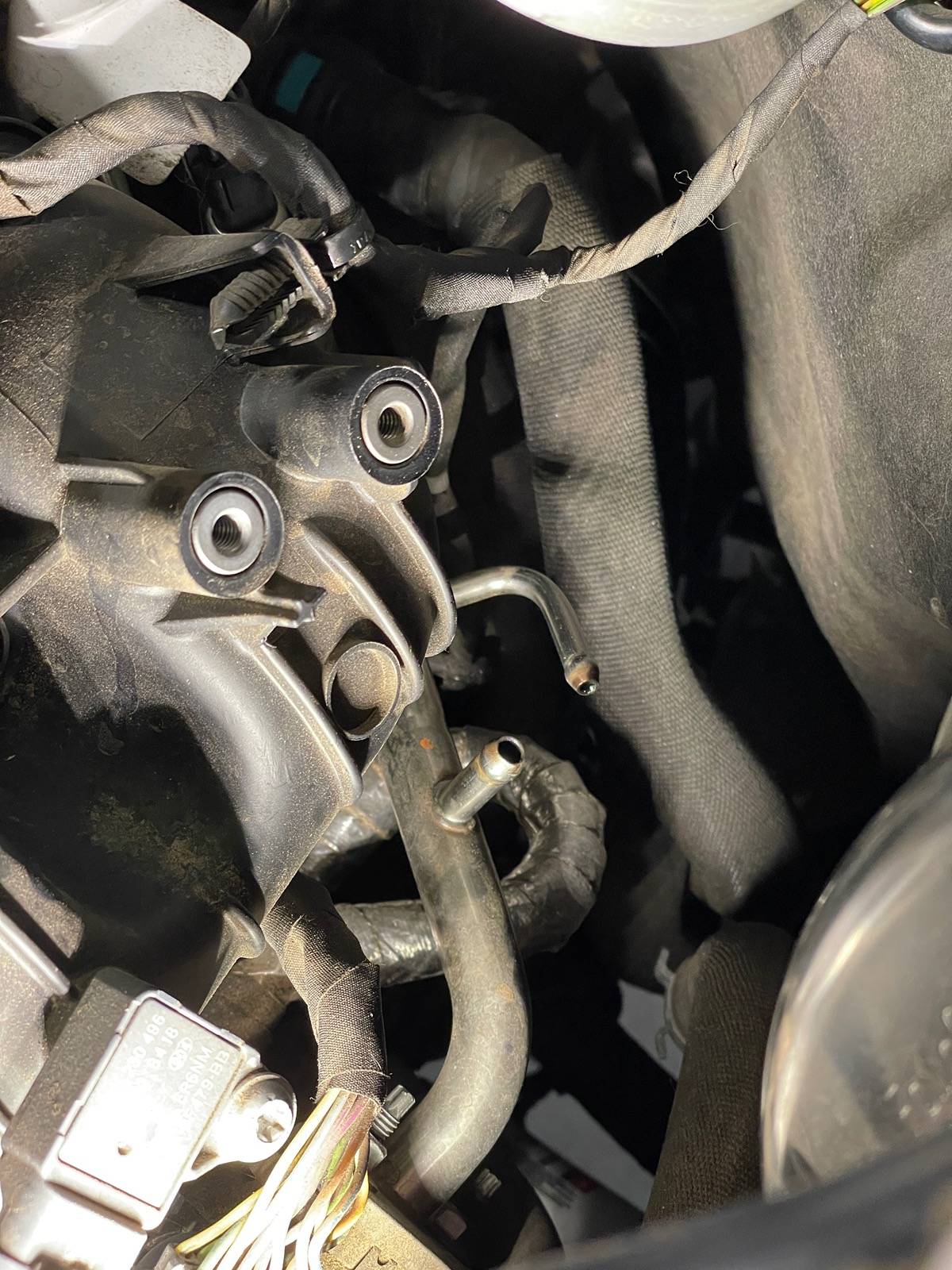
Remove the spring clamp on the longer hose (furthest from you). What worked for me was compressing the spring clamp, pliers in my right hand and pulling the hose horizontally to the right with my left hand. The DPFE sensor is now fully removed.
STEP SEVEN :
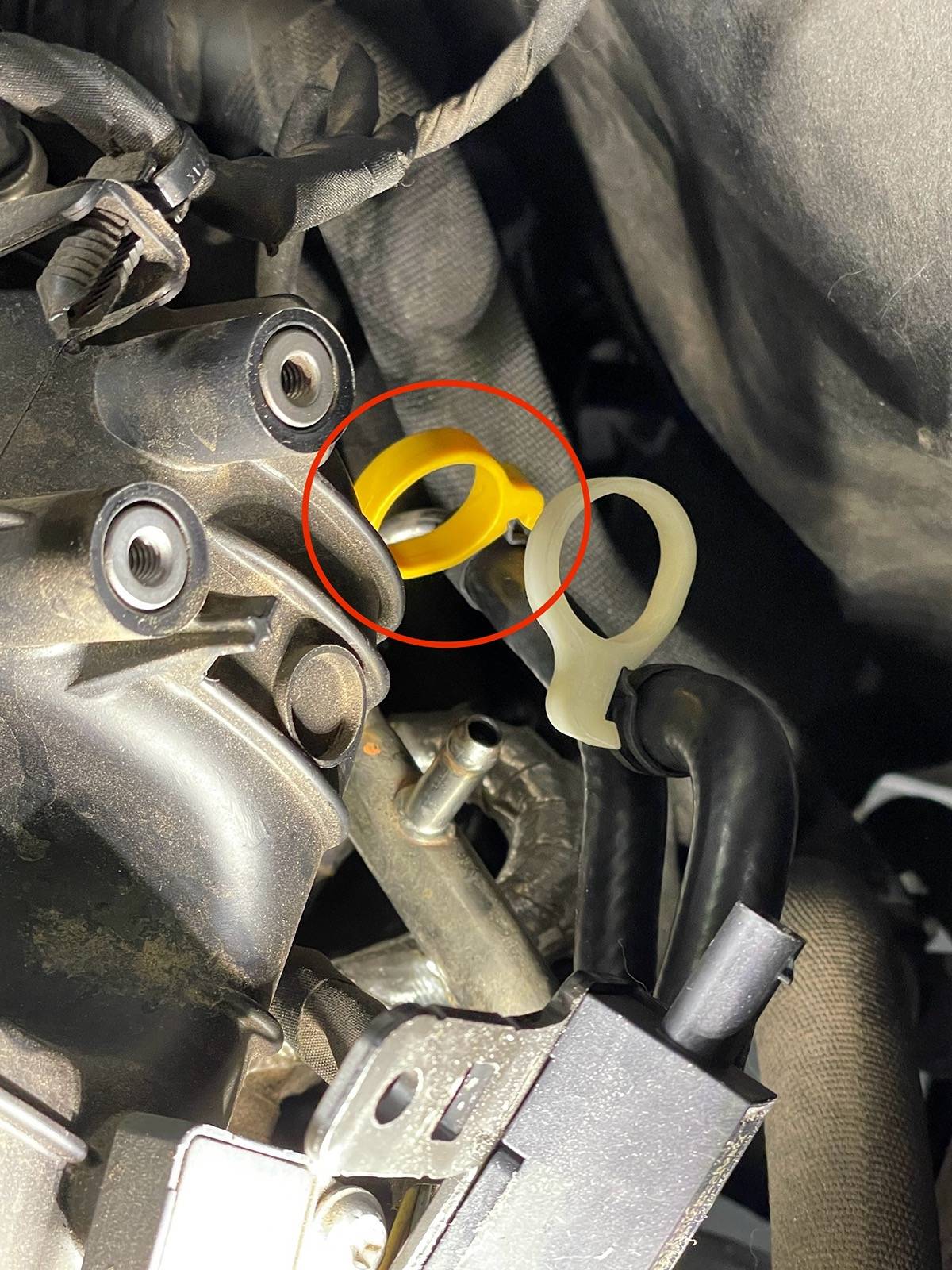
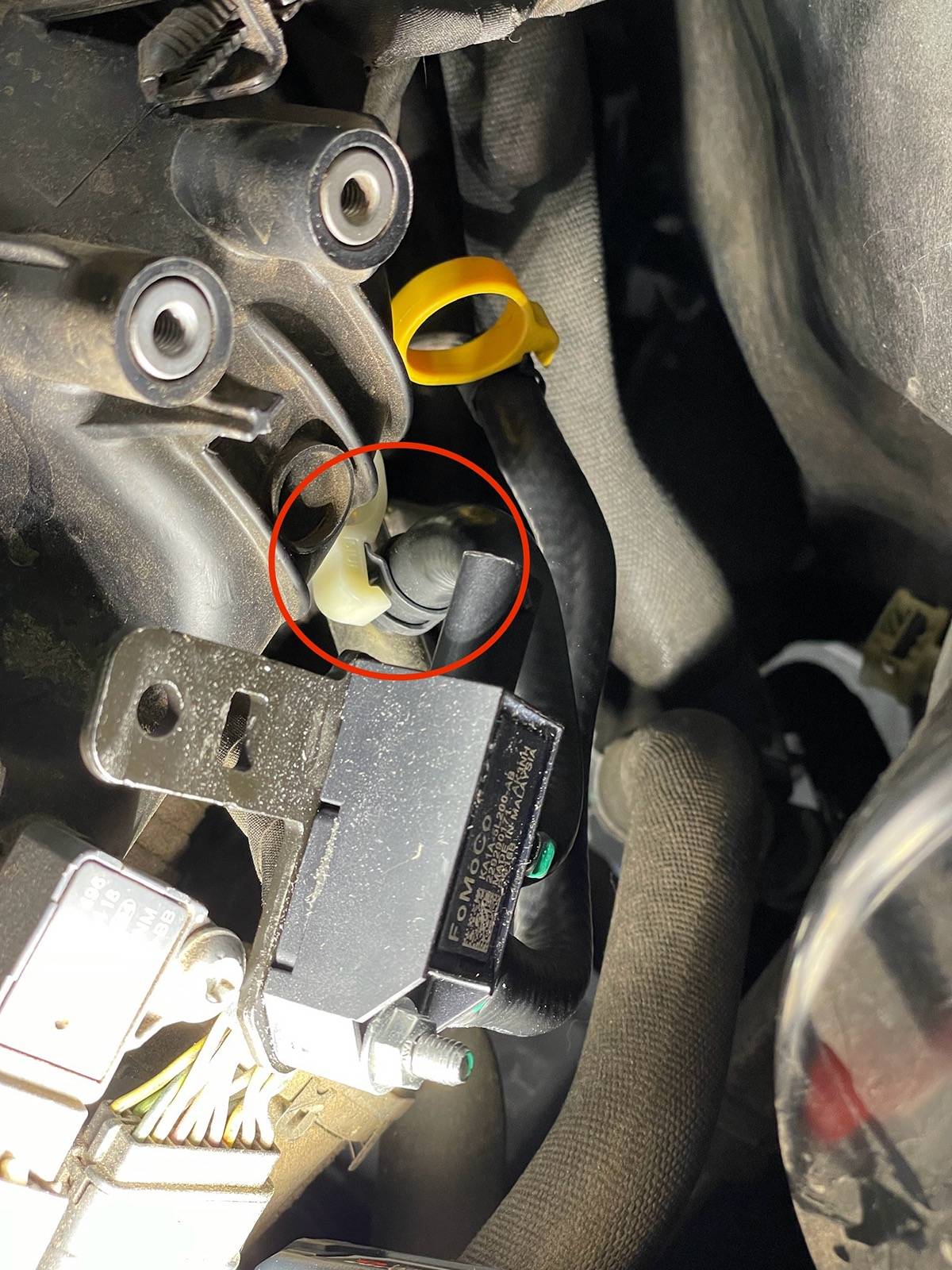
Reverse what you just did in Steps FIVE & SIX and take the new DPFE sensor and slide the long hose(Furthest from you) (yellow clip) on first and the short hose (closest to you) (white clip) on next.
Align the spring clamps facing upward as much as possible to make the job easier the next time you have to potentially perform it.
When the hoses are pushed on as far as possible twist the yellow and white clips clockwise to remove and engage the spring clamps.
STEP EIGHT :
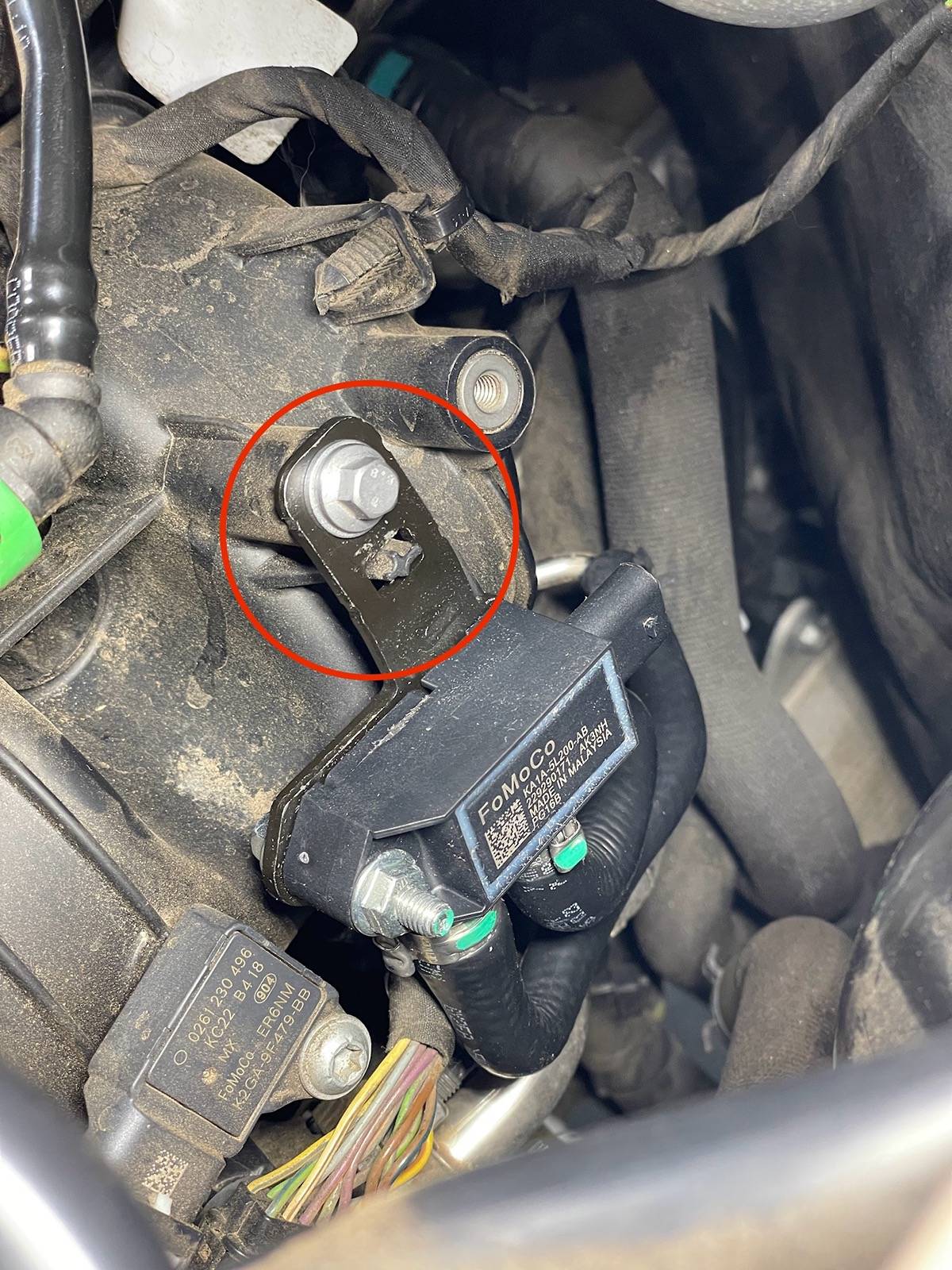
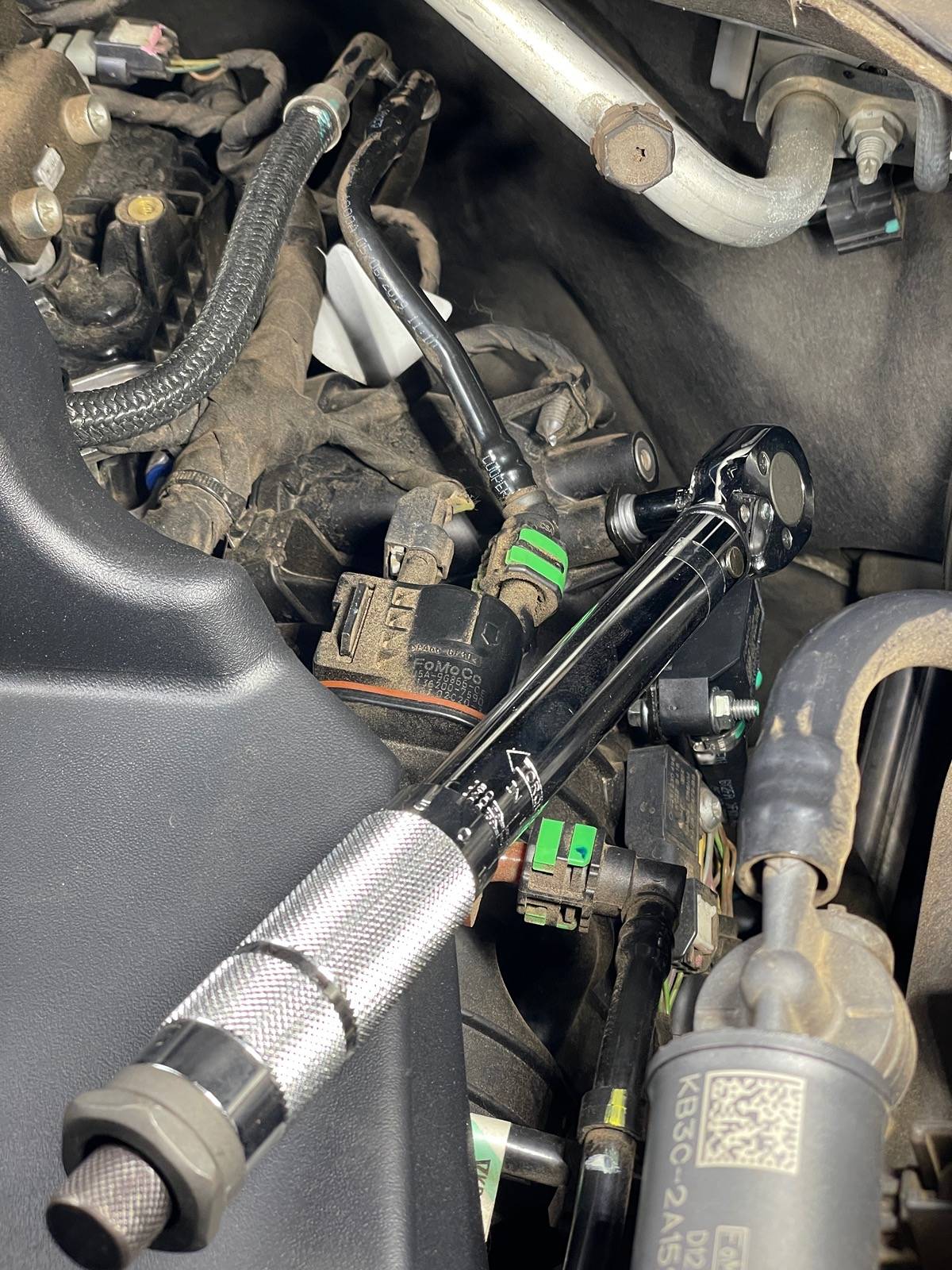
Re-mount your new DPFE sensor using the guide pin and hand thread the 8mm bolt until snug to prevent cross threading. Take your torque wrench set to 97 in.lbs and torque the 8mm bolt. (It takes no effort at all and should click in a second or two)
STEP NINE :
Reconnect the DPFE connector. Slide the connector on until you hear a "click" and use your finger to engage the white locking tab by pushing it from the back towards you.
Crank your Ranger to see if a check engine light or any error message appears. Take a test drive around the neighborhood to see if there is an improvement in the surging/bucking in a low gear. I noticed an instant improvement on my Ranger and it drives like a brand new truck. Time will tell how long the replacement lasts.
That's it! Grab a cold one and enjoy a job well done!

Yet again it took me longer to write this write-up / take pictures than the actual job did. I would say it is a 30 - 45 minute job as long as you do not lose a socket or bolt in the engine bay.
Dropping another one of my write-ups on the infamous bucking/surging epidemic our Rangers seem to have.
Check out the "Bucking/Surging Epidemic" thread started by @Tim Vogt Sr. for every piece of information you could want.
https://www.ranger5g.com/forum/threads/bucking-surging-epidemic.14581/
There are two ways to do this job, simply the replacing the DPFE Sensor itself (Ford KA1Z-5L200-A or KA1A-5L200-AB) or the entire assembly (Ford LB5Z-9J433-B). This write-up is geared towards replacing the entire assembly.
My symptoms were prevalent in the low RPM and low speed range. I drive like a peepaw and slowly pulling out of my driveway I would get a "misfire" feeling but no check engine light. I did my plugs last week so an actual misfire would be highly unlikely so my next step was the DPFE sensor. The transmission would search for gears at low RPMs and sometimes it would feel like driving a manual in too high of a gear through my neighborhood.
Supplies Needed :
-DPFE Sensor Assembly (Ford LB5Z-9J433-B) ($97 on @LevittownFordParts.com)
-3/8" or 1/4" Ratchet
-8mm shallow and deep sockets
-1.5" extension (if desired)
-Torque Wrench set to 97 in.lbs
-Needle Nose Pliers
-Straight-Jaw Pliers (I used my Milwaukee 6" 48-22-6306 pliers)
-LIGHT (Headlamp, Milwaukee Rover, etc)
-Work Platform or Step Ladder
Step One :
Pop the hood and locate the DPFE sensor. It is located near the back side of the engine on the driver's side of your Ranger near the brake booster.
STEP TWO : (*You could swap this with Step Three if desired)
Use your Ratchet and 8mm socket to loosen the single mounting bolt on the top. A deep socket is perfect for this without the brake booster being in the way.
Once you loosen the 8mm bolt, you can easily unthread it all the way using your fingertips to reduce the chances of dropping a socket or the bolt in to the engine bay.
*NOTE there is a washer with the 8mm bolt so be sure to not drop it.
STEP THREE : (*You could swap this with Step Two if desired)
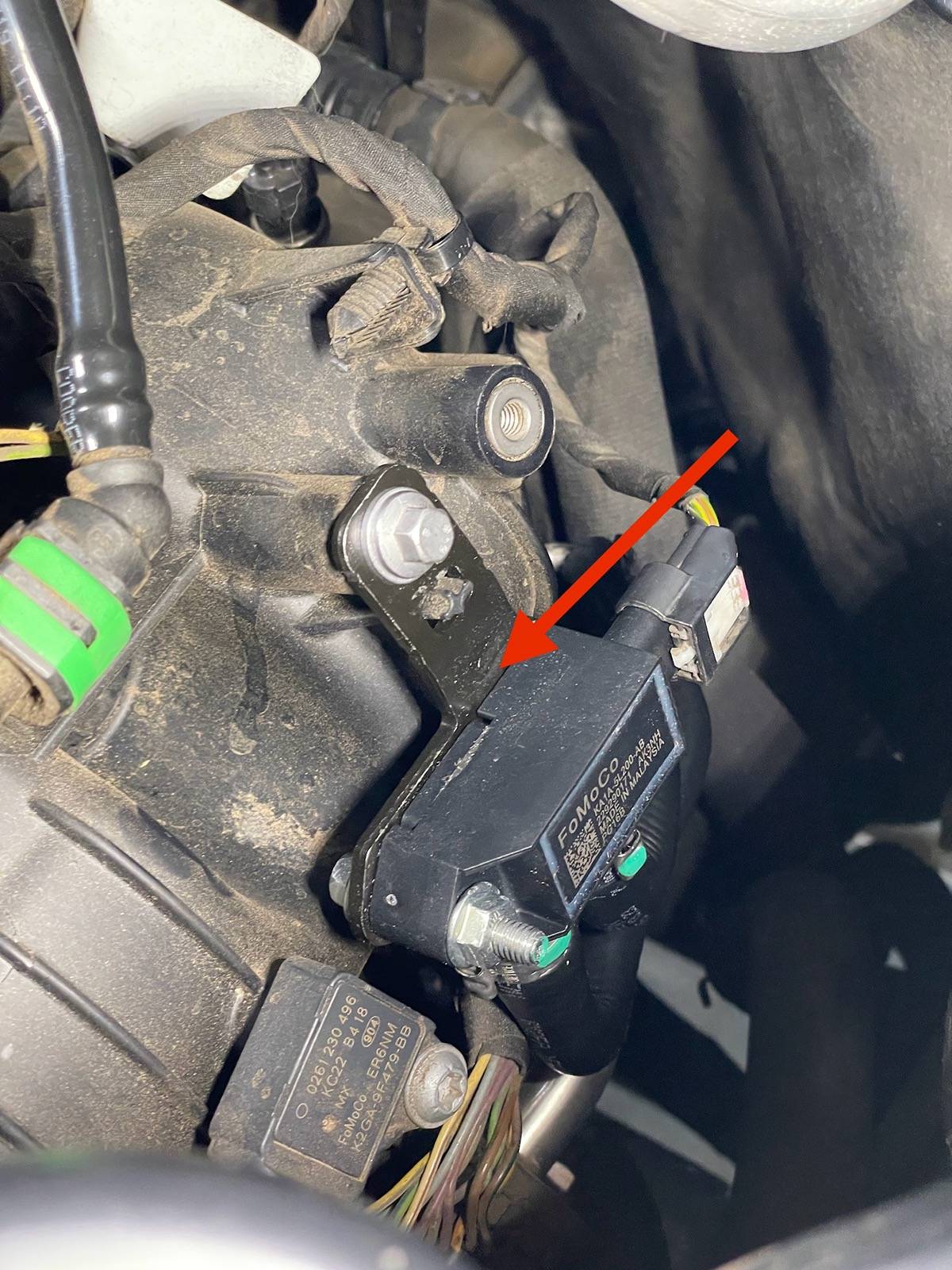
Remove the connector from the DPFE sensor. If you read my Spark Plug write up, the connector works just like the coil pack connectors. Use your fingernail to slide the locking tab out (circled) and wiggle the connector off.
You can hang the connector out of the way on the metal line in the top right of the photo below to prevent damage.
STEP FOUR :
With the DPFE sensor unbolted and unplugged you can pull it out of the way to give you room to access the spring clamps on the hoses. This is where having a light is necessary. Take note of how the spring clamps are oriented. Mine were both facing relatively face-up. Removing the clamps is the most difficult part of the job so just stay calm and take it slow. I started with the shorter hose first to give me more leverage on the longer hose.
STEP FIVE :
Start with the smaller hose (closest to you) and go straight down with a pair of needle nose pliers (longer ones seemed to work better). When I pinched the spring clamp and pulled up the hose came right off. I did not have to fight it at all. Once the hose is off you can also place it to the side or out of the way to give you the most access to the long hose.
STEP SIX :
Remove the spring clamp on the longer hose (furthest from you). What worked for me was compressing the spring clamp, pliers in my right hand and pulling the hose horizontally to the right with my left hand. The DPFE sensor is now fully removed.
STEP SEVEN :
Reverse what you just did in Steps FIVE & SIX and take the new DPFE sensor and slide the long hose(Furthest from you) (yellow clip) on first and the short hose (closest to you) (white clip) on next.
Align the spring clamps facing upward as much as possible to make the job easier the next time you have to potentially perform it.
When the hoses are pushed on as far as possible twist the yellow and white clips clockwise to remove and engage the spring clamps.
STEP EIGHT :
Re-mount your new DPFE sensor using the guide pin and hand thread the 8mm bolt until snug to prevent cross threading. Take your torque wrench set to 97 in.lbs and torque the 8mm bolt. (It takes no effort at all and should click in a second or two)
STEP NINE :
Reconnect the DPFE connector. Slide the connector on until you hear a "click" and use your finger to engage the white locking tab by pushing it from the back towards you.
Crank your Ranger to see if a check engine light or any error message appears. Take a test drive around the neighborhood to see if there is an improvement in the surging/bucking in a low gear. I noticed an instant improvement on my Ranger and it drives like a brand new truck. Time will tell how long the replacement lasts.
That's it! Grab a cold one and enjoy a job well done!
Yet again it took me longer to write this write-up / take pictures than the actual job did. I would say it is a 30 - 45 minute job as long as you do not lose a socket or bolt in the engine bay.
Sponsored
Last edited: