
Sponsored

2019 ranger lariat Fuel sensor has gone out. It shows i have no gas all the time. Is this a easy fix?

airline tech

Well-Known Member
Joined
Aug 24, 2022
Threads
28
Messages
4,447
Reaction score
8,496
Location
Midwest - KS
Vehicle(s)
2022 Ranger Lariat-Super Crew, Cactus Gray
Occupation
Aircraft Tech
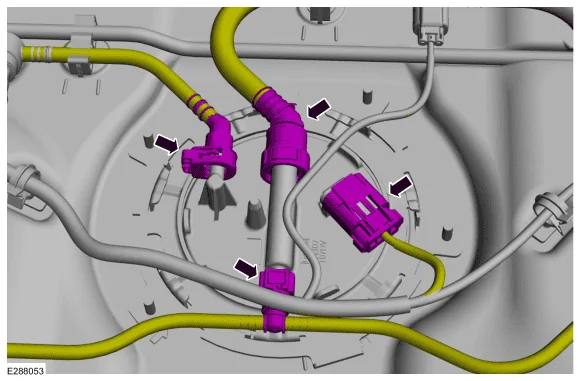
It is not necessary to disconnect this connector for Tank Removal, as the Lines and Harness run across the top of the tank - Removed as an assembly

C4430 (Pump Connector)

1720137911150-2d.png


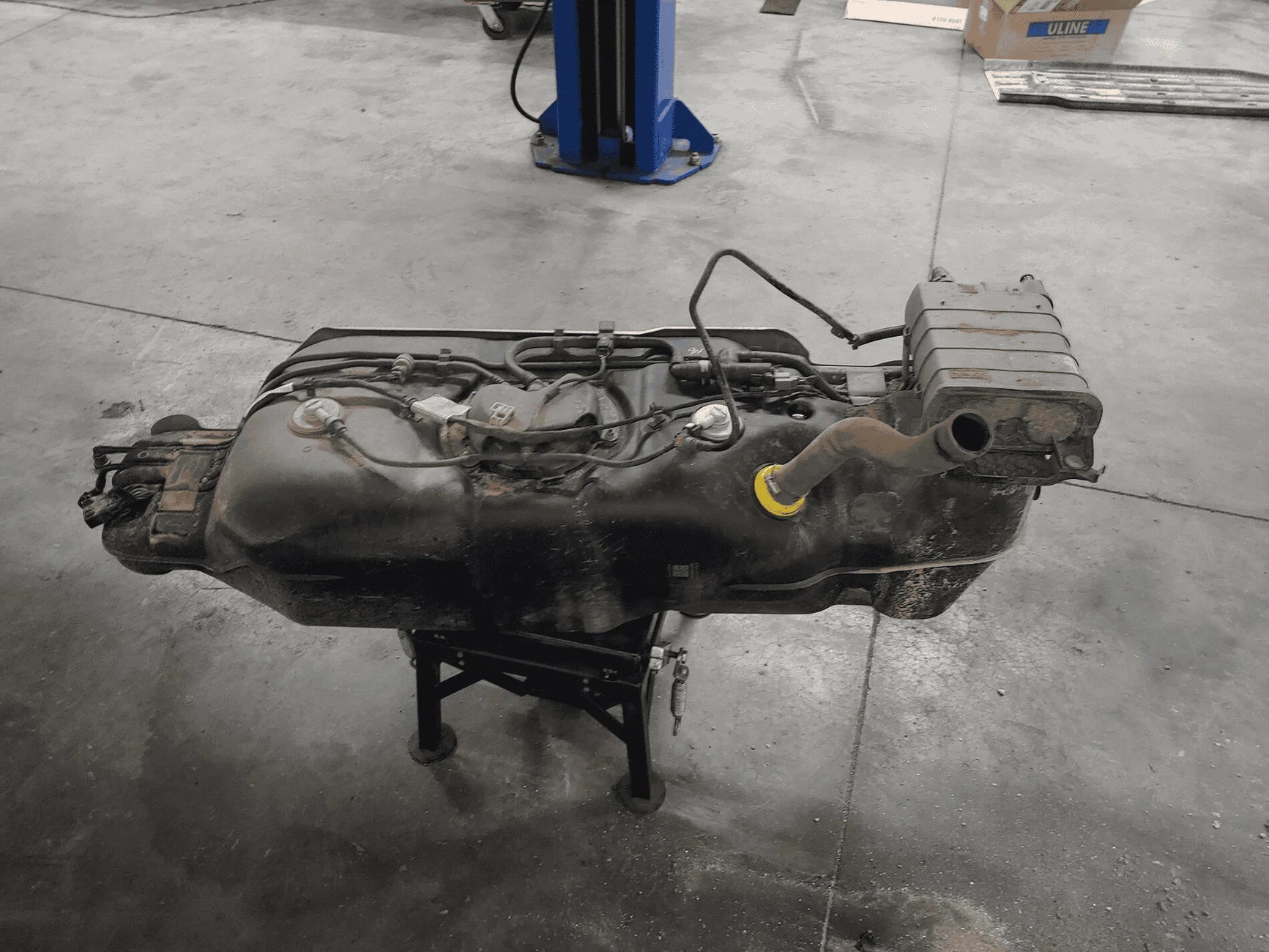
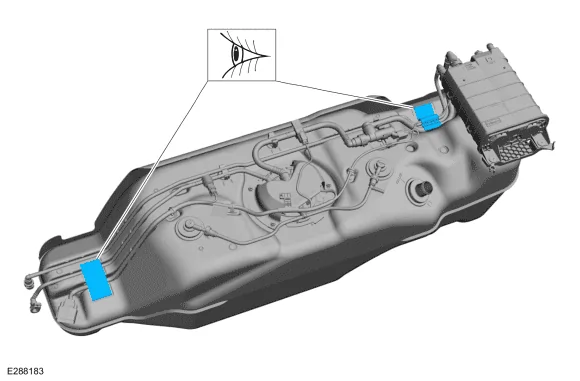
When you drop the tank, this is a top view of what you will see, note how Ford did something right and give us QD's in another location - instead of only at the very top of the tank, where it is very easy to break a connection when trying to lower the tank (Just Enough) to (SQUEEZE) your hand up there to disconnect being very careful not to drop the tank too far (breaking the connection)
1720138987004-s0.png


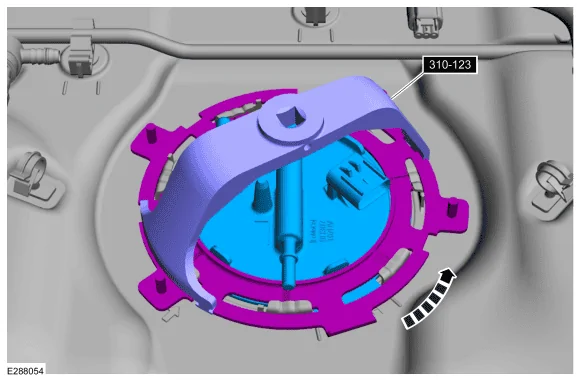
It does call out for the Tool (to clock out the pump) but every fuel pump I have changed (it is not required) I was able to R&R without it, although the tool will make it easier. (If I recall correctly, I have replaced a dozen or so over the years- various makes)
The trick is - remove any and all corrosion / dirt build up at the Locking Ring mating surface, use a blow gun to clean the area and then spray with some penetrating oil. That build up is what creates a fight.
You want to do this anyway, so you are minimizing the debris that will fall into the tank.

Installing them helps to have a helper - pushing down on the pump (compress the O-Ring) down enough to get the Locking Ring low enough to engage the locking tabs (while turning CW) as this will be a (NEW) O-Ring
You are also fighting the Spring Tension of the Lower Pump Housing (Pressing against the bottom of the tank)

Removal (CCW)
1720138758582-zo.png


If you decide to replace the pump assembly:
I will also suggest not trying to save money on a Pump Assembly, do not be tempted to go aftermarket (if you do) there is a HIGH Probability you will be dropping the tank again in under a year.
There is a REASON that the pumps have a (1 Year) Warranty, if you are lucky, you can find a Lifetime Warranty (Saves the Cost) of a pump, but still have to pull the tank to replace.
Sponsored
 

Cabose-1

Well-Known Member
First Name
Eli
Joined
Jan 19, 2021
Threads
9
Messages
1,982
Reaction score
7,472
Location
Texas
Vehicle(s)
2024 Ranger XLT, 4x2, Advance Tow, E-Locker
Occupation
Student
Take off the bed. Thats how we get to pumps on trucks at the shop. Much easier and less work.
 
  • Like
Reactions: TJC

airline tech

Well-Known Member
Joined
Aug 24, 2022
Threads
28
Messages
4,447
Reaction score
8,496
Location
Midwest - KS
Vehicle(s)
2022 Ranger Lariat-Super Crew, Cactus Gray
Occupation
Aircraft Tech
Take off the bed. Thats how we get to pumps on trucks at the shop. Much easier and less work.
This is true, I have not had the pleasure of replacing a Truck pump, avoids the need to siphon/ drain the tank- but requires the extra help and space for the bed.
As with most pump failure it usually goes out just after a fill-up - so a full tank is about 120 lbs plus tank weight.
(6.7 lbs per Gallon) x 18, with a rectangular tank it would be much easier to balance on a floor jack (if not using the remove bed) method
 

TJC

Well-Known Member
First Name
Tony
Joined
Aug 28, 2020
Threads
45
Messages
3,924
Reaction score
9,824
Location
North Carolina
Vehicle(s)
93 Miata, 05 Ranger 4x4, 20 Ranger 4x4, 23 CX-5
It is not necessary to disconnect this connector for Tank Removal, as the Lines and Harness run across the top of the tank - Removed as an assembly

C4430 (Pump Connector)

1720137911150-2d.webp


When you drop the tank, this is a top view of what you will see, note how Ford did something right and give us QD's in another location - instead of only at the very top of the tank, where it is very easy to break a connection when trying to lower the tank (Just Enough) to (SQUEEZE) your hand up there to disconnect being very careful not to drop the tank too far (breaking the connection)

1720138987004-s0.webp


It does call out for the Tool (to clock out the pump) but every fuel pump I have changed (it is not required) I was able to R&R without it, although the tool will make it easier. (If I recall correctly, I have replaced a dozen or so over the years- various makes)
The trick is - remove any and all corrosion / dirt build up at the Locking Ring mating surface, use a blow gun to clean the area and then spray with some penetrating oil. That build up is what creates a fight.
You want to do this anyway, so you are minimizing the debris that will fall into the tank.

Installing them helps to have a helper - pushing down on the pump (compress the O-Ring) down enough to get the Locking Ring low enough to engage the locking tabs (while turning CW) as this will be a (NEW) O-Ring
You are also fighting the Spring Tension of the Lower Pump Housing (Pressing against the bottom of the tank)

Removal (CCW)

1720138758582-zo.webp


If you decide to replace the pump assembly:
I will also suggest not trying to save money on a Pump Assembly, do not be tempted to go aftermarket (if you do) there is a HIGH Probability you will be dropping the tank again in under a year.
There is a REASON that the pumps have a (1 Year) Warranty, if you are lucky, you can find a Lifetime Warranty (Saves the Cost) of a pump, but still have to pull the tank to replace.
I do not believe that you can drop the tank low enough to pull the pump out without disconnecting the hoses and the cable.

If you have a helper, you can pulled the bed back from the cab enough to reach the pump. But have a couple of 4x4's to sit the bed on to protect the bumper and paint. Or an engine hoist with straps to the rear tie downs will lift the bed by yourself. Just be sure to remove the tailgate before lifting.

I am lucky enough to have a BendPak 2 post lift and used the 4 tie downs to lift my bed up 2'-3''.

I installed a new O ring, and I could tighten the ring to the first detent, but I found it impossible to get past the second detent and fully lock it without the tool.

The pump is expandable and spring loaded. It will sit on the bottom of the tank and still be an inch or two above the top of tank. You must compress it, then rotate the ring to the first detent. Then it is time to break out the tool.
 
Last edited:

TJC

Well-Known Member
First Name
Tony
Joined
Aug 28, 2020
Threads
45
Messages
3,924
Reaction score
9,824
Location
North Carolina
Vehicle(s)
93 Miata, 05 Ranger 4x4, 20 Ranger 4x4, 23 CX-5
I do second your point about using a genuine Ford pump. You don't want to do this 6-12 months later. I have had too many friends that experienced this. I want to get at least another 150K miles out of my new pump.


airline tech

Well-Known Member
Joined
Aug 24, 2022
Threads
28
Messages
4,447
Reaction score
8,496
Location
Midwest - KS
Vehicle(s)
2022 Ranger Lariat-Super Crew, Cactus Gray
Occupation
Aircraft Tech
I do not believe that you can drop the tank low enough to pull the pump out without disconnecting the hoses and the cable.

If you have a helper, you can pulled the bed back from the cab enough to reach the pump. But have a couple of 4x4's to sit the bed on to protect the bumper and paint. Or an engine hoist with straps to the rear tie downs will lift the bed by yourself. Just be sure to remove the tailgate before lifting.

I am lucky enough to have a BendPak 2 post lift and used the 4 tie downs to lift my bed up 2'-3''.

I installed a new O ring, and I could tighten the ring to the first detent, but I found it impossible to get past the second detent and fully lock it without the tool.

The pump is expandable and spring loaded. It will sit on the bottom of the tank and still be an inch or two above the top of tank. You must compress it, then rotate the ring to the first detent. Then it is time to break out the tool.
You make your Pre-Disconnects before dropping the tank, then drop tank without any other disconnects, other than the actual tank connections - Ford made it easier to do, as with all other pumps I have changed- those disconnects on the side of the tank were not there, so you had to lower about 6 inches and reach up to get to them, they were secured to the body vs the new design - secured to the Tank
 

RangerBill

Well-Known Member
First Name
Bob
Joined
Jun 8, 2022
Threads
3
Messages
1,600
Reaction score
2,119
Location
PA
Vehicle(s)
2019 Ford Ranger Lariat Super Crew FX4
Occupation
retired
You make your Pre-Disconnects before dropping the tank, then drop tank without any other disconnects, other than the actual tank connections - Ford made it easier to do, as with all other pumps I have changed- those disconnects on the side of the tank were not there, so you had to lower about 6 inches and reach up to get to them, they were secured to the body vs the new design - secured to the Tank
There is one connection where you have to partially lower the tank and reach up to disconnect. See my attached pdf file from the shop manual above. ( fuel tank vapor tube quick connector).
 

TJC

Well-Known Member
First Name
Tony
Joined
Aug 28, 2020
Threads
45
Messages
3,924
Reaction score
9,824
Location
North Carolina
Vehicle(s)
93 Miata, 05 Ranger 4x4, 20 Ranger 4x4, 23 CX-5
Color me confused. Please define predisconnects vs disconnects. I do not recall any disconnects other than 3 hoses to/from the tank top and the electrical connection.. There is also the fill hose and the vent line. But I never dropped the tank.

What else is there?

Dropping the tank 6" will not allow the pump to be removed.
 

airline tech

Well-Known Member
Joined
Aug 24, 2022
Threads
28
Messages
4,447
Reaction score
8,496
Location
Midwest - KS
Vehicle(s)
2022 Ranger Lariat-Super Crew, Cactus Gray
Occupation
Aircraft Tech
Color me confused. Please define predisconnects vs disconnects. I do not recall any disconnects other than 3 hoses to/from the tank top and the electrical connection.. There is also the fill hose and the vent line. But I never dropped the tank.

What else is there?

Dropping the tank 6" will not allow the pump to be removed.
Ok,
I guess I am not making it clear, and I need to correct (1) Thing

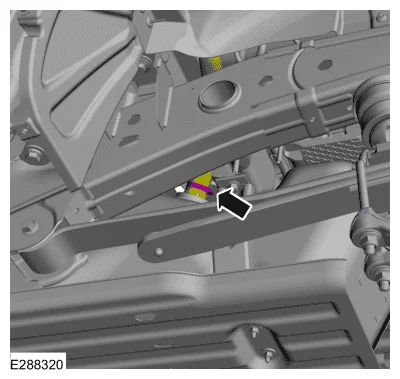
Every In-Tank Fuel Pump, I have replaced - required you to lower the tank about 6 Inches to access every connector (going to the pump)
This was (lines & connectors) as the lines were rigid plastic tubes (attached to the underbody) and would only flex so far.
Once (ALL) lines were disconnected, you then completely lower the tank to the floor for pump replacement.

Note: One item not detailed in the manual for - Tank Removal as it is covered in the Tank Draining section of the manual - Is the Fill / Vent Hose

Disconnect the hose and siphon the fuel out

1720161098847-oi.png


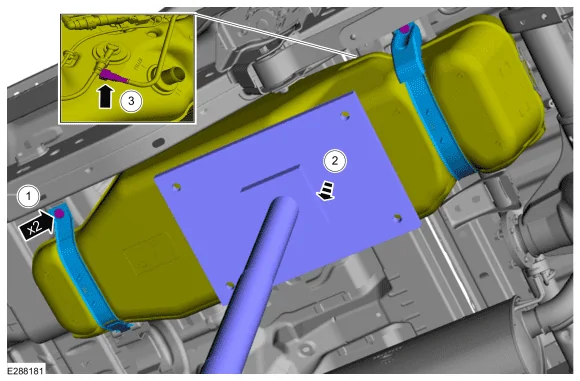
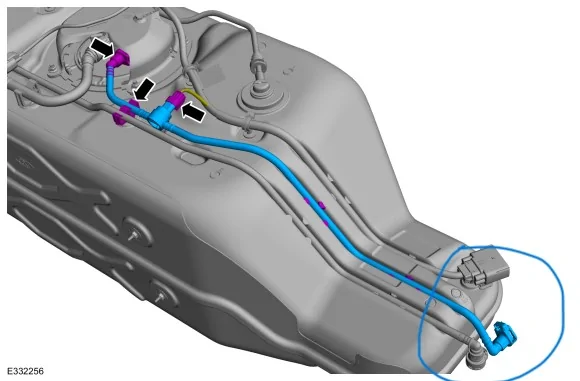
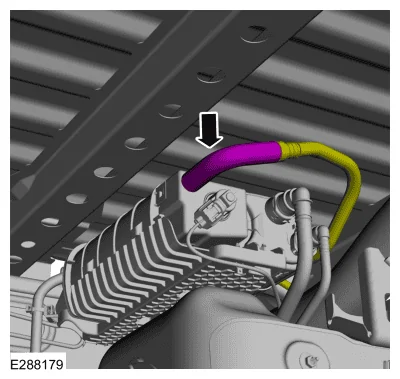
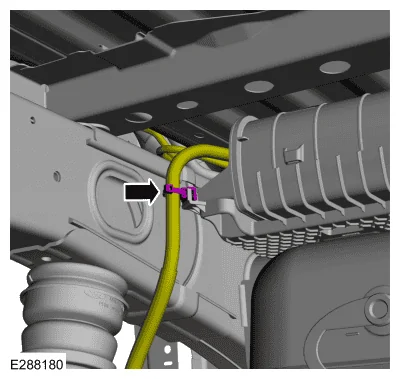
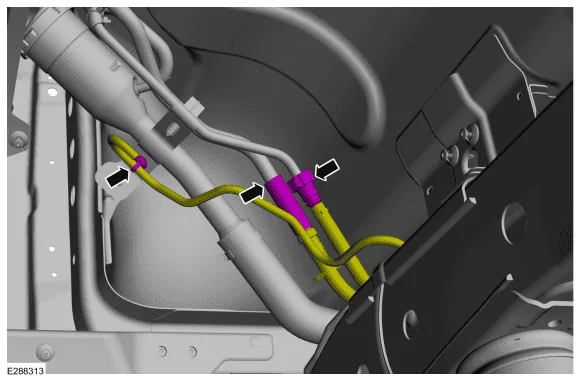
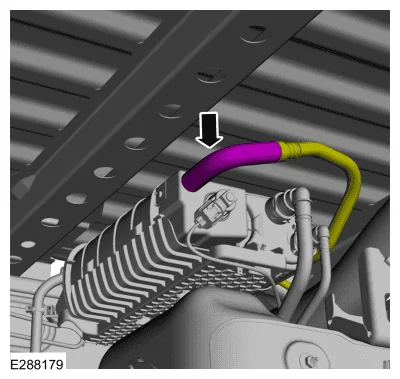
With the Ranger (19-23) they give you - Disconnect points at the sides of the tank - before you start even touch the support straps.
Now you only have (1ea) (my correction) - The Vent Hose to contend with where the tank has to be slightly lowered to access vs (ALL)

Tank must be lowered enough for access to this (one), disconnect and then continue dropping tank

1720160164517-3x.png


These are before you start lowering and touch the support straps
Note how Ford has the tube routing along the top of the tank instead of having these tubes staying with the truck body.

Line Disconnects.jpeg


1720160841689-8w.png


Axle Tube (Retainer) disconnect and position tube aside

1720161644980-29.png


So, to clarify, the tank must be dropped to the floor for pump replacement, the lowering of 6 inches only pertains to (access) the connections. I am using 6 inches as an approx. distance. Depends on how small your hands are.

NOTE: There are some slight differences between the video and the manual, one HIGHLIGHTED note is these connections for the Fuel Filler Vent, the manual completely skips this step, but if you watch the video, you can see the hoses still attached to the tank as it is lowered, also they do not lower and disconnect the upper vent connection (as pointed out in the manual)


So, nothing shows where BOTH of these lines route to, only one of them,

1720165998939-ne.png


I believe one routes to this (but the not 100%) sure - would have to physically look.

1720166182134-k6.png


and the other - relates to the difference in the video removal vs manual removal and that is a different point of disconnect.

I cannot locate a CLEAR pic of where (how) those Fuel Filler Vent Tubes - Route
I believe that the vent tube that sticks up in this pic (U -Shaped), actually routes upwards to the filler neck vent, and this is the point of (lower & disconnect) from the manual, only in this pic its bent over behind the canister (not actually attached)

So, this pic shows the vent tube disconnected from the Fuel Fill Vent (connection) the manual has you disconnect it from the top of the tank (connection point) (lower & disconnect)


Borrowed Pic:

1720165568490-v0.png


Long Range Tank - Ref Video for Tank Removal

Ranger install video .m4v - Google Drive

In the end - Yes if you have the space and extra help (muscle) or a 2-Post Lift (I AM JEALOUS)
Removing or Repositioning the Bed is easier for access to the Pump.

I have never understood why, engineers cannot design in an access cover plate (with a seal-fuel vapors) for every vehicle
 
Last edited:

TJC

Well-Known Member
First Name
Tony
Joined
Aug 28, 2020
Threads
45
Messages
3,924
Reaction score
9,824
Location
North Carolina
Vehicle(s)
93 Miata, 05 Ranger 4x4, 20 Ranger 4x4, 23 CX-5
Thanks for the explanation. I understand what you are saying now.
 
OP
OP
First Name
Ty
Joined
Sep 12, 2023
Threads
5
Messages
15
Reaction score
14
Location
Oklahoma City
Vehicle(s)
2019 for ranger
Occupation
Construction
Ok,
I guess I am not making it clear, and I need to correct (1) Thing

Every In-Tank Fuel Pump, I have replaced - required you to lower the tank about 6 Inches to access every connector (going to the pump)
This was (lines & connectors) as the lines were rigid plastic tubes (attached to the underbody) and would only flex so far.
Once (ALL) lines were disconnected, you then completely lower the tank to the floor for pump replacement.

Note: One item not detailed in the manual for - Tank Removal as it is covered in the Tank Draining section of the manual - Is the Fill / Vent Hose

Disconnect the hose and siphon the fuel out

1720161098847-oi.png


With the Ranger (19-23) they give you - Disconnect points at the sides of the tank - before you start even touch the support straps.
Now you only have (1ea) (my correction) - The Vent Hose to contend with where the tank has to be slightly lowered to access vs (ALL)

Tank must be lowered enough for access to this (one), disconnect and then continue dropping tank

1720160164517-3x.png


These are before you start lowering and touch the support straps
Note how Ford has the tube routing along the top of the tank instead of having these tubes staying with the truck body.

Line Disconnects.jpeg


1720160841689-8w.png


Axle Tube (Retainer) disconnect and position tube aside

1720161644980-29.png


So, to clarify, the tank must be dropped to the floor for pump replacement, the lowering of 6 inches only pertains to (access) the connections. I am using 6 inches as an approx. distance. Depends on how small your hands are.

NOTE: There are some slight differences between the video and the manual, one HIGHLIGHTED note is these connections for the Fuel Filler Vent, the manual completely skips this step, but if you watch the video, you can see the hoses still attached to the tank as it is lowered, also they do not lower and disconnect the upper vent connection (as pointed out in the manual)


So, nothing shows where BOTH of these lines route to, only one of them,

1720165998939-ne.png


I believe one routes to this (but the not 100%) sure - would have to physically look.

1720166182134-k6.png


and the other - relates to the difference in the video removal vs manual removal and that is a different point of disconnect.

I cannot locate a CLEAR pic of where (how) those Fuel Filler Vent Tubes - Route
I believe that the vent tube that sticks up in this pic (U -Shaped), actually routes upwards to the filler neck vent, and this is the point of (lower & disconnect) from the manual, only in this pic its bent over behind the canister (not actually attached)

So, this pic shows the vent tube disconnected from the Fuel Fill Vent (connection) the manual has you disconnect it from the top of the tank (connection point) (lower & disconnect)


Borrowed Pic:

1720165568490-v0.png


Long Range Tank - Ref Video for Tank Removal

Ranger install video .m4v - Google Drive

In the end - Yes if you have the space and extra help (muscle) or a 2-Post Lift (I AM JEALOUS)
Removing or Repositioning the Bed is easier for access to the Pump.

I have never understood why, engineers cannot design in an access cover plate (with a seal-fuel vapors) for every vehicle
What is the actual part name? Is the fuel pump and censor all together?
 

My12SecRanger

Well-Known Member
First Name
Patrick
Joined
Dec 27, 2022
Threads
66
Messages
1,025
Reaction score
2,382
Location
Las Vegas
Vehicle(s)
21 XLT Ranger 2wd
Occupation
Ford Tech
It is all one piece, fuel pump module
thumbnail_20240705_083242.jpg
 

TJC

Well-Known Member
First Name
Tony
Joined
Aug 28, 2020
Threads
45
Messages
3,924
Reaction score
9,824
Location
North Carolina
Vehicle(s)
93 Miata, 05 Ranger 4x4, 20 Ranger 4x4, 23 CX-5
Here is my write up and pictures of my Fuel Pump replacement in my 2005 Ranger.

I imagine that your fuel pump and installation process will be similar.

I know that in the 2005 model year that there were 2 different fuel pumps depending on the Ranger wheelbase length, 2 door Regular cab vs the Super Cab. There was a price difference as well. I went with the Ford part. i didn't want to do the work twice.
 

airline tech

Well-Known Member
Joined
Aug 24, 2022
Threads
28
Messages
4,447
Reaction score
8,496
Location
Midwest - KS
Vehicle(s)
2022 Ranger Lariat-Super Crew, Cactus Gray
Occupation
Aircraft Tech
What is the actual part name? Is the fuel pump and censor all together?
Priced from - OEM Ford Parts Direct, local for me - so save on shipping charges as I pick them up direct at the Dealer.

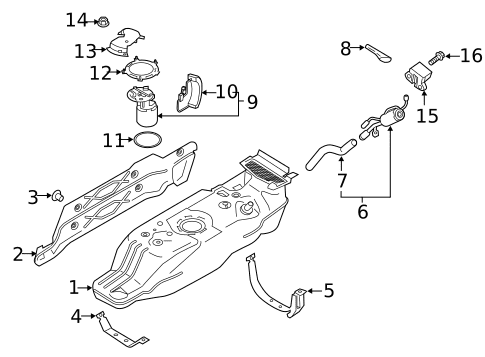
1720197820974-uq.png


#9 - Fuel Pump /Gauge Sending Unit - KB3Z-9H307-E--- $369.63
#10 - Fuel Gauge Sending Unit - KB3Z-9A299-C --$22.39
#11 - Gasket - 4L3Z-9276-AA -- $9.41

As I stated you have the option to only replace the Fuel Gauge Sending Unit, but I will be honest I have never (ONLY) replaced that - it has always been the complete assembly.
If this was easier to replace then yes, then I would have.

The O-Ring Gasket (Normally will come with the new pump) but not always, this gasket is important as it ties into the tank being able to pass the EVAP Tests - Fuel Tank Pressure Sensor Readings - So you definitely want to replace it.


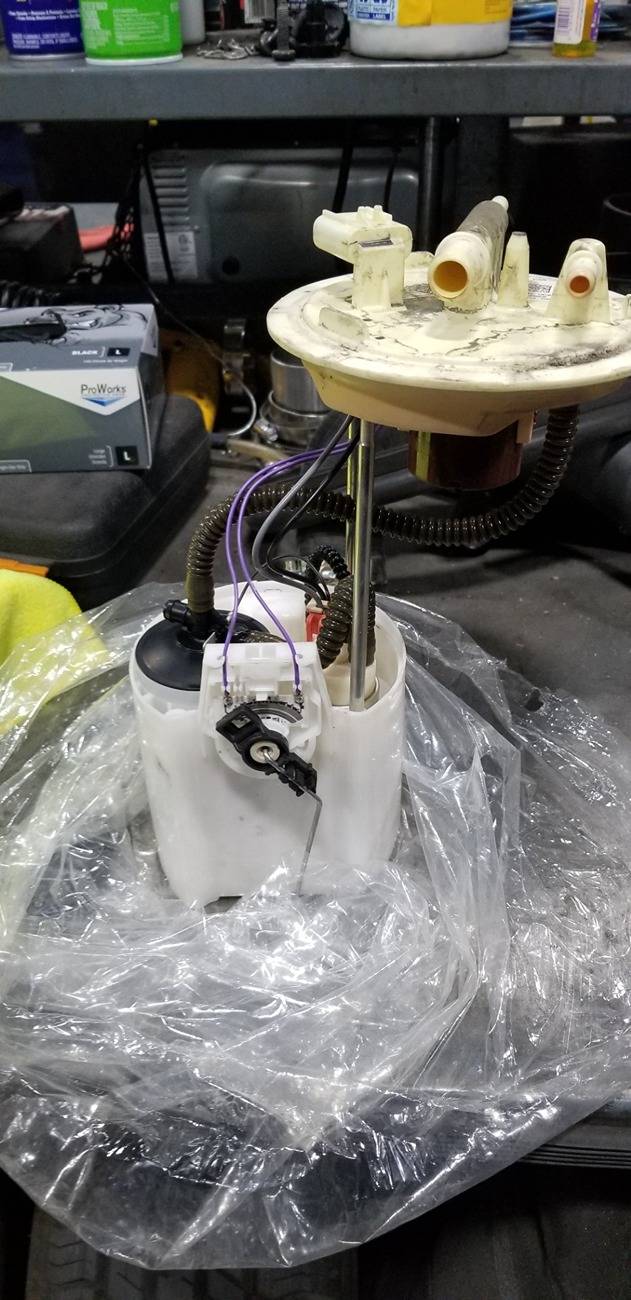
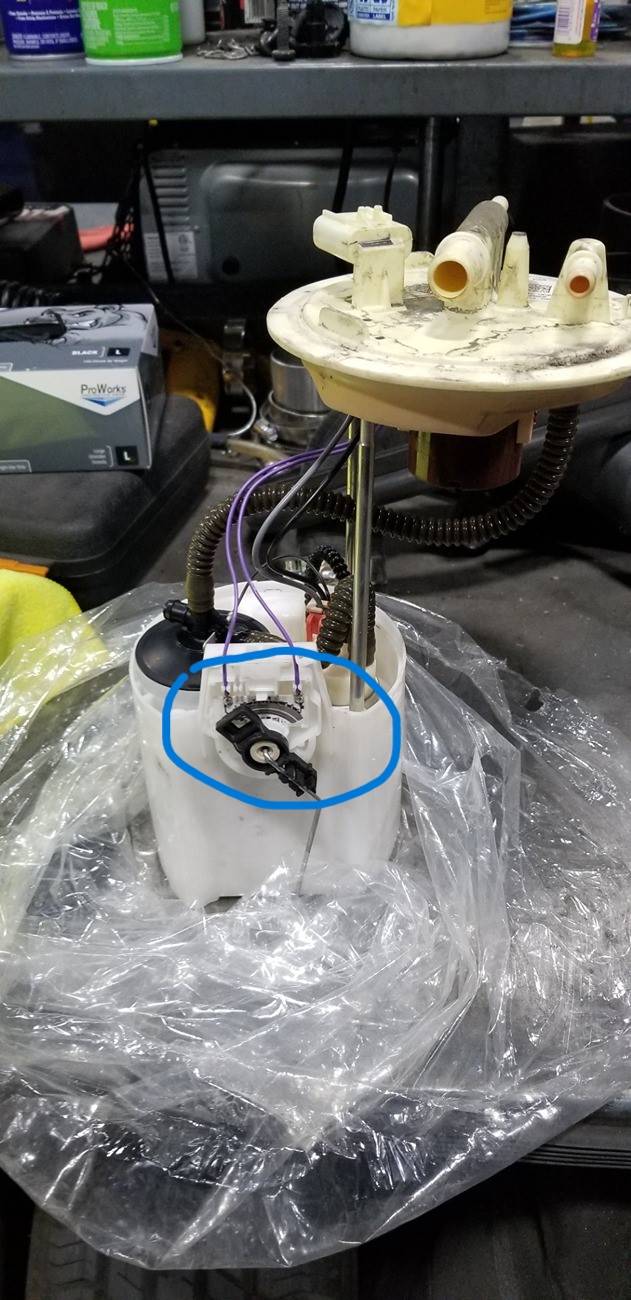
Ref: The circled area, this is prone to failure not only for the Ranger but All Makes / Models

The Black Arm has (2) small little spring-loaded fingers that glide along the circuit board, the fingers and the board wear out.
Your fuel gauge reading comes from the resistance of the scale as the float moves up the resistance lowers.

So, for a true resistance check the pump needs to be just like this (Removed)
At the connector - as this sits should be reading 180 +/- 4 Ohms
raise the float all the way up - 10 +/- 2 Ohms
As measured between the 2 purple wires

They usually wear between the 3/4 and Full (Fuel Levels) so if you slowly lower the float from its full up position, you will see the resistance readings start jumping at the failure point.
This failure is what causes the Fuel Gauge to either Jump or Default itself to empty, as it is unable to determine an accurate reading.

Fuel Pump.jpg
 

seasprite

Well-Known Member
Joined
Sep 1, 2022
Threads
25
Messages
468
Reaction score
1,111
Location
Missouri
Vehicle(s)
2022 Ranger XL STX
Just curious because I didn't see it reading this thread. Do have your reference voltage all the way back to the tank at the connector?
Sponsored


Top