
Sponsored

Water/Mud Alternator Problems

Dr. Zaius

Well-Known Member
First Name
Dennis
Joined
Dec 20, 2019
Threads
76
Messages
6,666
Reaction score
40,686
Location
Living The Dream
Vehicle(s)
2019 Ranger XLT FX4
what would the cost be to buy the Aussie mount & relocate the alternator ?
I think that would be a better solution for a die hard off roader.
I don't think the Aussies get the 2.3 Ecoboost engine, just diesels.

Their mounts would be completely different.
Sponsored

 

Glocker

Well-Known Member
First Name
John
Joined
Feb 11, 2020
Threads
97
Messages
2,700
Reaction score
8,426
Location
Boca Raton
Vehicle(s)
2019 Ford Ranger XLT FX4, 2014 Mustang GT
Vehicle Showcase
1
I don't think the Aussies get the 2.3 Ecoboost engine, just diesels.

Their mounts would be completely different.
This is correct. The Aussies don't have the gasser down there. The diesel mounted the alternator up high, which is really nice. This a a great video explaining why it works so well for their trucks:
 

9zero1790

Well-Known Member
First Name
Mark
Joined
Nov 29, 2021
Threads
50
Messages
7,142
Reaction score
24,331
Location
DFW Texas
Vehicle(s)
21 super crew fx4 sport
Occupation
air breather
This is correct. The Aussies don't have the gasser down there. The diesel mounted the alternator up high, which is really nice. This a a great video explaining why it works so well for their trucks:
yep. the stuff "american" labels send to rest of the world always seems to be the tougher version. apparently in the usa all we need is bigger touch screens, more cup holders, higher msrp, and forced ev...
 

9zero1790

Well-Known Member
First Name
Mark
Joined
Nov 29, 2021
Threads
50
Messages
7,142
Reaction score
24,331
Location
DFW Texas
Vehicle(s)
21 super crew fx4 sport
Occupation
air breather
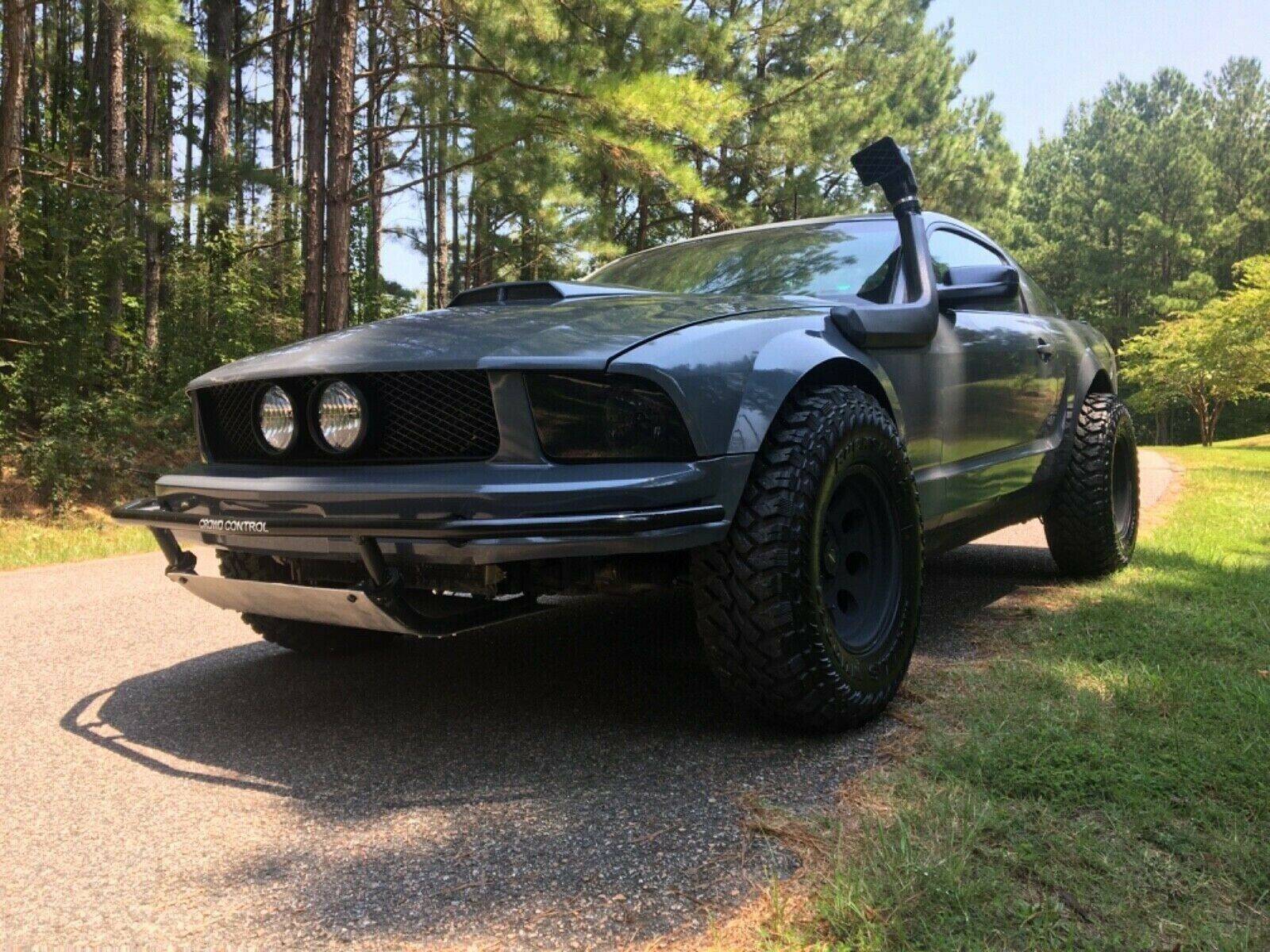
something i just thought of is that the mustang with the 2.3 has basically the same alternator setup. they are much lower to the ground. does the 2.3 mustang have any sort of alternator shielding etc? maybe a non issue as i doubt the average mustang driver is launching a boat or overlanding the car.
 

9zero1790

Well-Known Member
First Name
Mark
Joined
Nov 29, 2021
Threads
50
Messages
7,142
Reaction score
24,331
Location
DFW Texas
Vehicle(s)
21 super crew fx4 sport
Occupation
air breather


Dr. Zaius

Well-Known Member
First Name
Dennis
Joined
Dec 20, 2019
Threads
76
Messages
6,666
Reaction score
40,686
Location
Living The Dream
Vehicle(s)
2019 Ranger XLT FX4
something i just thought of is that the mustang with the 2.3 has basically the same alternator setup. they are much lower to the ground. does the 2.3 mustang have any sort of alternator shielding etc? maybe a non issue as i doubt the average mustang driver is launching a boat or overlanding the car.
You never know...

n-off-road-monster-with-a-working-snorkel-147342_1.jpg
 

Glocker

Well-Known Member
First Name
John
Joined
Feb 11, 2020
Threads
97
Messages
2,700
Reaction score
8,426
Location
Boca Raton
Vehicle(s)
2019 Ford Ranger XLT FX4, 2014 Mustang GT
Vehicle Showcase
1
yep. the stuff "american" labels send to rest of the world always seems to be the tougher version. apparently in the usa all we need is bigger touch screens, more cup holders, higher msrp, and forced ev...
Believe it or not, the US version of the Ranger is built a little tougher than the Asian/Aussie market version of the truck. Americans' standards for trucks are higher, requiring less frame flex, less NVH, and a preference for exposed "steel" bumpers. Our version of the frame is not exactly the same as the trucks in Oz, as our market demands require heavier, more welded ladder frames to produce the road feel that we want here in the USA. And the bumper situation is a funny thing. In Asia/Oz, the plastic bumper cover is the preference in their market based on looks. Here in the USA, supposedly, that style bumper cover didn't test well in market research panels, as the conventional style bumpers we have here are perceived to be tougher and more rugged to US truck buyers.

There is a preference in Asia, Australia, and Europe for diesel motors, I believe mostly because of the fuel cost difference. Gassers in the Aussie 4x4 scene seem to be picking up in popularity, but diesel seems to be easier for people to source while out in the bush. With the 5th Gen Rangers, there seemed to be a lot of interest in what we have here in the USA from the Aussies because there were a lot of gripes with the diesel options they got over there. For instance, the Ranger Raptor came with the smaller (2.0L?) diesel and I've read a lot of gripes about that. And I think the bigger (3.2L?) diesel was generally preferred for its power and torque, but maybe not its reliability.
 

Cmar

Well-Known Member
First Name
Cam
Joined
Feb 10, 2020
Threads
20
Messages
1,875
Reaction score
5,185
Location
Australia
Vehicle(s)
Ford Ranger PX
Occupation
Medical Scientist
what would the cost be to buy the Aussie mount & relocate the alternator ?
I think that would be a better solution for a die hard off roader.
Problem the "Aussie" aka Global mount is for the 3.2 diesel, a different engine. Probably wouldn't fit on the Ecoboost.
 

Cmar

Well-Known Member
First Name
Cam
Joined
Feb 10, 2020
Threads
20
Messages
1,875
Reaction score
5,185
Location
Australia
Vehicle(s)
Ford Ranger PX
Occupation
Medical Scientist
Believe it or not, the US version of the Ranger is built a little tougher than the Asian/Aussie market version of the truck. Americans' standards for trucks are higher, requiring less frame flex, less NVH, and a preference for exposed "steel" bumpers. Our version of the frame is not exactly the same as the trucks in Oz, as our market demands require heavier, more welded ladder frames to produce the road feel that we want here in the USA. And the bumper situation is a funny thing. In Asia/Oz, the plastic bumper cover is the preference in their market based on looks. Here in the USA, supposedly, that style bumper cover didn't test well in market research panels, as the conventional style bumpers we have here are perceived to be tougher and more rugged to US truck buyers.

There is a preference in Asia, Australia, and Europe for diesel motors, I believe mostly because of the fuel cost difference. Gassers in the Aussie 4x4 scene seem to be picking up in popularity, but diesel seems to be easier for people to source while out in the bush. With the 5th Gen Rangers, there seemed to be a lot of interest in what we have here in the USA from the Aussies because there were a lot of gripes with the diesel options they got over there. For instance, the Ranger Raptor came with the smaller (2.0L?) diesel and I've read a lot of gripes about that. And I think the bigger (3.2L?) diesel was generally preferred for its power and torque, but maybe not its reliability.
Interesting views, yes, possibly I can throw a bit morer light on them. I believe that a few frame changes were made for NA, particularly using more high tensile steel so that they could reduce weight with a thinner section without sacrificing strength. Even over here the frame changed sometime after 2015 with the later models gaining an additional diagonal brace from the Everest wagon version, which isn't in my mid 2015 model.
You used a Dana Salisbury rear diff assembly, with disk brakes, we used a removable carrier banjo rear diff with drums, although the G6 now uses the same rear axle as you.

Some of the panel work is also ever so slightly different, but I believe the body shell, doors and glass are the same. The plastic bumpers are largely to comply with the ADR's (Australian Design Rules) for pedestrian safety. All cars here have had to have them for quite a long time now. But since there is a solid steel "U" section safety bar behind it, bolted to the chassis, I seriously doubt how much safer it really is. We also had cast steel front diff housings and knuckles although the design seemed to be the same as your aluminum ones.

The engine and gearbox is probably the other major difference. The Ranger here was available with a petrol (gas) engine option for a while, but it was a N/A engine, not the Ecoboost turbo, and it was a therefore a slug, and drank fuel, and thus didn't sell well, and was withdrawn. Toyota, Nissan, Mitsubishi, Mazda, Isuzu, Volkswagen, GM have all tried production petrol versions of their trucks over here and all have ended up withdrawing them, even though some such as the Toyota Hilux 3.4 and 4.0 V6's have actually been brilliant.
The main reason is Australia generates a lot of income from primary production and mining, these industries use diesel fuel, and transporting their products uses diesel fuel. Once you leave the main population centers diesel is the fuel most commonly available and the cheapest. In more remote areas it may be the only fuel available. Once outside cities, petrol is comparatively expensive here, and petrol engines in heavy trucks use a lot more of it than counterparts running diesel. Also most Australians buy utes either for work vehicles, or to tow caravans or boats, or to go camping or off- roading, and in these applications diesel is king with it's good torque, and engine performance and economy under load.

Thus we got the i5 3.2 turbo diesel or the i4 2.2 version (same engine with 1 cylinder lopped off) with the 6R80 ford auto or a 6 speed manual, and later the 2.0 bi turbo Ecoblue with the 10R80.

The 3.2's and 2.2's had a bit of a reputation for overheating and blowing head gaskets and cracking pistons. This wasn't so much a design problem with the diesels themselves, which were actually pretty solid units, but Ford penny pinching on the EGR coolers which tended to self destruct internally at around 100,000 Km dumping the coolant into the intake.
The piston cracking was mostly due to over fueling because the precision piezo injectors were made under license by a company which seemed to have variable quality control, some would run to 200,000 km or more, without issues, and others kill your engine long before then. The solution to both of these problems is to prophylactically replace both, your EGR cooler with a new - hopefully revised one, at about 160,000 Km or the minute you start seeing your coolant level dropping without an obvious leak.
The injectors, do the same thing at about the same mileage with the proper German made ones from the parent company, via e-bay.
The 3.2 and 2.2 engines also suffered with oil pump issues as the vane type variable output oil pumps used for fuel efficiency, had a tendency to un-prime themselves and not re-prime, if the oil was allowed to drain for too long at oil changes. This was allegedly fixed with a change in design for later models.

The 2.0 diesels have their own issues, they also suffered from serious injector issues, from probably the same crappy supplier, leading to recalls on even brand new cars, and supply shortages whilst Ford purged the affected lots from the supply chain.
They also have wet rubber timing and oil pump drive belts, a feature which in my opinion is a ticking time bomb. Really, what's wrong with chains? Another "feature" of these engines is the intake and exhaust manifolds are integrated into the cylinder head. This might reduce parts inventory, and make assembly cheaper and easier, but if you have ever seen the tar like muck which accumulates in a diesel which has EGR soot, and oily PCV fumes both going into the intake you would not think this such a great idea.

A removable intake manifold can be removed and cleaned out without too much trouble, and the EGR valve replaced if necessary. - and you WILL have to do it eventually. Don't know how you do it, if all this is built into the head.
In their defense these diesels do however have a pretty impressive output for a 2.0 litre unit. 150Kw vs 148 for the 3.2.
But the 3.2 delivers it's output in a much more relaxed manner. Mine reminds me of an old pre- emission V8, with a smooth relaxed power delivery, and good torque off the line.

The 6R80's proved to be a pretty tough and reliable auto, a few people cooked theirs, but were mostly doing silly stuff like towing 3.5 tonne caravans up steep ranges in 45 degree C heat in summer, with their foot flat down, in too high a gear.
Ford could have done themselves a favour by leaving the transmission thermostat out of the oil cooling circuit for Australia, or at least running it cooler, 90deg C might be OK in Detroit, but it's way too hot to start your tranny oil at before you even begin to load it up over here. A 70 deg thermostat is available here aftermarket.

As for the 10R80's well, we had / have, the same issues as you.
 
Last edited:

Glocker

Well-Known Member
First Name
John
Joined
Feb 11, 2020
Threads
97
Messages
2,700
Reaction score
8,426
Location
Boca Raton
Vehicle(s)
2019 Ford Ranger XLT FX4, 2014 Mustang GT
Vehicle Showcase
1
Interesting views, yes, possibly I can throw a bit morer light on them. I believe that a few frame changes were made for NA, particularly using more high tensile steel so that they could reduce weight with a thinner section without sacrificing strength. Even over here the frame changed sometime after 2015 with the later models gaining an additional diagonal brace from the Everest wagon version, which isn't in my mid 2015 model.
You used a Dana Salisbury rear diff assembly, with disk brakes, we used a removable carrier banjo rear diff with drums, although the G6 now uses the same rear axle as you.

Some of the panel work is also ever so slightly different, but I believe the body shell, doors and glass are the same. The plastic bumpers are largely to comply with the ADR's (Australian Design Rules) for pedestrian safety. All cars here have had to have them for quite a long time now. But since there is a solid steel "U" section safety bar behind it, bolted to the chassis, I seriously doubt how much safer it really is. We also had cast steel front diff housings and knuckles although the design seemed to be the same as your aluminum ones.

The engine and gearbox is probably the other major difference. The Ranger here was available with a petrol (gas) engine option for a while, but it was a N/A engine, not the Ecoboost turbo, and it was a therefore a slug, and drank fuel, and thus didn't sell well, and was withdrawn. Toyota, Nissan, Mitsubishi, Mazda, Isuzu, Volkswagen, GM have all tried production petrol versions of their trucks over here and all have ended up withdrawing them, even though some such as the Toyota Hilux 3.4 and 4.0 V6's have actually been brilliant.
The main reason is Australia generates a lot of income from primary production and mining, these industries use diesel fuel, and transporting their products uses diesel fuel. Once you leave the main population centers diesel is the fuel most commonly available and the cheapest. In more remote areas it may be the only fuel available. Once outside cities, petrol is comparatively expensive here, and petrol engines in heavy trucks use a lot more of it than counterparts running diesel. Also most Australians buy utes either for work vehicles, or to tow caravans or boats, or to go camping or off roading, and in these applications diesel is king with it's good torque, and engine performance and economy under load.

Thus we got the i5 3.2 turbo diesel or the i4 2.2 version (same engine with 1 cylinder lopped off) with the 6R80 ford auto or a 6 speed manual, and later the 2.0 bi turbo Ecoblue with the 10R80.

The 3.2's and 2.2's had a bit of a reputation for overheating and blowing head gaskets and cracking pistons. This wasn't so much a design problem with the diesels themselves, which were actually pretty solid units, but Ford penny pinching on the EGR coolers which tended to self destruct internally at around 100,000 Km dumping the coolant into the intake.
The piston cracking was mostly due to over fueling because the precision piezo injectors were made under license by a company which seemed to have variable quality control, some would run to 200,000 km or more, without issues, and others kill your engine long before then. The solution to both of these problems is to prophylactically replace both, your EGR cooler with a new - hopefully revised one, at about 160,000 Km or the minute you start seeing your coolant level dropping without an obvious leak.
The injectors, do the same thing at about the same mileage with the proper German made ones from the parent company, via e-bay.
The 3.2 and 2.2 engines also suffered with oil pump issues as the vane type variable output oil pumps used for fuel efficiency, had a tendency to unprime themselves and not re-prime, if the oil was allowed to drain for too long at oil changes. This was alledgedly fixed with a change in design for later models.

The 2.0 diesels have their own issues, they also suffered from serious injector issues, from probably the same crappy supplier, leading to recalls on even brand new cars, and supply shortages whilst Ford purged the affected lots from the supply chain.
They also have wet rubber timing and oil pump drive belts, a feature which in my opinion is a ticking time bomb. Really, what's wrong with chains? Another "feature" of these engines is the intake and exhaust manifolds are integrated into the cylinder head. This might reduce parts inventry, and make assembly cheaper and easier, but if you have ever seen the tar like muck which accumulates in a diesel which has EGR soot, and oily PCV fumes both going into the intake you would not think this such a great idea.

A removable intake can be removed and cleaned out without too much trouble, and the EGR valve replaced if necessary. - and you WILL have to do it eventually. Don't know how you do it, if all this is built into the head.
In their defence these diesels do however have a pretty impressive output for a 2.0 litre unit. 150Kw vs 148 for the 3.2.
But the 3.2 delivers it's output in a much more relaxed manner. Mine reminds me of an old pre emission V8, with smooth relaxed power delivery, and good torque off the line.

The 6R80's proved to be a pretty tough and reliable auto, a few people cooked theirs but were mostly doing silly stuff like towing 3.5 tonne caravans up steep ranges in 45degree C heat in summer, with their foot flat down, in too high a gear.
Ford could have done themselves a favour by leaving the transmission thermostat out of the oil cooling circuit for Australia, or at least running it cooler, 90deg C might be OK in Detroit, but it's way too hot to start your tranny oil at before you begin to load it up over here. A 70 deg thermostat is available here aftermarket.

As for the 10R80's well, we had / have, the same issues as you.
Good info!
 

MrBusses

Well-Known Member
Joined
Jan 5, 2023
Threads
10
Messages
132
Reaction score
490
Location
Florida
Vehicle(s)
2019 Ranger 4dr FX4
Occupation
Ford SMT
So yeah mine is still sitting in my tool box, I have had so much stuff going on I have not had time to mess with it
 

RangerInTexas

Well-Known Member
First Name
Richard
Joined
Oct 7, 2023
Threads
8
Messages
50
Reaction score
149
Location
Texas
Vehicle(s)
2023 Ford Ranger
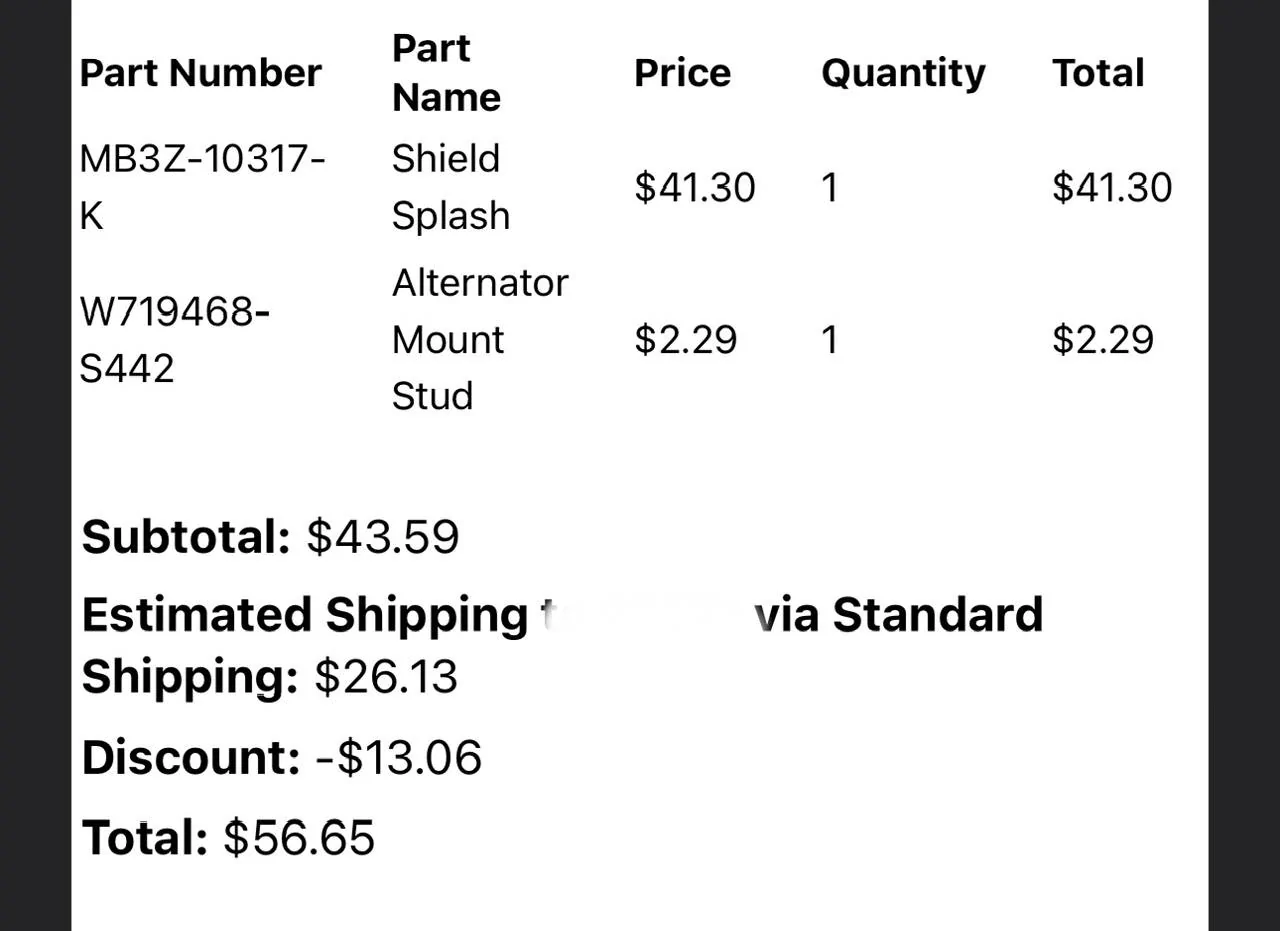
My local Ford dealer is installing mine next week on my 2023 XLT just in time for the rainy season here in Texas. The parts and service department got together comparing the Bronco to the Ranger schematics and came to the conclusion there was no difference between the Bronco and Ranger 2.3 in the aspect of the alternator. They said it'll take them about 15 minutes to install (as that's how long it takes them to install on the Bronco).
IMG_5596.jpg
 

jblc

Well-Known Member
First Name
JB
Joined
Nov 15, 2020
Threads
75
Messages
749
Reaction score
644
Location
USA
Vehicle(s)
2021 XLT FX2 supercab
My local Ford dealer is installing mine next week on my 2023 XLT just in time for the rainy season here in Texas. The parts and service department got together comparing the Bronco to the Ranger schematics and came to the conclusion there was no difference between the Bronco and Ranger 2.3 in the aspect of the alternator. They said it'll take them about 15 minutes to install (as that's how long it takes them to install on the Bronco).
Awesome, let us know how it goes.
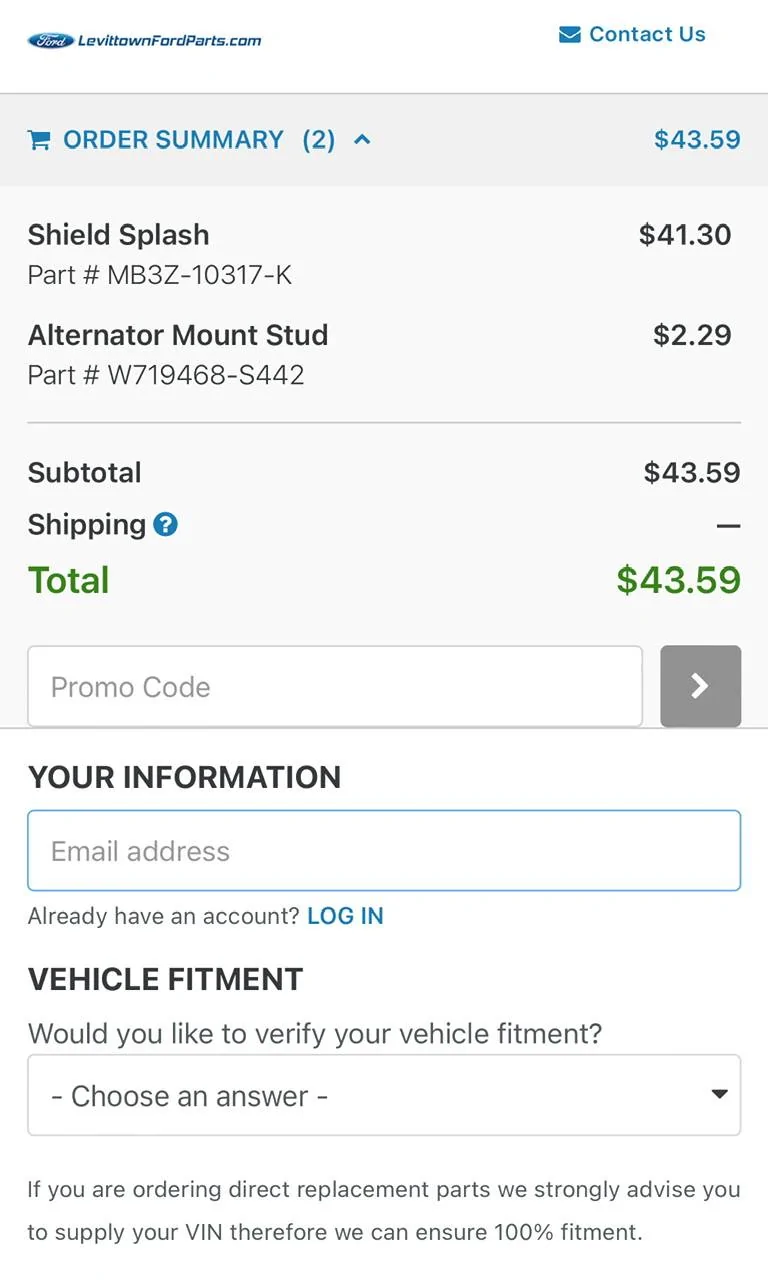
Did you take the new bolts and nuts to them as well?
Does anyone know what the new bolt and nut part numbers are?
Sponsored


Top