
Grady
Well-Known Member
- Thread starter
- #1
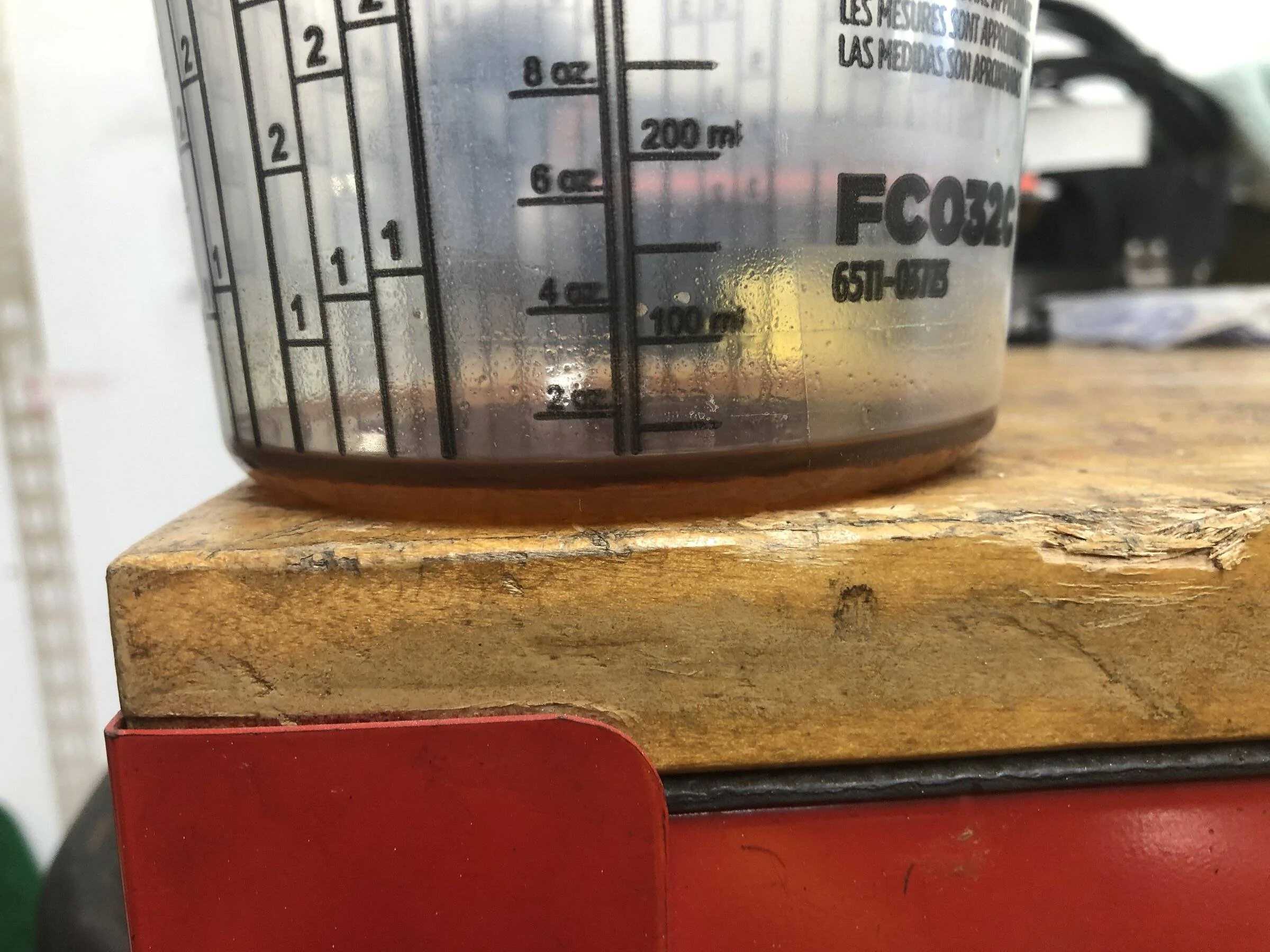
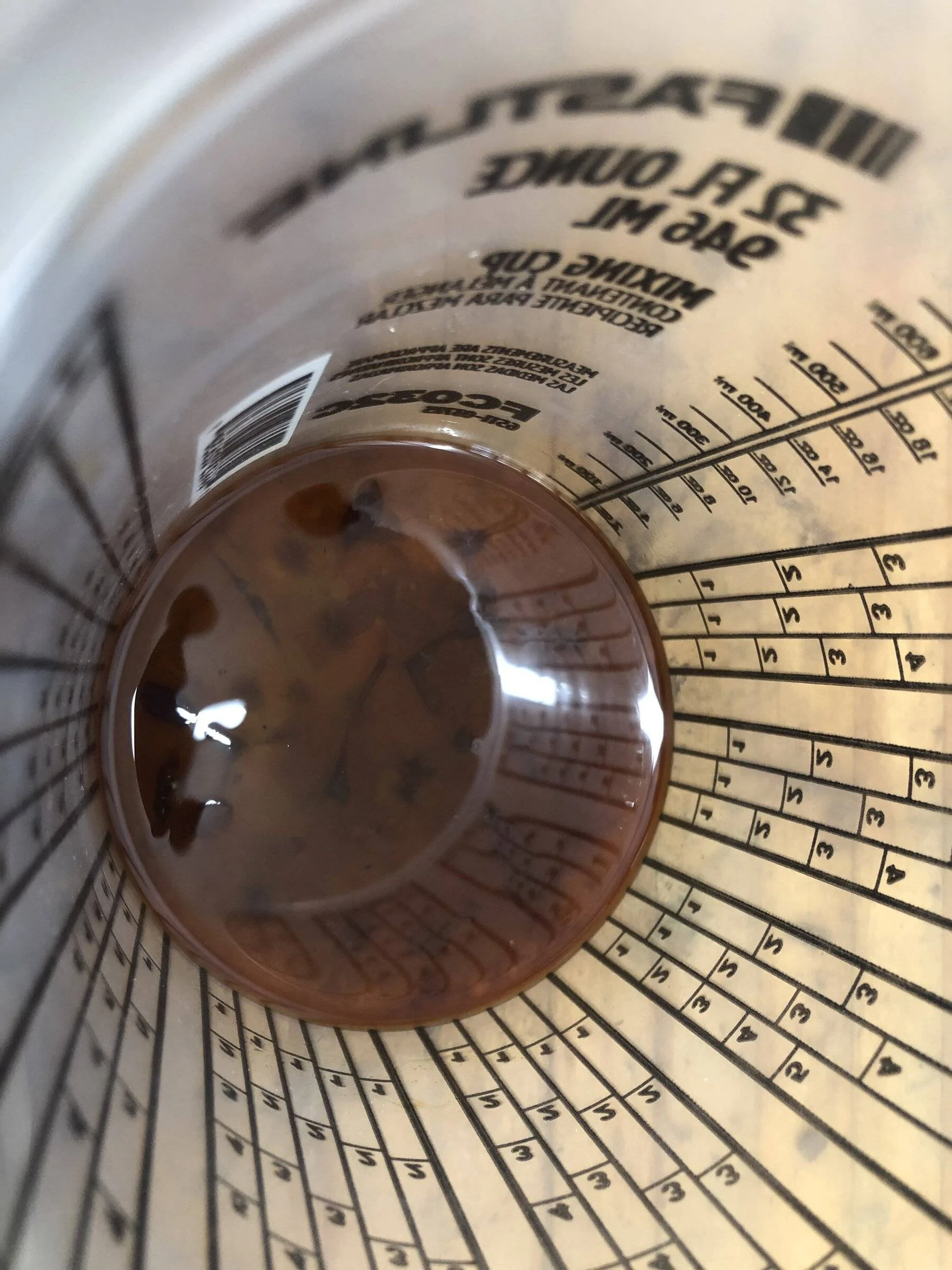
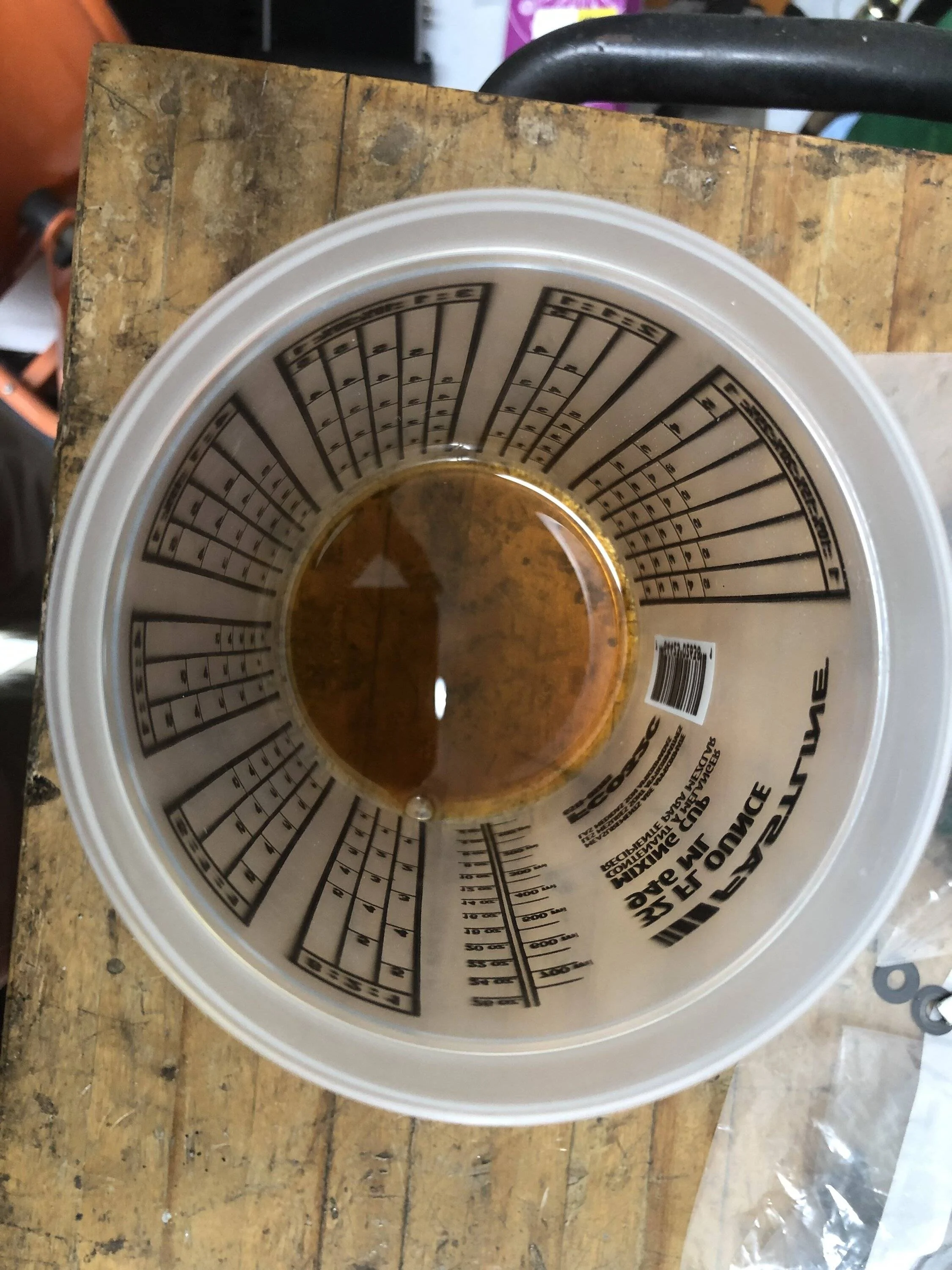
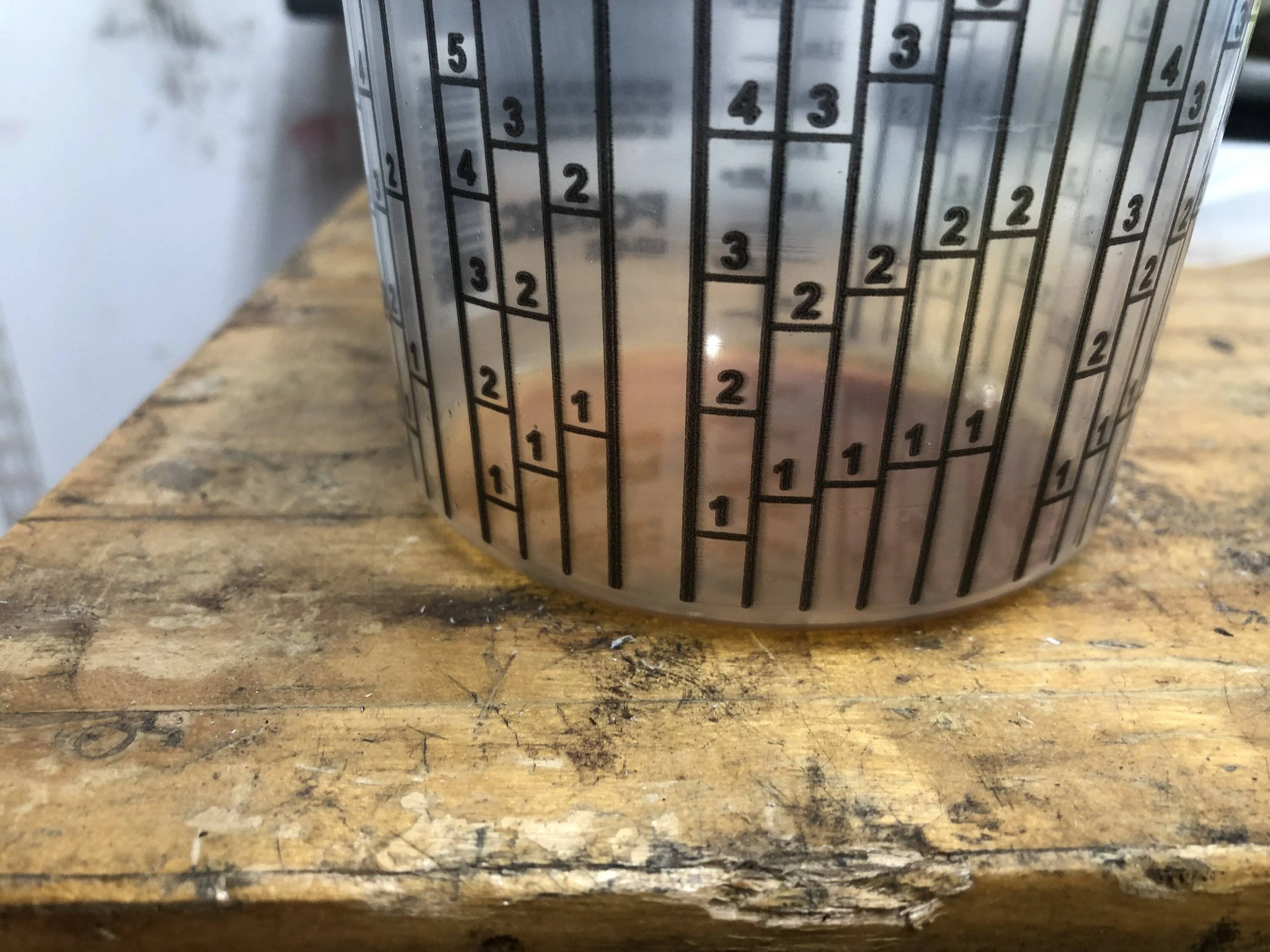
Fuel in oil happens on all piston engines. Fuel evaporates at low temperature so normal driving with the oil at temperature will get the fuel to evaporate off. Way back on large radial aircraft engines they had a fuel dilution valve to put fuel into the oil on shutdown in cold climates. This kept the oil from being to thick on startup after sitting at below 0 temperatures. On the next flight the fuel would evaporate off. by doing this you just needed to change the oil more often. Ok back to our engines. I have put a M catch can on my truck and after a couple of thousand miles noticed it is full of mostly a fuel smell thin liquid and a little water. So the catch can is catching some/most/all? of the fuel that is being evaporated off.
Now my theory on why and possibly a way to check. Fuel dilution is common on diesel engines, if you compare our engines in normal driving the RPM’s are similar. Shifting just after 2k and wanting to cruse below 2k. At this speed scavenging will not be as efficient and cylinder pressures will be higher. My plan is to do 2 different tests of the same milage. One will be in normal where the RPM will be kept in it normal range. The 2nd will be in S. I will keep cruse RPM at least 2.5k, more in the normal for a 4 cylinder car. This may take me a while I only drive the truck to work 3 times a week or so.
Now my theory on why and possibly a way to check. Fuel dilution is common on diesel engines, if you compare our engines in normal driving the RPM’s are similar. Shifting just after 2k and wanting to cruse below 2k. At this speed scavenging will not be as efficient and cylinder pressures will be higher. My plan is to do 2 different tests of the same milage. One will be in normal where the RPM will be kept in it normal range. The 2nd will be in S. I will keep cruse RPM at least 2.5k, more in the normal for a 4 cylinder car. This may take me a while I only drive the truck to work 3 times a week or so.
Sponsored