t4thfavor
Well-Known Member
Someone above mentioned that he used the hose just before the throttle body, it could be in a different thread though, but there were pictures.Where did you inject the crc into? Like what port or vacuum hose?
Sponsored

Someone above mentioned that he used the hose just before the throttle body, it could be in a different thread though, but there were pictures.Where did you inject the crc into? Like what port or vacuum hose?
This hose pops off easily. I sprayed down into the intake tract, just held my other thumb over vacuum hose, but you could use a piece of black tape etc. to cover the vacuum if desired. The can sat on the intake tube and the sraw bent into the hole for spraying. I am going to get some (hopefully) clear fuel line, about 12"-16" that fits into the hole, that way it will be easier to spray. These cans need to be almost completely vertical, at least a little more than 45* or upside down to work properly. A 12-16"" piece oh hose sticking up from the intake tube would have made spraying much easier by giving more room. Overall, though very easy.Where did you inject the crc into? Like what port or vacuum hose?
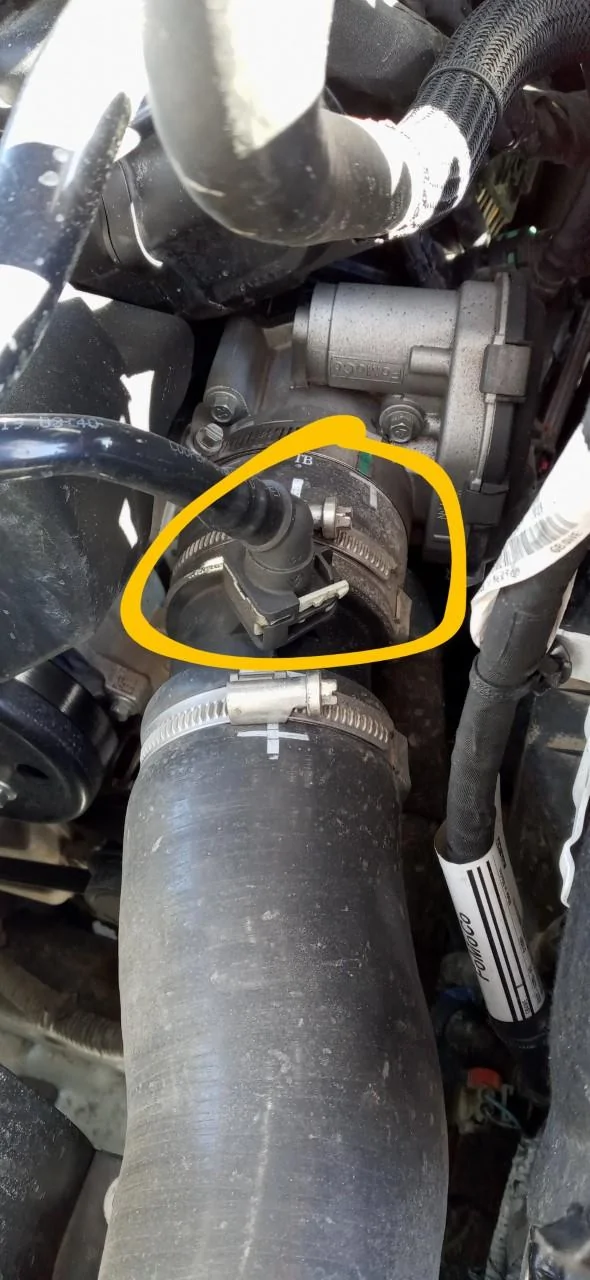
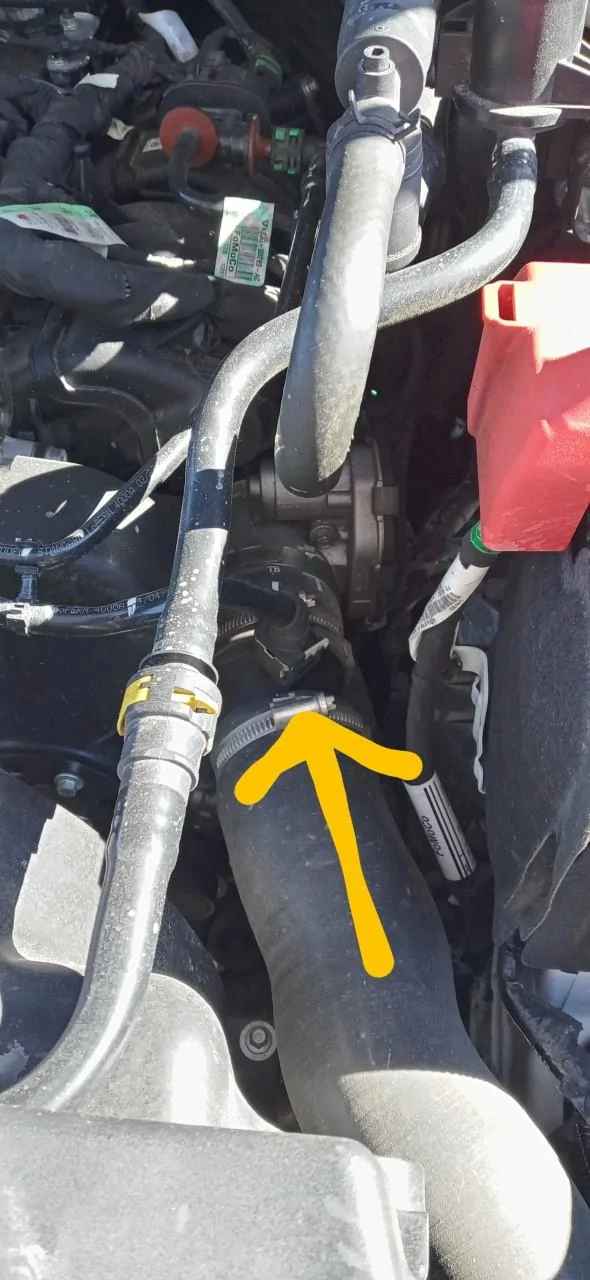

Thanks for taking time to post this!!This hose pops off easily. I sprayed down into the intake tract, just held my other thumb over vacuum hose, but you could use a piece of black tape etc. to cover the vacuum if desired. The can sat on the intake tube and the sraw bent into the hole for spraying. I am going to get some (hopefully) clear fuel line, about 12"-16" that fits into the hole, that way it will be easier to spray. These cans need to be almost completely vertical, at least a little more than 45* or upside down to work properly. A 12-16"" piece oh hose sticking up from the intake tube would have made spraying much easier by giving more room. Overall, though very easy.

Get a BIG can so you don't have to empty it ALL THE TIME...lolI totally agree. I have just under 5k miles on my truck. Will be performing it’s first service sometime next week. Going to install an oil catch can at that time to try and extend the intake valve cleaning interval. I will not be using any type of intake valve cleaner through the engine. I will just do a walnut blast once I have an issue, hopefully around 50-60k+. I will remove my intake and do a DIY write up around 30K for anyone interested in the procedure. For the time being let’s just enjoy our Rangers. All direct injection engines suffer from this issue at some point.


I don't understand how the the turbo bearings would get washed of oil film - the bearing sits in an enclosed chamber with seals that keep the oil and water contained in the center bearing chamber, at least on turbos I've taken apart - to rebuild because over time when those seals degrade they leak oil and hence blue smoke.The biggest problem that I see is with the turbo bearings which would get washed somewhat of the oil film that supports the shaft. The possibility of carbon chunks impacting the impeller blades is also not good.

Have you had any issues so far doing this? I am looking into doing this as well as preventative maintenance.This hose pops off easily. I sprayed down into the intake tract, just held my other thumb over vacuum hose, but you could use a piece of black tape etc. to cover the vacuum if desired. The can sat on the intake tube and the sraw bent into the hole for spraying. I am going to get some (hopefully) clear fuel line, about 12"-16" that fits into the hole, that way it will be easier to spray. These cans need to be almost completely vertical, at least a little more than 45* or upside down to work properly. A 12-16"" piece oh hose sticking up from the intake tube would have made spraying much easier by giving more room. Overall, though very easy.

I disagree. Engines with both port and direct injectors, use GAS in the port injectors to "clean" the valves as the motor operates. Gas is a natural cleaning agent and does not damage any turbos or the like. While doing an occasional cleaning with a CRC type cleaning system is not as good as a constant cleaning from gasoline being sprayed from the port injectors, I feel if one does this every 5000 miles or so, it would keep the area "cleaner" than just leaving it alone.The only proper way of doing this is with professional walnut blasting.
Chemicals won't work, or for those who argue, won't work well, since fuel doesn't hit the valves, and a short burst of spray cleaner will not actually do anything. You need mechanical cleaning for direct injection (Abrasive).
^ That is for a non-turbo direct injection vehicle
Chemical cleaning is not a good idea on a turbo DI engine, because you risk damaging the turbo, either with the chemical spraying into the cold side (Intake) of the turbo, or the byproduct of cleaning going into the hot side (Exhaust) of the turbo.

Our engines do not have port, or dual injection, only direct.I disagree. Engines with both port and direct injectors, use GAS in the port injectors to "clean" the valves as the motor operates. Gas is a natural cleaning agent and does not damage any turbos or the like. While doing an occasional cleaning with a CRC type cleaning system is not as good as a constant cleaning from gasoline being sprayed from the port injectors, I feel if one does this every 5000 miles or so, it would keep the area "cleaner" than just leaving it alone.
I personally do not wish to use a catch can as it requires more attention especially during colder months, and I don't want to putz with emptying cans during the winter months. Some of that condensation that mostly fills up those cans, while good to catch, just naturally burns up in the motor. I don't want to get into a pissing match over the catch can. I just personally think the cost and design is just "ok" for me. Do they work? Appears some may help, but others really don't, IMHO. Honestly, I would love to just vent it out into the atmosphere and leave it at that
While I do agree the walnut way of cleaning is probably the safest way to clean the valves that are already caked up, it is hard to locate (at least for me) a reputable shop that will do it correctly and not cause more issues performing this procedure. I guess I've been burnt too many times by these "service technicians" who lately seem to be glorified parts changers, and not actual MECHANICS ?. So, I wish to take matters into my own hands (while I still can) and would rather just perform a deep clean with chemicals before every oil change and it should do fine. Will this get ALL the crud out...probably not, but if its done on a routine schedule, it should keep the crud from building up enough to effect engine performance. Easy to do, and only needs to be done every 5000 or so. My vehicle, my opinion

I understand the ecoboost motors in the Rangers do not have dual injectors.Our engines do not have port, or dual injection, only direct.
The key there is port injection with a top tier fuel does gradual, or constant cleaning. Dumping a bunch of chemicals into the engine to blast off carbon is not the same as that gradual cleaning.
The only way to confirm the chemical method did anything is with an inspection scope. I've personally tried this with VW direct injection engines and the chemical cleaners did absolutely nothing.
. I do not claim to know it all, but after seeing his results, it definitely peaked my interest and to question this catch can/chemical cleaning process. I'm not a fan of the direct injection, but it seems the way these auto makers are going to meet those tight rules imposed on them. I guess everyone's OCD is different and YMMV. 

There are no “seals” in a turbo. There are tiny piston rings on the cold and hot sides. That’s what keeps oil from leaking out of the turbo. Petroleum solvents will do nothing to the piston rings. The biggest concern I would have for the turbo would be if you had carbon build up on the cold wheel. If the petroleum solvent breaks up the build up then next stop is the intercooler and if not broken down small enough may plug the intercooler. Also the same goes for on the hot side of the turbo. Garbage out, next stop catalytic converter and possible pluggingI believe that the turbo bearing seals are not designed for, or expecting to be subject to petroleum solvents. The seals are normally only externally exposed to air flow.
This is why I only recommend walnut blasting.There are no “seals” in a turbo. There are tiny piston rings on the cold and hot sides. That’s what keeps oil from leaking out of the turbo. Petroleum solvents will do nothing to the piston rings. The biggest concern I would have for the turbo would be if you had carbon build up on the cold wheel. If the petroleum solvent breaks up the build up then next stop is the intercooler and if not broken down small enough may plug the intercooler. Also the same goes for on the hot side of the turbo. Garbage out, next stop catalytic converter and possible plugging


