Loweredon33s
Well-Known Member
- Thread starter
- #16
Thanks, do you know if the HPP or RS have high tension rings?Low tension piston rings don't like thick oil, but hey, you do you.
Sponsored
Thanks, do you know if the HPP or RS have high tension rings?Low tension piston rings don't like thick oil, but hey, you do you.
Don't know where you got that idea but that is not true.Low tension piston rings don't like thick oil, but hey, you do you.
Exactly, I’m just glad you said it instead of me. I’ve become a bully magnet lately.Don't know where you got that idea but that is not true.
Low tension rings don't need the higher viscosity oil to provide adequate lubrication but other than some added friction and the resulting lower fuel mileage higher viscosity oils can/do provided better film strength under extreme conditions. If this wasn't true Ford wouldn't be recommending 5w-20 in the coyote 5.0 for normal driving and 5w-50 in the same engine for track use or 5w-30 in the 2.3 Ecoboost for normal driving and 5w-50 for track use in the same engine.
Virtually all engines for the past 20 years or so have had low tension piston rings.Thanks, do you know if the HPP or RS have high tension rings?
After it has had sexual relations with a sharkI keep 5w50 in stock and get it for a decent price so I thought I’d try it out.
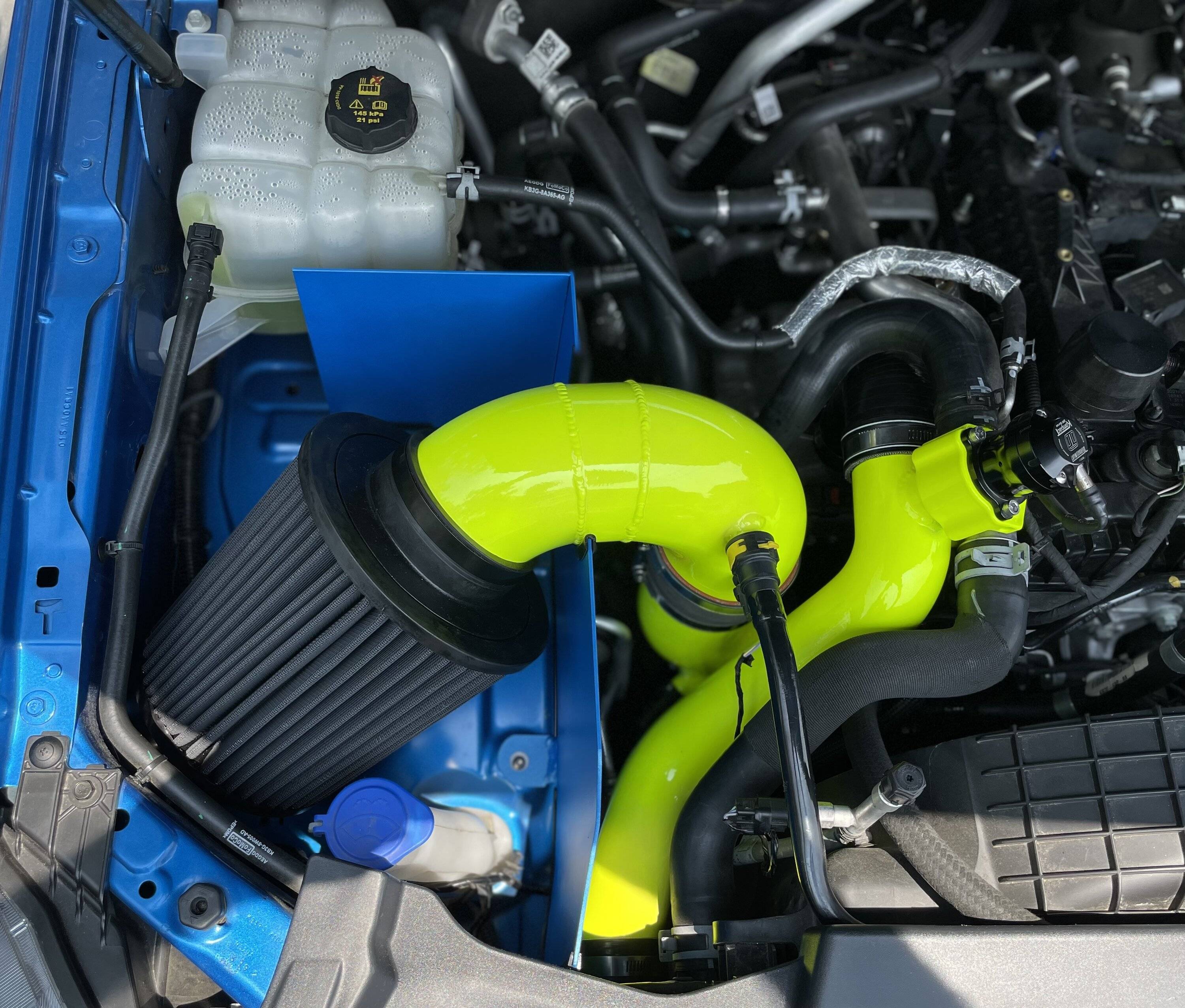
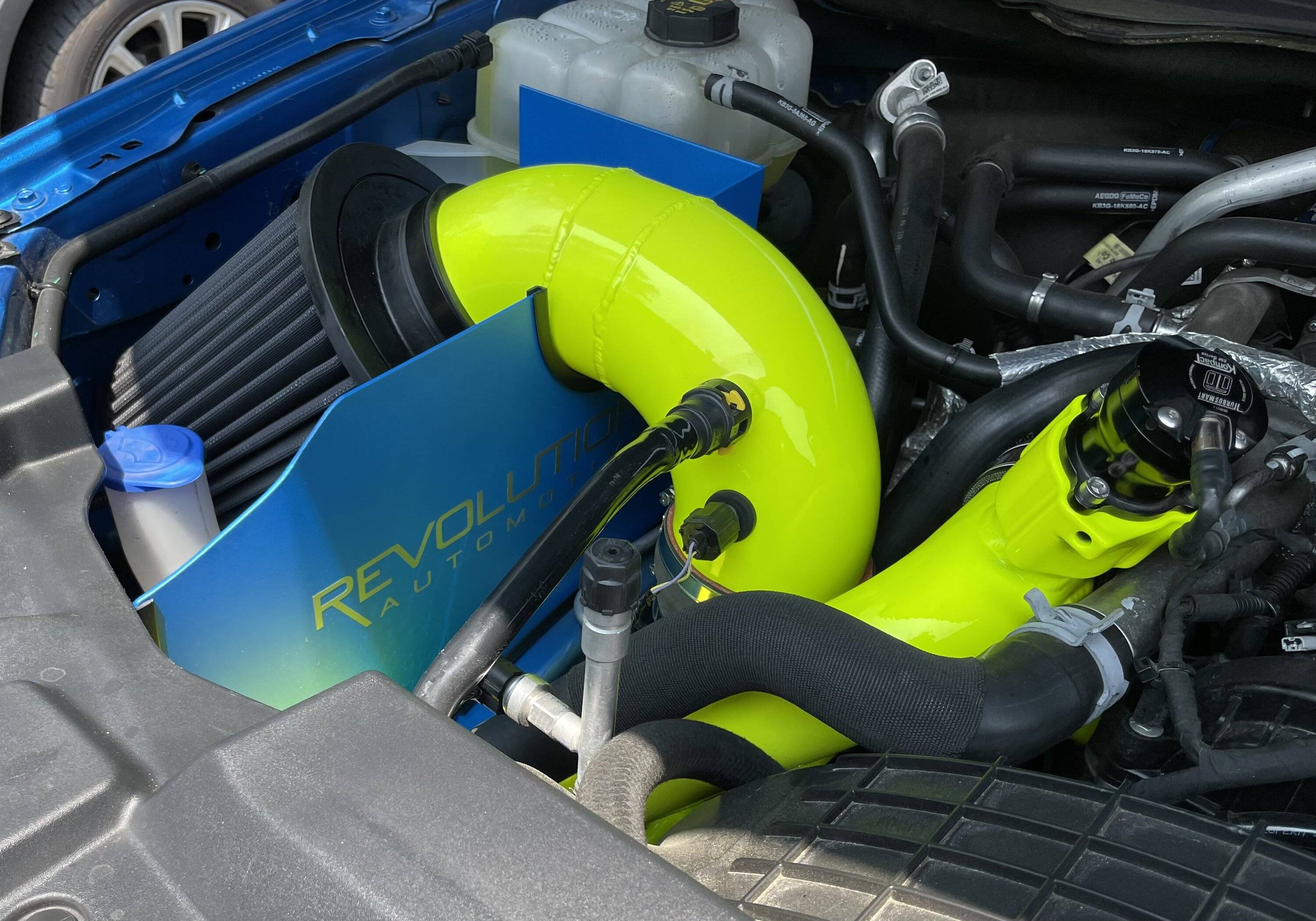
this intake? It’s a HAI. We call it Whale Dick
![]()
![]()
I know, I was just asking the guy who made that comment to be nice. He was trying to make me look stupid so I thought I’d take the high road instead. That’s super good info though and really helps everyone understand how it works better.Virtually all engines for the past 20 years or so have had low tension piston rings.
Upwards of 60% of the friction in an internal combustion engine comes from the piston rings. Reducing this friction translates directly to increased power and economy.
Horse Power TV demonstrated this on a 351 Windsor engine they were building. I forget the exact numbers but it was very dramatic. They took a stock replacement piston with the high tension rings used when the engine was built and measured the force required to pull the piston through the bore. They then took a modern piston fitted with low tension rings and measured the force required to pull the piston through the bore. The high tension rings required about 30 lbs to pull through the bore verse less than 10 lbs for a low tension ring.
Clarify/educate/confirm the following, as I understand it: 5w-50, 5w-30, 5w-20 are all a 5 viscosity oil with additive packages that cram the equivalent protection of the 20, 30, 50 weight(viscosity) oil at operation temps. Thus why not use the 5w-50 and be ready for towing or other hard use is needed.Don't know where you got that idea but that is not true.
Low tension rings don't need the higher viscosity oil to provide adequate lubrication but other than some added friction and the resulting lower fuel mileage higher viscosity oils can/do provided better film strength under extreme conditions. If this wasn't true Ford wouldn't be recommending 5w-20 in the coyote 5.0 for normal driving and 5w-50 in the same engine for track use or 5w-30 in the 2.3 Ecoboost for normal driving and 5w-50 for track use in the same engine.
Then start a one piece driveshaft and you’ll feel like you’re in Spain ?? for the running ?‍Exactly, I’m just glad you said it instead of me. I’ve become a bully magnet lately.
Yes!Clarify/educate/confirm the following, as I understand it: 5w-50, 5w-30, 5w-20 are all a 5 viscosity oil with additive packages that cram the equivalent protection of the 20, 30, 50 weight(viscosity) oil at operation temps. Thus why not use the 5w-50 and be ready for towing or other hard use is needed.
I love this comment! It makes a lot of sense and explains so much. I daily my truck but it’s run hard and makes considerable power compared to stock. I never go past 5k intervals and usually sooner. My tuck is warmed up prior to abusing and cooled down before shutting down. Thanks for the info!Yes!
The 5W in the multiviscosity rating represents the viscosity of the oil at 0 degrees F. The -50 represents the viscosity at 212 degrees F. They are measured two completely different ways. Even straight 5 weight oil is measured at 100 degrees F. None of the numbers can be directly compared.
Now take a 5w-30 oil and measure it's viscosity in centistokes at 0 degrees F then heat it up to 212 degrees F and measure it again in centistokes the viscosity will be lower than it was at 0 degrees. The same would hold true with 5w-50, it's just that it will have thinned out less than the 5w-30.
There is a down side to using an oil with a very wide range like 5w-50. More additives are needed to keep oil from thinning out at high temperature compared to a 5w-30. As they wear out they can't maintain the extra protection you chose the oil for. A 5w-50 after 5k miles may only test as a 5w-30. So if you really need the added protection you need to be changing the oil more often. The other downside is 5w-50 is significantly more expensive.
Not just that, but I have read that volatility is much greater in 5w30 vs 5w40 or 5w50. That means slower / less coking buildup on the intake valve stems. A MAJOR plus,Clarify/educate/confirm the following, as I understand it: 5w-50, 5w-30, 5w-20 are all a 5 viscosity oil with additive packages that cram the equivalent protection of the 20, 30, 50 weight(viscosity) oil at operation temps. Thus why not use the 5w-50 and be ready for towing or other hard use is needed.
Adding a 1 piece driveshaft to your Ranger is like moving from B&W TV to Color TV. Once you've had color you'll never go back to black and white!Then start a one piece driveshaft and you’ll feel like you’re in Spain ?? for the running ?‍of the bulls
Like you, not to derail the post but... Injen PF9071WB - Cold Air Intake, made a noticeable difference in my truck. It is black though.I've been looking at the 5w40 options as they cost less and some even have the SN+ or SP formulation specs like the Motorcraft 5w50 now.
Not to derail the focus of the post, but could you share some info on the intake? If you already posted elsewhere, a link would be cool.
I still have mine, I will be using it in a dyno comparison soon. My Injen intake was poorly finished when I bought it so I powder coated it matte blue. Very noticeable sound difference and nice power. Still one of my favorite intakes so far. Besides Whale Dick of course.Like you, not to derail the post but... Injen PF9071WB - Cold Air Intake, made a noticeable difference in my truck. It is black though.