
Sponsored
Very Strange Transmission Issues. Hard Shifts, Slip and one very weird problem.
- Thread starter LightningBlue
- Start date
- Watchers 5
TJC
Well-Known Member
- First Name
- Tony
- Joined
- Aug 28, 2020
- Threads
- 46
- Messages
- 3,978
- Reaction score
- 10,028
- Location
- North Carolina
- Vehicle(s)
- 93 Miata, 05 Ranger 4x4, 20 Ranger 4x4, 23 CX-5
I am sorry to hear of your troubles.I do know that disconnecting the batter clears all adaptive learning tables.
These modern autos are too complicated for their own good! The old rules no longer apply, and our new autos are much more fragile than our largely mechanical cars of the past. I've purchased two items that I think may help me (and maybe others) avoid the pitfalls that I am seeing here.
About 10 years ago I purchased a BatteryMINDer Model OBD-12 Desulfator for 2 of my vehicles. It is a simple to hook up device that breaks up the sulfur crystals on the lead battery plates whenever your engine is running. Since installing, my batteries last 3x longer than my neighbors. I got 10 years out of my last two batteries in both vehicles they were installed in.
I have just ordered another one for my 2020 Ranger. Prices have gone up since then (was $35) and the best price I could find was at an RV shop for $82 delivered to the door. This website is a little tricky and has a link to click to get the lower price of ~$65 + tax + shipping instead of the price listed at ~$79.
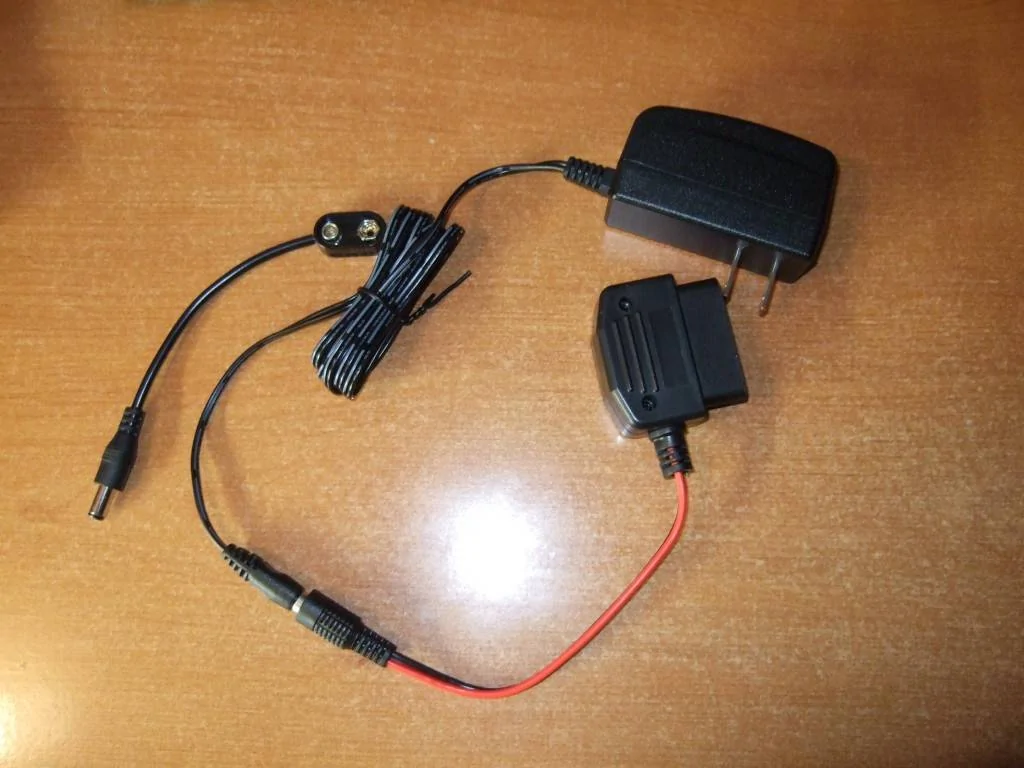
The second item was purchased quite a while back when I bought the truck. It is a small 12 volt adapter that is designed to keep your auto's computer settings when changing batteries. This means you must change the battery before a catastrophic battery failure occurs. You simply plug the device into a 12 volt port and plug it into a 110v wall outlet with a 12V wall wart PS. It keeps power to your systems while you switch out your battery. I bought it on a whim, and thought I'd never need it. I now need to find it and keep it in my 2020 Ranger. Here is a similar device available from Amazon.
My other autos are all old enough (2005, 2003, and 1993) not to need such nonsense as Item #2.
Last edited:

IdahoRanger
Well-Known Member
Had never heard of a battery desulfator. Very interesting.I am sorry to hear of your troubles.
These modern autos are too complicated for their own good! The old rules no longer apply, and our new autos are much more fragile than our largely mechanical cars of the past. I've purchased two items that I think may help me (and maybe others) avoid the pitfalls that I am seeing here.
About 10 years ago I purchased a BatteryMINDer Model OBD-12 Desulfator for 2 of my vehicles. It is a simple to hook up device that breaks up the sulfur crystals on the lead battery plates whenever your engine is running. Since installing, my batteries last 3x longer than my neighbors. I got 10 years out of my last two batteries in both vehicles they were installed in.
I have just ordered another one for my 2020 Ranger. Prices have gone up since then (was $35) and the best price I could find was at an RV shop for $82 delivered to the door. This website is a little tricky and has a link to click to get the lower price of ~$65 + tax + shipping instead of the price listed at ~$79.
The second item was purchased quite a while back when I bought the truck. It is a small 12 volt adapter that is designed to keep your auto's computer settings when changing batteries. This means you must change the battery before a catastrophic battery failure occurs. You simply plug the device into a 12 volt port and plug it into a 110v wall outlet. It keeps power to your systems while you switch out your battery. I bought it on a whim, and thought I'd never need it. I now need to find it and keep it in my 2020 Ranger. Here is a similar device available from Amazon
My other autos are all old enough (2005, 2003, and 1993) not to need such nonsense as Item #2.
@TJC Would you connect this directly to the battery post or before the BCM. Do you know anything about the Noco Genius5?
Last edited:
Shoran12
Well-Known Member
- First Name
- Shane
- Joined
- Dec 17, 2022
- Threads
- 24
- Messages
- 645
- Reaction score
- 1,682
- Location
- Maryville TN
- Vehicle(s)
- 2022 Ranger STX
- Occupation
- Millwright
Yeah curious how this would connect. Maybe he’s got a pic? I’m used to a positive and negative terminal with nothing else attached. When I open the hood on this truck and looked at the battery I felt dump.Had never heard of a battery desulfator. Very interesting.
@TJC Would you connect this directly to the battery post or before the BCM. Do you know anything about the Noco Genius5?
TJC
Well-Known Member
- First Name
- Tony
- Joined
- Aug 28, 2020
- Threads
- 46
- Messages
- 3,978
- Reaction score
- 10,028
- Location
- North Carolina
- Vehicle(s)
- 93 Miata, 05 Ranger 4x4, 20 Ranger 4x4, 23 CX-5
I will be connecting mine to the posts ( I will not be disconnecting the battery, just taking off the nut). And yes, it as simple as that. The pigtail is used when you wish to charge the battery through the desulfator. Simply plug your charger into the pigtail, and it will charge and desulfate at the same time. The same is true if you connect to the + battery post and to the nut before the BCM on the negative terminal.. The desulfator goes to work when it sees a charging voltage, be from the alternator or an external charger.Had never heard of a battery desulfator. Very interesting.
@TJC Would you connect this directly to the battery post or before the BCM. Do you know anything about the Noco Genius5?
Attempting to revive a long discharged / discarded battery
I am attempting to bring back a battery made in Jan 2006 right now that has sat for a few years.. It is rated at 725 CCA. When I first checked it, it had a resistance of 31 ohms and 4 volt output. It charged in 12 hours to 13.31v, but only had 123 CCA and a resistance of 20 ohms. 12 hours later it was at 261 CCA and resistance at 12 ohms. Just checked it (12 hourts later) - 332 CCA and resistance at 9.8 Ohms. Voltage is still holding at a little over 13 volts. It may take a couple of weeks to a month to get it back. I am targeting under 5 Ohms and 600 CCA. I may let it go even longer if it continues to show improvement. Once I get it to a good level I'll let it settle over night to get an honest reading.
UPDATE: 48 Hours from Start
Up to 375 CCA, just over 50% of the CCA of the battery rating when new. Voltage at 13.5. Resistance is now 8.1 Ohms. Battery Minder Desulfator shows the battery up from poor to average health. It has 5 levels with an LED signifying where the state of the battery is. It started at level 1 - Dead and is now at Level 3.
--------------------------
If the battery does not have shorted cells there is a good possibility of bringing it back to 80% or better of its original capacity. It just takes some time. Desulfating uses very little energy. My Battery Minder charger was putting out 8 Amps early on, but now it is simply maintaining and desulfating.... at a cost of ~35 cents / month.
My other smart chargers reported "battery bad". My very old dumb chargers would have boiled the water out of the battery with 15 Amps going in.
I know there are several very nice modern chargers on the market, but I have no personal experience with them. The NOCO looks like a nice charger (just read an overview). The battery desulfator will not interfere with the NOCO.
Last edited:
TJC
Well-Known Member
- First Name
- Tony
- Joined
- Aug 28, 2020
- Threads
- 46
- Messages
- 3,978
- Reaction score
- 10,028
- Location
- North Carolina
- Vehicle(s)
- 93 Miata, 05 Ranger 4x4, 20 Ranger 4x4, 23 CX-5
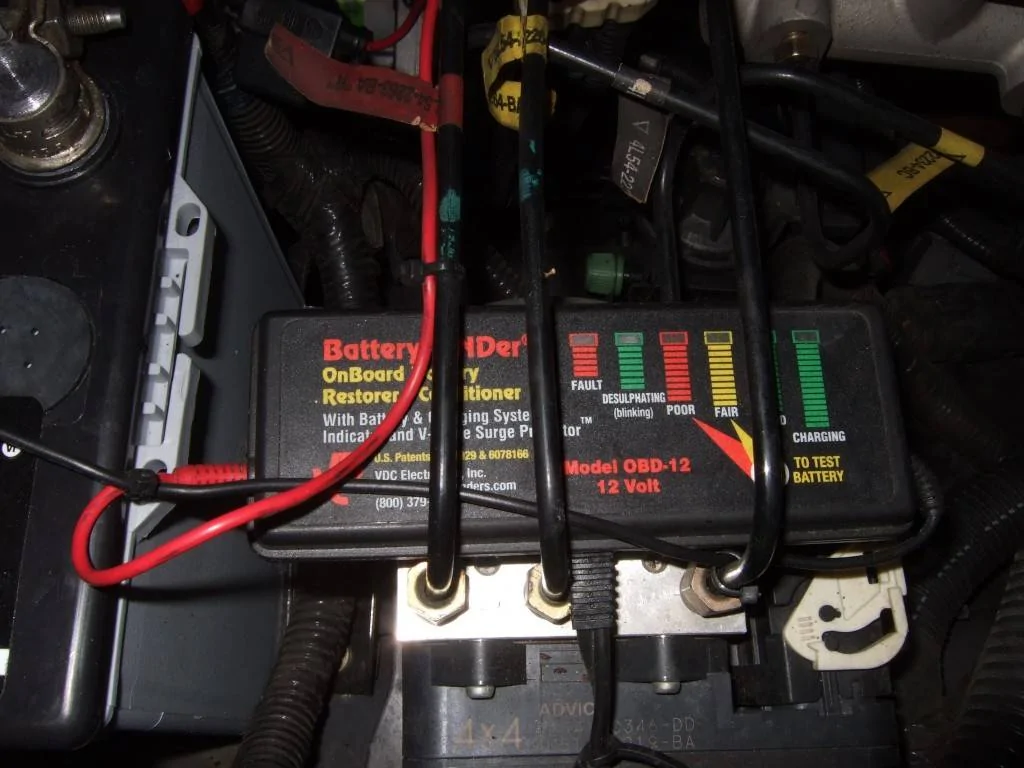
Here is a picture of the BM desulfator installed in my 2005 Ranger. It is sitting on the antilock brake module next to the battery. Nothing more than Velcro holding it in place. Been there for a very long time 10-15 years. I've lost track of when I purchased it. I just put battery #3 in the truck 3 months ago. So 2 batteries replaced in 17 years, and the first one went a few years without the desulfator installed.Yeah curious how this would connect. Maybe he’s got a pic? I’m used to a positive and negative terminal with nothing else attached. When I open the hood on this truck and looked at the battery I felt dump.

airline tech
Well-Known Member
- Joined
- Aug 24, 2022
- Threads
- 28
- Messages
- 4,499
- Reaction score
- 8,592
- Location
- Midwest - KS
- Vehicle(s)
- 2022 Ranger Lariat-Super Crew, Cactus Gray
- Occupation
- Aircraft Tech
I don't know if this will help, but I am thinking that the dealer, possibly cleared the adaptive tables, but did not perform it correctly or just needs redone again.
Adaptive Learning Drive Cycle
Programming
NOTE: Perform the adaptive learning drive cycle on a level road surface.
Adaptive Learning Drive Cycle
Programming
NOTE: Perform the adaptive learning drive cycle on a level road surface.
- Using the scan tool, clear the DTCs (Diagnostic Trouble Codes) and Transmission Adaptive Tables.
- Drive the vehicle until the engine and transmission reach normal operating temperature.
- Accelerate from a stop with light throttle (15%) ensuring that upshifts 1st through 8th occur at engine speeds between 1300-1600 rpm.
- Continue to accelerate (may apply slightly more throttle after 7-8 upshift at 32-38 mph (51-61 km/h) until you achieve 55 mph (88 km/h) and the 8-9 and 9-10 shifts complete.
- Brake very gently to a complete stop and hold foot on brake for five (5) seconds.
- Shift the transmission to Neutral. Wait 1 second.
- Shift the transmission to Reverse. Wait 2 seconds.
- Shift the transmission to Neutral. Wait 1 second.
- Shift the transmission to Drive. Wait 2 seconds.
- Repeat Steps 3 through 9 six additional times.
TJC
Well-Known Member
- First Name
- Tony
- Joined
- Aug 28, 2020
- Threads
- 46
- Messages
- 3,978
- Reaction score
- 10,028
- Location
- North Carolina
- Vehicle(s)
- 93 Miata, 05 Ranger 4x4, 20 Ranger 4x4, 23 CX-5
It is worth a try. I certainly would do it... but what do I know?I don't know if this will help, but I am thinking that the dealer, possibly cleared the adaptive tables, but did not perform it correctly or just needs redone again.
Adaptive Learning Drive Cycle
Programming
NOTE: Perform the adaptive learning drive cycle on a level road surface.
- Using the scan tool, clear the DTCs (Diagnostic Trouble Codes) and Transmission Adaptive Tables.
- Drive the vehicle until the engine and transmission reach normal operating temperature.
- Accelerate from a stop with light throttle (15%) ensuring that upshifts 1st through 8th occur at engine speeds between 1300-1600 rpm.
- Continue to accelerate (may apply slightly more throttle after 7-8 upshift at 32-38 mph (51-61 km/h) until you achieve 55 mph (88 km/h) and the 8-9 and 9-10 shifts complete.
- Brake very gently to a complete stop and hold foot on brake for five (5) seconds.
- Shift the transmission to Neutral. Wait 1 second.
- Shift the transmission to Reverse. Wait 2 seconds.
- Shift the transmission to Neutral. Wait 1 second.
- Shift the transmission to Drive. Wait 2 seconds.
- Repeat Steps 3 through 9 six additional times.
OP
OP
LightningBlue
Well-Known Member
- First Name
- Ryan
- Joined
- Feb 12, 2019
- Threads
- 13
- Messages
- 279
- Reaction score
- 385
- Location
- Rancho Cucamonga, Ca
- Vehicle(s)
- 2019 Lightning Blue XLT FX4/ 2023 Subaru Forester
- Vehicle Showcase
- 1
- Thread starter
- #39
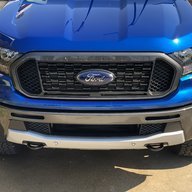
Insane right!Did your truck get struck by lighting in the middle of the night?

TJC
Well-Known Member
- First Name
- Tony
- Joined
- Aug 28, 2020
- Threads
- 46
- Messages
- 3,978
- Reaction score
- 10,028
- Location
- North Carolina
- Vehicle(s)
- 93 Miata, 05 Ranger 4x4, 20 Ranger 4x4, 23 CX-5
I believe that Ford pushed the envelope a little too far in an effort to meet Fed CAFE standards.Why is all this happening? Doesn't Ford test its products beforehand any more?
They (the Feds) are focusing on home appliances now.

Rocketeer61
Well-Known Member
Great. Can't wait for the government-approved dishwashers to hit the scene.I believe that Ford pushed the envelope a little too far in an effort to meet Fed CAFE standards.
They (the Feds) are focusing on home appliances now.
OP
OP
LightningBlue
Well-Known Member
- First Name
- Ryan
- Joined
- Feb 12, 2019
- Threads
- 13
- Messages
- 279
- Reaction score
- 385
- Location
- Rancho Cucamonga, Ca
- Vehicle(s)
- 2019 Lightning Blue XLT FX4/ 2023 Subaru Forester
- Vehicle Showcase
- 1
- Thread starter
- #43
UPDATE:
So Ford called me today and informed me that they will be rebuilding the transmission. That's pretty much all the information I have as it hasn't been torn apart yet.
Should I push for a new trans or allow them to rebuild it?
So Ford called me today and informed me that they will be rebuilding the transmission. That's pretty much all the information I have as it hasn't been torn apart yet.
Should I push for a new trans or allow them to rebuild it?
TJC
Well-Known Member
- First Name
- Tony
- Joined
- Aug 28, 2020
- Threads
- 46
- Messages
- 3,978
- Reaction score
- 10,028
- Location
- North Carolina
- Vehicle(s)
- 93 Miata, 05 Ranger 4x4, 20 Ranger 4x4, 23 CX-5
If you KNOW that the mechanic is outstanding at rebuilding transmissions let them do their thing. But if you have ANY doubts push for the new transmission. The last thing you need is a failing trannie 10K-20K miles from now.

Msfitoy
Well-Known Member
- First Name
- Sid
- Joined
- Mar 5, 2019
- Threads
- 67
- Messages
- 9,215
- Reaction score
- 28,492
- Location
- North Carolina
- Vehicle(s)
- 2019 Ranger, 2003 MINI Cooper S, 2021 Honda CT125
- Occupation
- NWO Robot Polisher
- Vehicle Showcase
- 1
I faced that choice...went with a new trans for couple of reasons...one, a rebuild will cost almost as much...you will not be saving much...two, you're building on a potentially weaken potentially damaged frame work...if done through Ford, either will have a 3 year unlimited warranty...I was lucky they had a new unit in stock so that made my decision slightly easier...a rebuild will take a whole lot of time...UPDATE:
So Ford called me today and informed me that they will be rebuilding the transmission. That's pretty much all the information I have as it hasn't been torn apart yet.
Should I push for a new trans or allow them to rebuild it?
Did they give you a quote and time for both options?
Sponsored


