Big Blue
Well-Known Member
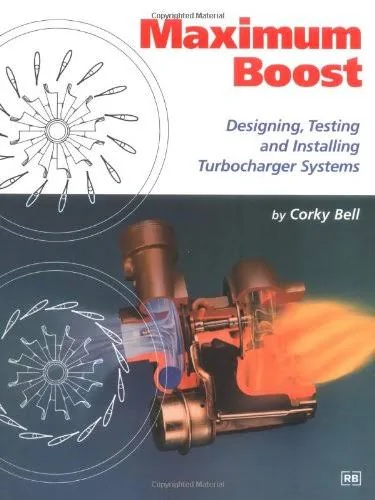
I don't do apple so can't say. It is not by same author. I'm doubtful though.
Sponsored


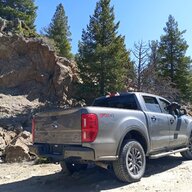
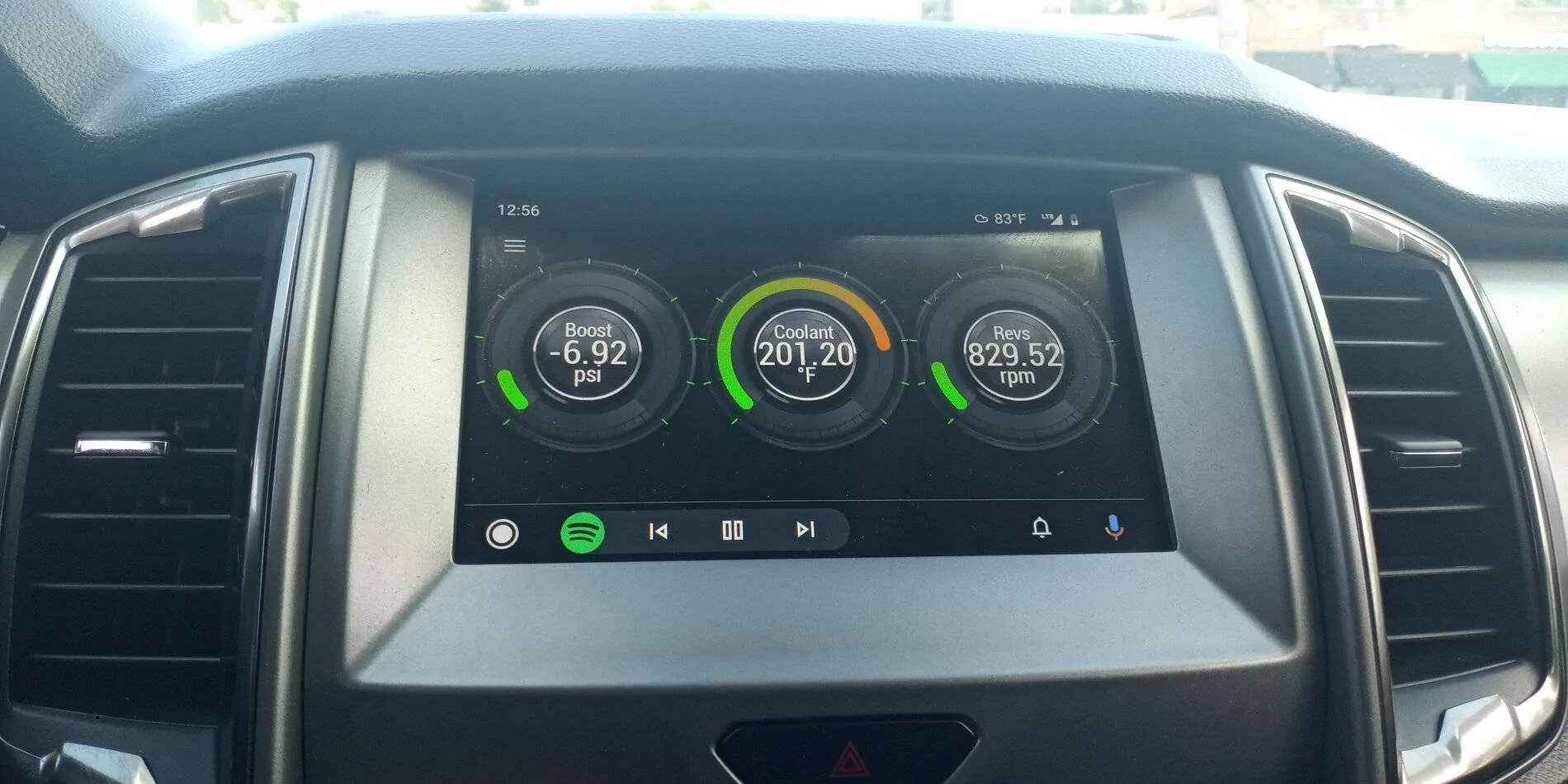
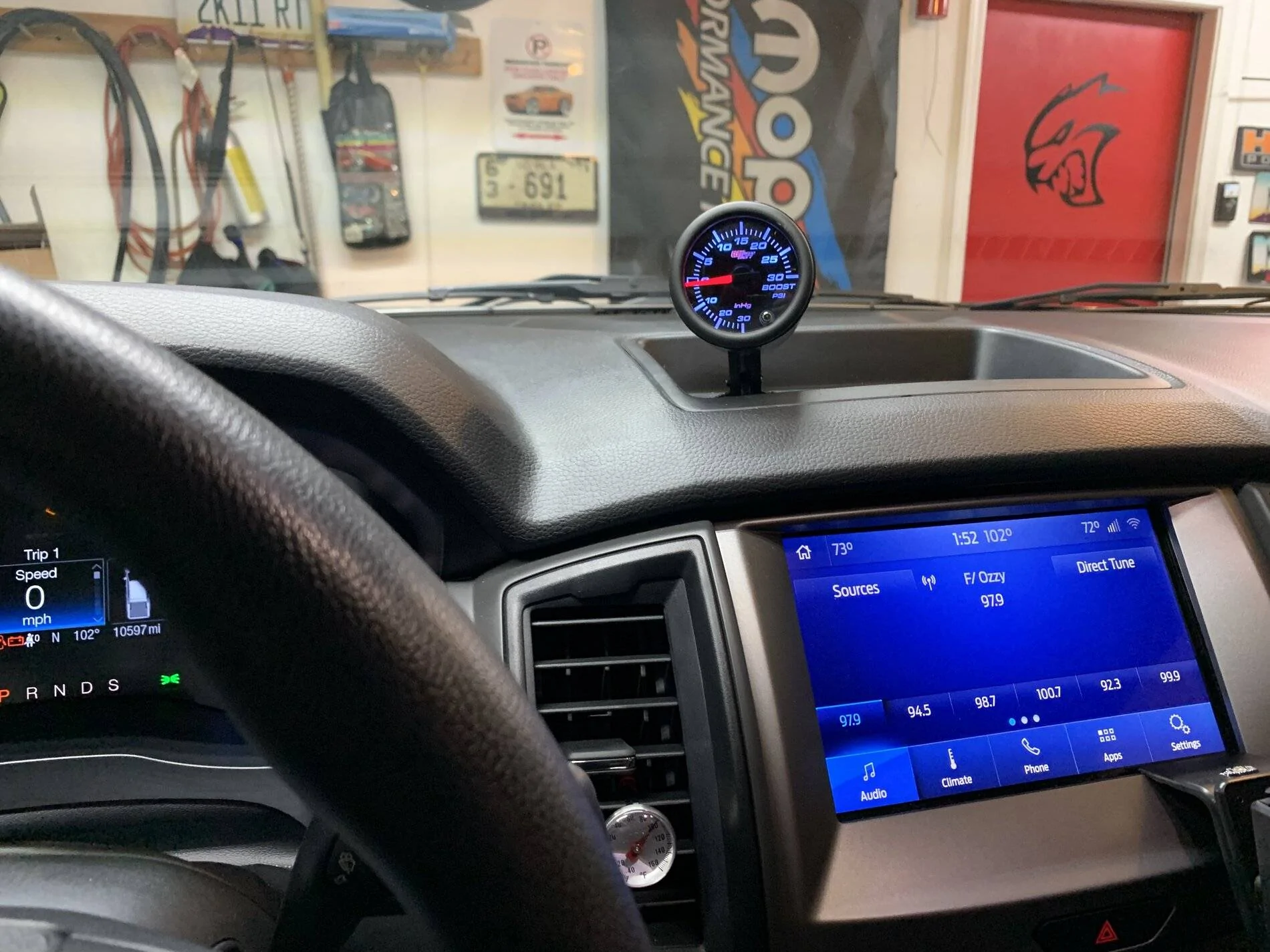

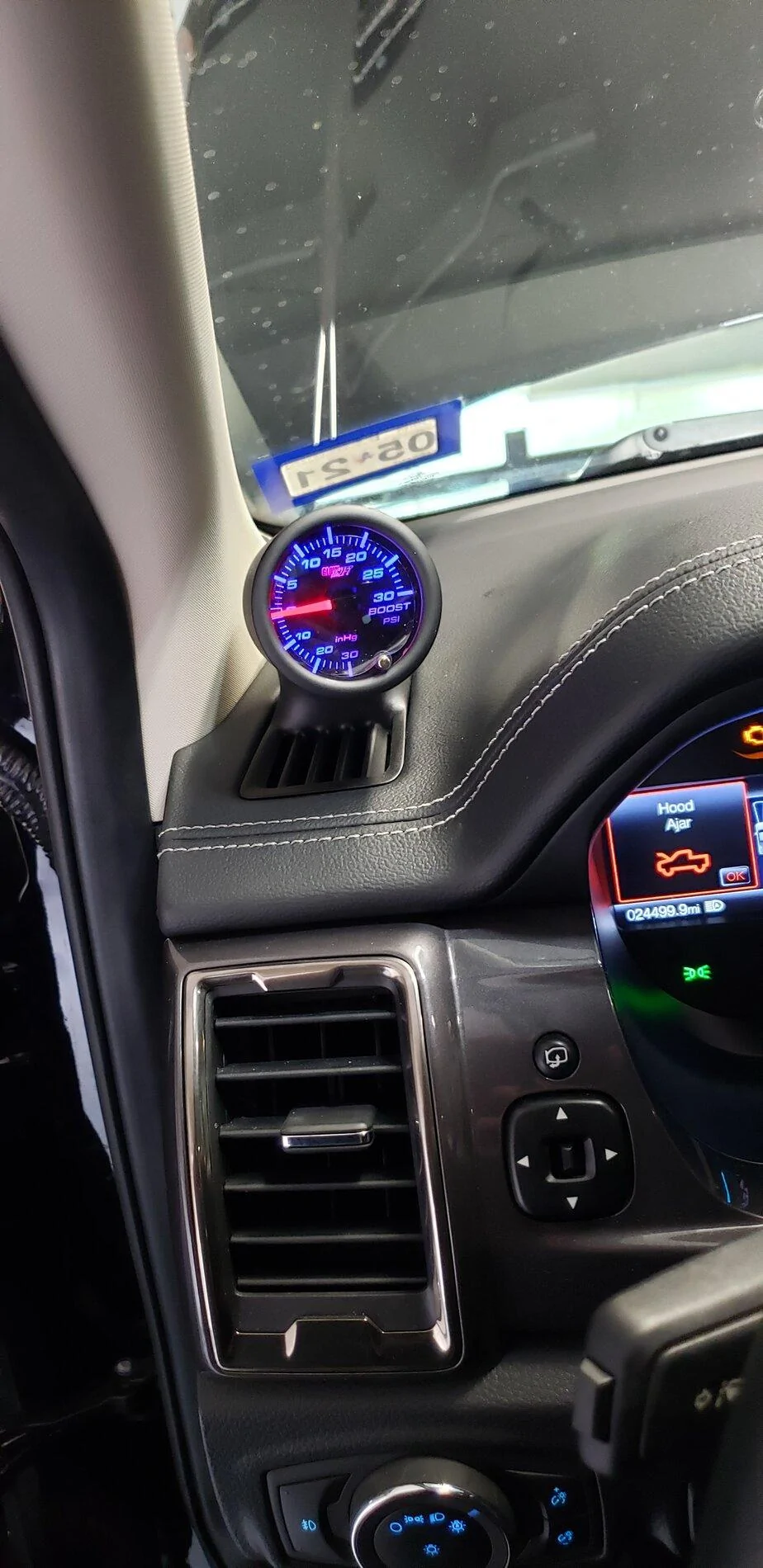
I like this gauge better! But the other one looks good too!Great thread,I added something else that is a Nice add on.
Should be nice to see what kind of boost it’s making under different loads and different situations.
Used the parts and pieces mentioned,and a glow shift pod mount,and was up and working in about an hour.
Very simple and straihgt forward.
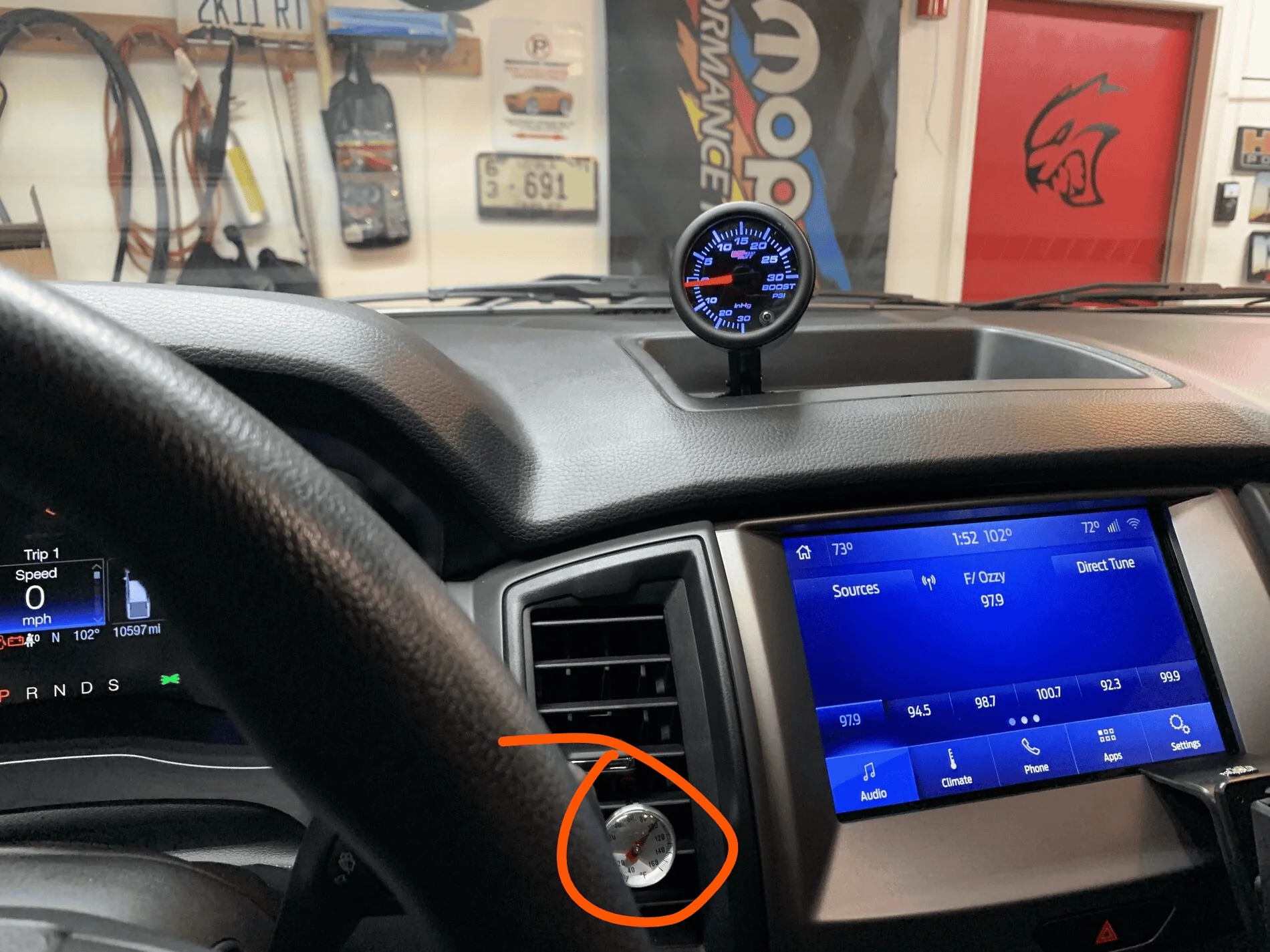
I like this gauge better! But the other one looks good too!



Generally, barometric pressure will be used in compensation tables for boost, VE, etc. As you lose baro pressure, your turbo (particularly the small ones found on an OEM like this) will start running out of its efficiency island, so you may see boost go down at really high altitudes (same with excessive intake temps). You generally have comps for target boost as well as wastegate duty cycle. These can be manipulated based on the turbo size you run. If you put a fairly large turbo, you can sometimes command more boost at altitude, or even the same boost to keep the power losses down.Can someone explain to me barometer pressure in relation to our Ranger and how to tell if something is not working correctly if barometer pressure is "so and so". Please
Very detailed. Thank you Jason, will look into some of this terminology.Generally, barometric pressure will be used in compensation tables for boost, VE, etc. As you lose baro pressure, your turbo (particularly the small ones found on an OEM like this) will start running out of its efficiency island, so you may see boost go down at really high altitudes (same with excessive intake temps). You generally have comps for target boost as well as wastegate duty cycle. These can be manipulated based on the turbo size you run. If you put a fairly large turbo, you can sometimes command more boost at altitude, or even the same boost to keep the power losses down.
As for VE, pressure at the end of the exhaust goes down, so I generally see engines lean out at high altitudes (generally when going into the mountains... I live at 8k feet) if baro comp tables are zero'd out.


Barometric pressure is the pressure that is applied to everyone and everything on the surface of the earth by the atmosphere that surrounds the earth. Your altitude in relation to sea level will will vary the barometric pressure as well weather conditions. Barometric pressure is in reference to no pressure at all as in outer space. The weather guy talks about it in "Hg (inches of Mercury) so you see numbers like 30 +/- "Hg it can be expressed in psi absolute (psia) or typically around 14.7 psia.Can someone explain to me barometer pressure in relation to our Ranger and how to tell if something is not working correctly if barometer pressure is "so and so". Please
Barometric pressure is the pressure that is applied to everyone and everything on the surface of the earth by the atmosphere that surrounds the earth. Your altitude in relation to sea level will will vary the barometric pressure as well weather conditions. Barometric pressure is in reference to no pressure at all as in outer space. The weather guy talks about it in "Hg (inches of Mercury) so you see numbers like 30 +/- "Hg it can be expressed in psi absolute (psia) or typically around 14.7 psia.
Here in North America we talk about boost in pounds per square inch or psi and manifold vacuum in "Hg. Typical Boost gauges will display both manifold vacuum as well as boost pressure. On the boost side it will be graduated in psi and on the vacuum side "Hg. When the engine is not running the gauge will read 0 or in relation to barometric pressure 14.7 psia. If you have 10 psi of boost that would be 24.7 psia. On the vacuum side 15"Hg would be approximately 7.3 psia.
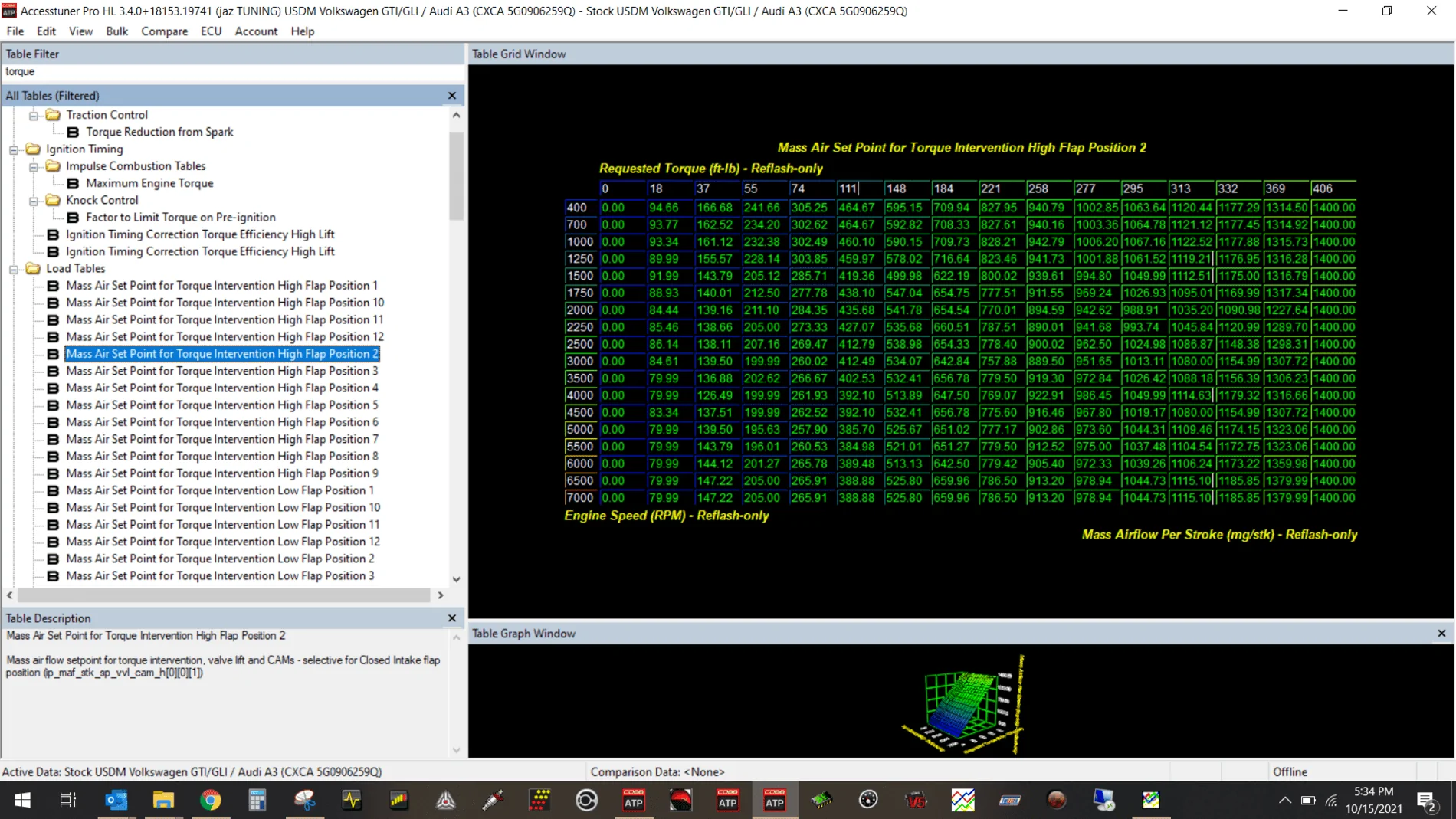
I don't have any Ford software available as the Ford's I generally tune are a bit older and we move to stand-alone ECU's, (this being one of them: ), but here some tables from a Subaru:It has been mentioned in this thread that the engine produces less boost in cooler weather. The reason for this is the 2.3 Ecoboost control strategy is for the engine to meet torque targets. In cooler denser air it does not require as much boost to meet the torque target.
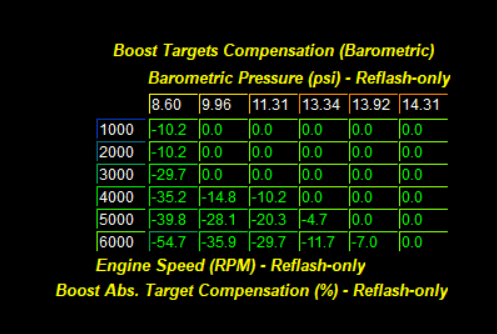
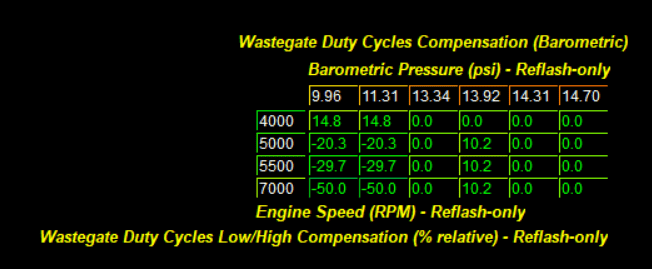
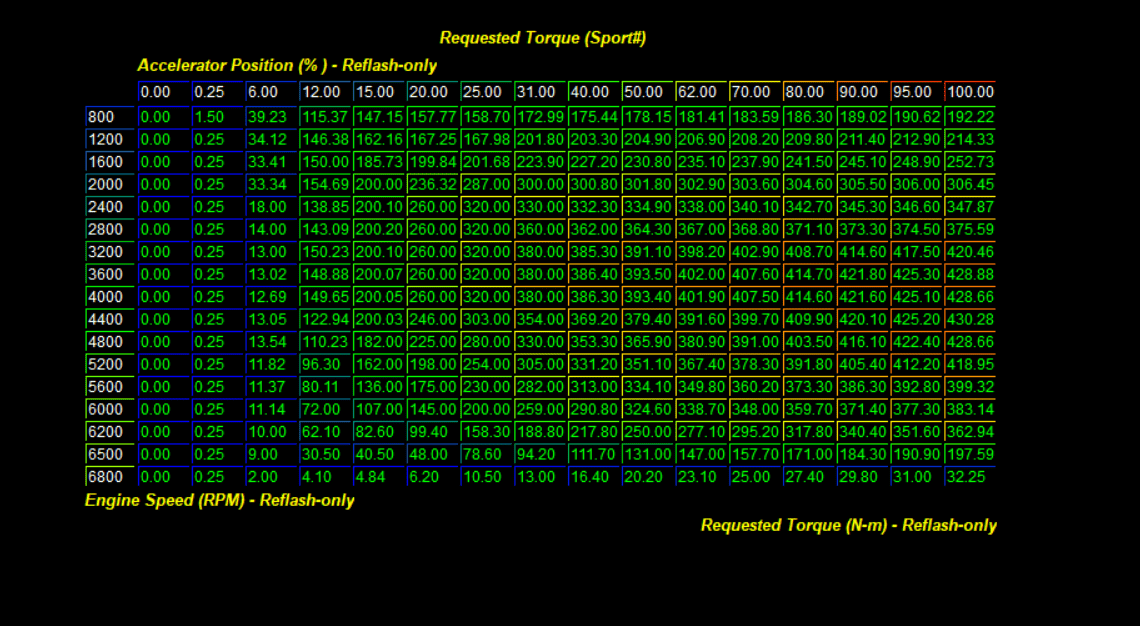
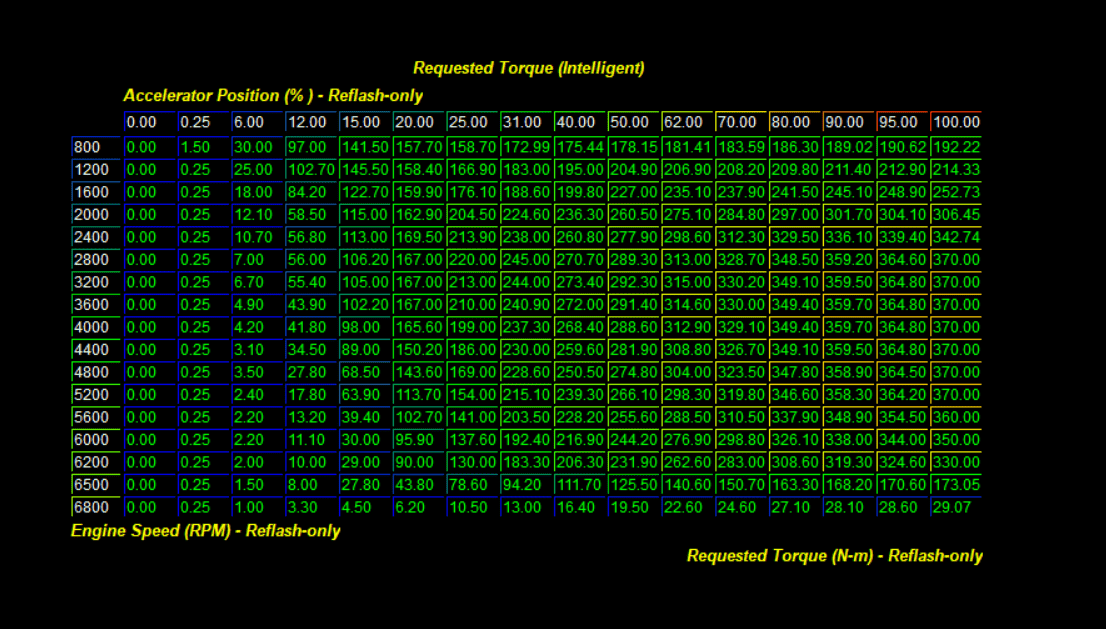
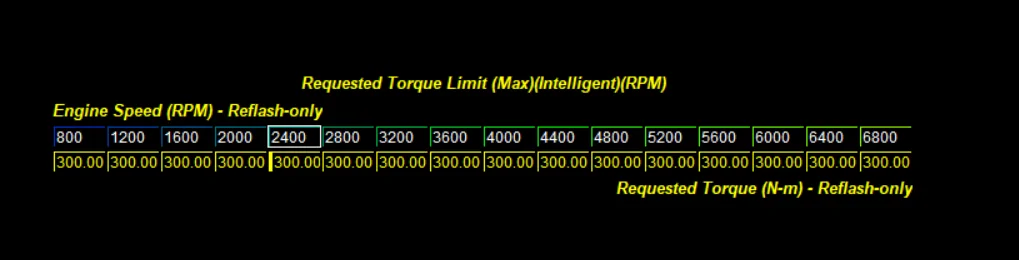
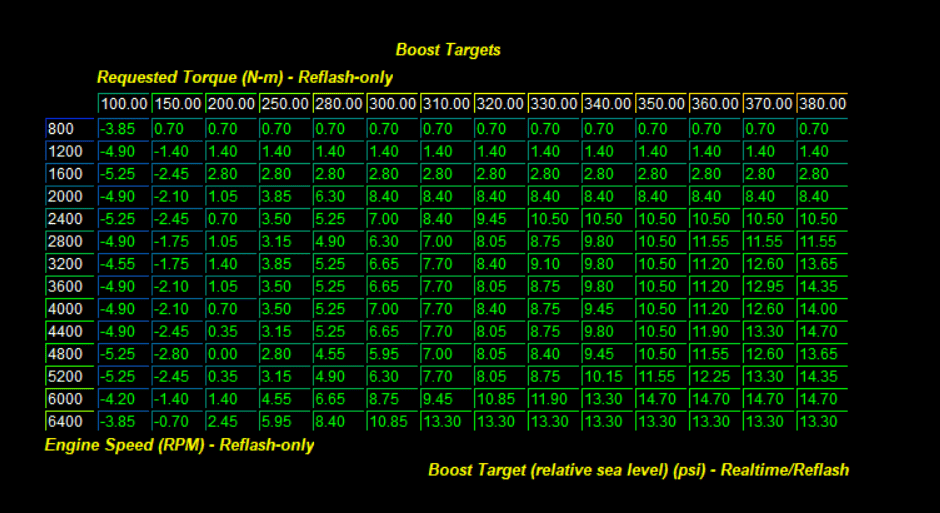
 :
:
Appreciate the very detailed response. Hello my me figure out more about this world, thank you DaveBarometric pressure is the pressure that is applied to everyone and everything on the surface of the earth by the atmosphere that surrounds the earth. Your altitude in relation to sea level will will vary the barometric pressure as well weather conditions. Barometric pressure is in reference to no pressure at all as in outer space. The weather guy talks about it in "Hg (inches of Mercury) so you see numbers like 30 +/- "Hg it can be expressed in psi absolute (psia) or typically around 14.7 psia.
Here in North America we talk about boost in pounds per square inch or psi and manifold vacuum in "Hg. Typical Boost gauges will display both manifold vacuum as well as boost pressure. On the boost side it will be graduated in psi and on the vacuum side "Hg. When the engine is not running the gauge will read 0 or in relation to barometric pressure 14.7 psia. If you have 10 psi of boost that would be 24.7 psia. On the vacuum side 15"Hg would be approximately 7.3 psia.
It has been mentioned in this thread that the engine produces less boost in cooler weather. The reason for this is the 2.3 Ecoboost control strategy is for the engine to meet torque targets. In cooler denser air it does not require as much boost to meet the torque target.

This looks soooo good!