
Sponsored

Aluminum Radiators vs OEM Plastic Aluminum Radiators

OP
OP
Frenchy

Frenchy

Well-Known Member
First Name
Chris
Joined
Mar 15, 2020
Threads
164
Messages
7,539
Reaction score
10,750
Location
Elizabeth, Colorado
Vehicle(s)
2012 Nissan Frontier, 1994 F150 XL, 2022 Ford Transit
Occupation
Field Service Technician
Well after getting the coolant bleed and taking a drive to the chiropractor today, I can absolutely say to always make sure you get the OEM Radiator and not the Aftermarket(at least with the Plastic Aluminum ones)! Don't ask me why, but for some reason the truck is kow running hotter than before! How much? Well on the HWY at 80 MPH I was touching 220° F. That is HOT! I do not recall getting that hot before even with the Original Radiator!

Thankfully I found a OEM new and it will hopefully be here this week. I will make sure it goes in before my Wyoming trip!
Sponsored
 

TJC

Well-Known Member
First Name
Tony
Joined
Aug 28, 2020
Threads
45
Messages
3,925
Reaction score
9,827
Location
North Carolina
Vehicle(s)
93 Miata, 05 Ranger 4x4, 20 Ranger 4x4, 23 CX-5
Are you sure that you burped the air out of the engine completely. I've read that it can be difficult to get those high spots with bubbles cleared out, hence the need to vacuum flush and fill.

I look back fondly at the simpler designs of yesterday. Whether it is changing a battery, a fan belt, or any number of parts that must be SW registered in order to work, the complexity is simply difficult to overcome without increasingly more expensive dedicated tools... and the knowledge needed to use them effectively.
 
OP
OP
Frenchy

Frenchy

Well-Known Member
First Name
Chris
Joined
Mar 15, 2020
Threads
164
Messages
7,539
Reaction score
10,750
Location
Elizabeth, Colorado
Vehicle(s)
2012 Nissan Frontier, 1994 F150 XL, 2022 Ford Transit
Occupation
Field Service Technician
Are you sure that you burped the air out of the engine completely. I've read that it can be difficult to get those high spots with bubbles cleared out, hence the need to vacuum flush and fill.

I look back fondly at the simpler designs of yesterday. Whether it is changing a battery, a fan belt, or any number of parts that must be SW registered in order to work, the complexity is simply difficult to overcome without increasingly more expensive dedicated tools... and the knowledge needed to use them effectively.
I promise you I did take time to bleed with the system. I will confirm that it's not exactly easy, but I have more than enough practice on doing these without a vacuum filler. Unfortunately this is considered a failed test, but at least I know now.

The main reason for replacing the Radiator in the first place was wanting to get a better hold of the engine temps. Honestly at this point I probably would have been fine just replacing the Fan Clutch, but the Radiator is also 13-15 years old. I will say I'm impressed by the OEM Design. The two tubes are right on top of each other vs others that have a little spacing(I'll see if I can get a picture to show what I'm talking about).
 
OP
OP
Frenchy

Frenchy

Well-Known Member
First Name
Chris
Joined
Mar 15, 2020
Threads
164
Messages
7,539
Reaction score
10,750
Location
Elizabeth, Colorado
Vehicle(s)
2012 Nissan Frontier, 1994 F150 XL, 2022 Ford Transit
Occupation
Field Service Technician
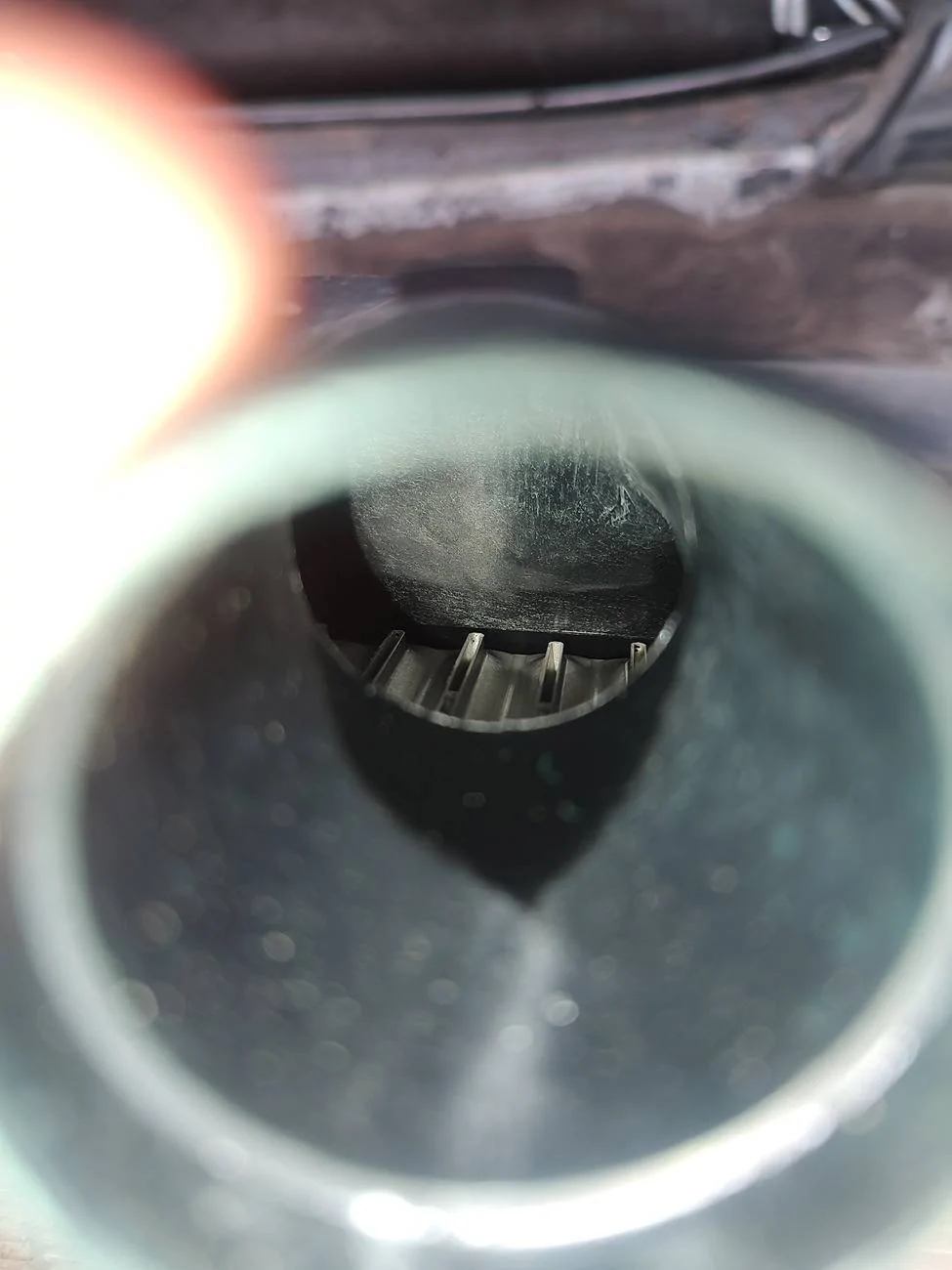
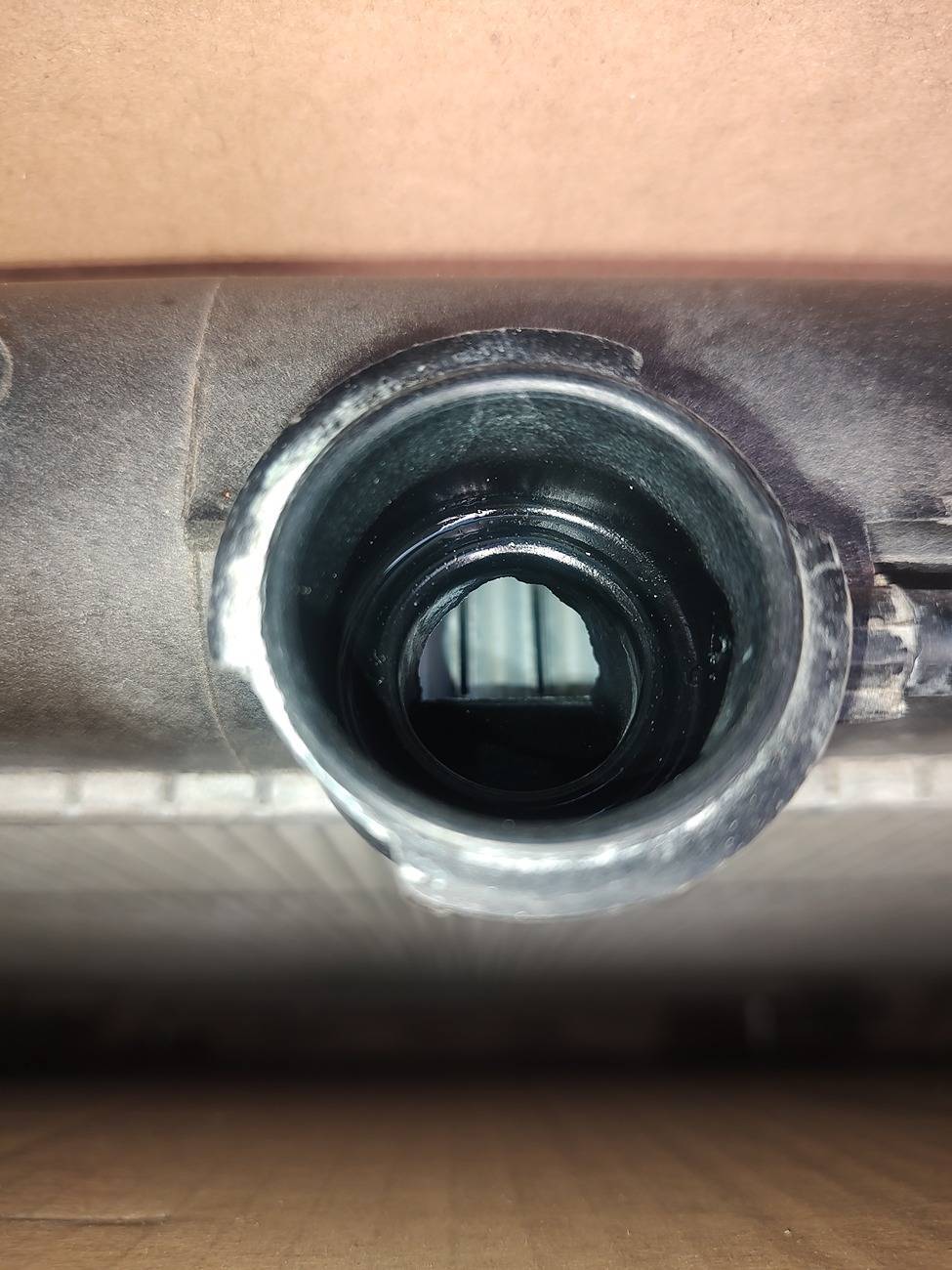
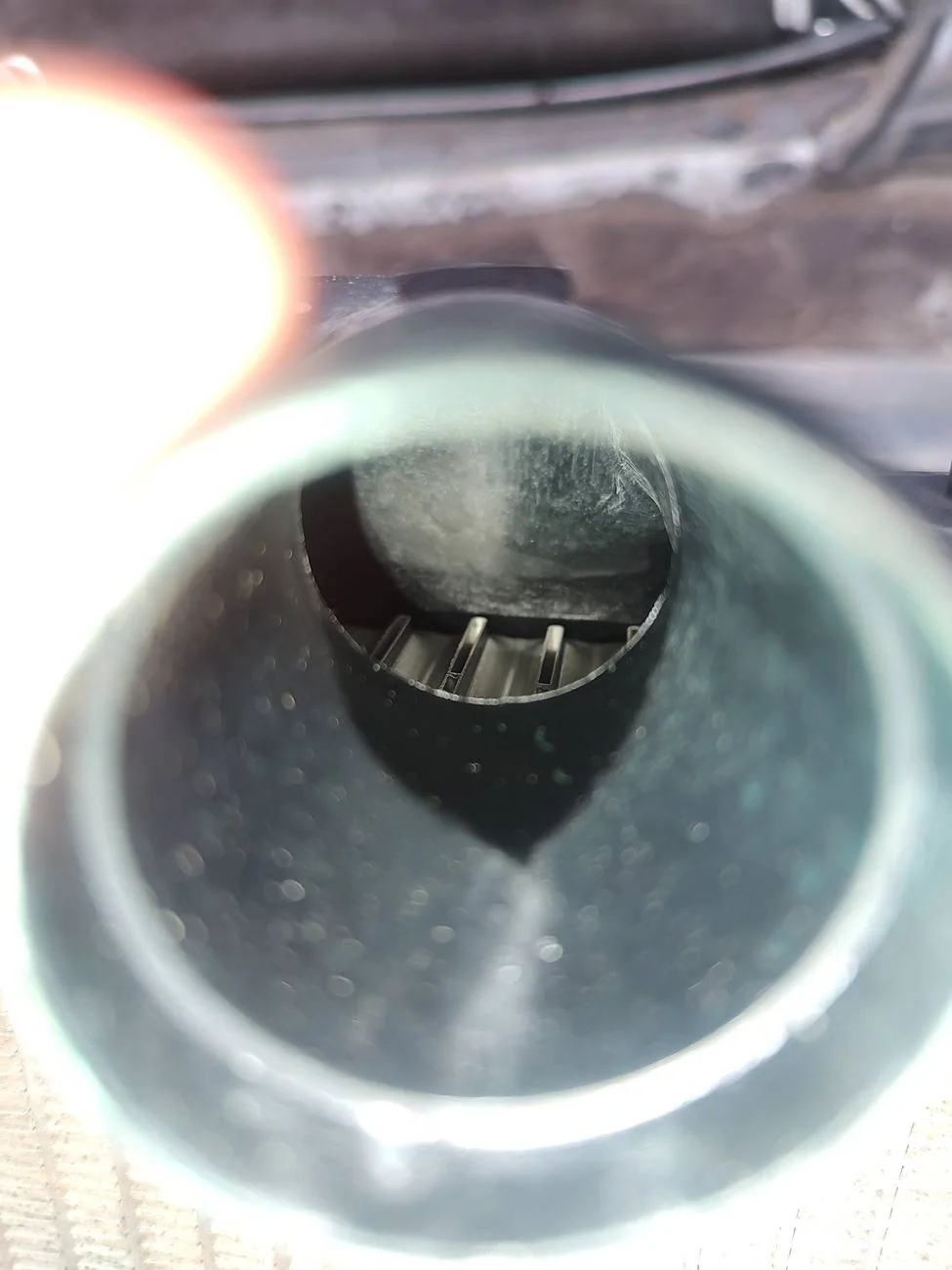
Well as promised here are some pictures inside the OEM radiator. As you can see through the cap side you can tell that the tubes are about a standard size for most.

IMG_20250713_123236577.jpg


Going through the upper inlet I was able to get a better shot of the two rows together. I tried getting it through the cap but my phone would not cooperate. If you look carefully you can tell that the two rows are right on top of each other. Usually with most aftermarket radiators you have about an eighth inch gap between the two rows. Mind you I'm talking front to back not left to right.

IMG_20250713_123612798.webp


IMG_20250713_123616911.webp


Regardless I do have an OEM radiator on the way and I will be installing it this week. Unfortunate event to say the least, but someone had to find out
 

TJC

Well-Known Member
First Name
Tony
Joined
Aug 28, 2020
Threads
45
Messages
3,925
Reaction score
9,827
Location
North Carolina
Vehicle(s)
93 Miata, 05 Ranger 4x4, 20 Ranger 4x4, 23 CX-5
I promise you I did take time to bleed with the system. I will confirm that it's not exactly easy, but I have more than enough practice on doing these without a vacuum filler. Unfortunately this is considered a failed test, but at least I know now.

The main reason for replacing the Radiator in the first place was wanting to get a better hold of the engine temps. Honestly at this point I probably would have been fine just replacing the Fan Clutch, but the Radiator is also 13-15 years old. I will say I'm impressed by the OEM Design. The two tubes are right on top of each other vs others that have a little spacing(I'll see if I can get a picture to show what I'm talking about).
Here's hoping things get sorted out before your trip. It sounds like fun. Enjoy!

I had forgot that we were talking about your Frontier V6 , not the 2.3L Ranger engine. Those points about burping the coolant system were aimed at the Ford 2.3 engine.
 
Last edited:


OP
OP
Frenchy

Frenchy

Well-Known Member
First Name
Chris
Joined
Mar 15, 2020
Threads
164
Messages
7,539
Reaction score
10,750
Location
Elizabeth, Colorado
Vehicle(s)
2012 Nissan Frontier, 1994 F150 XL, 2022 Ford Transit
Occupation
Field Service Technician
Well I caved..... I got a CSR Aluminum Radiator for the Frontier now.

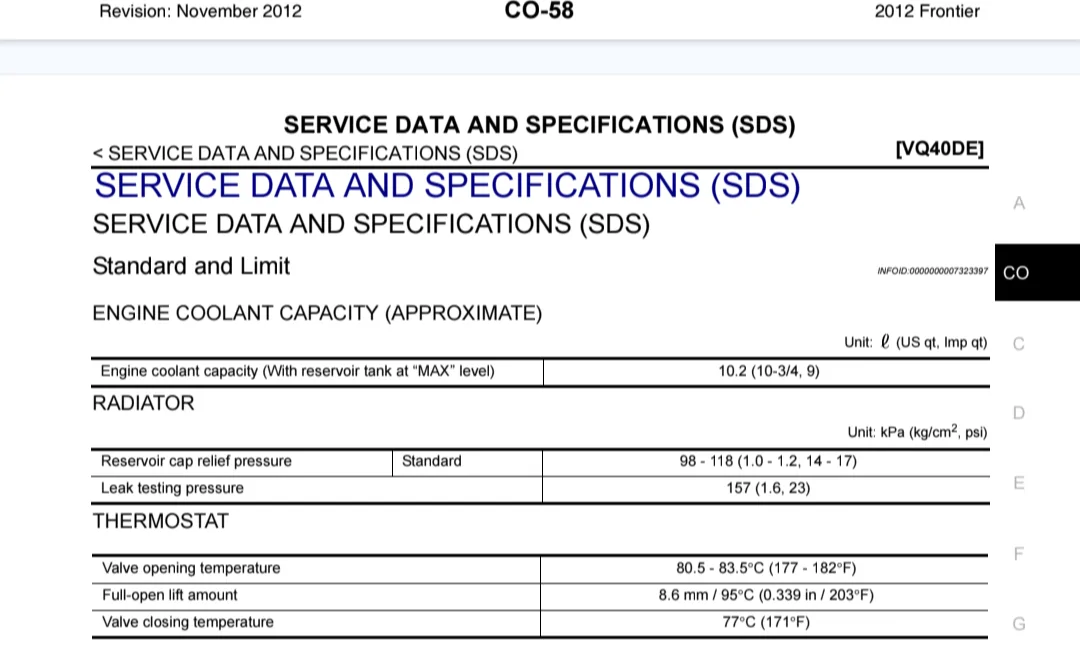
What brought me to do this? Well when I went back to the OEM Radiator I was cooling better than the KOYO, but not well enough in my opinion. I could easily see 207°F driving on the HWY at 80 MPH. Now keep in mind that the Thermostat on my truck is fully open at 203°F. If you have the Temperature higher than full open temp for a long period of time, then you have a problem.

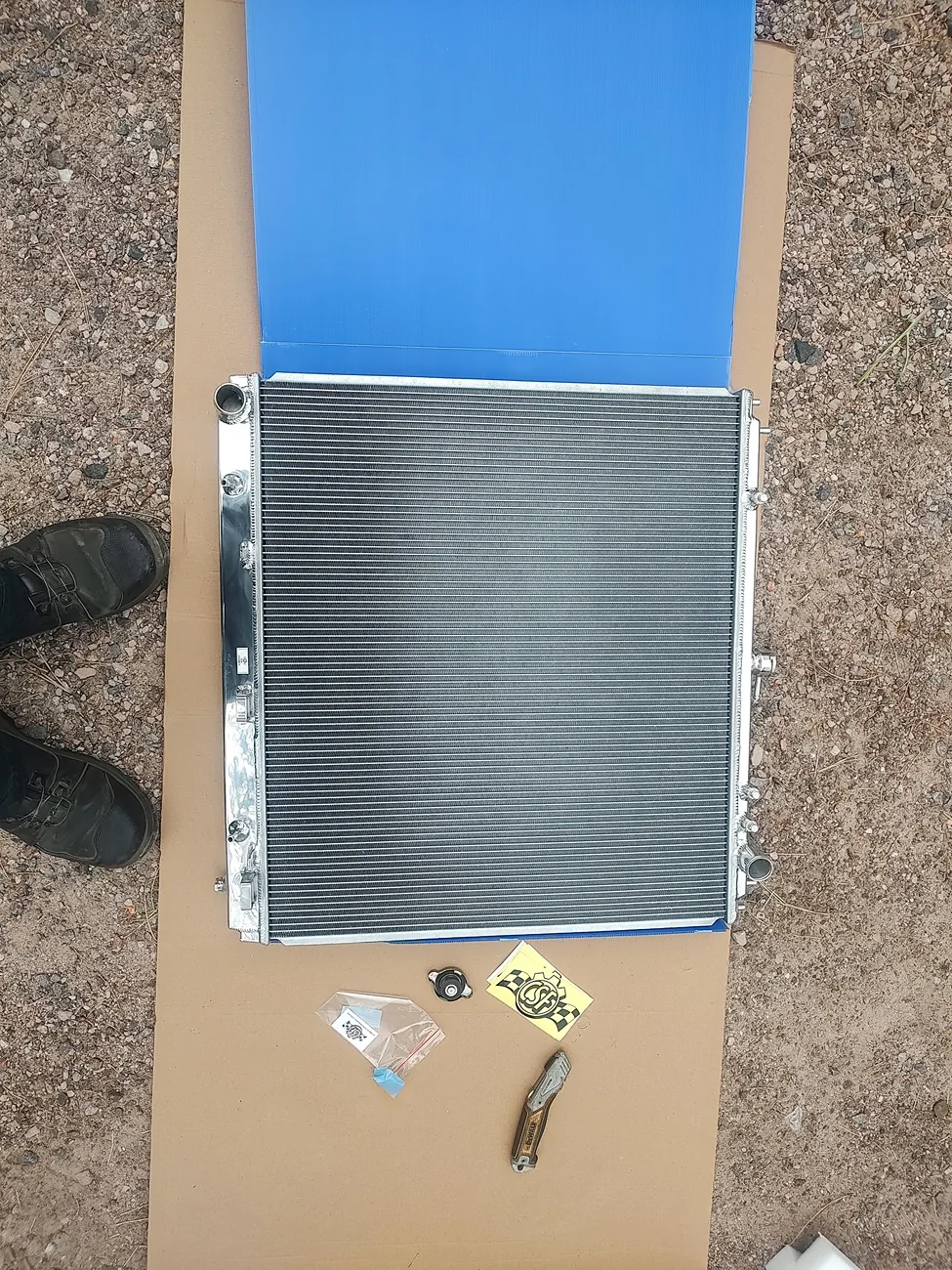
Now I did talk with the guys at CSF Racing and found out that the Aluminum Radiator has roughly 550 Square Inches more surface area over the OEM Radiator. This will definitely help with the overall Cooling Capacity. Essentially this will help keep the Coolant Temperature from Spiking under load and be a bit more stable.

I can say the Radiator is now installed and I will do some testing later to see what I get for recorded temps. I suspect it will be nice.

For those curious here is the Radiator

IMG_20250810_171820688.jpg


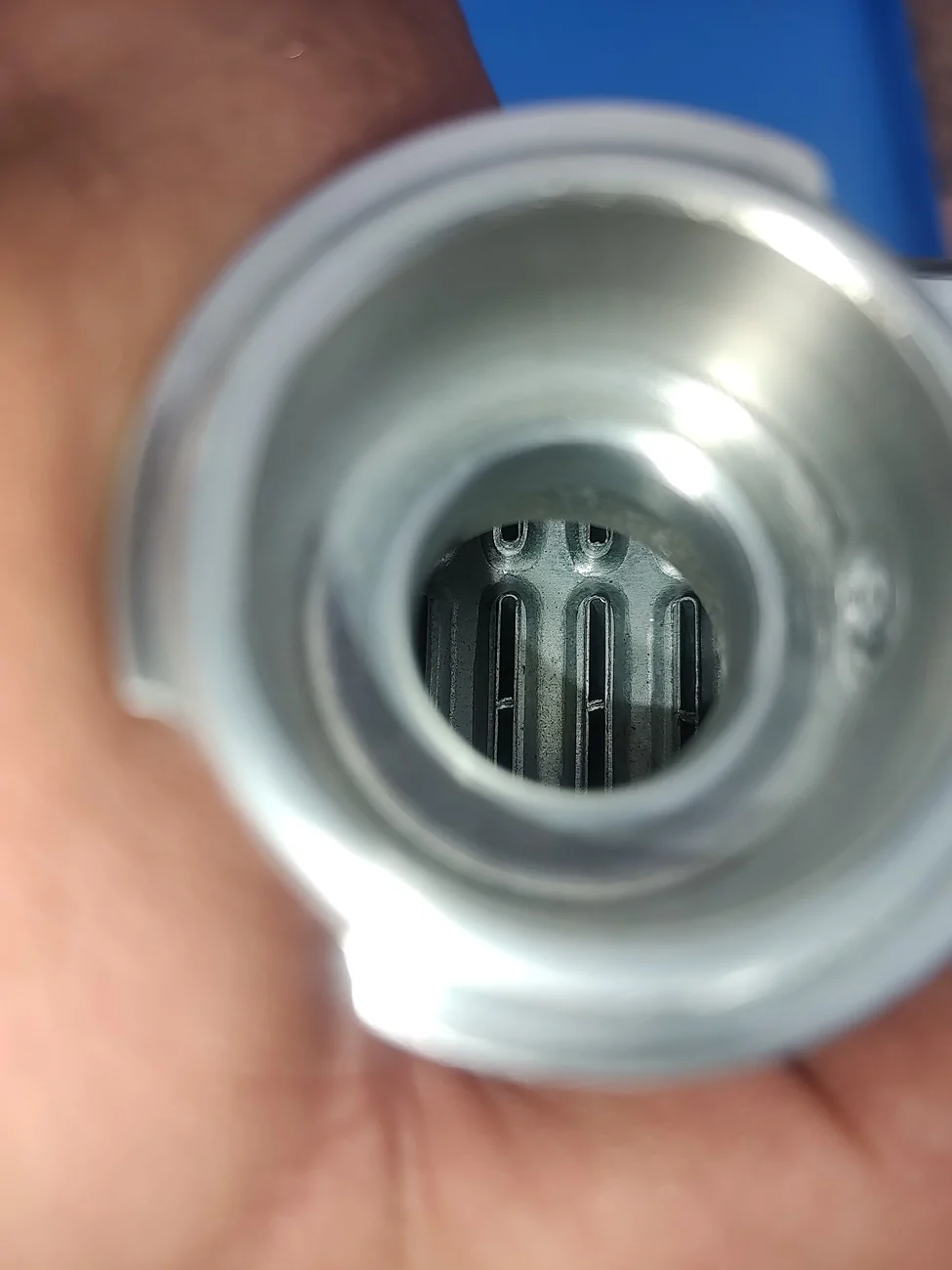
Here is a glimpse at the Tubes in there

IMG_20250810_171839915.jpg


I will reveal results most likely next weekend
 
Last edited:

TJC

Well-Known Member
First Name
Tony
Joined
Aug 28, 2020
Threads
45
Messages
3,925
Reaction score
9,827
Location
North Carolina
Vehicle(s)
93 Miata, 05 Ranger 4x4, 20 Ranger 4x4, 23 CX-5
I like shiny radiators! That should do nicely. 203F is pretty high coolant temp. Maybe a 190F t-stat would help?
 
OP
OP
Frenchy

Frenchy

Well-Known Member
First Name
Chris
Joined
Mar 15, 2020
Threads
164
Messages
7,539
Reaction score
10,750
Location
Elizabeth, Colorado
Vehicle(s)
2012 Nissan Frontier, 1994 F150 XL, 2022 Ford Transit
Occupation
Field Service Technician
I like shiny radiators! That should do nicely. 203F is pretty high coolant temp. Maybe a 190F t-stat would help?
The Factory Thermostat is a 180°F. 203°F is when it's fully open

Screenshot_20250719-230855.webp
 

TJC

Well-Known Member
First Name
Tony
Joined
Aug 28, 2020
Threads
45
Messages
3,925
Reaction score
9,827
Location
North Carolina
Vehicle(s)
93 Miata, 05 Ranger 4x4, 20 Ranger 4x4, 23 CX-5
Wow! 23 degrees is a pretty big swing from initial opening to full open! I did a little research and it seems on par with many other cars too. Back when I was seriously wrenching the range was much closer.

Seems they want modern engines to run hotter then those in the 1960's - 1980's. I guess it is to insure cleaner air perhaps.

I've changed thermostats in modern autos, just never looked at the temperature specs until now. My Chevy small block V8s ran cooler, even my 93 Miata ran cooler. I haven't checked my 4.0L V6 2005 Ranger as it has an idiot gauge for temps. Same with my 2023 CX-5.

I think that I'll hook up a few diagnostic boxes, drive around a bit and acquaint myself to the new automotive realities.
 
OP
OP
Frenchy

Frenchy

Well-Known Member
First Name
Chris
Joined
Mar 15, 2020
Threads
164
Messages
7,539
Reaction score
10,750
Location
Elizabeth, Colorado
Vehicle(s)
2012 Nissan Frontier, 1994 F150 XL, 2022 Ford Transit
Occupation
Field Service Technician
Wow! 23 degrees is a pretty big swing from initial opening to full open! I did a little research and it seems on par with many other cars too. Back when I was seriously wrenching the range was much closer.

Seems they want modern engines to run hotter then those in the 1960's - 1980's. I guess it is to insure cleaner air perhaps.

I've changed thermostats in modern autos, just never looked at the temperature specs until now. My Chevy small block V8s ran cooler, even my 93 Miata ran cooler. I haven't checked my 4.0L V6 2005 Ranger as it has an idiot gauge for temps. Same with my 2023 CX-5.

I think that I'll hook up a few diagnostic boxes, drive around a bit and acquaint myself to the new automotive realities.
Most of it does come down to Emissions and overall efficiency. I remember my 1990 S15 Jimmy with a 4.3 having a 195°F Thermostat from the Factory and the Temp Gauge reading 210°F on the norm. My 1993 Pathfinder and 1983 280ZX had no problems being closer to 170°F-180°F when not under heavy load. Before I put the ARB Bull Bar on it had no problems staying fairly close to 180°F-190°F in most conditions.

If anything having a Radiator with a bigger Cooling Capacity alone can make a huge difference on controlling the Engine Temps. Sometimes doing a Electric Fan Swap can be a good way to go as well depending on the Application, but not always the correct answer depending on the situation.
 

PltFX4

Well-Known Member
First Name
Richard
Joined
Jan 29, 2020
Threads
26
Messages
692
Reaction score
1,269
Location
Minneapolis, MN
Vehicle(s)
2019 Ranger Lariat FX4
Just curious: Has/is anyone using Evans waterless coolant in their Ranger??

Also, I just read a article on thermostats that noted the goal is to get the engine to minimum operating temp quickly (knew that) but is not intended to manage the upper range of coolant temp that the engine really was designed to operate at. So full thermostat open temp just means that the thermostat is providing minimum flow restriction when the coolant reaches that temp.
The spec sheet above provided by @Frenchy says what the thermostat specs are but what is the actual temp the engine is designed to run at? Above 203° I would guess??
 

TJC

Well-Known Member
First Name
Tony
Joined
Aug 28, 2020
Threads
45
Messages
3,925
Reaction score
9,827
Location
North Carolina
Vehicle(s)
93 Miata, 05 Ranger 4x4, 20 Ranger 4x4, 23 CX-5
I have a feeling that there is a lot of blowby designed into Direct injection engines... esp with turbos. That implies gas and water contaminants in the oil.

A hotter running engine will evaporate any gas and water that finds it way into the crankcase. Temps would need to be higher to enable cleanup of the contaminants in the crank case.

it is just a guess, but the engineering design almost demands it.
 
OP
OP
Frenchy

Frenchy

Well-Known Member
First Name
Chris
Joined
Mar 15, 2020
Threads
164
Messages
7,539
Reaction score
10,750
Location
Elizabeth, Colorado
Vehicle(s)
2012 Nissan Frontier, 1994 F150 XL, 2022 Ford Transit
Occupation
Field Service Technician
Just curious: Has/is anyone using Evans waterless coolant in their Ranger??

Also, I just read a article on thermostats that noted the goal is to get the engine to minimum operating temp quickly (knew that) but is not intended to manage the upper range of coolant temp that the engine really was designed to operate at. So full thermostat open temp just means that the thermostat is providing minimum flow restriction when the coolant reaches that temp.
The spec sheet above provided by @Frenchy says what the thermostat specs are but what is the actual temp the engine is designed to run at? Above 203° I would guess??
Each Vehicle Manufacturer will be different on what is designed. I don't recall the specs for the Ranger with the 2.3 EcoBoost, but if I remember correctly it is higher.

You are not wrong about the thermostat being close to minimal flow when it's at the lower end of the operation range, but you also have to understand the two jobs of a Thermostat. Job #1 is related to cold start and that is getting the Engine up to Operating Temperature. Job #2 is to Maintain Operating Temperature. Of course there are other parts that need to work with the Thermostat in order to do this job correctly like the Water Pump and the Radiator. If any of the 3 have a problem, then you will have issues regardless.
 
OP
OP
Frenchy

Frenchy

Well-Known Member
First Name
Chris
Joined
Mar 15, 2020
Threads
164
Messages
7,539
Reaction score
10,750
Location
Elizabeth, Colorado
Vehicle(s)
2012 Nissan Frontier, 1994 F150 XL, 2022 Ford Transit
Occupation
Field Service Technician
The thermostat housing is a more common problem
The thermostat is not the problem here. The thermostat is doing its job well actually. This thread is more for the radiator since it's a cooling capacity thing. Keep that in mind
 

DukeCanBuildit

Well-Known Member
First Name
Duke
Joined
Jul 27, 2020
Threads
66
Messages
9,603
Reaction score
45,988
Location
Kitchener, Ontario
Vehicle(s)
2019 XLT SuperCab - FTW!
Occupation
Retired (P/T) Caregiver (F/T)
Vehicle Showcase
1
Going from plastic to aluminum tanks on a radiator is not going to make enough of a difference to be worth the effort. You are going to need a radiator with an improved core. More coolant tubes, denser cooling fins, etc.

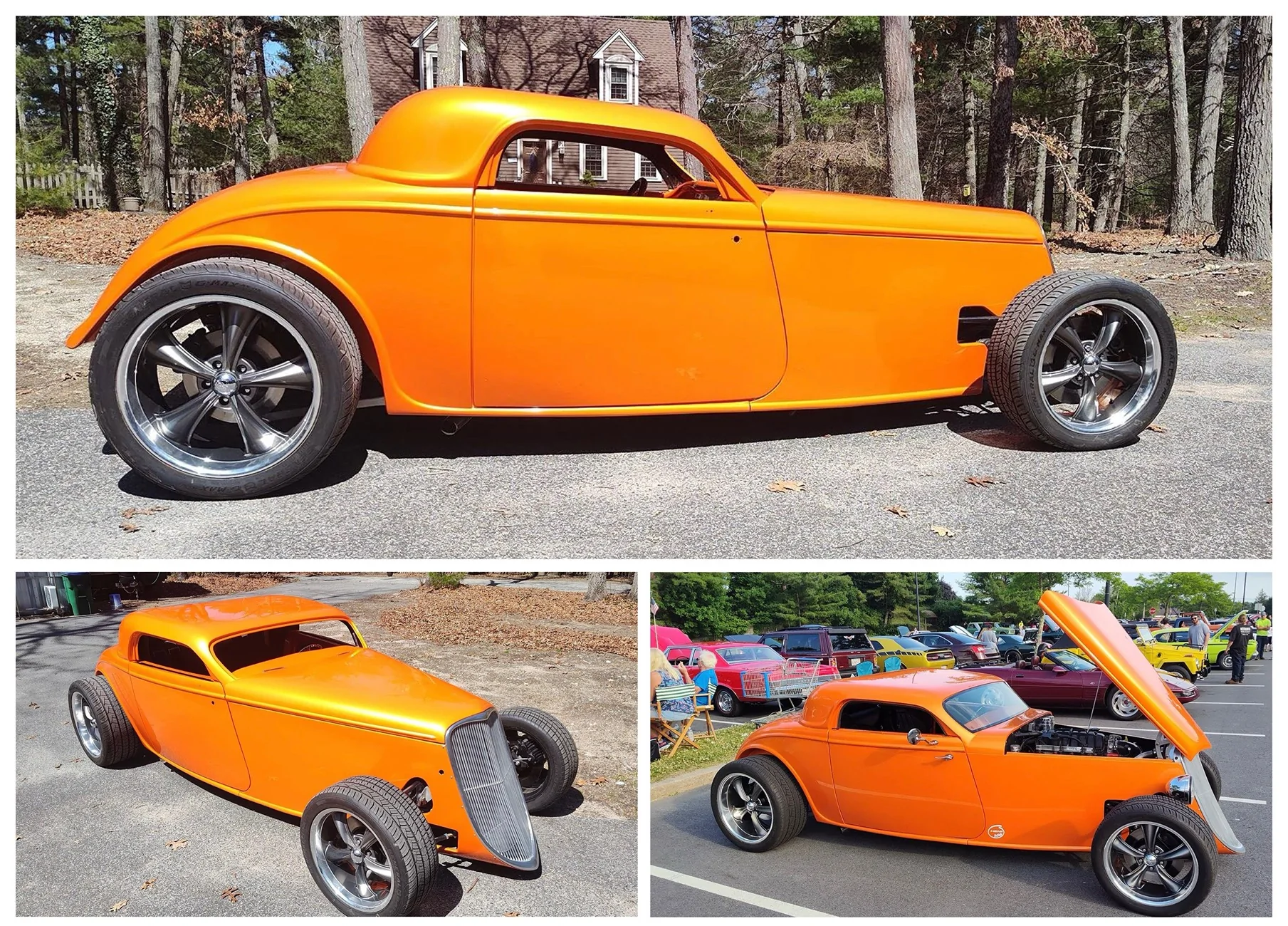
FWIW, 180 degree thermostat is awfully low these days. The Ranger has a 198 degree thermostat and the 5.7 Hemi in my hot rod has a 205 degree thermostat.
VERY hot rod, indeed.

For those who aren’t familiar……

IMG_9691.webp
Sponsored


Top