Trash Panda
Well-Known Member
- Thread starter
- #1
Greetings all,
Thought I would do another one of my write-ups on a fairly simple, yet important maintenance task on your Ranger. (This guide is geared towards those of us who have never performed this procedure)
The Ford Scheduled Maintenance is "Every 100,000 mi (160,000 km) Replace Spark Plugs."
The spark plug specifications are gap (0.027 - 0.031 in (0.70 - 0.80 mm)) and torque 12 Nm (106 in.lb (8 ft.lb))
Supplies Needed :
-4x Motorcraft SP-594 (CYFS-12Y-RT3) Spark Plugs (Our manual states SP-578 but SP-594 superseded it) ($57 total from my local dealer)
-3/8" Ratchet or 1/2" Ratchet with 1/2"-3/8" adapter (You can use a cordless like my Milwaukee 2457-20 to remove bolts after loosening them with your ratchet)
-8mm and 10mm semi-deep or deep sockets
-5/8 Spark Plug socket
-6" or 8" extension (I used a 6 inch with no issue but an 8 inch fit just fine as well. If you have a wobble extension it can help on cylinder 4)
-1/4" in.lb Torque Wrench set to 106 in.lbs (12 Nm) or 1/2" ft.lb Torque Wrench set to 8 ft.lbs (11Nm)
-Plastic/Trim Clip removal tool (I used a Craftsman CMMT98373) or small slotted head screwdriver
-Dielectric Grease (Permatex 22058)
-Straight Pick (I used my Matco PMO1C)
-Old microfiber towels
Optional :
-Step Ladder or Work Platform
-Compressed Air or Forced Air Unit (I used an Adam's Air Cannon)
-Nitrile gloves (can't forget about PPE)
Step One :
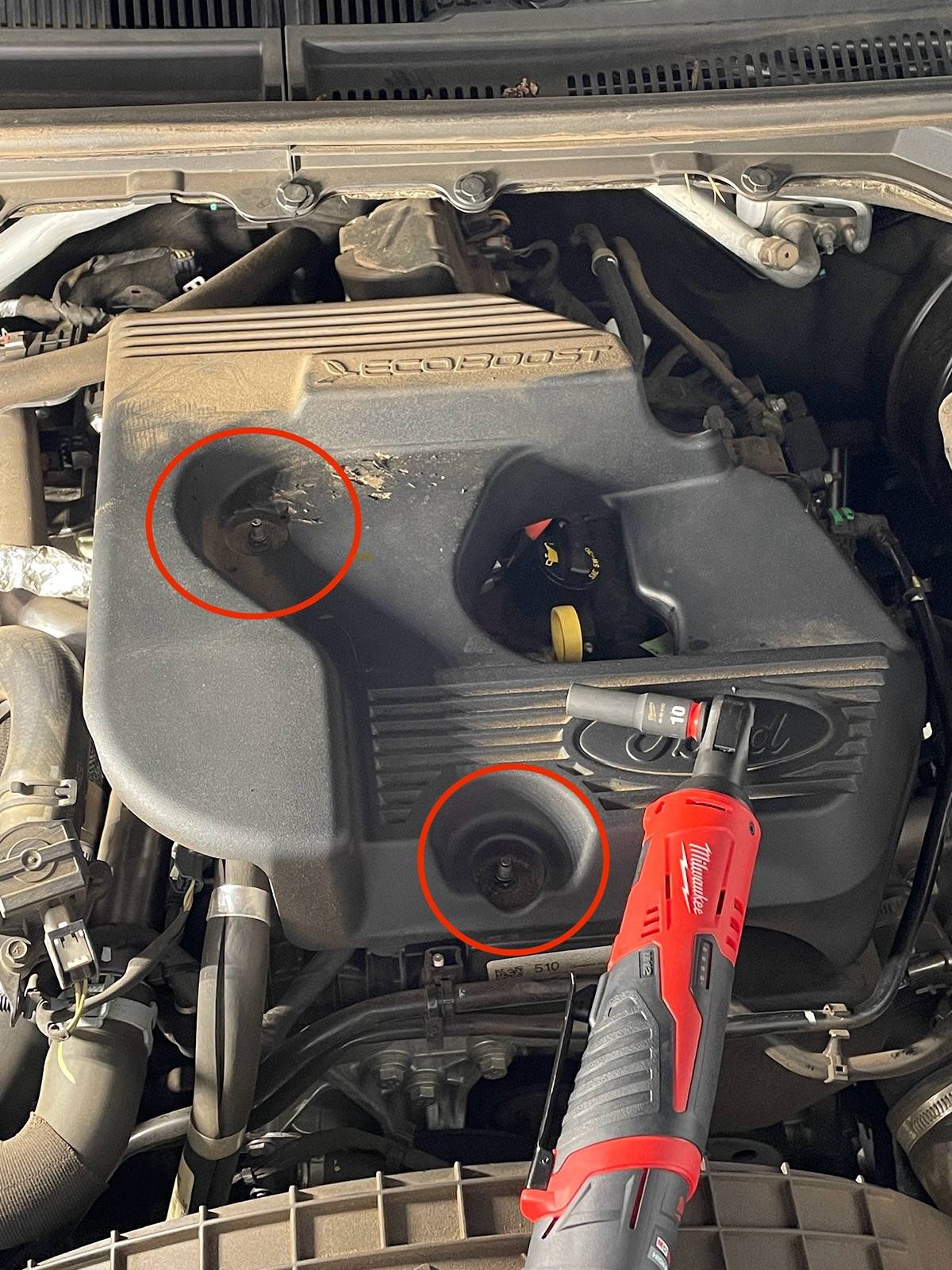
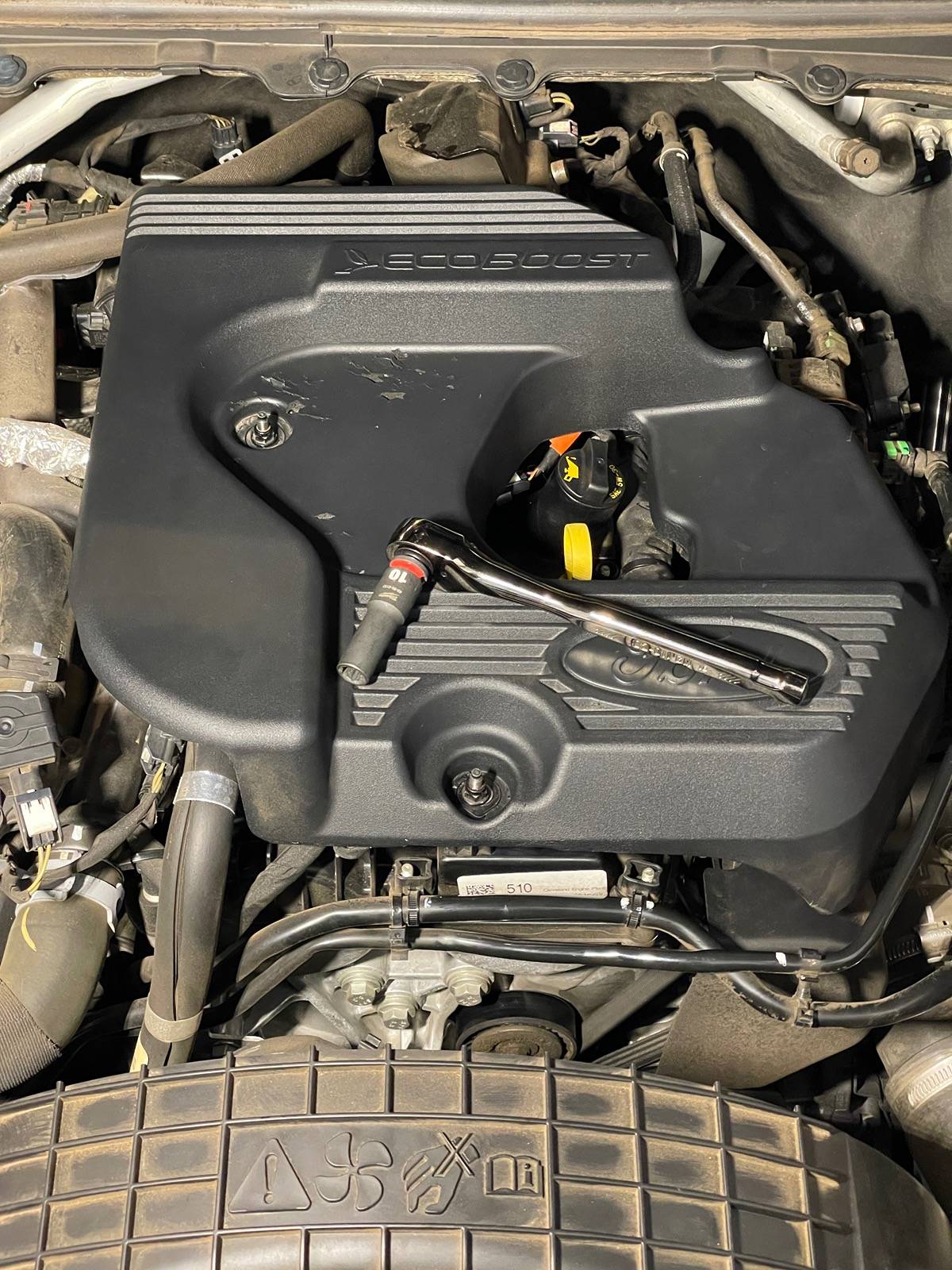
Remove the EcoBoost Engine Cover if equipped (my '19 Lariat came equipped) by removing the 2x 10mm lock nuts and pulling up
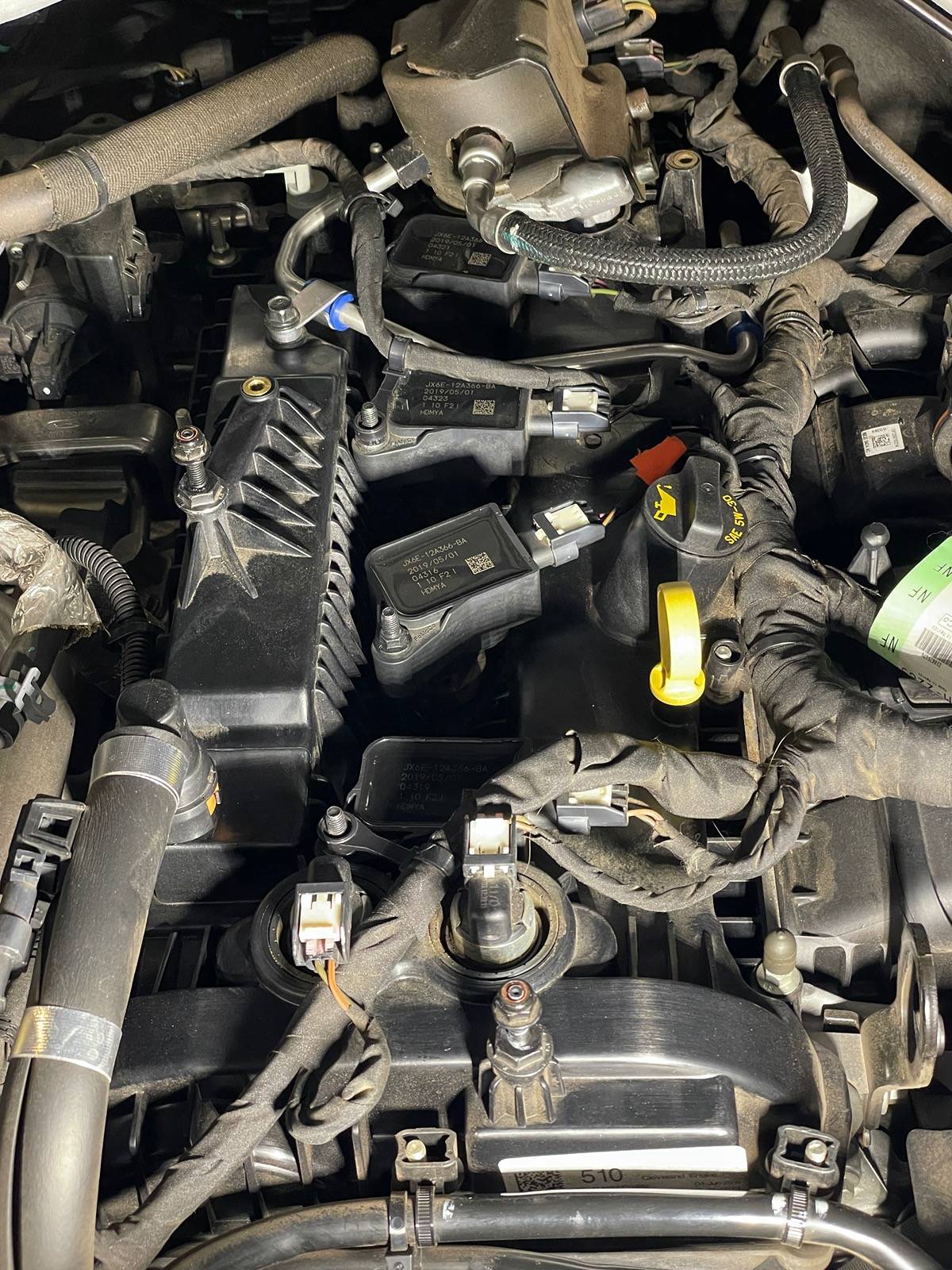
*OPTIONAL: Upon removal deep clean the cover and underneath around the spark plugs using a damp microfiber rag or brush

STEP TWO :
As I mentioned in Step One, clean as much as you want on the top of the engine using low pressure compressed air to blow out large particles and using damp microfiber towels. I opted to clean as much as I could to prevent anything from falling in to the cylinder holes.
STEP THREE :
Drive up the road or get your family some breakfast like I did to warm up the engine prior to disassembly. I am a Quality Engineer so I follow procedures.
The procedure states "Do not remove the spark plugs when the engine is hot or cold soaked. Make sure the engine is warm (hand touch after cooling down) prior to spark plug removal.
STEP FOUR :
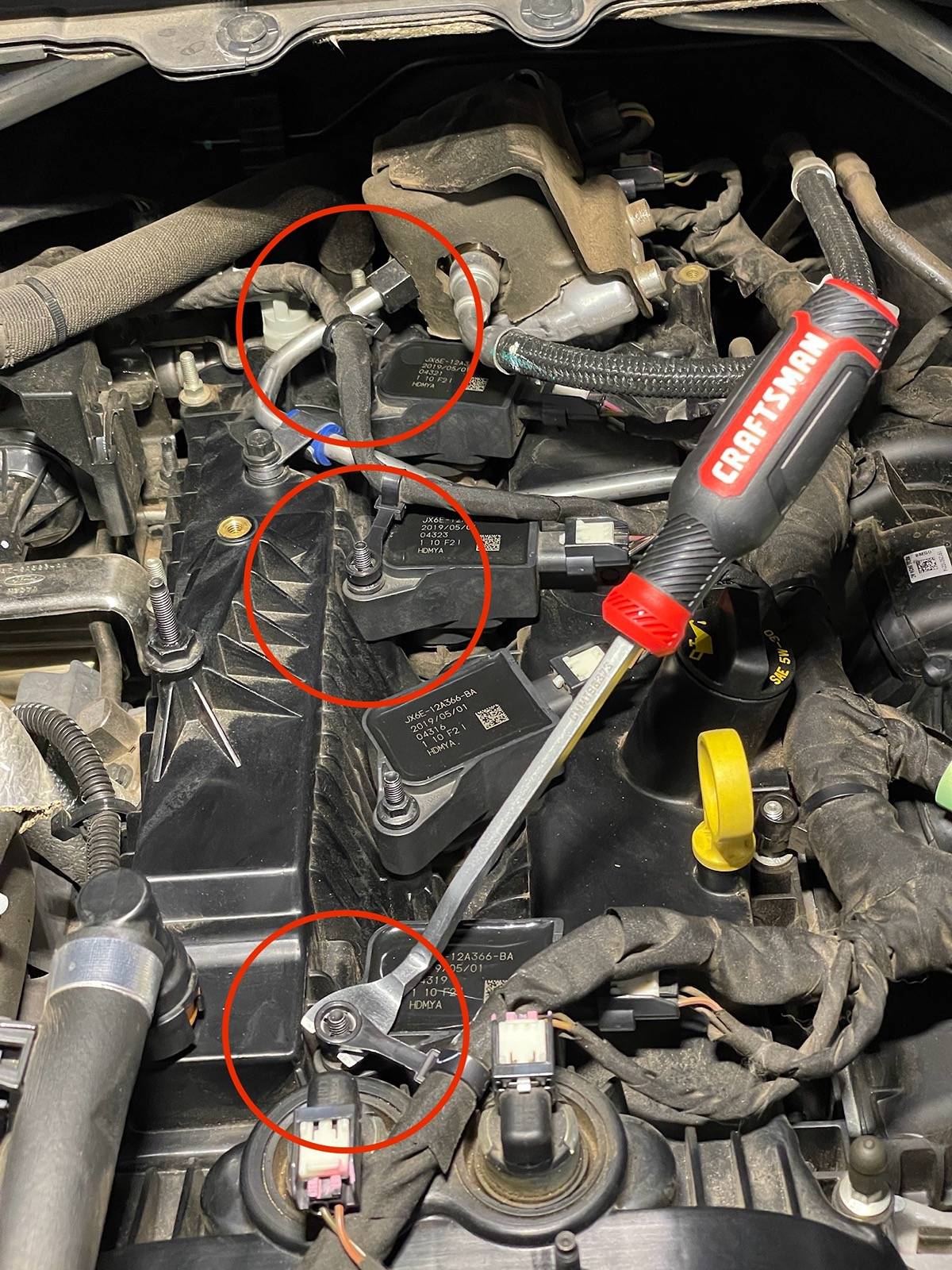
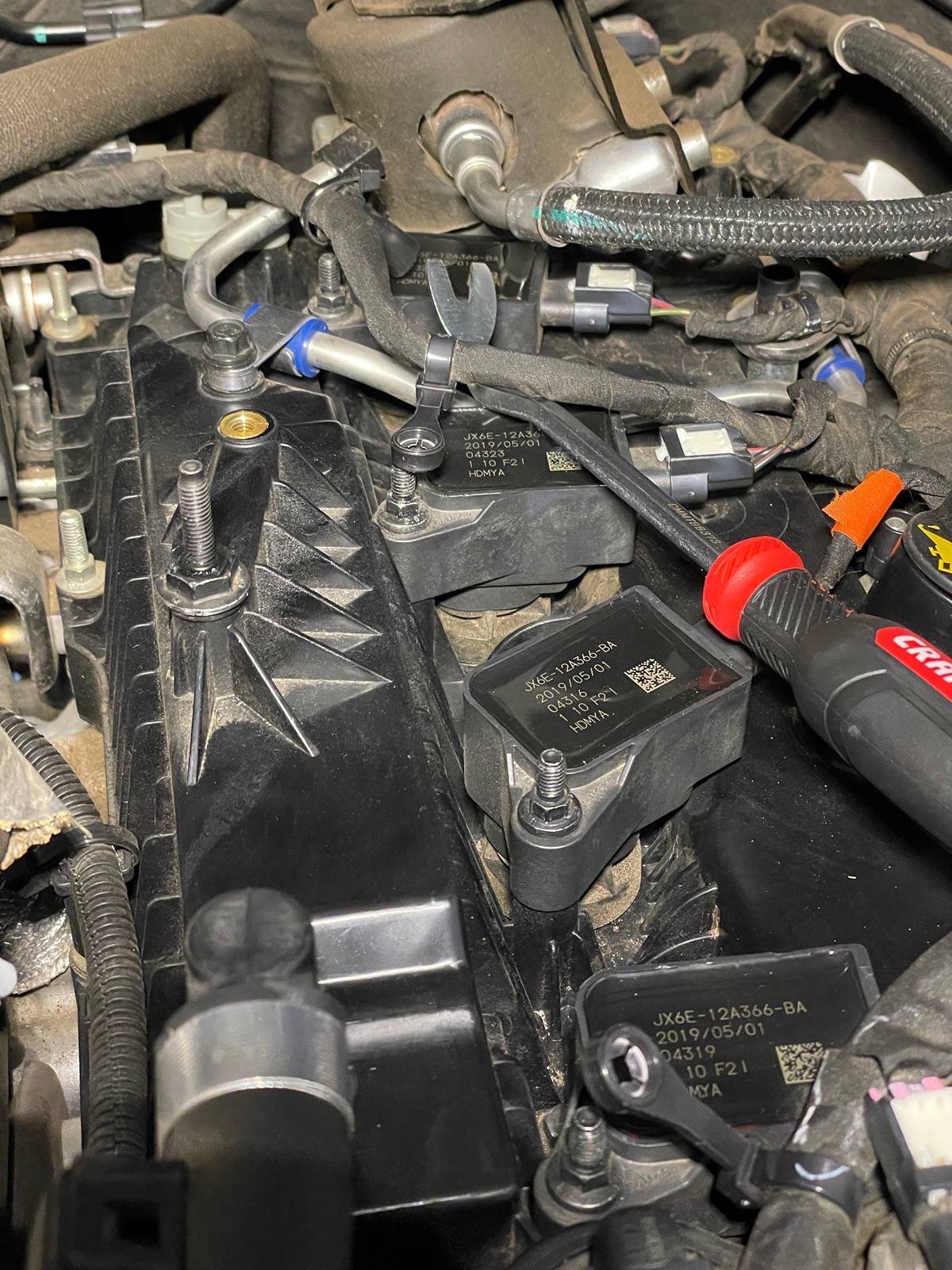
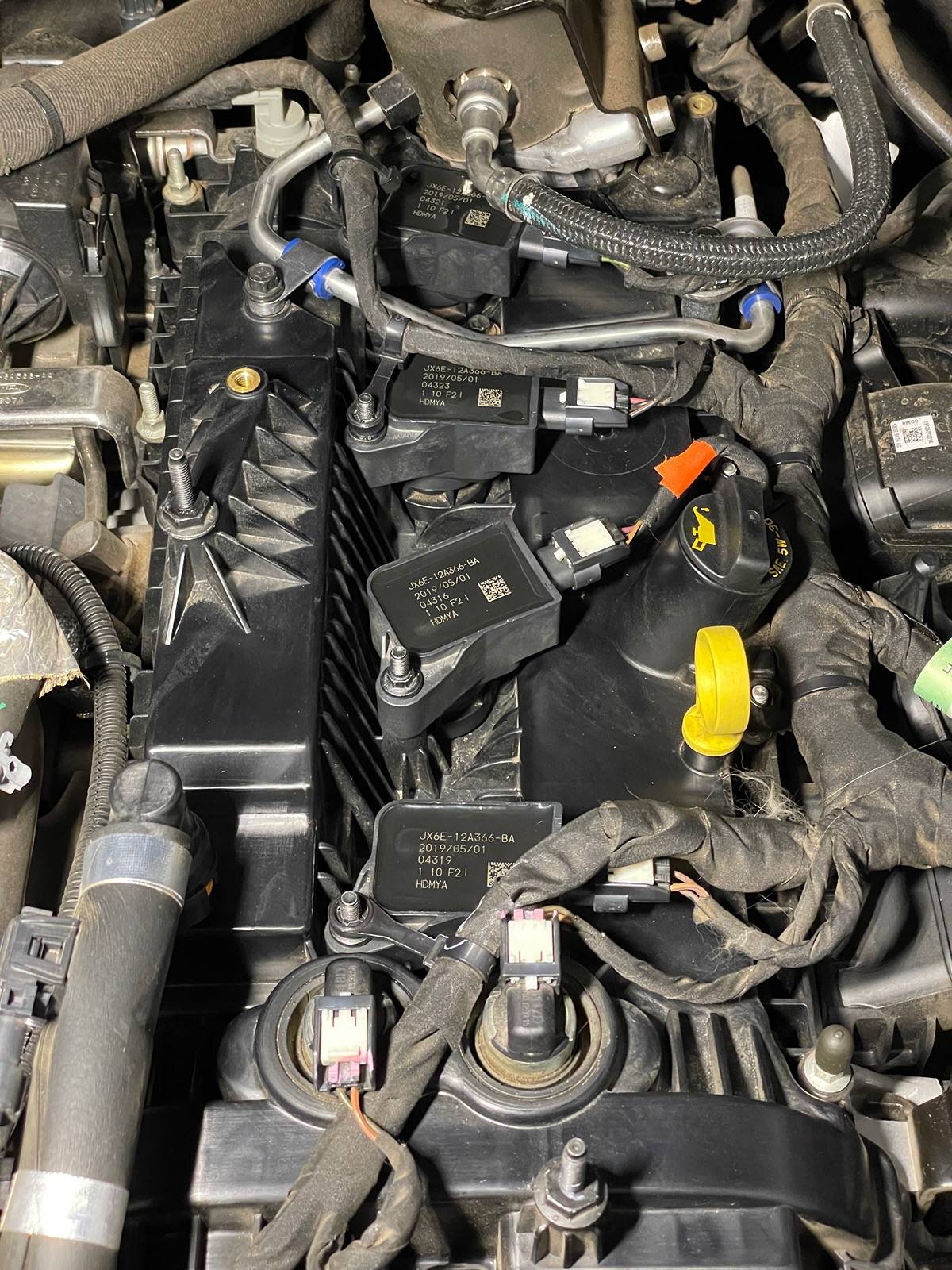
Use your plastic clip removal tool or slotted screwdriver to remove the 3x plastic wire guides/retainers. It is super easy and you do not have to apply much force at all. You can pull the harness away from Cylinder 1 (closest to you) to fully expose that ignition coil now.
STEP FIVE :
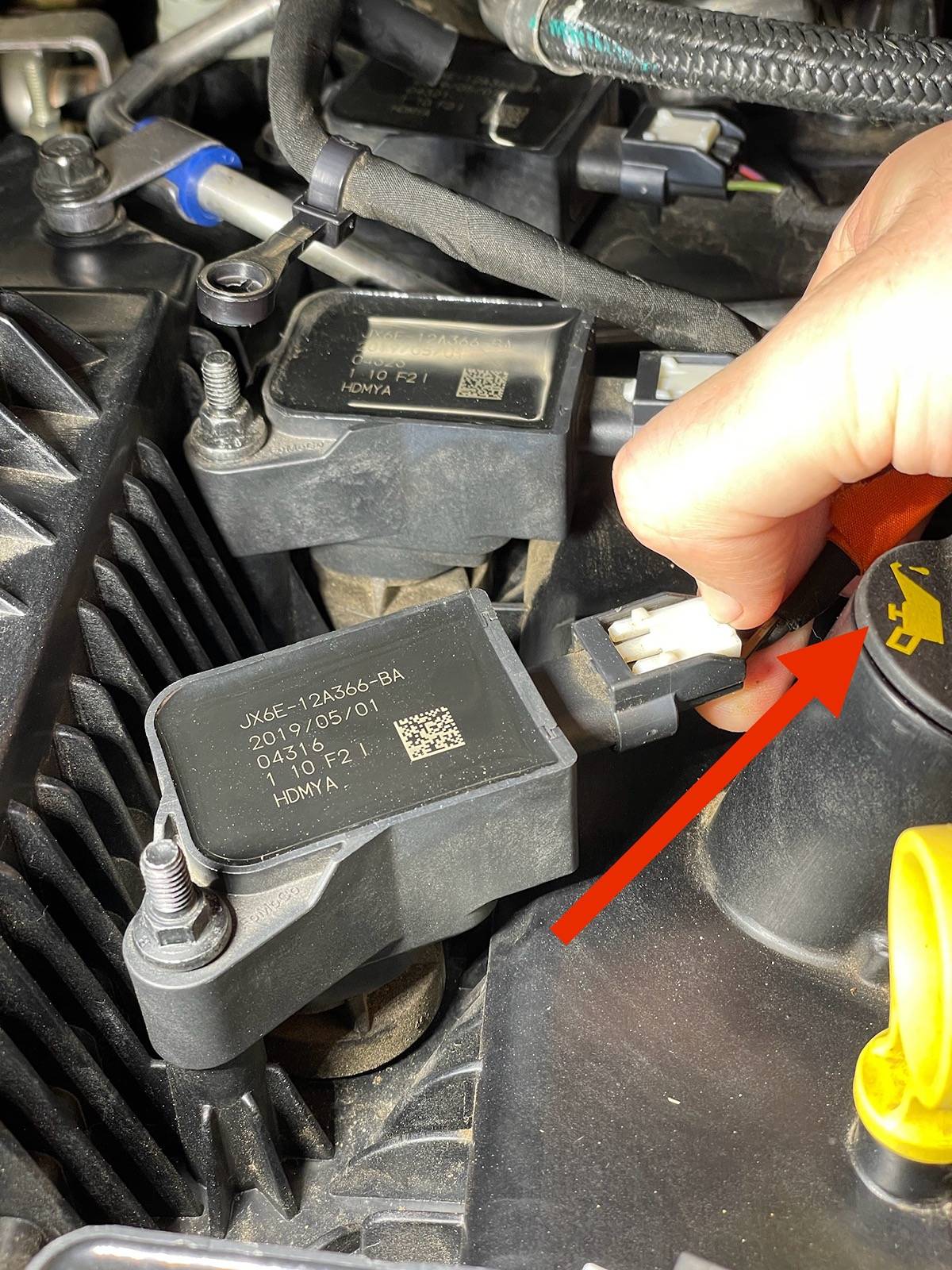
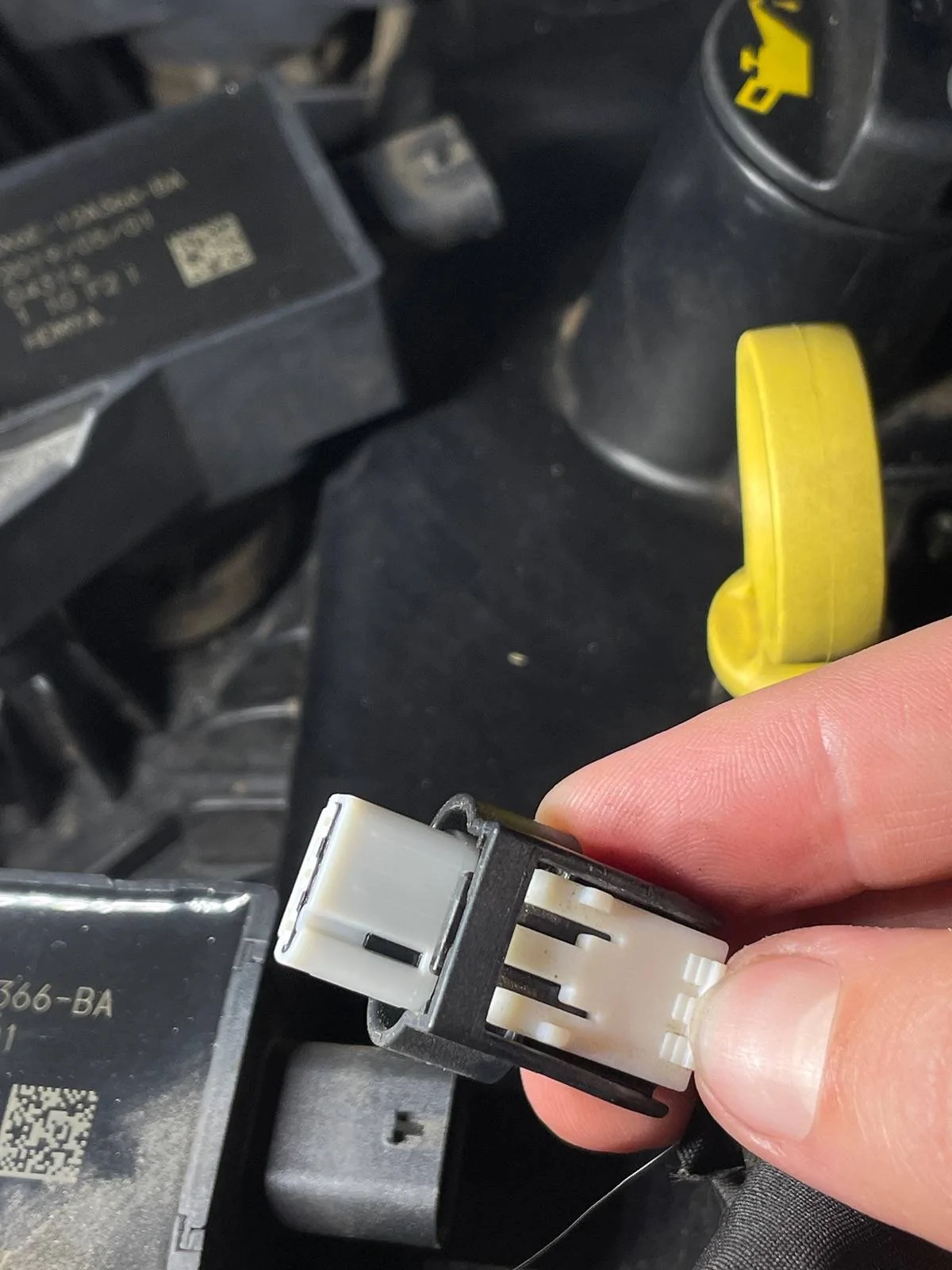
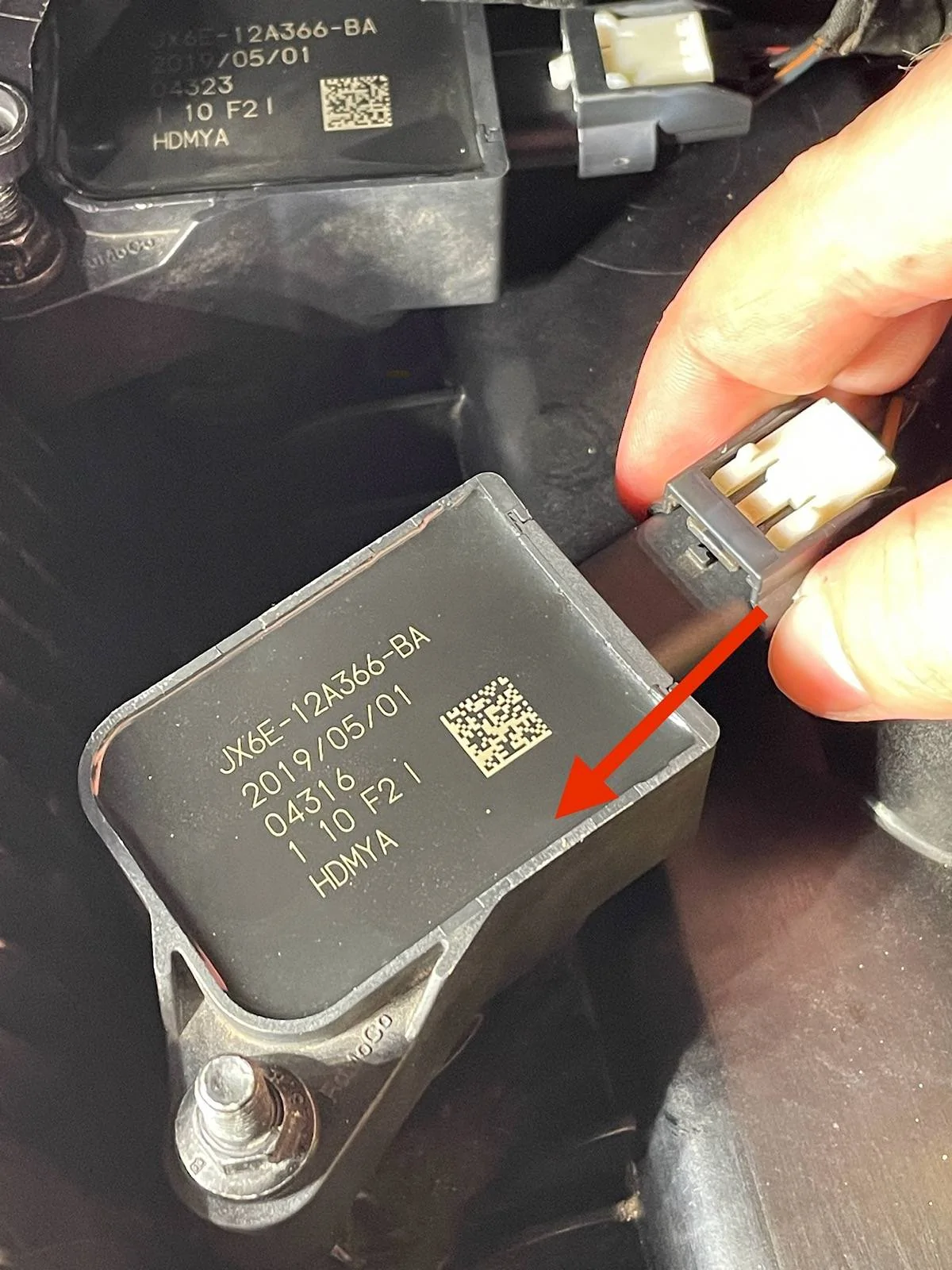
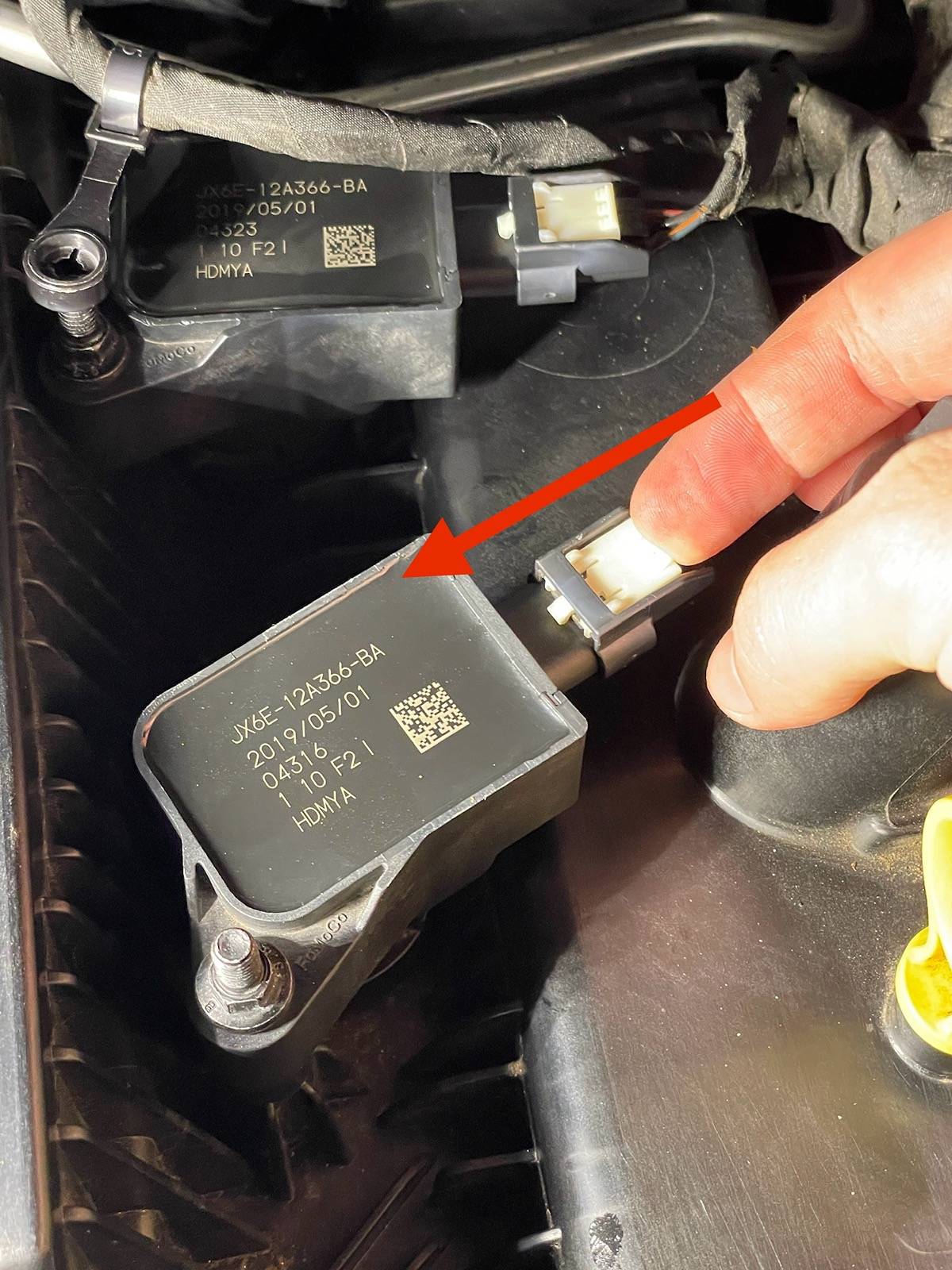
Unplug the 4x Ignition Coil connectors. The design is pretty neat, the white sliding locking tab can be unlocked by using your fingernail and sliding it away from you. Once the locking tab is unlocked, simply wiggle the connector off.
STEP SIX :
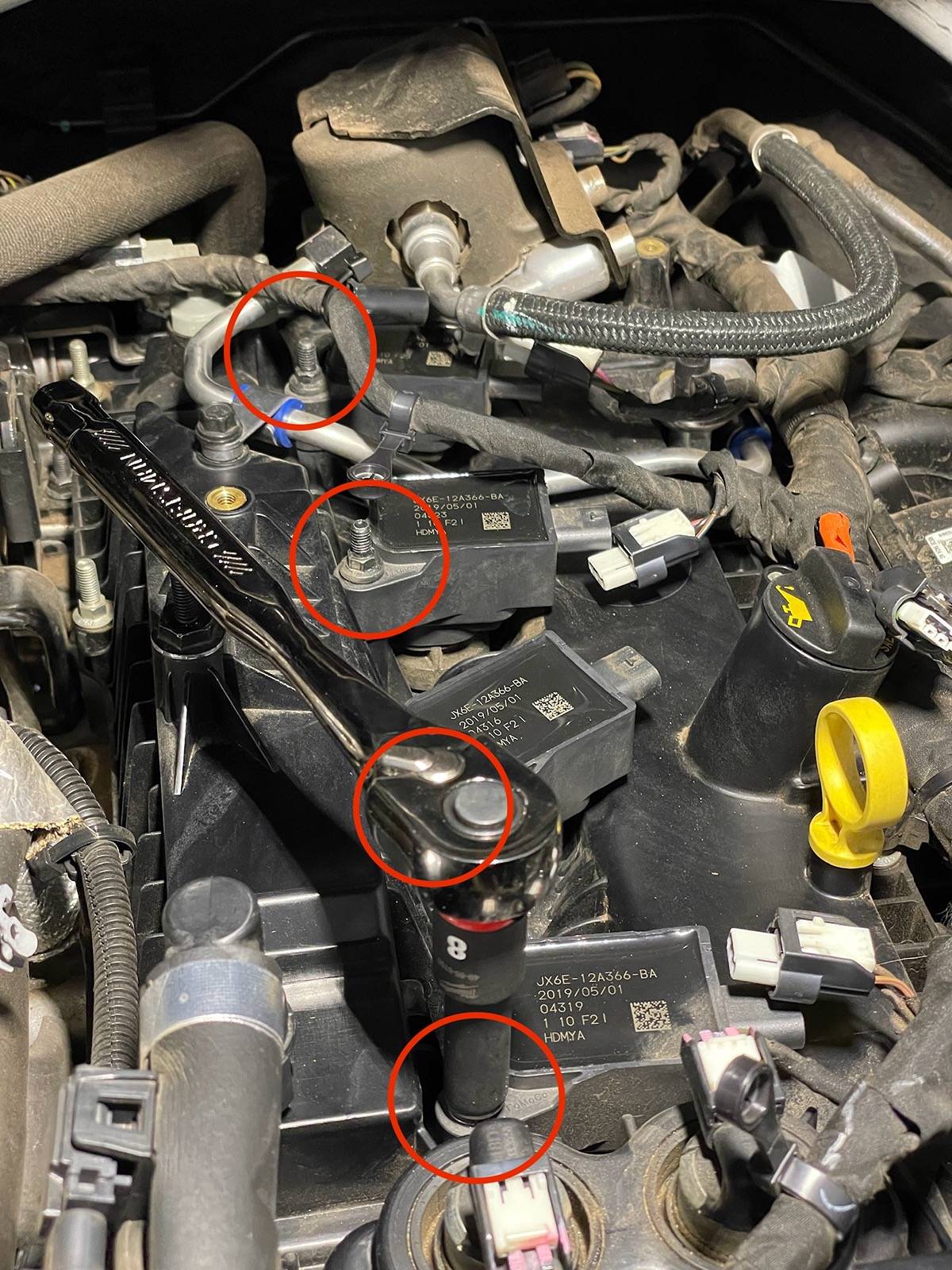
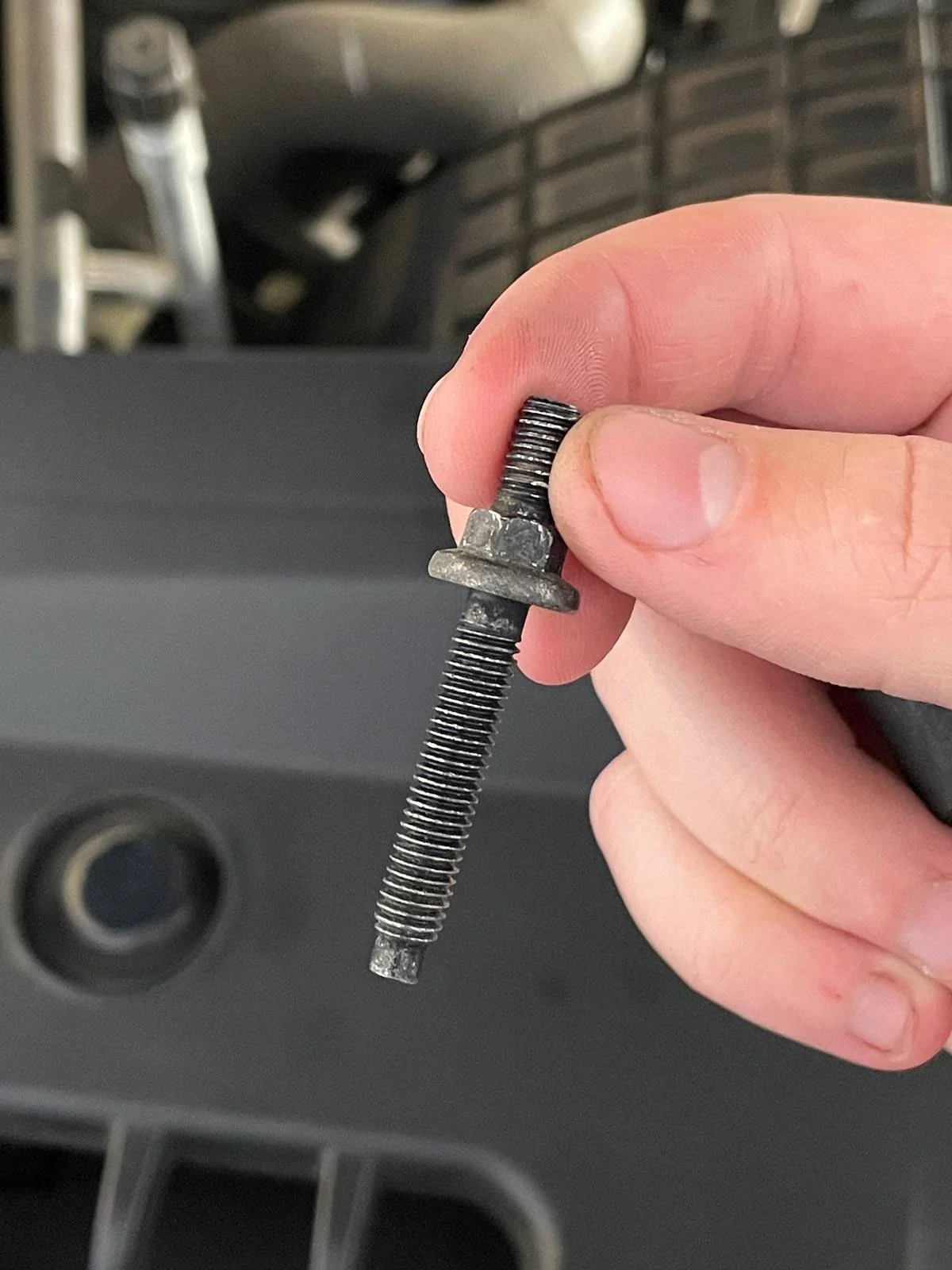
Use your Ratchet & 8mm socket to remove the 4x Ignition Coil Studs and use a twisting motion to remove the Ignition Coils (mine did not take much force at all). The trickiest one is the back one on cylinder 4, but simply rotate the Ignition Coil clockwise where it is not obstructed by the high pressure fuel pump and pull up.
STEP SEVEN :
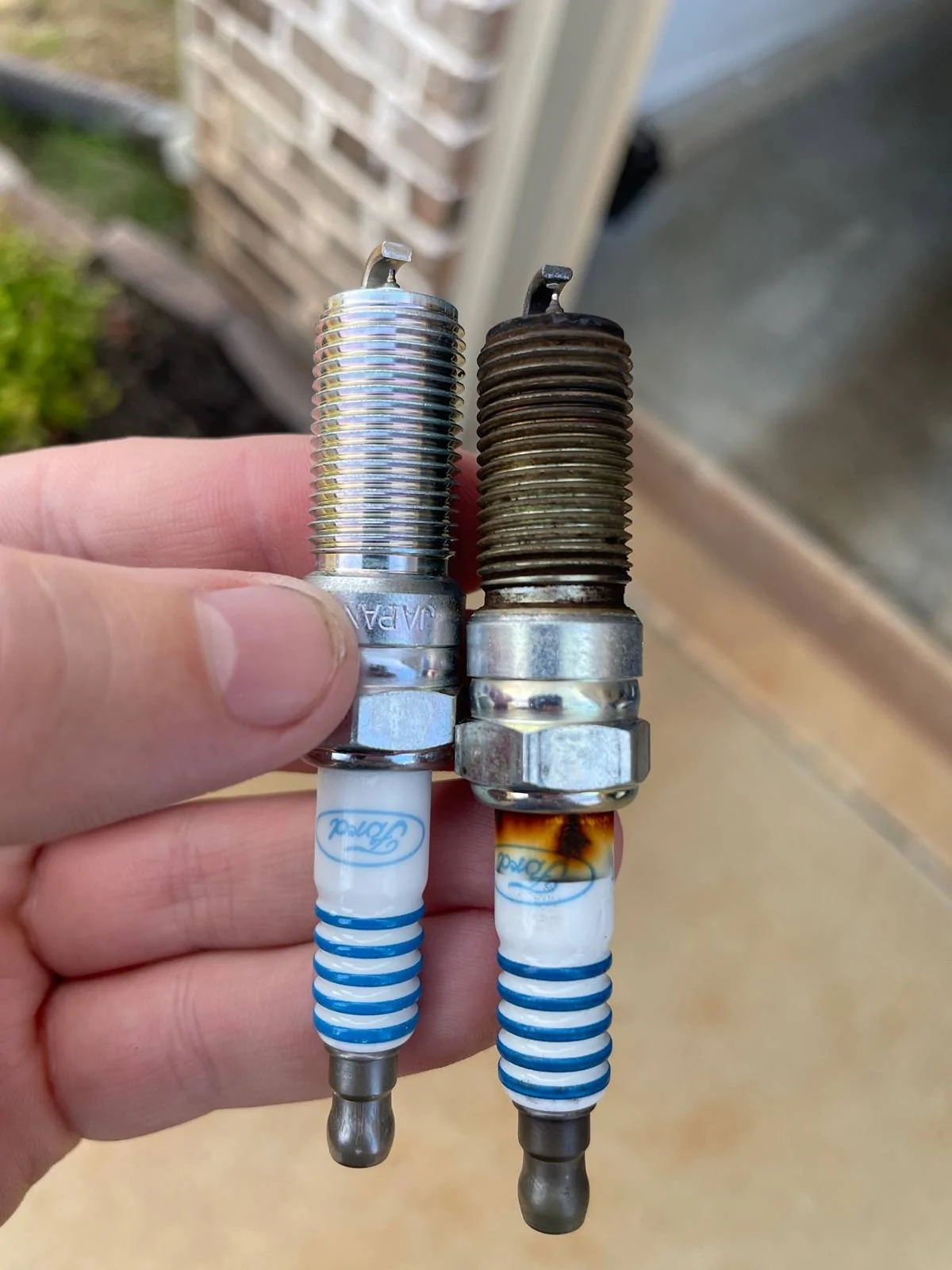
Remove 4x Spark Plugs using a 6" or 8" extension with a 5/8 Spark Plug Socket. Mine were fairly easy to break loose and did squeak a little bit while loosening.
My plugs were in decent shape, but I am probably going to make my change interval 5 Years/60,000 miles. The staining on the porcelain is not rust, it is corona staining and is a completely normal byproduct per NGK.
STEP EIGHT :
Check gap and Reinstall your 4x new Motorcraft SP-594 Spark Plugs. All 4 of mine were at a 0.029 inch (0.74 mm) gap out of the box so I did not adjust it. I measured the factory plugs I removed and they were between 0.028 and 0.029 inches.
Simply hand thread each plug until it's snug to prevent from cross threading. I was actually able to get it fairly close to the proper torque value by simply hand threading. If you have a knurled extension it makes it easier.
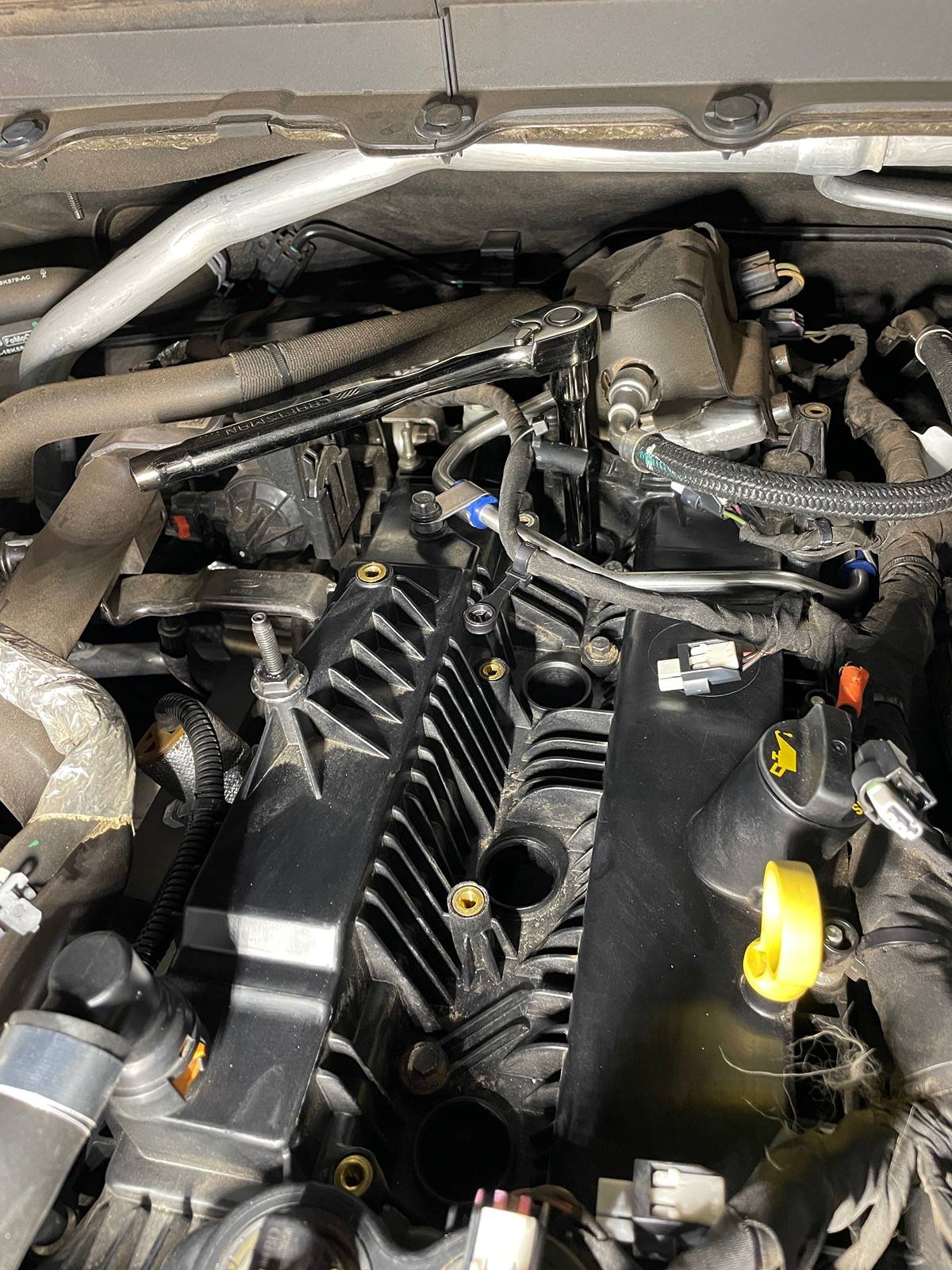
A trick for cylinder 4 is to place your ratchet at around the 8 o clock position to both loosen/tighten the plug so the high pressure fuel pump is not in the way.
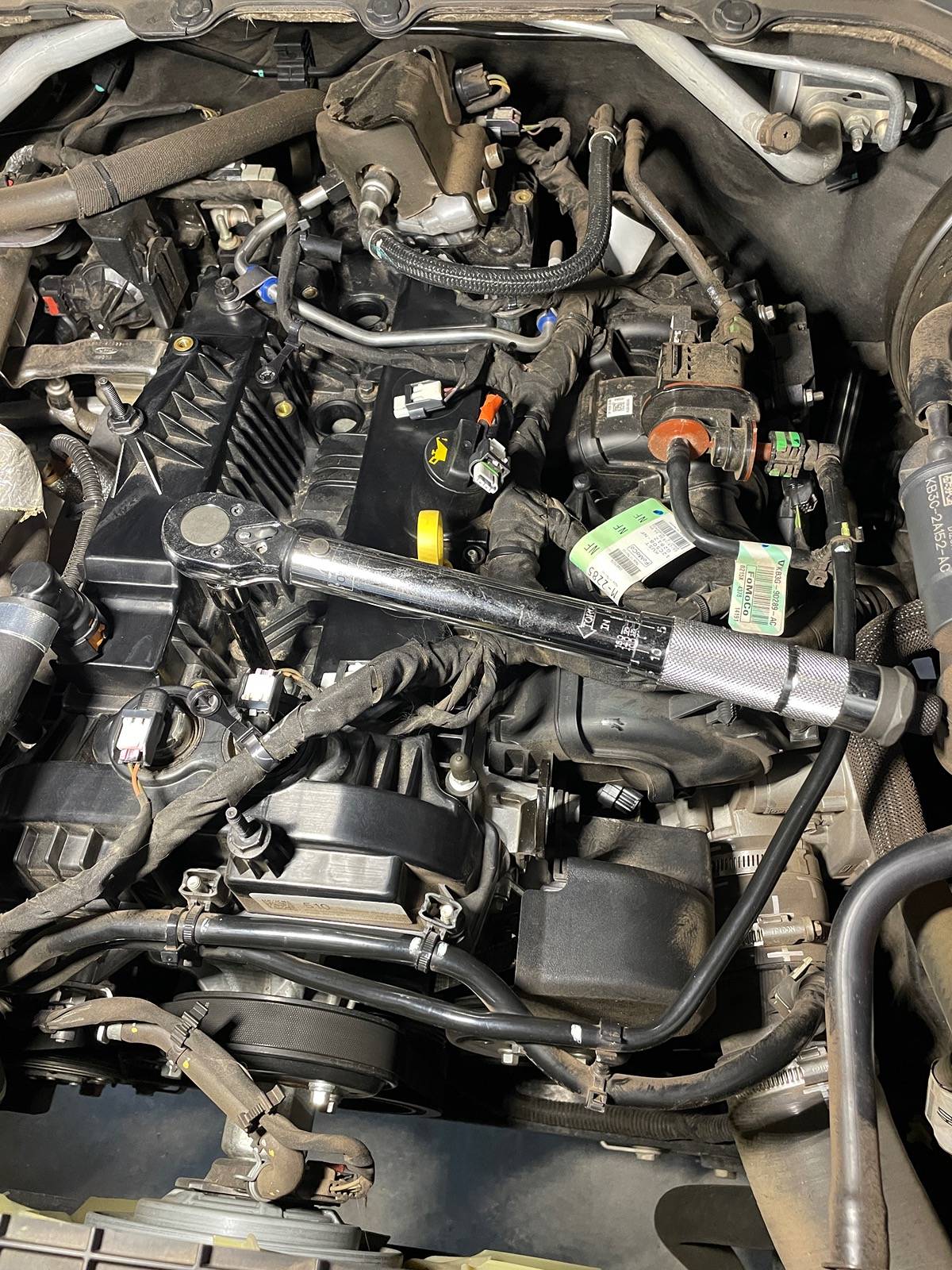
*OPTIONAL : Torque Spark Plug to 12 Nm (106 in.lb or 8 ft.lb) depending on which torque wrench you use. I used my 1/4" In.lb torque wrench using a 1/4" - 3/8" adaptor to get mine to 106 in.lb. It did not take much force at all to reach that torque value.
STEP NINE :
Reinstall the 4x Ignition Coils and snug the 4x Ignition Coil Studs using a 8mm Socket. Reverse how you removed the cylinder 4 Ignition Coil by installing it at the 6 o' Clock position and twisting it counter clockwise.
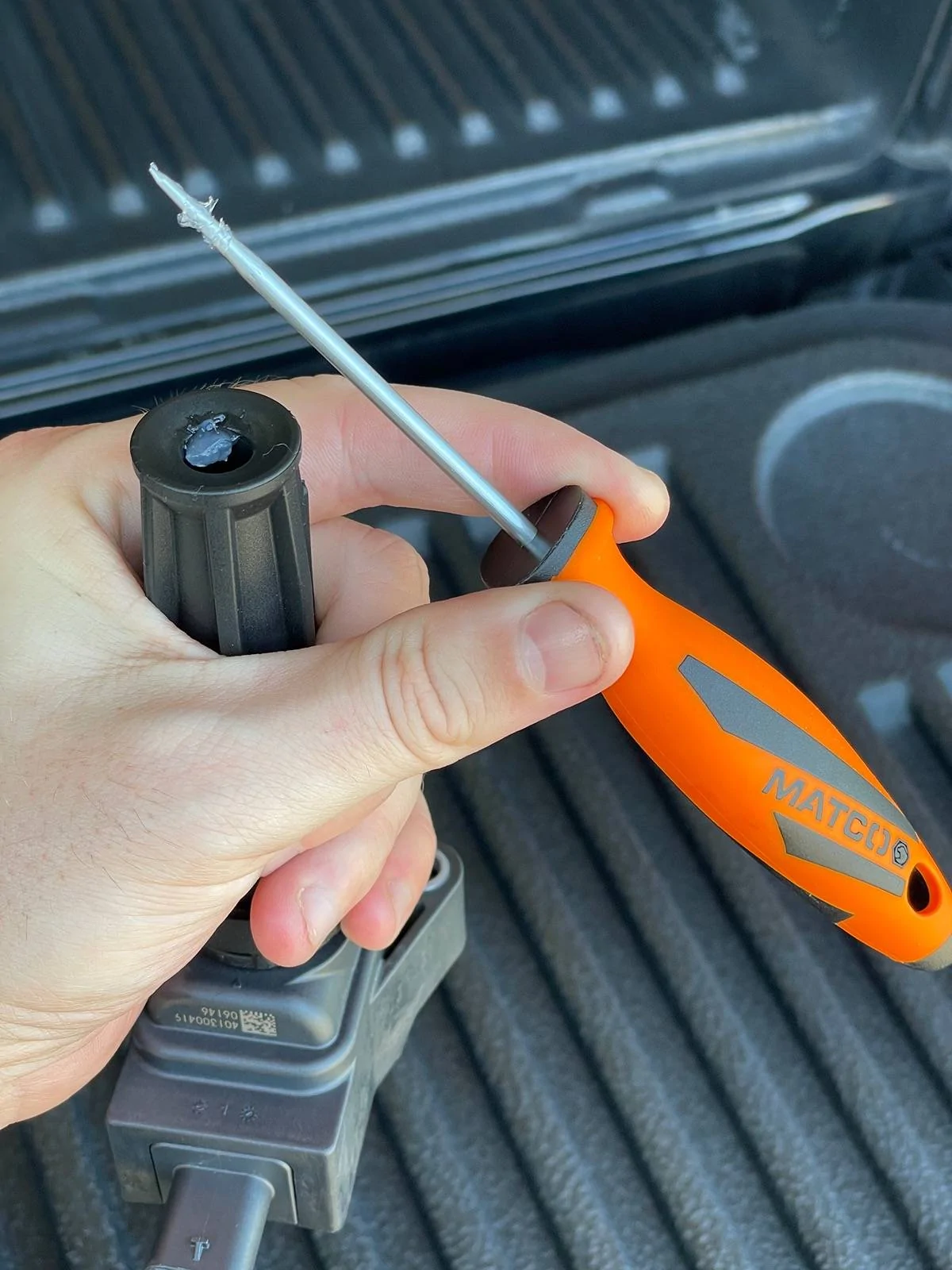
*OPTIONAL : Apply a pea sized drop of Dielectric Grease on the inside of the Ignition Coil Boot and spread it around evenly using a pick (I used a Matco Straight Pick) and wipe the rim clean.
I say optional because some people use grease, some do not. Same thing with anti-seize.
STEP TEN :
Reposition the wiring harness and reattach the 3x plastic wire guides/retainers. Simply push down on them and they instantly bite on the Ignition Coil Studs.
Reattach the 4x Ignition Coil Connectors. Push on until you hear a 'click' and then use your finger to push the sliding lock tab forward.
STEP ELEVEN :
Once everything is reattached and properly tightened, crank your Ranger to see if a check engine light or any error message appears. You can always take a drive around the neighborhood as well prior to engine cover reattachment.
My Ranger roared to life and it seemed like it appreciated new plugs and the new engine air element I installed last weekend.
Reattach the EcoBoost Engine Cover if equipped by pushing down and reinstalling the 2x 10mm lock nuts. These just need to be hand tight.
That's it! Grab a cold one and enjoy a job well done!


The local dealer quoted me $130 just for installation (parts extra) so that is worth celebrating.
For the record it took me longer to write this write-up / take pictures than the actual job did.
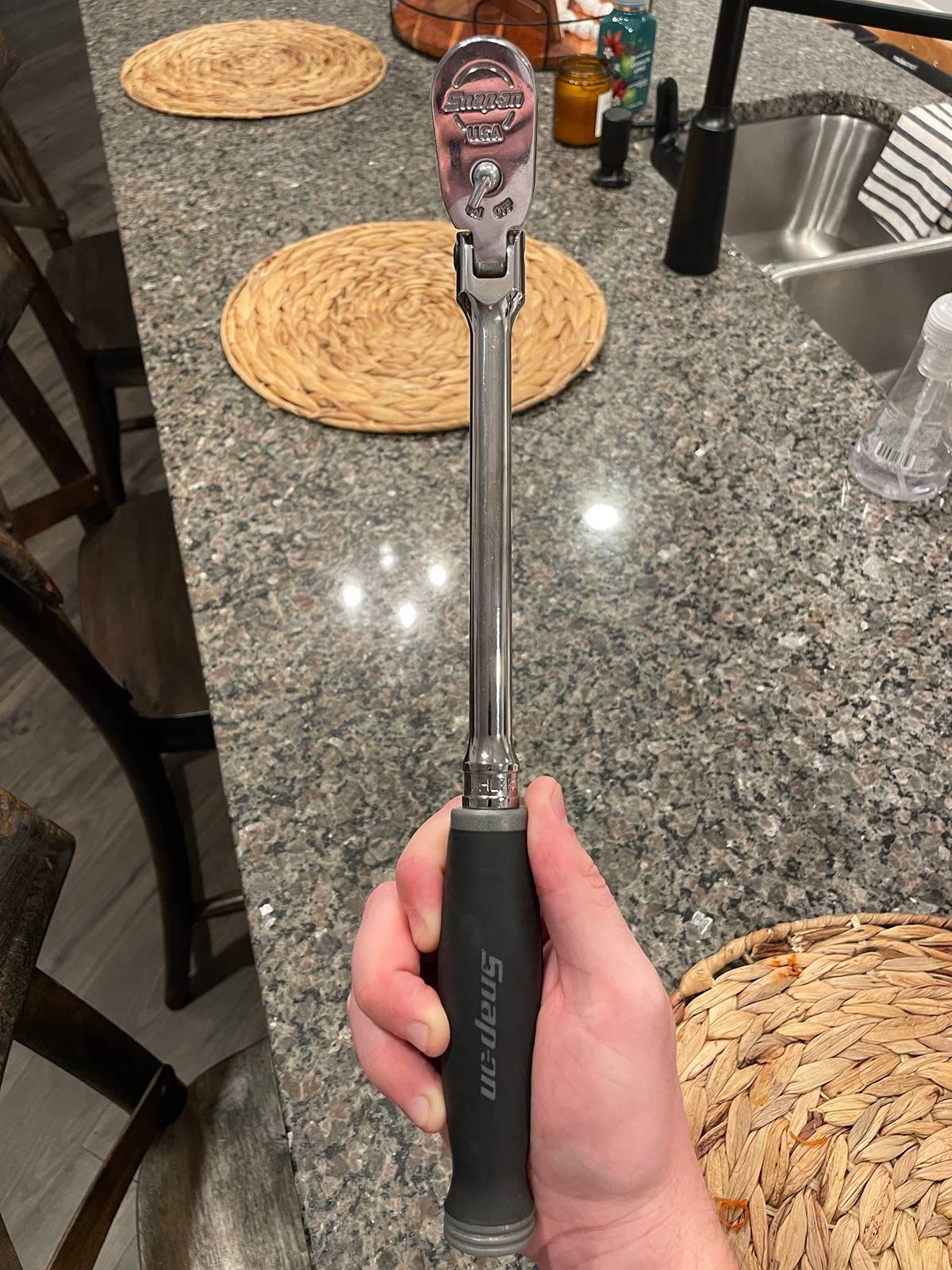
To celebrate, I bought my first Snap-On ratchet with the “savings” from the spark plugs. Follow me for more financial advice. ?
Thought I would do another one of my write-ups on a fairly simple, yet important maintenance task on your Ranger. (This guide is geared towards those of us who have never performed this procedure)
The Ford Scheduled Maintenance is "Every 100,000 mi (160,000 km) Replace Spark Plugs."
The spark plug specifications are gap (0.027 - 0.031 in (0.70 - 0.80 mm)) and torque 12 Nm (106 in.lb (8 ft.lb))
Supplies Needed :
-4x Motorcraft SP-594 (CYFS-12Y-RT3) Spark Plugs (Our manual states SP-578 but SP-594 superseded it) ($57 total from my local dealer)
-3/8" Ratchet or 1/2" Ratchet with 1/2"-3/8" adapter (You can use a cordless like my Milwaukee 2457-20 to remove bolts after loosening them with your ratchet)
-8mm and 10mm semi-deep or deep sockets
-5/8 Spark Plug socket
-6" or 8" extension (I used a 6 inch with no issue but an 8 inch fit just fine as well. If you have a wobble extension it can help on cylinder 4)
-1/4" in.lb Torque Wrench set to 106 in.lbs (12 Nm) or 1/2" ft.lb Torque Wrench set to 8 ft.lbs (11Nm)
-Plastic/Trim Clip removal tool (I used a Craftsman CMMT98373) or small slotted head screwdriver
-Dielectric Grease (Permatex 22058)
-Straight Pick (I used my Matco PMO1C)
-Old microfiber towels
Optional :
-Step Ladder or Work Platform
-Compressed Air or Forced Air Unit (I used an Adam's Air Cannon)
-Nitrile gloves (can't forget about PPE)
Step One :
Remove the EcoBoost Engine Cover if equipped (my '19 Lariat came equipped) by removing the 2x 10mm lock nuts and pulling up
*OPTIONAL: Upon removal deep clean the cover and underneath around the spark plugs using a damp microfiber rag or brush
STEP TWO :
As I mentioned in Step One, clean as much as you want on the top of the engine using low pressure compressed air to blow out large particles and using damp microfiber towels. I opted to clean as much as I could to prevent anything from falling in to the cylinder holes.
STEP THREE :
Drive up the road or get your family some breakfast like I did to warm up the engine prior to disassembly. I am a Quality Engineer so I follow procedures.
The procedure states "Do not remove the spark plugs when the engine is hot or cold soaked. Make sure the engine is warm (hand touch after cooling down) prior to spark plug removal.
STEP FOUR :
Use your plastic clip removal tool or slotted screwdriver to remove the 3x plastic wire guides/retainers. It is super easy and you do not have to apply much force at all. You can pull the harness away from Cylinder 1 (closest to you) to fully expose that ignition coil now.
STEP FIVE :
Unplug the 4x Ignition Coil connectors. The design is pretty neat, the white sliding locking tab can be unlocked by using your fingernail and sliding it away from you. Once the locking tab is unlocked, simply wiggle the connector off.
STEP SIX :
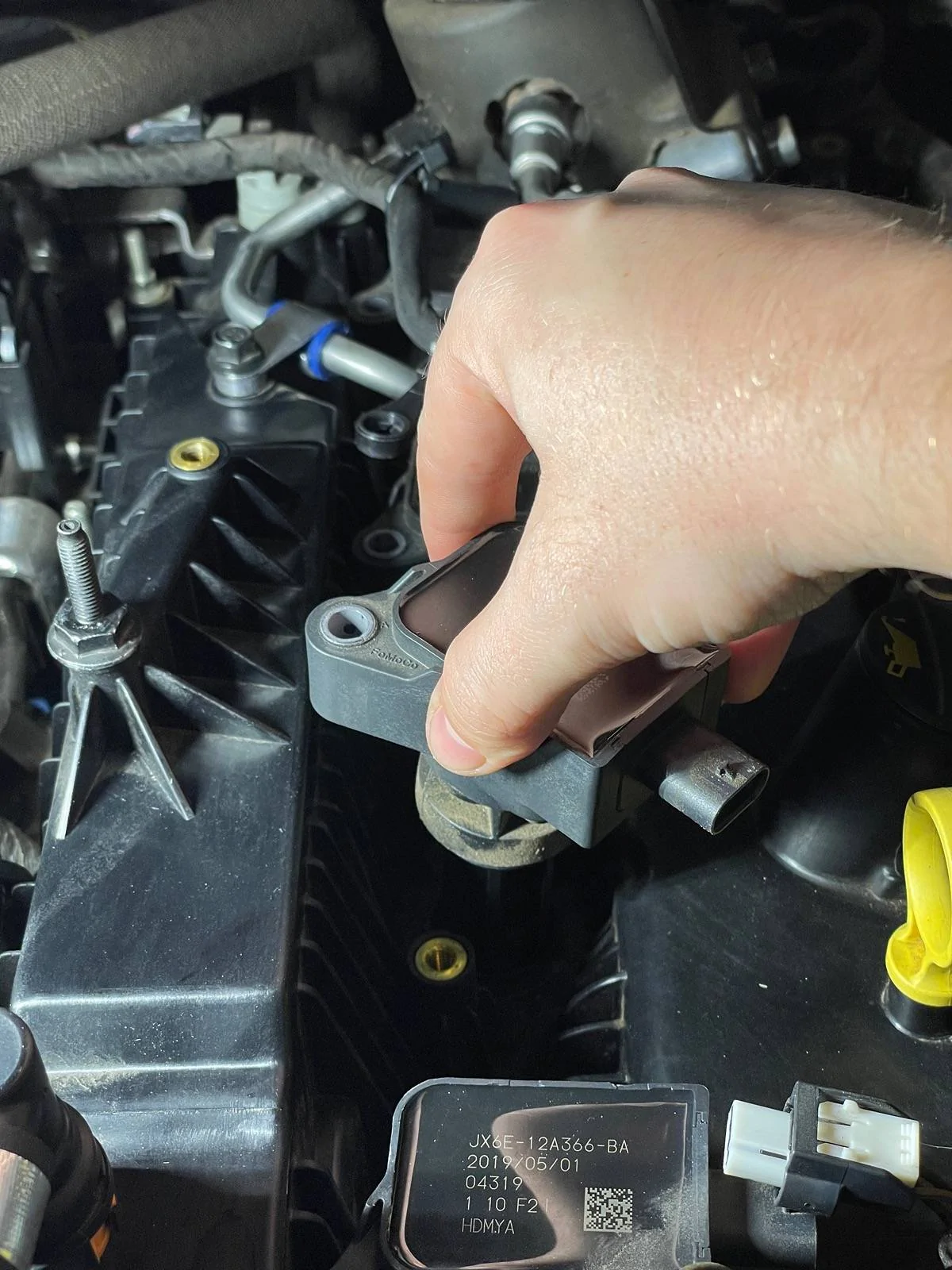
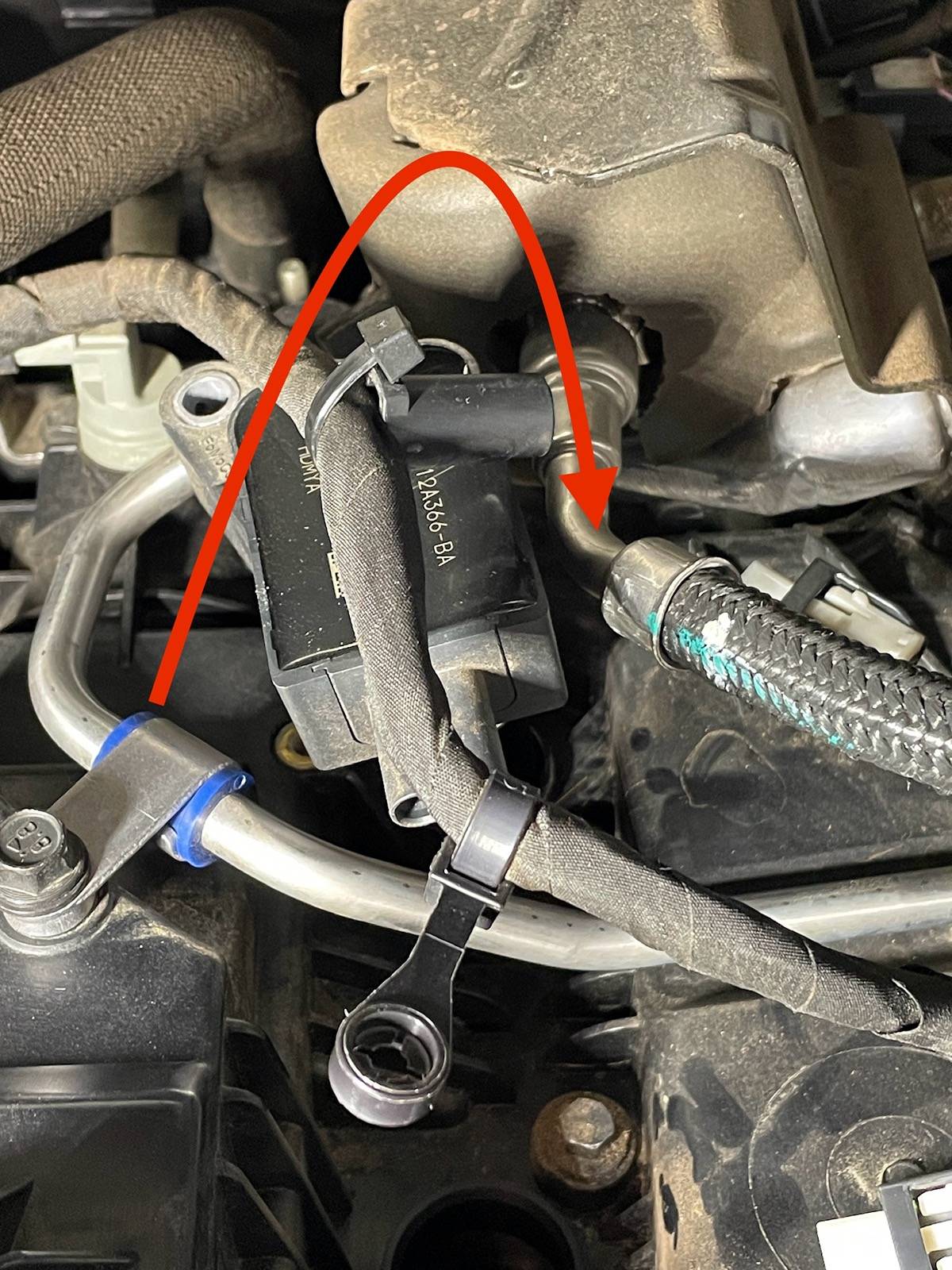
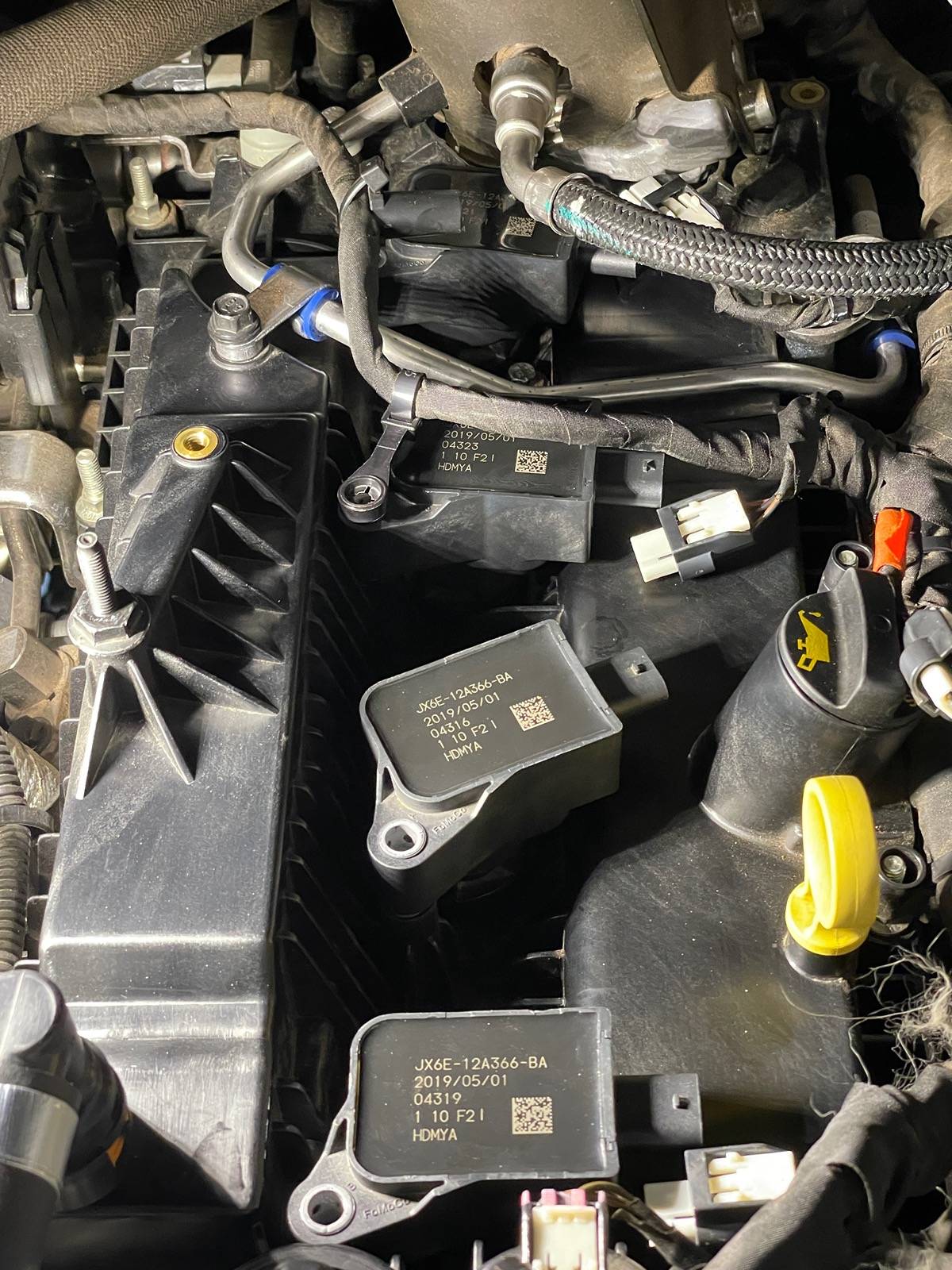
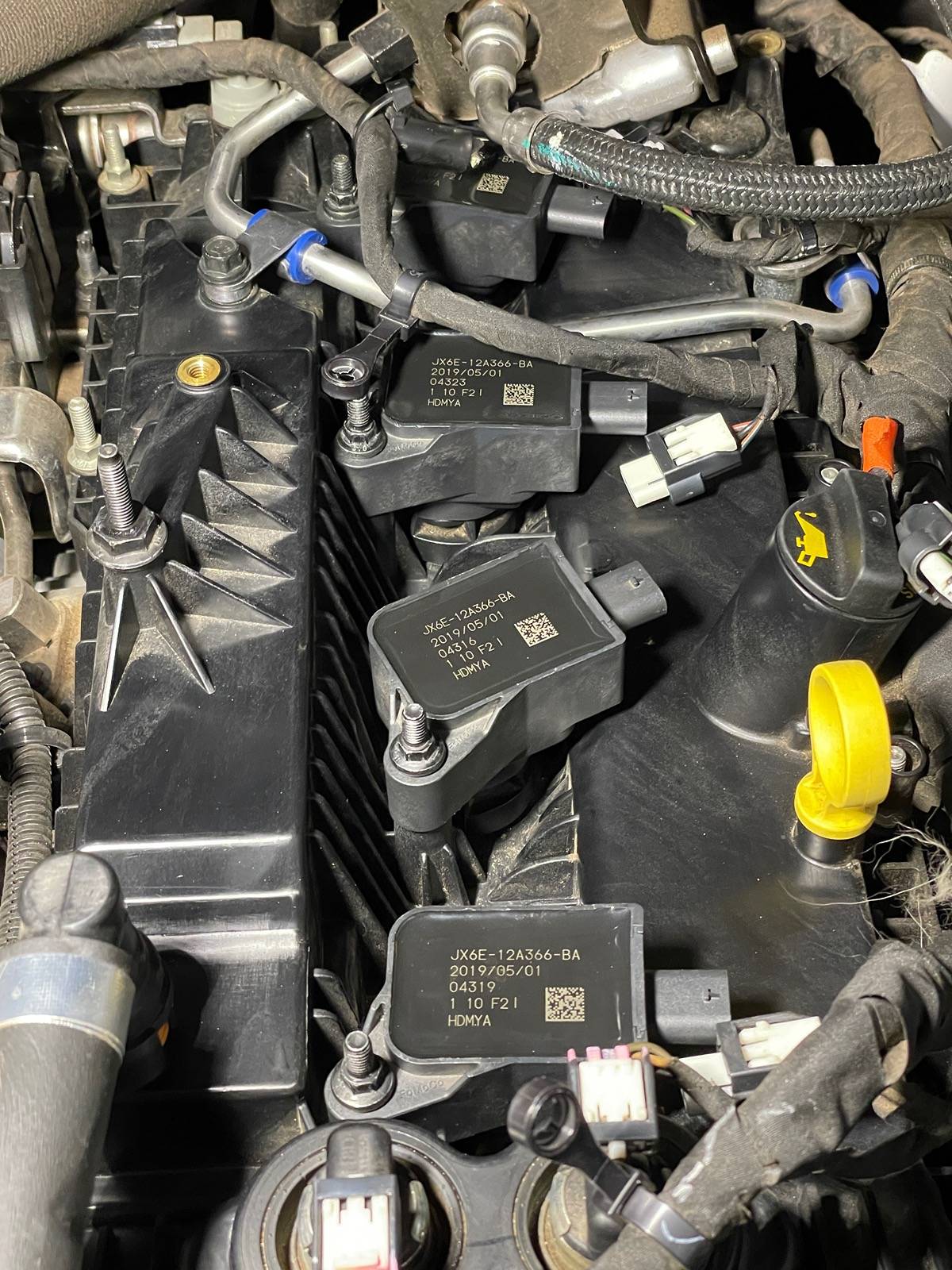
Use your Ratchet & 8mm socket to remove the 4x Ignition Coil Studs and use a twisting motion to remove the Ignition Coils (mine did not take much force at all). The trickiest one is the back one on cylinder 4, but simply rotate the Ignition Coil clockwise where it is not obstructed by the high pressure fuel pump and pull up.
STEP SEVEN :
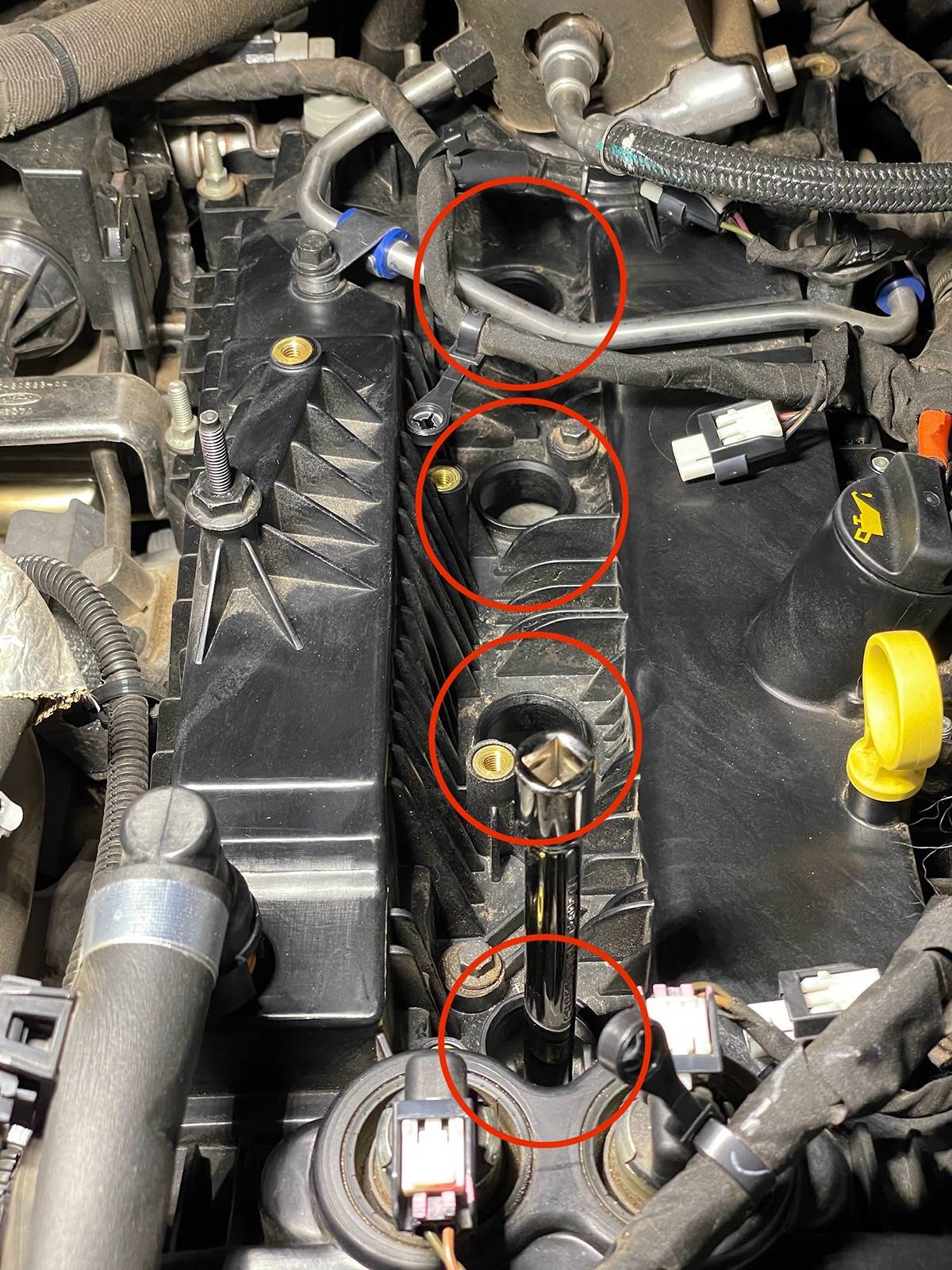
Remove 4x Spark Plugs using a 6" or 8" extension with a 5/8 Spark Plug Socket. Mine were fairly easy to break loose and did squeak a little bit while loosening.
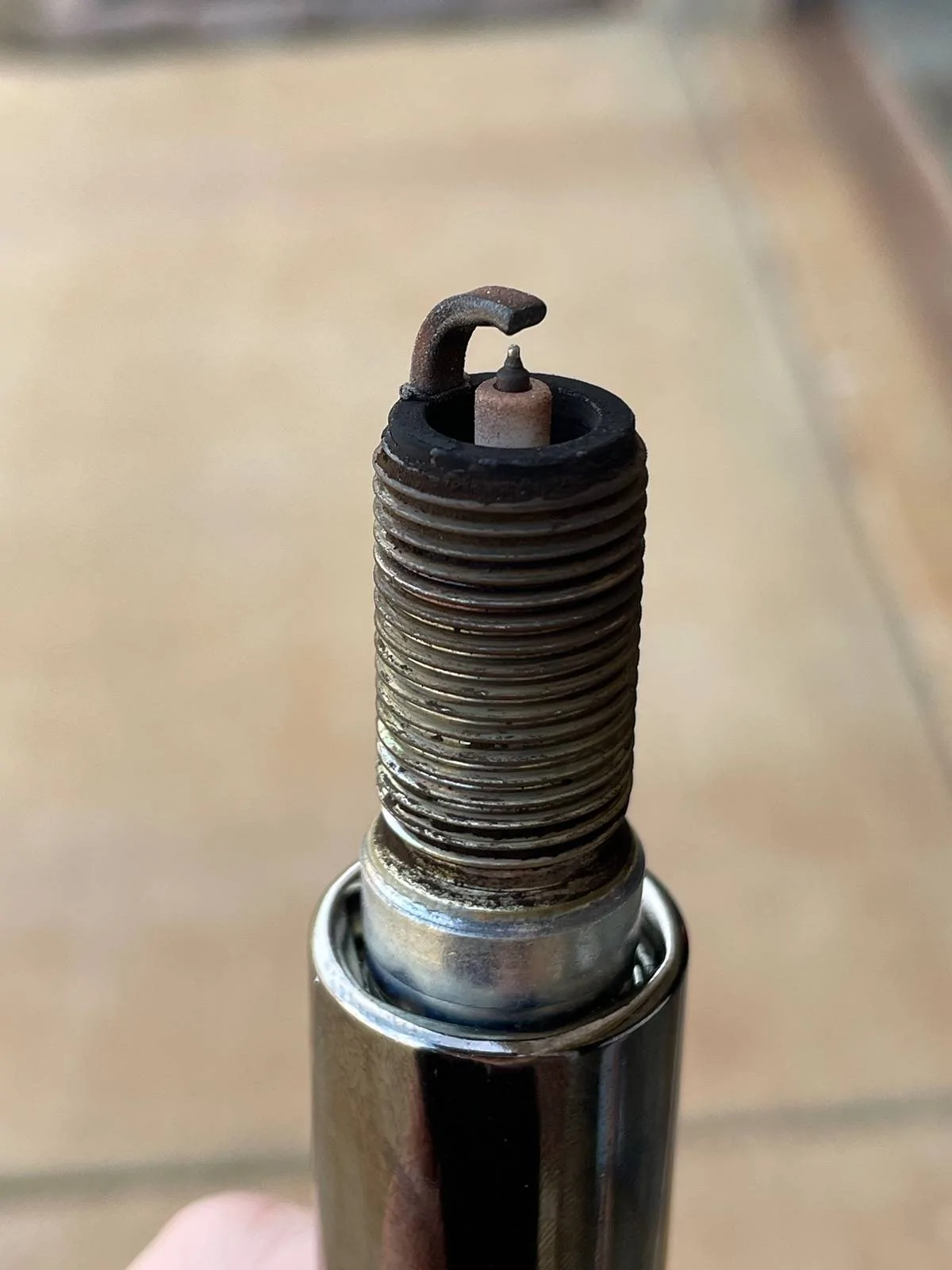
My plugs were in decent shape, but I am probably going to make my change interval 5 Years/60,000 miles. The staining on the porcelain is not rust, it is corona staining and is a completely normal byproduct per NGK.
STEP EIGHT :
Check gap and Reinstall your 4x new Motorcraft SP-594 Spark Plugs. All 4 of mine were at a 0.029 inch (0.74 mm) gap out of the box so I did not adjust it. I measured the factory plugs I removed and they were between 0.028 and 0.029 inches.
Simply hand thread each plug until it's snug to prevent from cross threading. I was actually able to get it fairly close to the proper torque value by simply hand threading. If you have a knurled extension it makes it easier.
A trick for cylinder 4 is to place your ratchet at around the 8 o clock position to both loosen/tighten the plug so the high pressure fuel pump is not in the way.
*OPTIONAL : Torque Spark Plug to 12 Nm (106 in.lb or 8 ft.lb) depending on which torque wrench you use. I used my 1/4" In.lb torque wrench using a 1/4" - 3/8" adaptor to get mine to 106 in.lb. It did not take much force at all to reach that torque value.
STEP NINE :
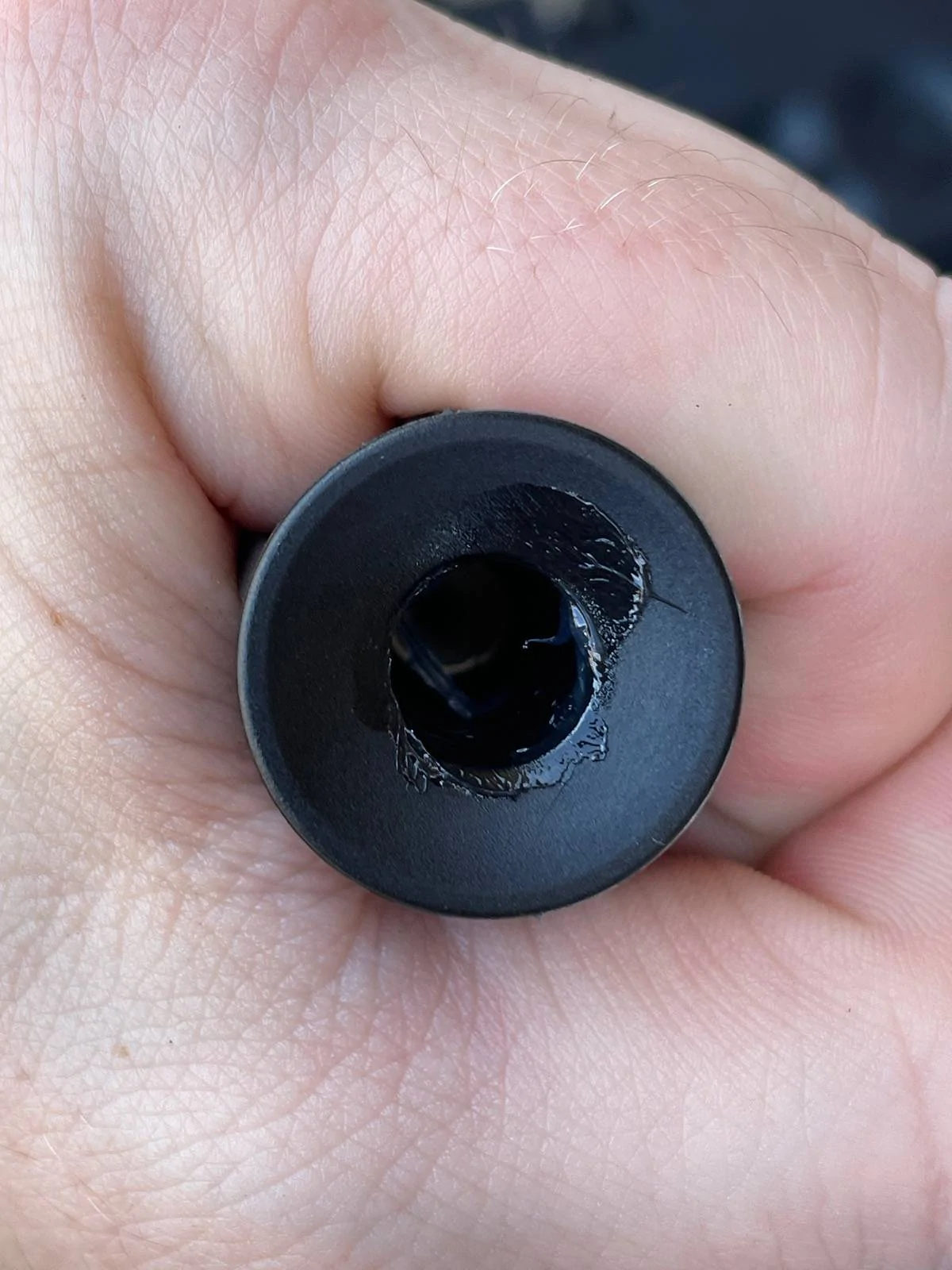
Reinstall the 4x Ignition Coils and snug the 4x Ignition Coil Studs using a 8mm Socket. Reverse how you removed the cylinder 4 Ignition Coil by installing it at the 6 o' Clock position and twisting it counter clockwise.
*OPTIONAL : Apply a pea sized drop of Dielectric Grease on the inside of the Ignition Coil Boot and spread it around evenly using a pick (I used a Matco Straight Pick) and wipe the rim clean.
I say optional because some people use grease, some do not. Same thing with anti-seize.
STEP TEN :
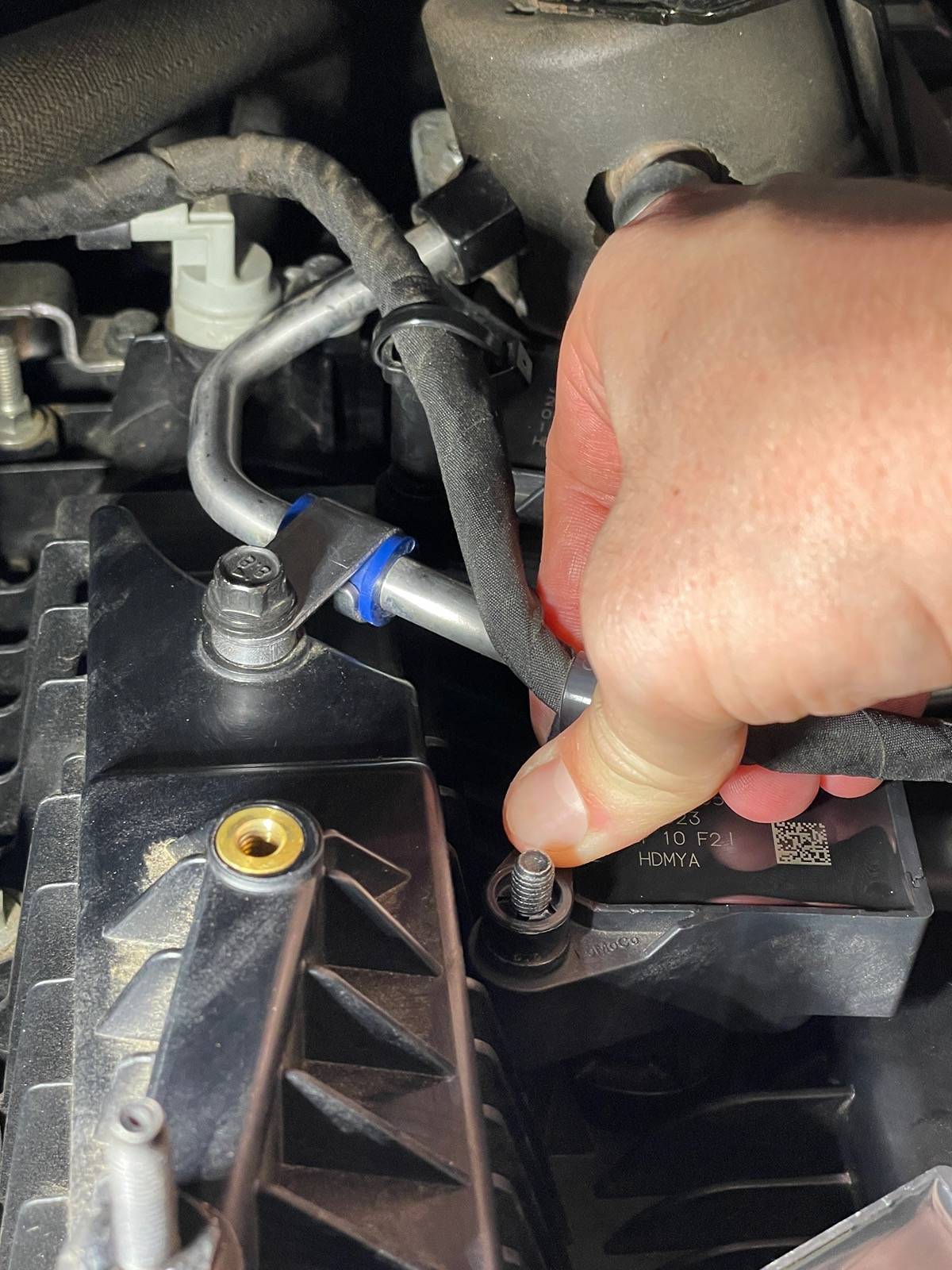
Reposition the wiring harness and reattach the 3x plastic wire guides/retainers. Simply push down on them and they instantly bite on the Ignition Coil Studs.
Reattach the 4x Ignition Coil Connectors. Push on until you hear a 'click' and then use your finger to push the sliding lock tab forward.
STEP ELEVEN :
Once everything is reattached and properly tightened, crank your Ranger to see if a check engine light or any error message appears. You can always take a drive around the neighborhood as well prior to engine cover reattachment.
My Ranger roared to life and it seemed like it appreciated new plugs and the new engine air element I installed last weekend.
Reattach the EcoBoost Engine Cover if equipped by pushing down and reinstalling the 2x 10mm lock nuts. These just need to be hand tight.
That's it! Grab a cold one and enjoy a job well done!
The local dealer quoted me $130 just for installation (parts extra) so that is worth celebrating.
For the record it took me longer to write this write-up / take pictures than the actual job did.
To celebrate, I bought my first Snap-On ratchet with the “savings” from the spark plugs. Follow me for more financial advice. ?
Sponsored
Last edited: