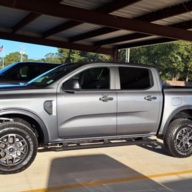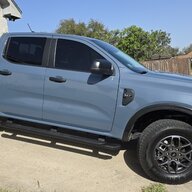
Cabose-1
Well-Known Member
Well, what rear end for the f150? Lots of engine, gear ratio, bed, cab configurations, 4x2, 4x4, fx4, tremor, raptor all makes a difference no 2 alike. We have 3.73 rear ends.
Sponsored

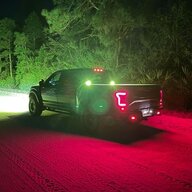
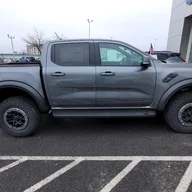
Same here, hard to recall my avg mpg cause i did so much to that truck, but i think my avg was 19-20 stock mix of city and interstate. My raptor gets 18 avg which shocked me, my tremor after the tune, tires, and fox racing shocks got that.I've always gotten better mileage on vehicles than what they are rated to have. Don't do anything special but just drive 65-68 or so and take it easy with braking, acceleration, etc. Just the way I've always driven I guess.
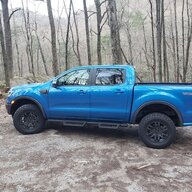
Titan?Just spent 2 long weeks in a rental Titan
 How much they pay you to drive that thing?
It was slightly better than walking....Titan?
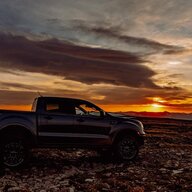
As.much as.you.may disagree it is a ice truck. I got to see them up close when the new body was released and I like them over the previous generationTitan?
Good point.It was slightly better than walking....
https://www.nhvr.gov.au/files/201901-0641-vsb6-section-m-fuel-systems.pdfSimply to be sold in oz, the tank has to comply with the Australian Design Rules, which are vastly more stringent and real world than any American regs.
So no, there's no magic aussie sauce that makes fuel tanks made in Australia superior to all other fuel tanks. Most importantly, the OEM fuel tank is subjected to destructive testing while mounted in the vehicle, ensuring that the overall system design protects the tank sufficiently in the event of a collision. I'm extremely skeptical that any of these aftermarket tanks are tested to that standard. I think the (repealed) ADR 17 requirements date from the 70s, and the tests basically consist of dropping the tank from a few feet up--if you think that's a useful simulation of the forces involved in an on-road collision, well...As there are no specific Australian Standards that cover fuel tanks
for use on vehicles, the below technical requirements are based on
the repealed ADR 17 and are considered to be the minimum
requirements
but, the larger truck has less exposed trailer frontal area which should make it a bit more efficient overall (assuming the truck itself has less drag than the trailer, which seems likely). I think that's a larger factor in better MPG from larger trucks than the engine.It wouldn’t shock me if this were true, at least for steady state highway speeds. The differences in drag coefficient of the different size trucks would probably be dwarfed by the aerodynamic drag added by the trailer

Well, that drop test is performed from 9 meters, or 29 feet high, so that exposed corners on the tank take the impact.https://www.nhvr.gov.au/files/201901-0641-vsb6-section-m-fuel-systems.pdf
relevant quote:
So no, there's no magic aussie sauce that makes fuel tanks made in Australia superior to all other fuel tanks. Most importantly, the OEM fuel tank is subjected to destructive testing while mounted in the vehicle, ensuring that the overall system design protects the tank sufficiently in the event of a collision. I'm extremely skeptical that any of these aftermarket tanks are tested to that standard. I think the (repealed) ADR 17 requirements date from the 70s, and the tests basically consist of dropping the tank from a few feet up--if you think that's a useful simulation of the forces involved in an on-road collision, well...
Have you driven one? OMG people think the fx4 suspension is bad....has Bilsten shocks and you feel every bump. Turn radius? The Titanic could cut a tighter Uturn. Only good feature to me is the 5.6 has some balls if you are ok with 15mpg.As.much as.you.may disagree it is a ice truck. I got to see them up close when the new body was released and I like them over the previous generation
?Here's the rest of the regs, which cover location, exposure beneath the vehicle, construction standards etc etc. Which seems a lot like a formula for a safe product to me.
 seems pretty basic to me, covering very minimal requirements. As it says in the document:
That is, the standard doesn't in itself provide any guarantees that a tank is fit to purpose. And even the minimal requirements are not subject to rigorous testing. For comparison, here's how the OEM tank is tested in the US: https://www.nhtsa.gov/sites/nhtsa.gov/files/documents/tp-301-04_212_219_301l_301r_tag.pdfWhile VSB 14 provides advice on the construction of Individually Constructed Vehicles (ICVs) and the execution of modifications, it is not to be taken to be a design manual. Determination of component strength, performance, suitability and functionality must be either calculated or determined on a case by case basis by suitably qualified personnel experienced in each matter
under consideration.
I have driven more than 1. I have driven many that had both the 5.6 and the Cummins 5.0 as well. Hate feeling bumps in the road? It's a truck, not a Rolls Royce. Turning radius? The titan is a big truck so it is expected. Try driving a D40 Frontier. After that you won't bitch.Have you driven one? OMG people think the fx4 suspension is bad....has Bilsten shocks and you feel every bump. Turn radius? The Titanic could cut a tighter Uturn. Only good feature to me is the 5.6 has some balls if you are ok with 15mpg.
Don't forget that when the builders in Australia make equipment for Highway vehicles it has to be certified. To do that they have to go through a bunch of testing for that. In the US you don't get that near as much and therefore the company will state "For Off Road Use ONLY". That is usually an indication that testing hasn't been preformed to say it's safe for Highway(Street) use.?
That is, the standard doesn't in itself provide any guarantees that a tank is fit to purpose. And even the minimal requirements are not subject to rigorous testing. For comparison, here's how the OEM tank is tested in the US: https://www.nhtsa.gov/sites/nhtsa.gov/files/documents/tp-301-04_212_219_301l_301r_tag.pdf