
Shawn at Tom Wood's
Well-Known Member
In response to a couple recent posts:
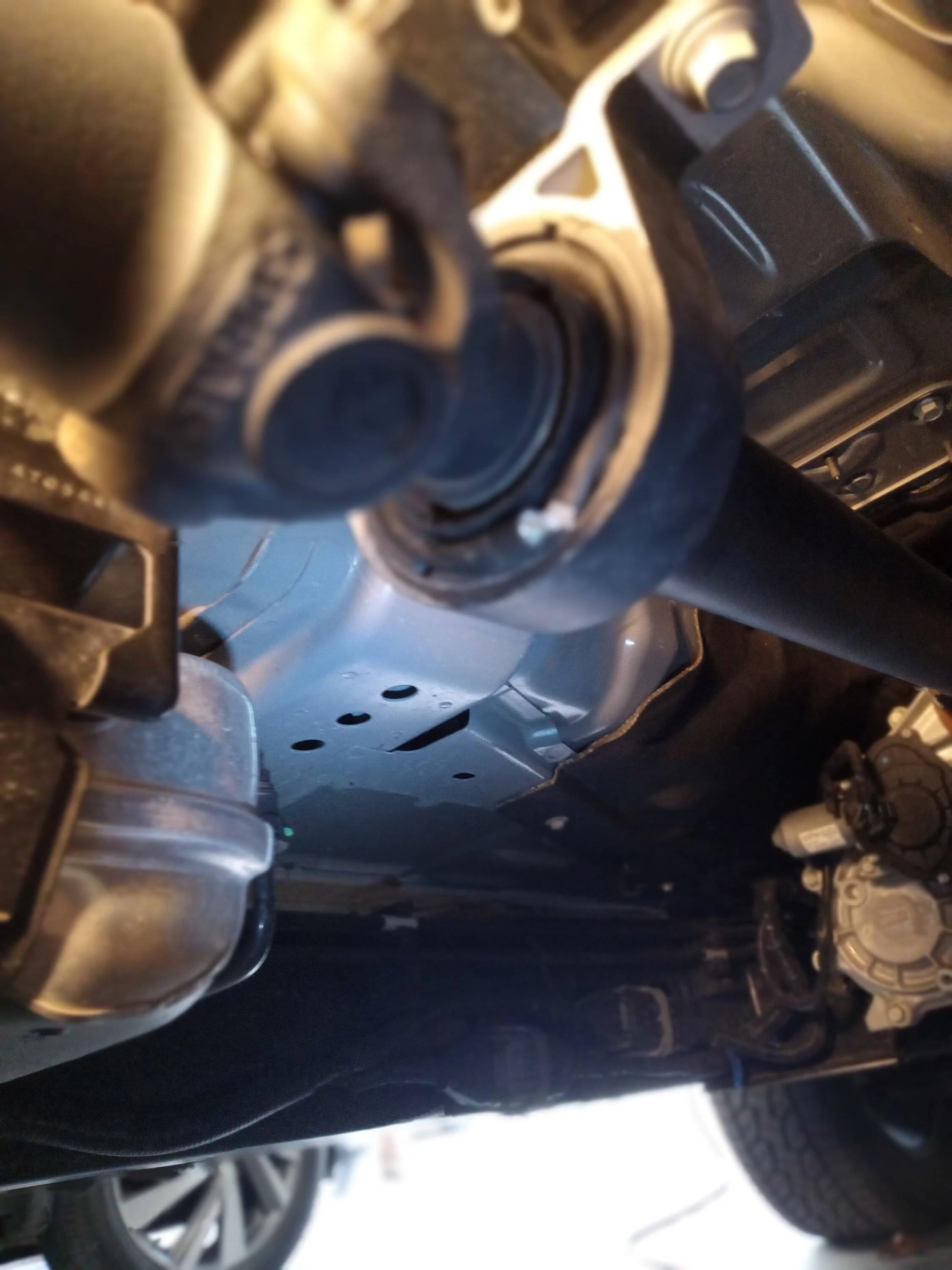
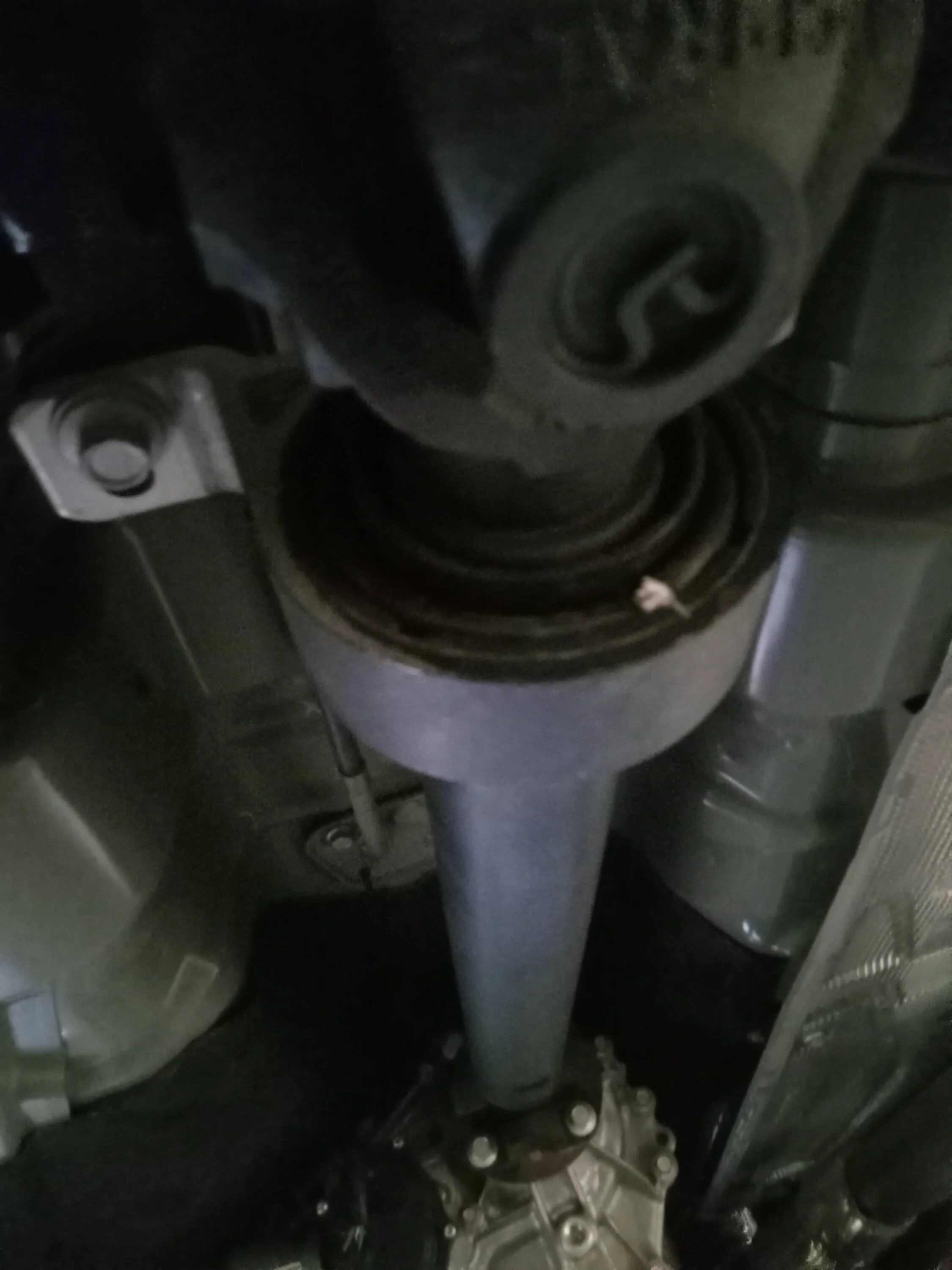
- @Muddy Fenders I think the way to do it would be to get the 2-part urethane mix, mix it up, and use something like this to pour it in around the cavity on the backside of the stock rubber bushing. Then let that harden. You'd have to remove the shaft and lean it up against a wall or something so that you can stand it on its end to fill the bushing and leave it long enough for the urethane to dry/cure. This would be an irreversible modification to the stock shaft though.
- About the low cost of the stock shafts. I can buy a new stock shaft (retail) for about the same price as I can buy the parts (wholesale) to build a one-piece shaft. The stock two-piece obviously uses more parts and more parts should mean more expense. But it doesn't, so to me that says something about the initial cost and correlated quality of the parts being used in the stock shafts. I'm not saying the price is conclusive proof that the stock shafts are built cheaply but there is certainly some substance to this idea.
- @Fitzmotor, about the stock shafts being out of phase. First, let me be clear that while this is not the first time anyone has intentionally done this it is definitely not common nor standard practice. I see it as a hail mary attempt to fix a problem that you can't fix through conventional methods and standards. While I'm hesitant to say "This is why they did it." because I'm not so arrogant that I think I can definitively explain motive and intention of anyone other than myself, I can make some pretty good educated guesses. My understanding of the intentionally out of phase thing is this: Think of two drumsticks on a drum. If you are hitting both sticks against the drum at the same time, every 1 and 3 count, the intensity (loudness) of the drum will be greater than it would be if you were alternating drum sticks and hitting one at a time every 1,2,3,4 count. Vibrations, shudders, noises, are all sort of similar. Noises are just vibrations that travel through the air and our ears pick up. So using this same logic, the wavelength, or frequency of the oscillation of the joints has been intentionally interrupted so that instead of the joints all oscillating/shuddering/vibrating in sync, which would increase the intensity, they have been de-synchronized to reduce intensity. Normally, and in almost every other drive shaft in existence, the joints will be all aligned in phase so that while one joint is speeding up the other is slowing down which will cause one's joint oscillation to cancel out the other's. Either because of the fact that this shaft has 3 joints and it is not possible to get all 3 joints properly synchronized or more likely because reality didn't meet expectations, that the computer simulation of what would work only worked in the computer which forced Ford or Spicer to use an uncommonly used trick (putting the joints out of phase) to try and fix the vibration that the shafts were having. Again, this is just my theory as to why they made the shafts this way, as I was not part of the discussion at Ford or Spicer but that's how the concept is generally understood by us in the drive shaft industry.
Sponsored
Last edited: