OrangeStreak
Well-Known Member
- First Name
- Paul
- Joined
- Aug 18, 2020
- Threads
- 32
- Messages
- 3,195
- Reaction score
- 13,984
- Location
- New Mexico
- Vehicle(s)
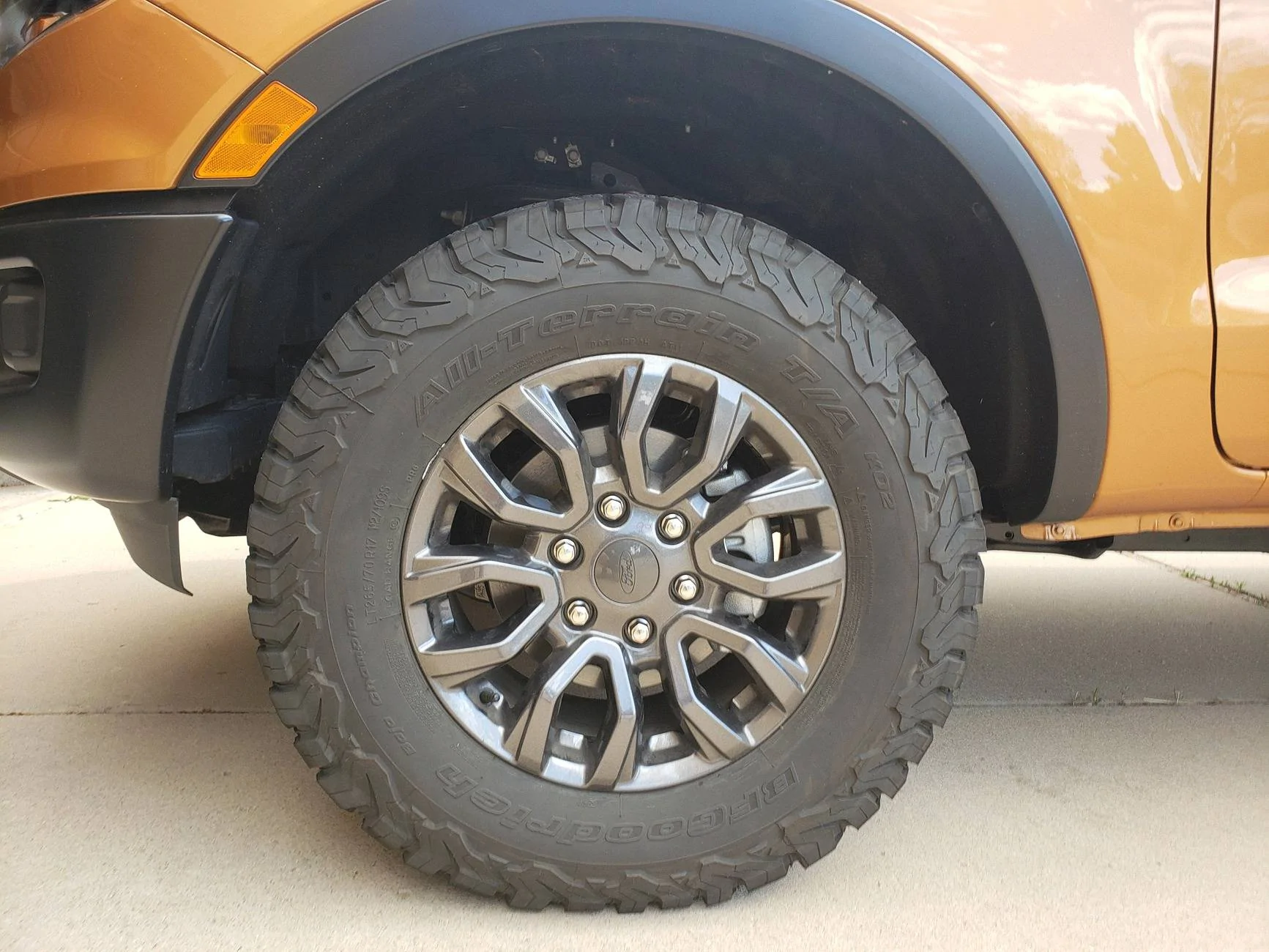
- 2020 SCab STX 4X4 Towing Pkg. BFG K02's 265/70/17
- Occupation
- Retired. MTS. ANG veteran. 2nd Amendment supporter.
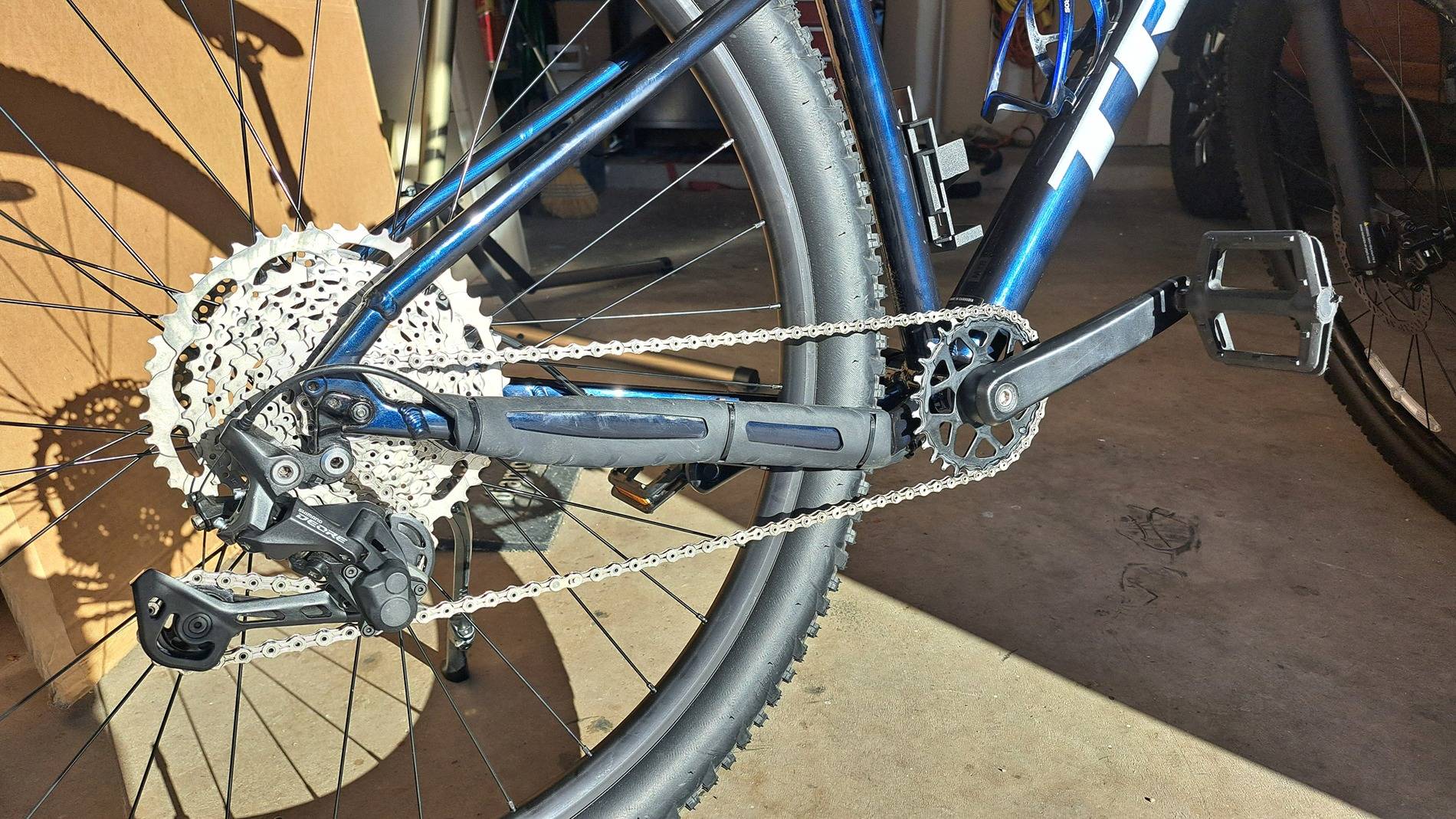
It seems like it should be the other way around when thinking in terms of volume but like you say it isn't. I run 37 PSI in my 265/70/17's and 40 PSI in the 29x2.40 bike tires which are rated to a max of 50 PSI. And as you mentioned some of the road bikes with skinnier tires take even more air. It would be treacherous to be stepped on by a woman with stilettos on...Old thread, but I wanted to add a little more.
Larger tires have more surface area.
Per Square Inch. PSI
1 square inch at 35 PSI has less load capacity than 2 square inches at 30 PSI.
Skinny bike tires may need 90 PSI, and big wide tires may only need 25 PSI.
100 lb woman on a ¼-in Stiletto heel: Exerts 1,600 pounds per square inch (psi)

Sponsored
Last edited: