
Sponsored

Fake engine noise

Fawnbuster

Well-Known Member
First Name
Mike
Joined
Jul 14, 2019
Threads
62
Messages
2,418
Reaction score
8,973
Location
Indiana
Vehicle(s)
2019 Ranger
Occupation
Retired 34 years as LEO
Vehicle Showcase
1
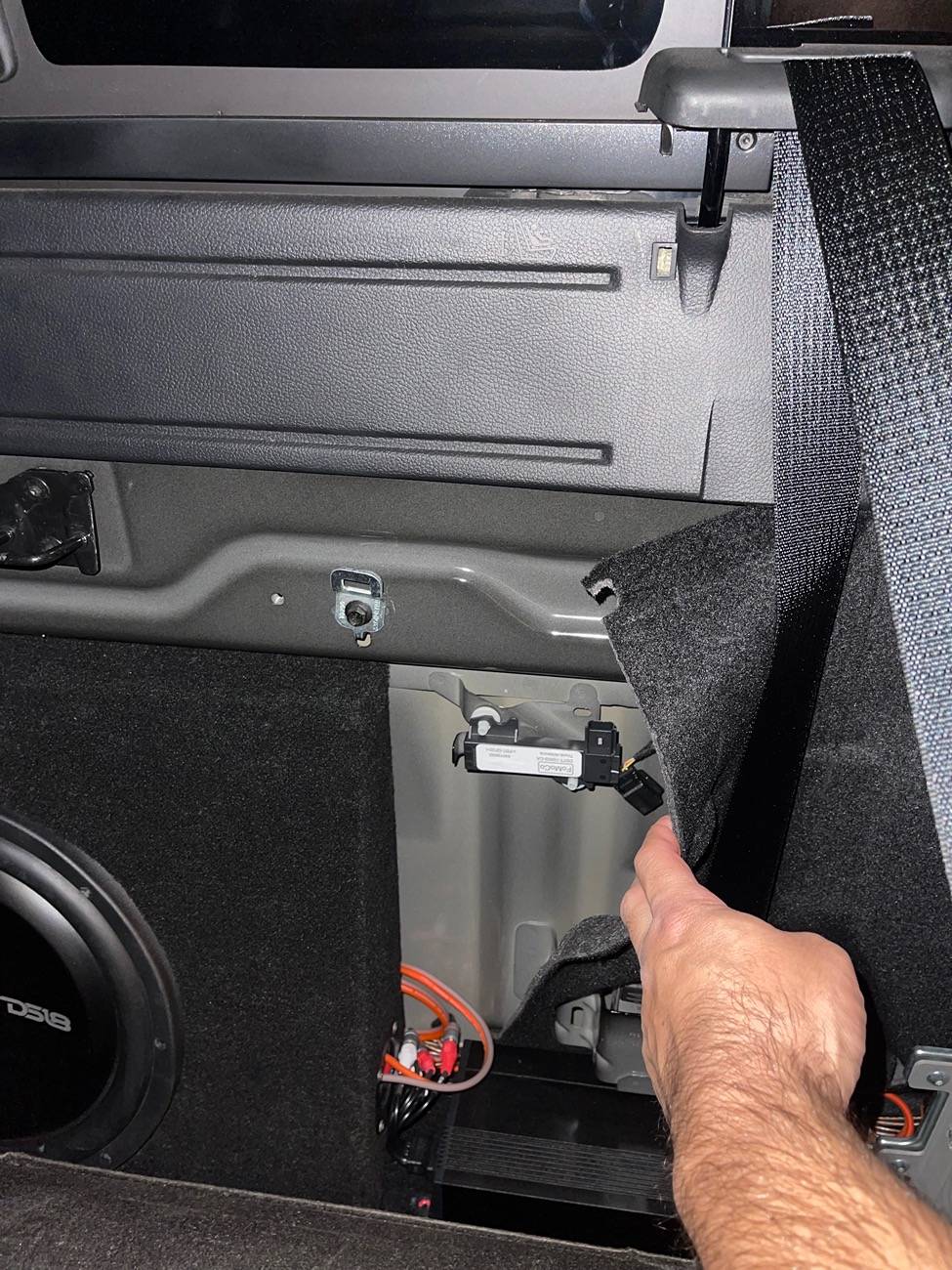
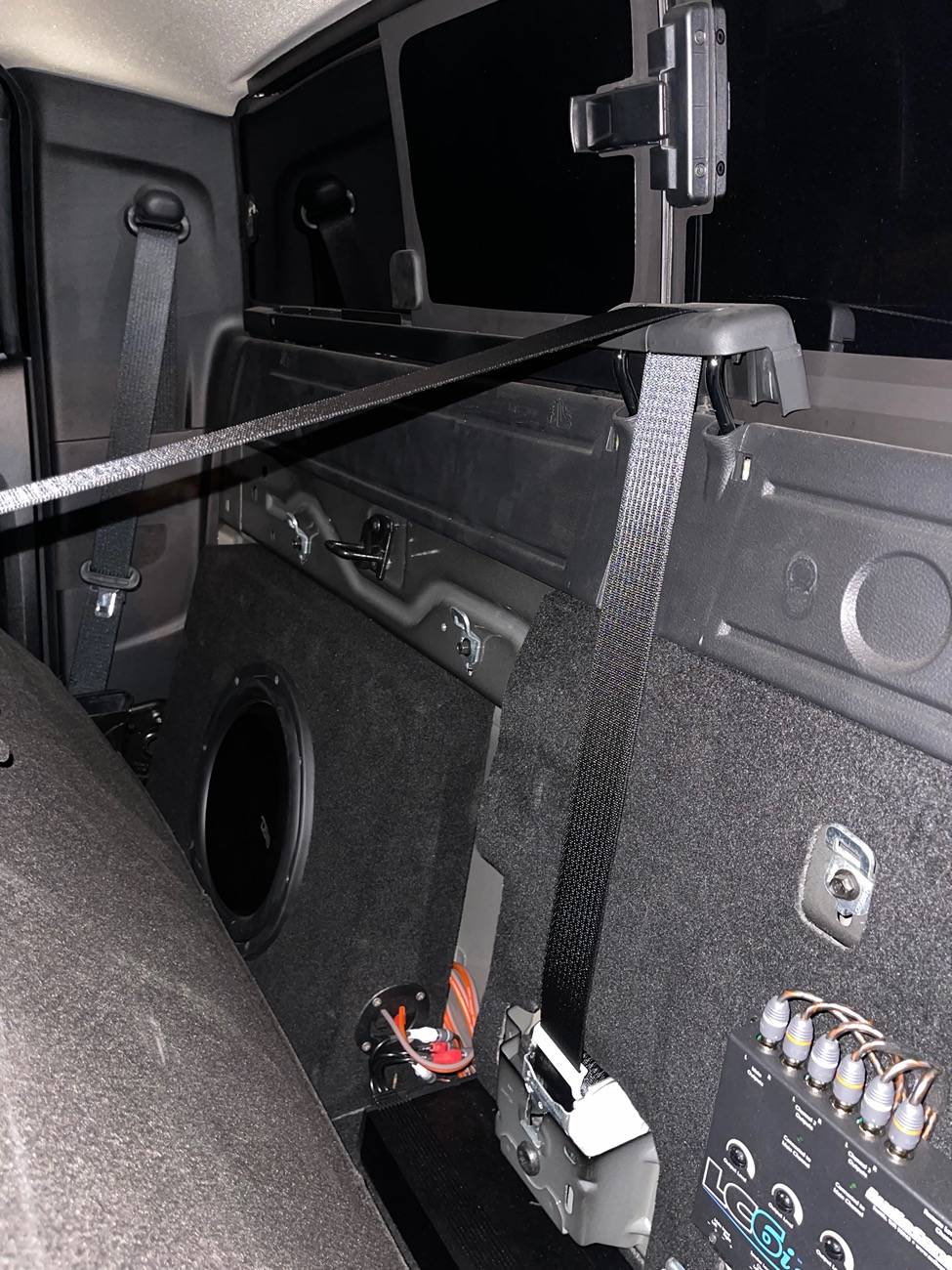
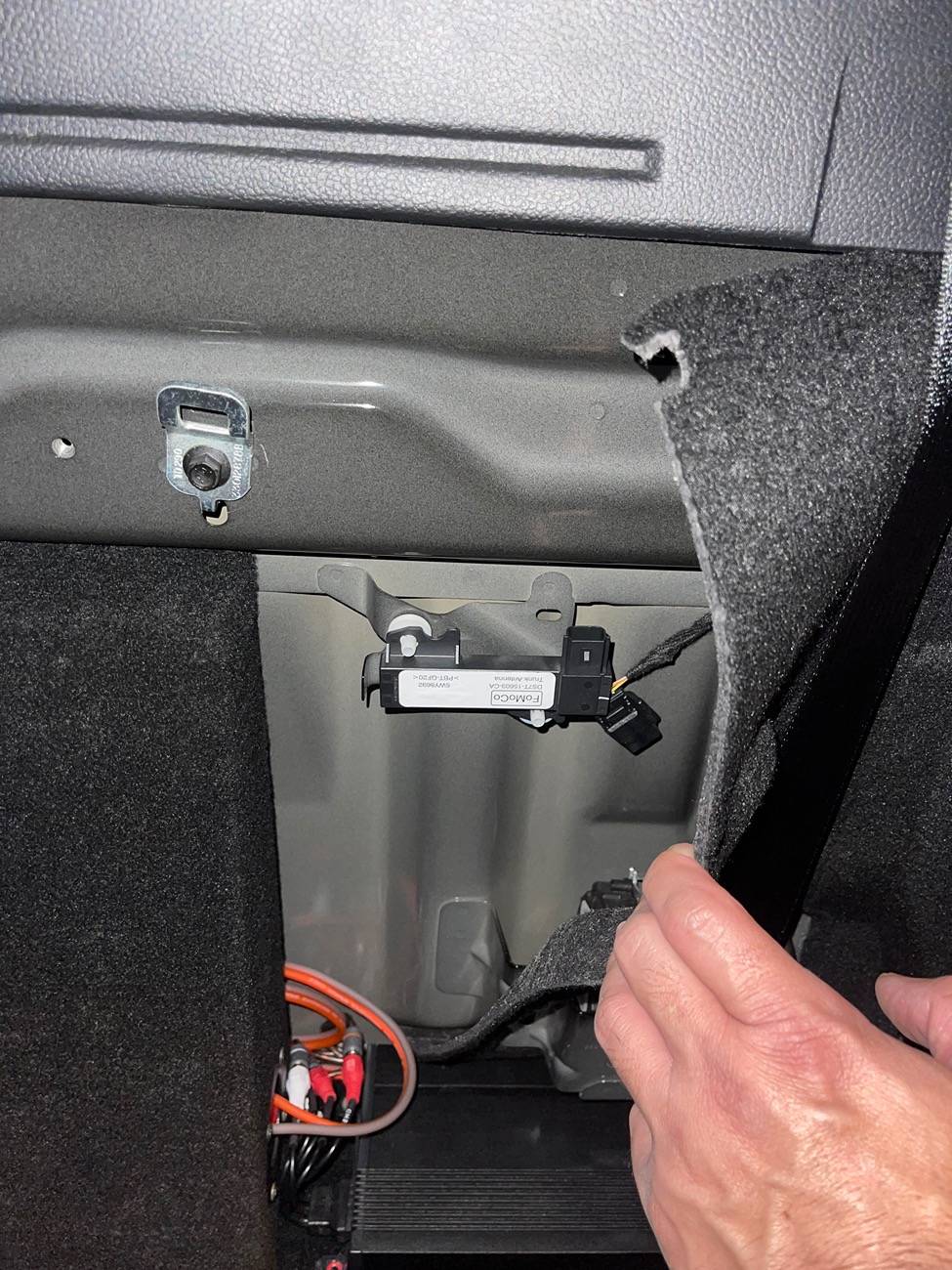
Not sure if any of you guys are interested but I solved the fake engine noise that gets really bad after you put in a sub without for scan or any special tools. If you fold the rear seat forward right in the center rear wall under the carpeting is a sensor disconnect it sound is gone. I did this then reconnected to make sure and sound came back. Left disconnected it’s no longer an issue.

IMG_9233.jpeg


IMG_9231.jpeg


IMG_9230.jpeg
Just wondering what the description for that part is when you punch in the part number
Sponsored


airline tech

Well-Known Member
Joined
Aug 24, 2022
Threads
28
Messages
4,493
Reaction score
8,583
Location
Midwest - KS
Vehicle(s)
2022 Ranger Lariat-Super Crew, Cactus Gray
Occupation
Aircraft Tech
Just wondering what the description for that part is when you punch in the part number
Its already posted in the other thread - It's the Rear PATs Antenna
 

airline tech

Well-Known Member
Joined
Aug 24, 2022
Threads
28
Messages
4,493
Reaction score
8,583
Location
Midwest - KS
Vehicle(s)
2022 Ranger Lariat-Super Crew, Cactus Gray
Occupation
Aircraft Tech
Thanks, but that's still Greek to me lol
PATS

The PATS function is controlled by the BCM, the PCM and the ABS module.

When the START/STOP button is pressed, a signal is sent to the BCM. When the BCM detects the START/STOP button is pressed, it begins the key initialization sequence by activating the PATS center antenna, the PATS rear antenna and both exterior doors handle keyless entry antennas. Each antenna transmits a low frequency signal with an approximate range of 1 m (3 ft). The passive key activates if it is within range of the antennas. The BCM is able to determine the passive key location (inside or outside the vehicle) based on the input from the antennas.

Nothing to do with Audio, but possibly signal interference (bleed over) from either power feed to it or the Radio Frequency it produces.
Sponsored


Top