
Sponsored

Anyone tried turbo flutter for fun?

FunInTheSun

Well-Known Member
First Name
Dave
Joined
Jun 6, 2021
Threads
2
Messages
550
Reaction score
1,619
Location
South Florida
Vehicle(s)
2021 Ranger XL 4x4, STX, in Velocity Blue
Occupation
Engineer (Semi-Retired)
Vehicle Showcase
1
Is this rice?

Undersized BoV. Probably still under development. He's probably not concerned about popping his filter...
Sponsored

 
Last edited:

FunInTheSun

Well-Known Member
First Name
Dave
Joined
Jun 6, 2021
Threads
2
Messages
550
Reaction score
1,619
Location
South Florida
Vehicle(s)
2021 Ranger XL 4x4, STX, in Velocity Blue
Occupation
Engineer (Semi-Retired)
Vehicle Showcase
1
haha man talk about a long time ago. However I did not do that as rice, I was working on something at the time that did not pan out.

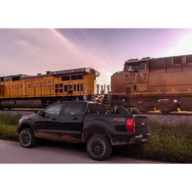
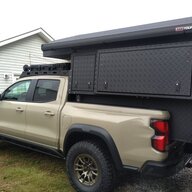
Dang, can't believe its the same truck. Way back on rack Version 1!

IMG_3638.JPG
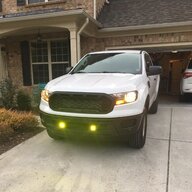
That's a pretty sweet-looking truck! I think SId's got you beat on lights, though.
But stickers don't bug me like they do some folks.
Stickers for components you don't HAVE is a classic RICE move.
I'm not accusing you of doing that, to be clear, just clarifying the difference between ricer and real.
 

Dr. Zaius

Well-Known Member
First Name
Dennis
Joined
Dec 20, 2019
Threads
76
Messages
6,671
Reaction score
40,699
Location
Living The Dream
Vehicle(s)
2019 Ranger XLT FX4
Sorry, but that makes me think of this classic "mod"

Likely NSFW

"Custom" Exhaust


seanellaz

Well-Known Member
First Name
Sean
Joined
Nov 14, 2020
Threads
3
Messages
303
Reaction score
395
Location
Tucson, AZ
Vehicle(s)
2020 Ford Ranger XLT CrewCab Fx4
Occupation
Healthcare
Vehicle Showcase
1
Turbocharged cars make two distinct iconic sounds.

Atmospheric Blow Off-Valve; this creates the iconic sound of a single sharp release of pressurized air.

Then we have the "flutter" or as the internet coins it, the "stustustustu" sound. Yea this made me laugh too, never heard it called that, I was like "The what sound?" It actually kind of makes sense I guess. You've heard it in movies and some of you may not have realized what it was, or mistook it for a BoV sound.

This is caused on a turbocharged system without any blow off valve type present. When the unused pressurized air has no exit point, well, it just goes back to whence it came from. Yup - reverse course all the way back out your intake. It is the sound of the returning air being forced back through your turbo and chopping against the blades.

So there are a couple of public thoughts on this;

1. Terrible for your turbo
2. Not terrible for your turbo
3. Minimally terrible for your turbo

Debate ranges from "air battling on your blades bad mmkay" (which does make sense), to "turbos built today are structurally superior to those of the past", to "wont hurt smaller turbos, but bad for big boy turbos".

I have zero clue what is true, not true, half truth, or any other choice on the spectrum.

We can make our turbos flutter by simply removing the BoV and blocking the pipe, or you can take a slice of coke can and slip it between the BoV and the pipe.

I trust the BOV. If running @ Max boost, then promplty release the throttle, the turbo is still blowing hard, against a closed, already pressurized intake. S'posed to be hard on the turbo, like hitting the turbine with an air hammer, hence the BVFO.
 

FunInTheSun

Well-Known Member
First Name
Dave
Joined
Jun 6, 2021
Threads
2
Messages
550
Reaction score
1,619
Location
South Florida
Vehicle(s)
2021 Ranger XL 4x4, STX, in Velocity Blue
Occupation
Engineer (Semi-Retired)
Vehicle Showcase
1
I trust the BOV. If running @ Max boost, then promplty release the throttle, the turbo is still blowing hard, against a closed, already pressurized intake. S'posed to be hard on the turbo, like hitting the turbine with an air hammer, hence the BVFO.
Here's a SHORT, but accurate presentation about types of turbo flutter.
It's an aerodynamic stall of the compressor blades when the flow drops due to flow restriction (closed throttle plate) with the turbo at high output. The sound is from the blades losing the ability to pump the air against the high pressure gradient. This guy demonstrates the stall with an interesting setup. He drives the turbo with an electric motor and stalls it by blocking the flow.


Bomlodr

Active Member
Joined
Nov 22, 2020
Threads
2
Messages
32
Reaction score
125
Location
Central Texas
Vehicle(s)
1984 SVO, 2020 Ranger XLT
Occupation
Engineer
Turbocharged cars make two distinct iconic sounds.

Atmospheric Blow Off-Valve; this creates the iconic sound of a single sharp release of pressurized air.

Then we have the "flutter" or as the internet coins it, the "stustustustu" sound. Yea this made me laugh too, never heard it called that, I was like "The what sound?" It actually kind of makes sense I guess. You've heard it in movies and some of you may not have realized what it was, or mistook it for a BoV sound.

This is caused on a turbocharged system without any blow off valve type present. When the unused pressurized air has no exit point, well, it just goes back to whence it came from. Yup - reverse course all the way back out your intake. It is the sound of the returning air being forced back through your turbo and chopping against the blades.

So there are a couple of public thoughts on this;

1. Terrible for your turbo
2. Not terrible for your turbo
3. Minimally terrible for your turbo

Debate ranges from "air battling on your blades bad mmkay" (which does make sense), to "turbos built today are structurally superior to those of the past", to "wont hurt smaller turbos, but bad for big boy turbos".

I have zero clue what is true, not true, half truth, or any other choice on the spectrum.

We can make our turbos flutter by simply removing the BoV and blocking the pipe, or you can take a slice of coke can and slip it between the BoV and the pipe.

.

Ok..first off, the 2.3 turbo in the ranger does not have a blow off valve, it has a bypass valve. BOVs vent to atmosphere, BPVs vent to the atmosphere side of the turbo inlet.

Second...when you remove the bypass/blow off valve, you WILL hurt the performance of the engine by increasing turbo lag when you go from closed to open throttle. Not to mention the increased wear and tear on the turbo parts.

Using a natty light can and YouTube engineering to "modify" the engine in my truck is going to be a hard no from me.
 
OP
OP
OFC Ranger

OFC Ranger

Well-Known Member
First Name
Jack
Joined
Aug 3, 2020
Threads
297
Messages
5,019
Reaction score
13,926
Location
Georgia
Vehicle(s)
ZR2
.

Ok..first off, the 2.3 turbo in the ranger does not have a blow off valve, it has a bypass valve. BOVs vent to atmosphere, BPVs vent to the atmosphere side of the turbo inlet.

Second...when you remove the bypass/blow off valve, you WILL hurt the performance of the engine by increasing turbo lag when you go from closed to open throttle. Not to mention the increased wear and tear on the turbo parts.

Using a natty light can and YouTube engineering to "modify" the engine in my truck is going to be a hard no from me.

Oh man, thanks for the info. I thought our trucks had superchargers.

The guy at autozone sold me a specter air filter, but when I attach it to the end of my exhaust I get dash lights. Can you tell me whats wrong with it?
 

got3fords

Well-Known Member
First Name
James
Joined
Apr 12, 2021
Threads
131
Messages
5,320
Reaction score
13,817
Location
22973
Vehicle(s)
2026 Marsh Gray Ranger Raptor, 1995 Harley XLH1200
Occupation
Mom Joke Professional
Interestingly, intake tract reversion can be seen on engines with the air filter removed. It's more likely to be visible and engines with a short intake tract and an aggressive cam profile (like motorcycle engines, and performance cars built for high rpm power...). Pretty neat to watch, but a little scary to be close to once you realize what you are looking at. This is why some aggressive cams have a hard time idling smoothly. When the mixture makes a second trip through the carb, it gets a good bit richer, causing a stumble.
My '95 Harley has reversion. It is really weird the first time you see it. First time I noticed it I had the air filter off, and I thought WTF? Investigated it and found it was normal.


Top