Sponsored

What did you do WITH your Ranger today?

Ranger Mel

Well-Known Member
First Name
Mel
Joined
Dec 31, 2024
Threads
1
Messages
520
Reaction score
2,827
Location
Post Falls, Idaho
Vehicle(s)
2019 Ranger XLT Super Crew FX4 Tow Package
Occupation
RETIRED (as of 6/11/25) Sports Med, Health and PE Teacher
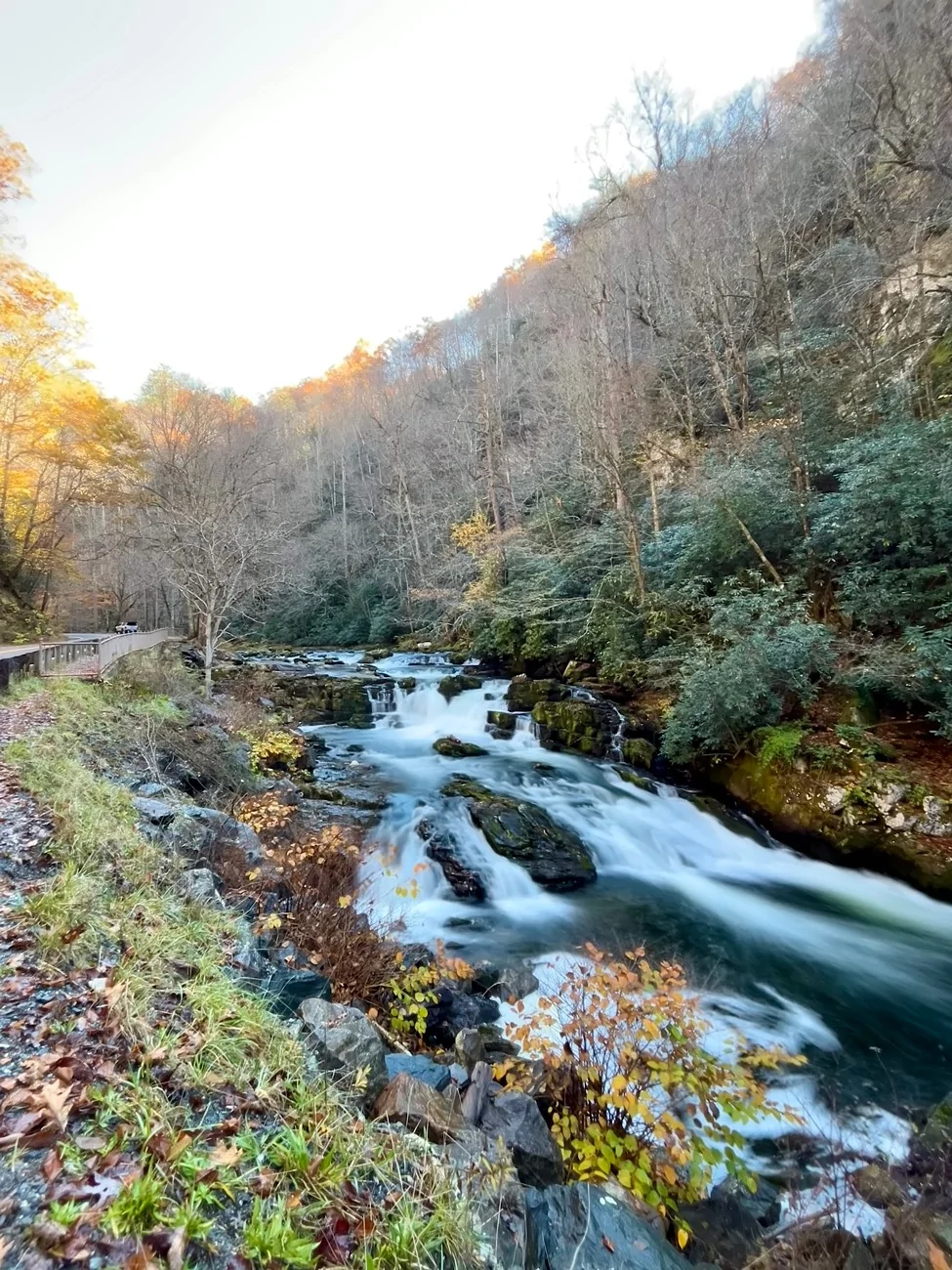
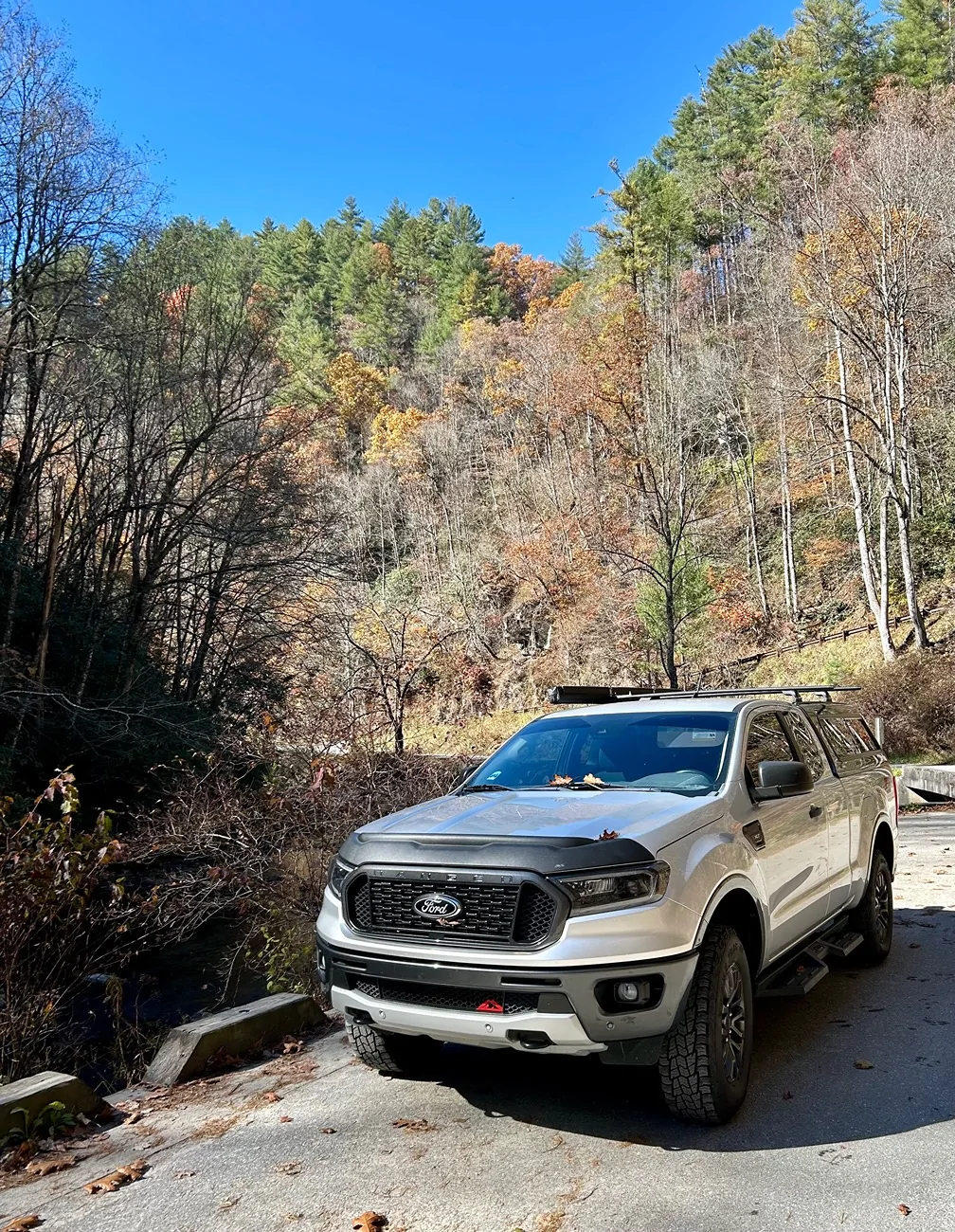
Went over the mountain into NC to fly fish with my brother. Couldn’t buy a bite in the river I’ve not fished before, but scenery was worth the trip.

IMG_4251.webp
IMG_4258.webp
IMG_4252.webp
IMG_4265.webp
IMG_4274.webp
IMG_4267.webp
Fall. Throw streamers and nymphs unless there's a hatch you can match. Emergersor cripples often work before it gets too cold. I'm sure you already knew that. 😁 Looks awesome!
Sponsored


underwhelmed

Well-Known Member
Joined
Jan 29, 2023
Threads
27
Messages
1,127
Reaction score
6,373
Location
GSMs
Vehicle(s)
2019 Ranger SC XLT FX4, 1998 Jeep Cherokee XJ
Occupation
Retired Military
Vehicle Showcase
1
Fall. Throw streamers and nymphs unless there's a hatch you can match. Emergersor cripples often work before it gets too cold. I'm sure you already knew that. 😁 Looks awesome!
I used every nymph in the fly box. I should have tried a small streamer 😂
 

Ranger Mel

Well-Known Member
First Name
Mel
Joined
Dec 31, 2024
Threads
1
Messages
520
Reaction score
2,827
Location
Post Falls, Idaho
Vehicle(s)
2019 Ranger XLT Super Crew FX4 Tow Package
Occupation
RETIRED (as of 6/11/25) Sports Med, Health and PE Teacher

Ranger_Pawl

Well-Known Member
First Name
Paul
Joined
Sep 30, 2020
Threads
11
Messages
404
Reaction score
2,087
Location
Huron Twp., Mi
Vehicle(s)
2020 Ranger XLT Supercab
Occupation
Retired Draftsman
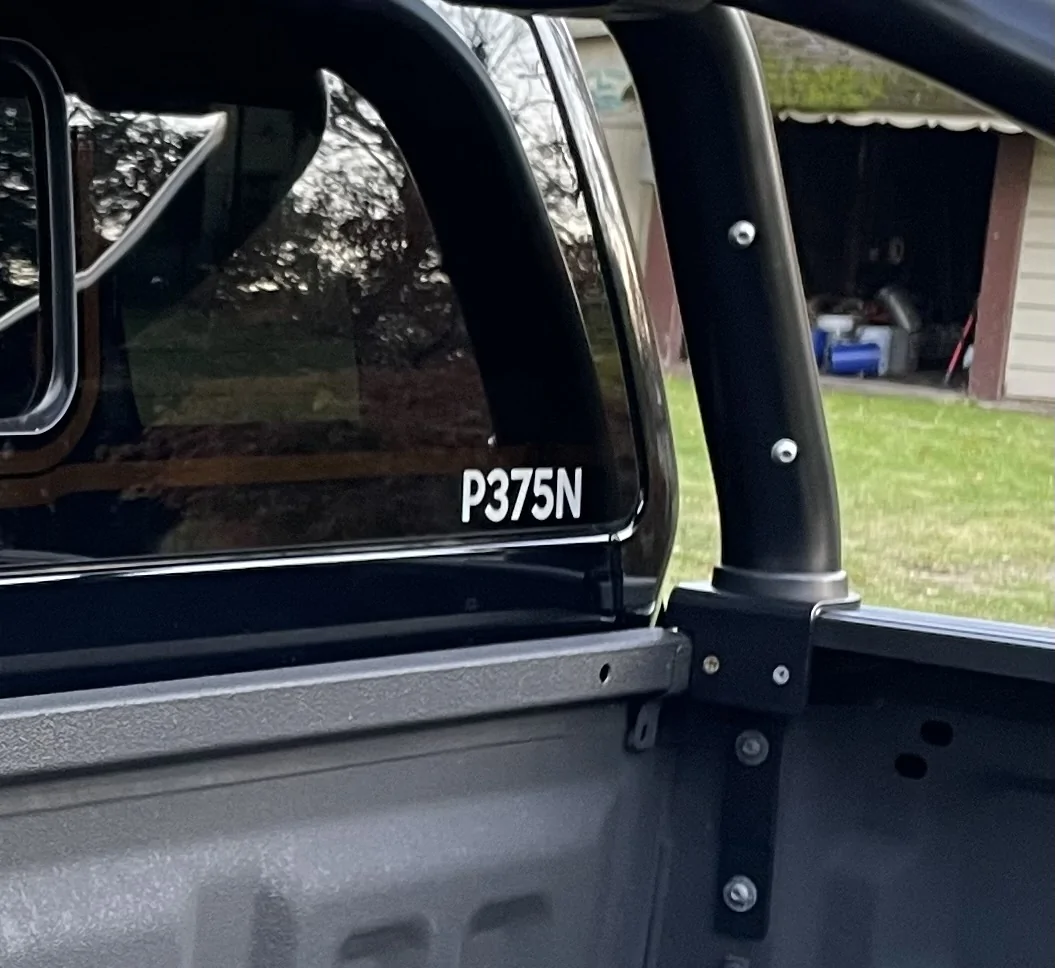
Added new decal to the back window:

1762610586247-q0.webp


Which of you "Ranger" owners can tell me what a P375N is???:crazy:
 

AzScorpion

Moderator
First Name
Dave
Joined
Jul 25, 2019
Threads
342
Messages
27,112
Reaction score
137,177
Location
Back Home In AZ!
Vehicle(s)
2023 Ford Ranger Tremor
Occupation
Retired...Full Time Slacker
Added new decal to the back window:

1762610586247-q0.webp


Which of you "Ranger" owners can tell me what a P375N is???:crazy:
Wasn't it the project code name for the 2019 Ranger coming back to North America? The ROTW Rangers were still in production from 2011 and the added the N to it when it was reintroduced here in North America.


Ranger_Pawl

Well-Known Member
First Name
Paul
Joined
Sep 30, 2020
Threads
11
Messages
404
Reaction score
2,087
Location
Huron Twp., Mi
Vehicle(s)
2020 Ranger XLT Supercab
Occupation
Retired Draftsman
Wasn't it the project code name for the 2019 Ranger coming back to North America? The ROTW Rangers were still in production from 2011 and the added the N to it when it was reintroduced here in North America.
Yup Dave. That's the project code for our 5G's. Back around 2017 I was creating drawings for the Ford P375N program not knowing what vehicle a P375N was. Once I got my Ranger I decided to name it P375N, because that's what I originally knew it as.

Not surprised you got it. :)
 

KNI

Well-Known Member
Joined
Jan 10, 2021
Threads
13
Messages
1,316
Reaction score
5,598
Location
Finland
Vehicle(s)
Ranger Raptor 2021
Added new decal to the back window:

1762610586247-q0.webp


Which of you "Ranger" owners can tell me what a P375N is???:crazy:
I have no clue, but AI gobbledygook generator says:

The code P375N is Ford Motor Company's internal engineering and development code for the generation of the Ford Ranger midsize pickup truck sold in the North American market from the 2019 to 2023 model years.

Here is a more detailed breakdown:
  • P375: This was the original global program code for the "T6" generation Ford Ranger, which was developed in Australia and sold in international markets starting in 2011.
  • N: This suffix specifically denotes the North American variant of the P375 program.
The "N" designation highlights that the North American Ranger was not simply the international version imported into the US and Canada. The P375N involved significant modifications compared to the global P375 model to meet specific North American regulatory requirements, consumer demands, and engineering standards.
Key aspects of the P375N program include:

  • Chassis Modifications: The P375N utilized an evolution of the existing P375 chassis frame, but it was reportedly a three-piece frame structure with major modifications tailored for the North American market.
  • Market Specifics: The North American version had different powertrain options (initially only a 2.3L EcoBoost engine with a 10-speed automatic transmission), different safety systems, and different interior/exterior styling elements compared to the various international versions.
  • Development Context: The P375N was developed concurrently with the current generation Ford Bronco (internal code U725), and both vehicles shared some underlying components and manufacturing processes at the Michigan Assembly Plant.
In essence, "P375N" is a behind-the-scenes engineering identifier that differentiates the North American Ranger project from its global counterparts. It has since been superseded by the program code P703 (and P703N for the North American variant) for the next generation Ranger launched in 2023-2024.
 

Ranger_Pawl

Well-Known Member
First Name
Paul
Joined
Sep 30, 2020
Threads
11
Messages
404
Reaction score
2,087
Location
Huron Twp., Mi
Vehicle(s)
2020 Ranger XLT Supercab
Occupation
Retired Draftsman
I have no clue, but AI gobbledygook generator says:

The code P375N is Ford Motor Company's internal engineering and development code for the generation of the Ford Ranger midsize pickup truck sold in the North American market from the 2019 to 2023 model years.

Here is a more detailed breakdown:
  • P375: This was the original global program code for the "T6" generation Ford Ranger, which was developed in Australia and sold in international markets starting in 2011.
  • N: This suffix specifically denotes the North American variant of the P375 program.
The "N" designation highlights that the North American Ranger was not simply the international version imported into the US and Canada. The P375N involved significant modifications compared to the global P375 model to meet specific North American regulatory requirements, consumer demands, and engineering standards.
Key aspects of the P375N program include:

  • Chassis Modifications: The P375N utilized an evolution of the existing P375 chassis frame, but it was reportedly a three-piece frame structure with major modifications tailored for the North American market.
  • Market Specifics: The North American version had different powertrain options (initially only a 2.3L EcoBoost engine with a 10-speed automatic transmission), different safety systems, and different interior/exterior styling elements compared to the various international versions.
  • Development Context: The P375N was developed concurrently with the current generation Ford Bronco (internal code U725), and both vehicles shared some underlying components and manufacturing processes at the Michigan Assembly Plant.
In essence, "P375N" is a behind-the-scenes engineering identifier that differentiates the North American Ranger project from its global counterparts. It has since been superseded by the program code P703 (and P703N for the North American variant) for the next generation Ranger launched in 2023-2024.
The all-knowing AI is correct. 👀
 

TxOTRRanger

Well-Known Member
First Name
Clay
Joined
Jul 14, 2025
Threads
5
Messages
1,632
Reaction score
7,672
Location
Elwood, Texas
Vehicle(s)
2022 Ford Ranger XLT supercrew SPORT 4X4
Occupation
Currently unemployed (beach bum)lol
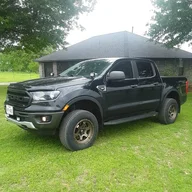
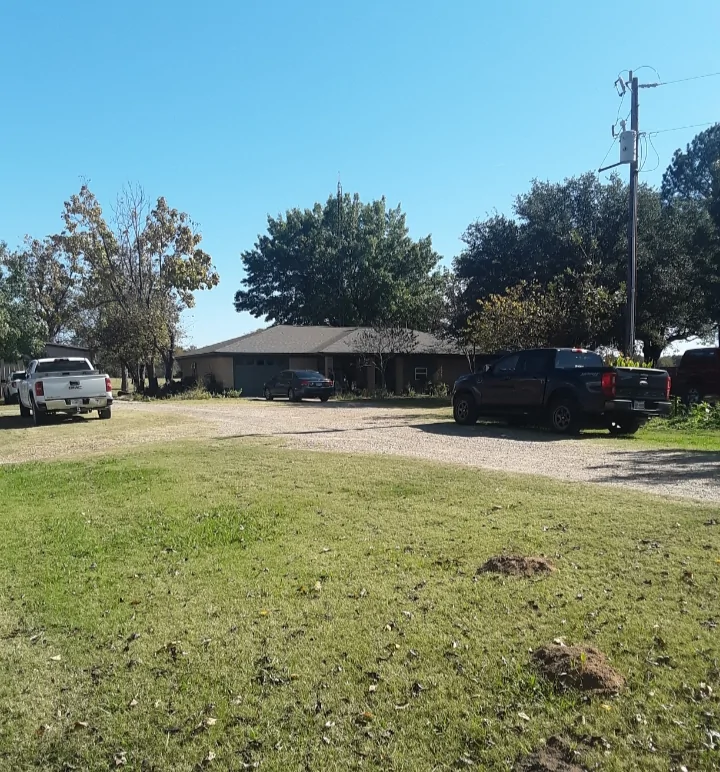
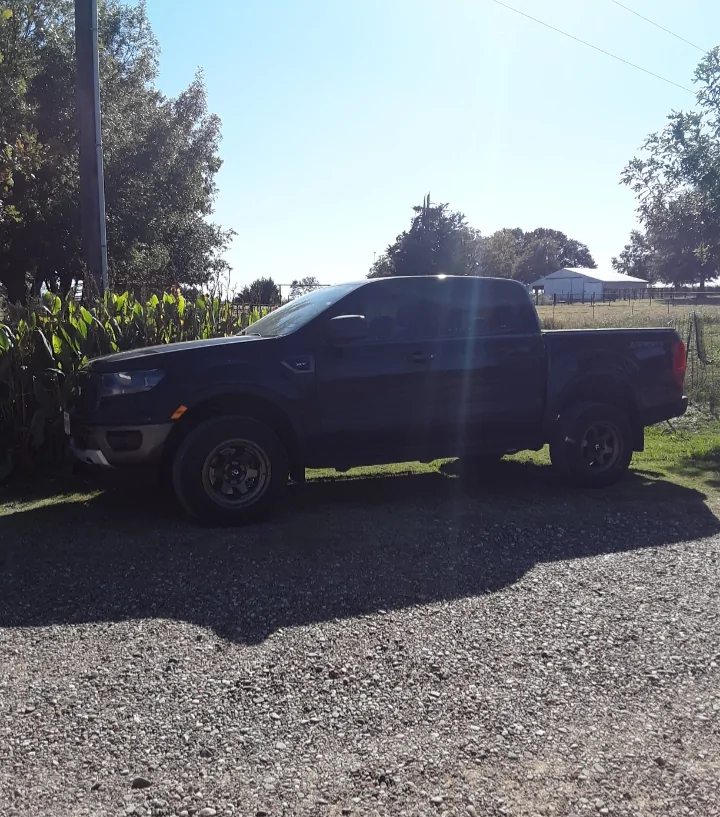
I went down to my Uncle Roys and Aunt Claydeans for my Grandmas 97th Birthday party.
20251108_120826.webp

20251108_151840.webp
 

TxOTRRanger

Well-Known Member
First Name
Clay
Joined
Jul 14, 2025
Threads
5
Messages
1,632
Reaction score
7,672
Location
Elwood, Texas
Vehicle(s)
2022 Ford Ranger XLT supercrew SPORT 4X4
Occupation
Currently unemployed (beach bum)lol
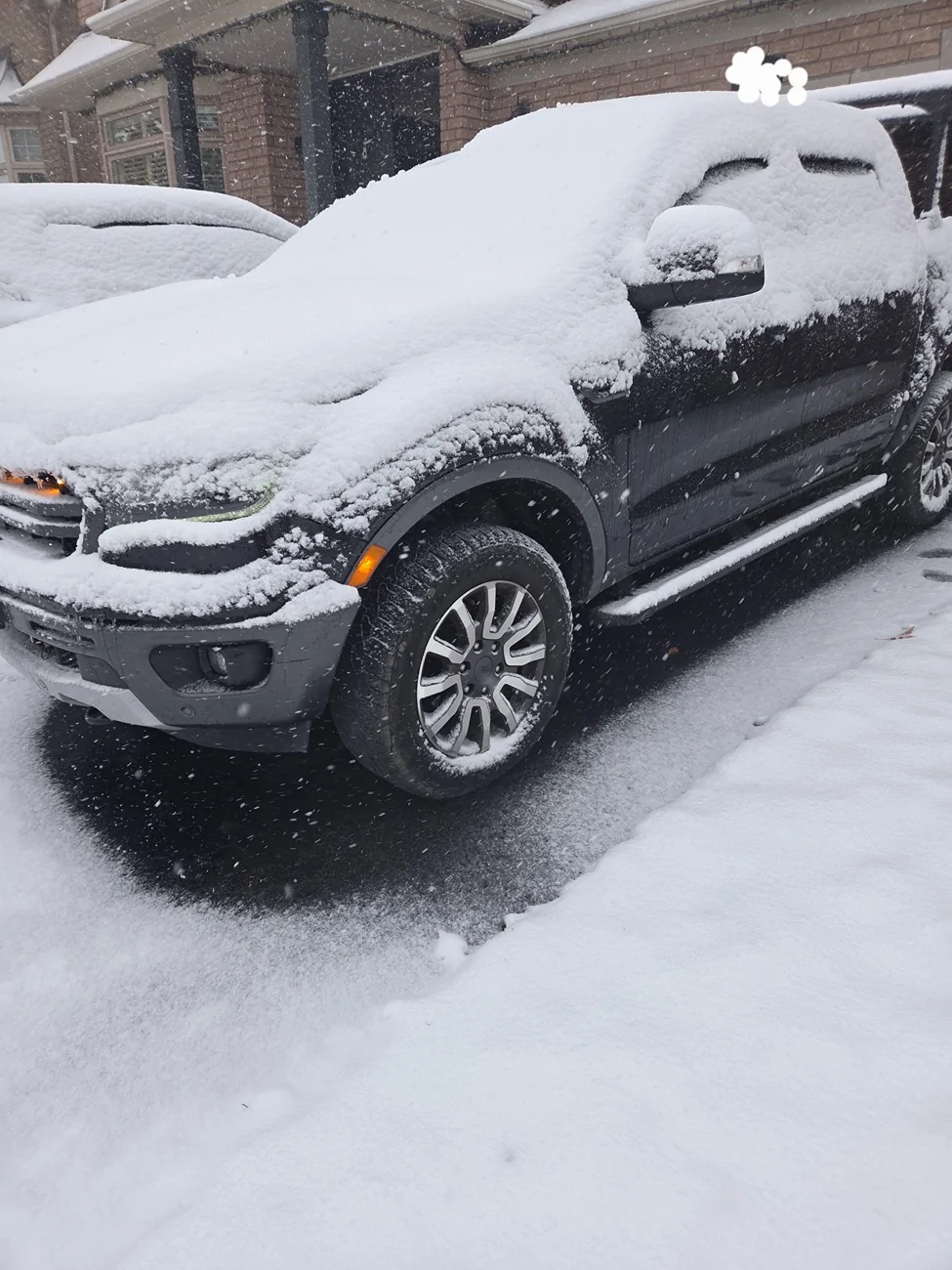
We had our first decent snowfall of the year. I'm still on the summer tires. Winter tires are going on this week.

20251109_145547.webp
With winter coming on, it's just a matter of time before it does that here in North Texas. Glad I switched to ATs.
 

LaBalbe

Well-Known Member
Joined
Dec 14, 2021
Threads
18
Messages
2,257
Reaction score
13,730
Location
Ontario / part-time NC
Vehicle(s)
2020 Ranger Lariat
Very timely given the state of your existing front tires. You should have an alignment after you get them put on. 👍
That's already on the work order, because I noticed the other day that he pulls to the right in the straightaways.

New summer tires are in the spring budget.
 
Last edited:

LaBalbe

Well-Known Member
Joined
Dec 14, 2021
Threads
18
Messages
2,257
Reaction score
13,730
Location
Ontario / part-time NC
Vehicle(s)
2020 Ranger Lariat
With winter coming on, it's just a matter of time before it does that here in North Texas. Glad I switched to ATs.
ATs are fine for warmer winters, but up here we have to switch out between summer and winter tires.

Basically (and this is admittedly very simplified), the problem is that when it gets too cold (i.e. under 7C or 46F), the rubber in regular tires (what we call "summer tires") "shrinks" too much (we all know about "shrinkage" in the cold) and you don't have enough tire to get decent traction on the road. Winter tires are made of a much softer rubber, so when it gets cold and the rubber hardens up, it "shrinks" to have the same amount of surface contact with the road as a regular tire would in summer. If we were to use those in summer, though, the rubber would be so soft and brittle that the tires would disintegrate in no time.

In some areas, where ice is an issue, you might go the extra step to have studded winter tires. Not only do they have the softer rubber, but they've also got little nails embedded into the rubber for extra traction on the ice, but you if you use these too much on non-icy roads, you'll destroy the pavement. In the past several years, I've also seen them studded with walnut shells as a more eco-friendly version. The walnut shells are hard enough to do the same traction job as the metal nails, but as the rubber wears down and they're eventually "released" from the tire's grip, the shells are biodegradable whereas the nails are not.
 

DukeCanBuildit

Well-Known Member
First Name
Duke
Joined
Jul 27, 2020
Threads
66
Messages
8,802
Reaction score
42,025
Location
Here
Vehicle(s)
XLT
ATs are fine for warmer winters, but up here we have to switch out between summer and winter tires.

Basically (and this is admittedly very simplified), the problem is that when it gets too cold (i.e. under 7C or 46F), the rubber in regular tires (what we call "summer tires") "shrinks" too much (we all know about "shrinkage" in the cold) and you don't have enough tire to get decent traction on the road. Winter tires are made of a much softer rubber, so when it gets cold and the rubber hardens up, it "shrinks" to have the same amount of surface contact with the road as a regular tire would in summer. If we were to use those in summer, though, the rubber would be so soft and brittle that the tires would disintegrate in no time.

In some areas, where ice is an issue, you might go the extra step to have studded winter tires. Not only do they have the softer rubber, but they've also got little nails embedded into the rubber for extra traction on the ice, but you if you use these too much on non-icy roads, you'll destroy the pavement. In the past several years, I've also seen them studded with walnut shells as a more eco-friendly version. The walnut shells are hard enough to do the same traction job as the metal nails, but as the rubber wears down and they're eventually "released" from the tire's grip, the shells are biodegradable whereas the nails are not.
I worked part time at the local Gulf service station in high school and dreaded having to stud winter tires. They were inserted using a special tool that looked a bit like a drill. It was connected to a compressor hose, which made things easier, but they had to be inserted one at a time. With about 100 or more studs per tire, it was a real pain. All while running out to the pump to fill gas tanks when cars arrived.

Ding, ding.
Sponsored


Top