ATGC
Member
- Thread starter
- #1
Hello – I’ve learned a lot from others here about their experiences towing travel trailers with their Rangers, so I thought I would return the favor and report on a recent long trip I just completed.
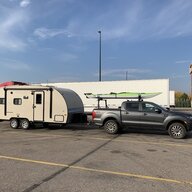
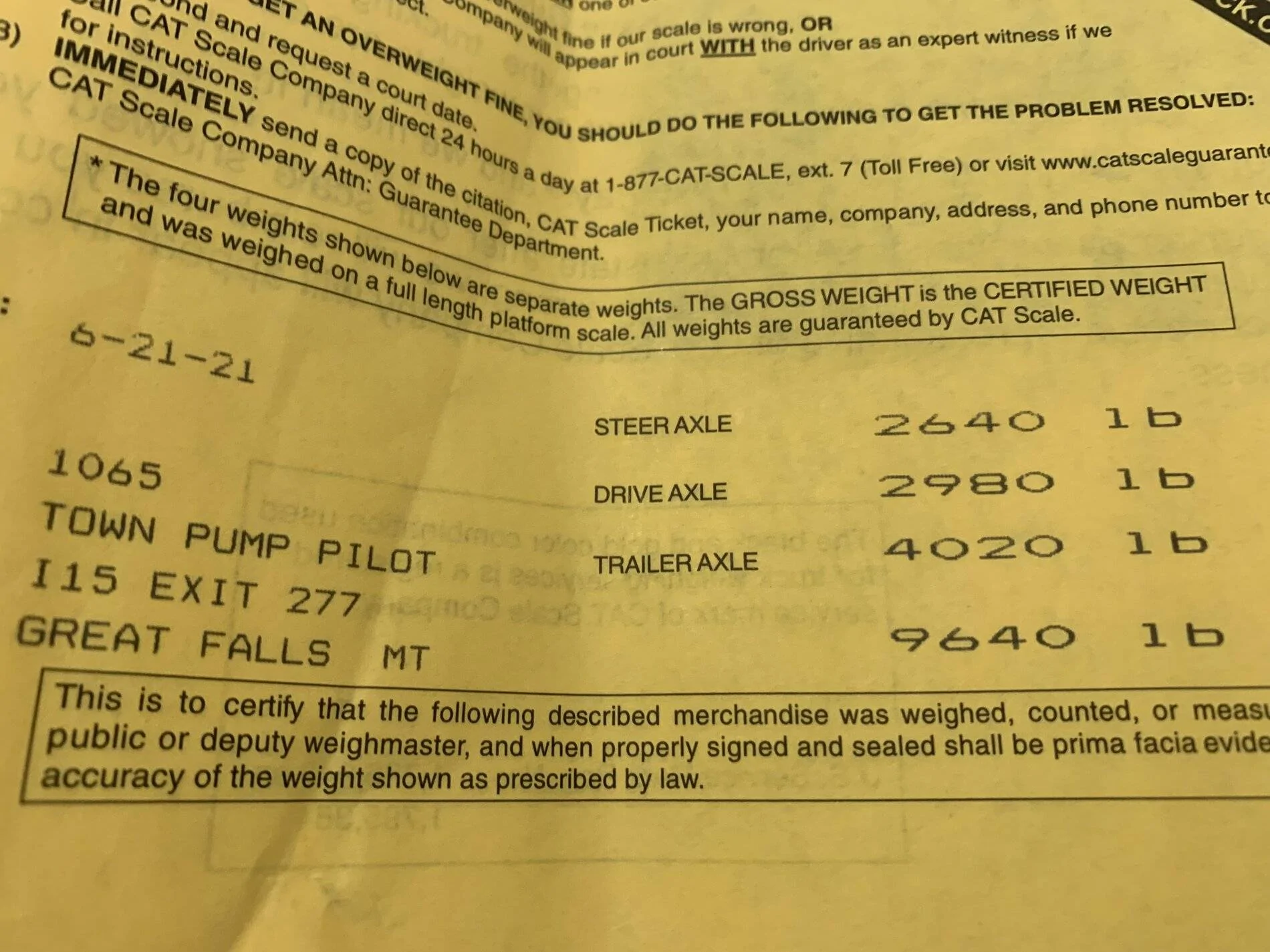
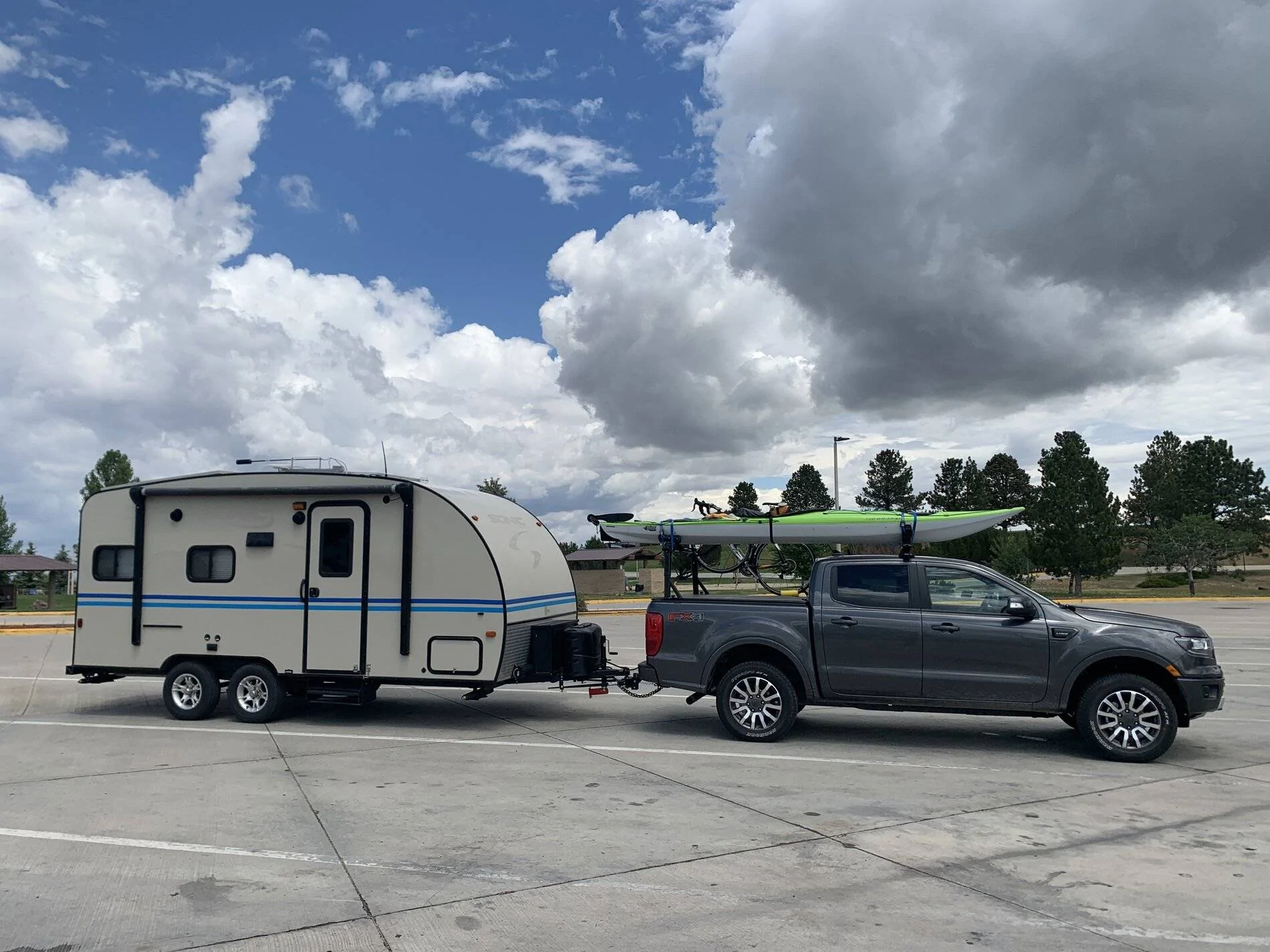
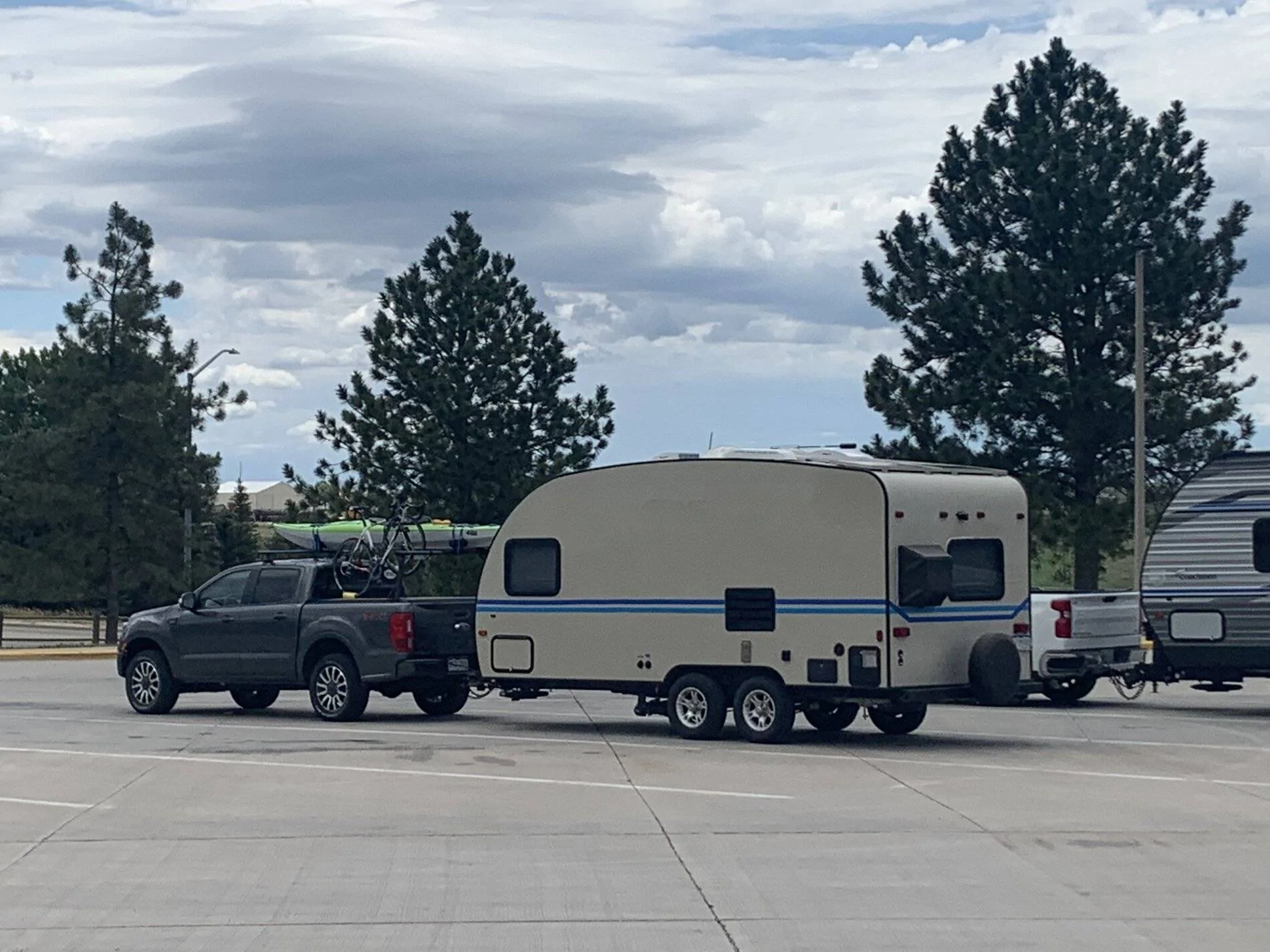
In total for this trip, I towed my 21ft long, 7.5ft wide, 10ft tall, 4500lb travel trailer for 1,800 miles, from Fort Collins CO to the east side of Glacier National Park in northern MT. Amazing trip. My Ranger did really great and made the long drive stress-free and enjoyable. My Ranger is a 2020 SuperCrew Lariat FX4, completely stock except for a pair of SumoSprings (blue; 1,000lb) replacing the stock bump stops. I was the only person in the truck, but I did bring a lot of toys (kayak, bike) and camping gear with me, in the truck bed and in the rack above. Fully loaded, full tank of fuel, and hitched up with a weight distribution hitch, the truck weighted 5620lb (so 430lb of payload still available before hitting the Ranger’s 6050lb GVWR). The combined weight for the rig was 9640lb, and the trailer’s tongue weight was carefully adjusted close to 460lb. The combination of the well-adjusted WD hitch and the SumoSprings made the rig almost perfectly level, very stable and towed confidently the whole way out and back.
The route was mostly through western interstates (i25, i90, i15) that have a speed limit of 80mph for cars and 70mph for trucks. I was in no hurry and enjoying myself, so I mostly set the cruise control to 65mph, put on a good audio book, and trucked along. This moderate speed was primarily for keeping fuel consumption under check, but also for avoiding getting caught by sudden and nasty Wyoming crosswind guts. I feel the Ranger could have comfortably towed this trailer at 70mph, but I saw no need for that. Above 65mph the fuel consumption gets noticeably worse. I have a ScanGaugeII to closely monitor engine parameters and transmission temps, and I can clearly see the significantly higher turbo boost pressures towing at higher speeds, so I just took it easy and kept it at 65mph.
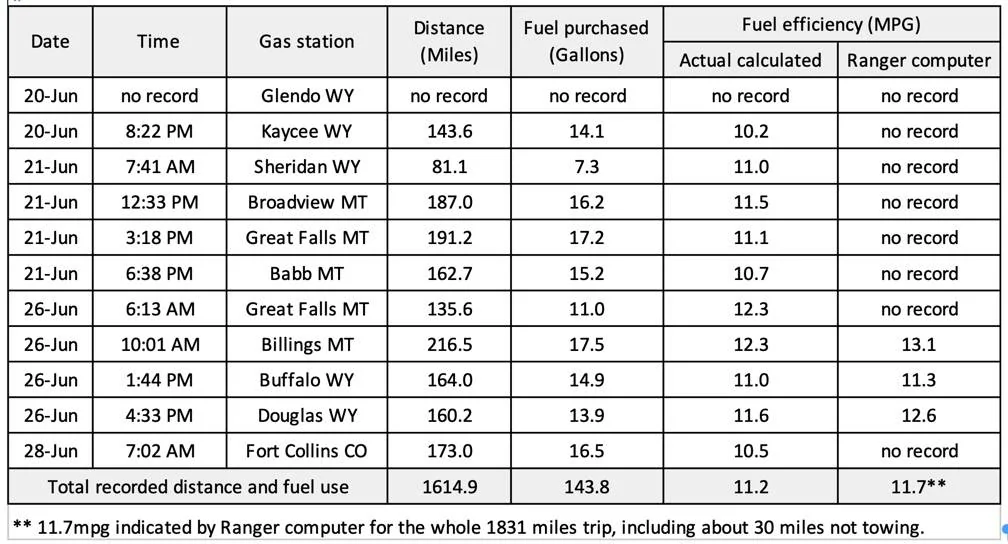
The Ranger computer-calculated fuel efficiency was 11.7mpg for the whole trip, typically about 0.6 MPG above the actual fuel efficiency calculated at the pump. I kept most, but not all, fuel pump receipts (see table), and in some cases I also reset the trip computer at refueling stops to compare the actual MPG to the MPG indicated by the Ranger’s computer for that segment. The actual MPGs varied from 10.2 to 12.3, depending on the segment speed and wind direction.
Engine and transmission temperatures stayed typically very close to each other at about 205-215F, and the highest I saw for both was 221F on a hilly section with a headwind. I feel the cooling system did its job quite well, especially considering it was hot out (80-90F). While not towing, both temps in my Ranger stay at about 200F most of the time and rarely get above 210F.
My travel style often takes me on trips of 450+ miles. For that type of long trip, I feel my trailer and the Ranger are very well matched. I am sure the Ranger can tow a larger and heavier travel trailer, but in my opinion, I feel both the truck and the driver would be under elevated stress for longs periods of time. For shorter trips (under 250 miles, and occasionally longer), that would be totally fine. However, for the kind of long travel I like to do, I would feel much more tired and truck would have to struggle. If my trailer was 24ft/6000lb or larger/heavier, I would probably switch to something like an F150, but for right now, the Ranger is just great. I am super happy with it.
So, that’s all. I hope this information is useful to people. There’s still a lot of 2021 summer left, so go out and enjoy it.


In total for this trip, I towed my 21ft long, 7.5ft wide, 10ft tall, 4500lb travel trailer for 1,800 miles, from Fort Collins CO to the east side of Glacier National Park in northern MT. Amazing trip. My Ranger did really great and made the long drive stress-free and enjoyable. My Ranger is a 2020 SuperCrew Lariat FX4, completely stock except for a pair of SumoSprings (blue; 1,000lb) replacing the stock bump stops. I was the only person in the truck, but I did bring a lot of toys (kayak, bike) and camping gear with me, in the truck bed and in the rack above. Fully loaded, full tank of fuel, and hitched up with a weight distribution hitch, the truck weighted 5620lb (so 430lb of payload still available before hitting the Ranger’s 6050lb GVWR). The combined weight for the rig was 9640lb, and the trailer’s tongue weight was carefully adjusted close to 460lb. The combination of the well-adjusted WD hitch and the SumoSprings made the rig almost perfectly level, very stable and towed confidently the whole way out and back.
The route was mostly through western interstates (i25, i90, i15) that have a speed limit of 80mph for cars and 70mph for trucks. I was in no hurry and enjoying myself, so I mostly set the cruise control to 65mph, put on a good audio book, and trucked along. This moderate speed was primarily for keeping fuel consumption under check, but also for avoiding getting caught by sudden and nasty Wyoming crosswind guts. I feel the Ranger could have comfortably towed this trailer at 70mph, but I saw no need for that. Above 65mph the fuel consumption gets noticeably worse. I have a ScanGaugeII to closely monitor engine parameters and transmission temps, and I can clearly see the significantly higher turbo boost pressures towing at higher speeds, so I just took it easy and kept it at 65mph.
The Ranger computer-calculated fuel efficiency was 11.7mpg for the whole trip, typically about 0.6 MPG above the actual fuel efficiency calculated at the pump. I kept most, but not all, fuel pump receipts (see table), and in some cases I also reset the trip computer at refueling stops to compare the actual MPG to the MPG indicated by the Ranger’s computer for that segment. The actual MPGs varied from 10.2 to 12.3, depending on the segment speed and wind direction.
Engine and transmission temperatures stayed typically very close to each other at about 205-215F, and the highest I saw for both was 221F on a hilly section with a headwind. I feel the cooling system did its job quite well, especially considering it was hot out (80-90F). While not towing, both temps in my Ranger stay at about 200F most of the time and rarely get above 210F.
My travel style often takes me on trips of 450+ miles. For that type of long trip, I feel my trailer and the Ranger are very well matched. I am sure the Ranger can tow a larger and heavier travel trailer, but in my opinion, I feel both the truck and the driver would be under elevated stress for longs periods of time. For shorter trips (under 250 miles, and occasionally longer), that would be totally fine. However, for the kind of long travel I like to do, I would feel much more tired and truck would have to struggle. If my trailer was 24ft/6000lb or larger/heavier, I would probably switch to something like an F150, but for right now, the Ranger is just great. I am super happy with it.
So, that’s all. I hope this information is useful to people. There’s still a lot of 2021 summer left, so go out and enjoy it.
Sponsored