AzScorpion
Moderator
- First Name
- Dave
- Joined
- Jul 25, 2019
- Threads
- 340
- Messages
- 26,770
- Reaction score
- 135,197
- Location
- Back Home In AZ!
- Vehicle(s)
- 2023 Ford Ranger Tremor
- Occupation
- Retired...Full Time Slacker
- Thread starter
- #1
I've been reading about this joint venture for a few weeks now and it looks like it's finalized. Not sure I like the idea of Ford getting into bed with China on this. Also in a separate article they're still not clear how the treasury dept is going to handle this.
https://fordauthority.com/2023/02/ford-blueoval-battery-park-michigan-officially-announced/

This new Ford BlueOval Battery Park Michigan is the very first LFP battery plant in the U.S. It'll open in 2026 and employ 2,500 workers at a cost of 3.5 billion. Looks like Ford has A LOT invested in EV's between this plant and the new Blue Oval City going up now in TN.Specifically, the Inflation Reduction Act includes language that seeks to prevent automakers from taking advantage of consumer EV tax credits if they make vehicles with batteries made by a “foreign entity of concern.” Congress designed the rules to incentivize automakers to build a domestic supply chain for EV parts instead of relying on China for critical components.
https://fordauthority.com/2023/02/ford-blueoval-battery-park-michigan-officially-announced/
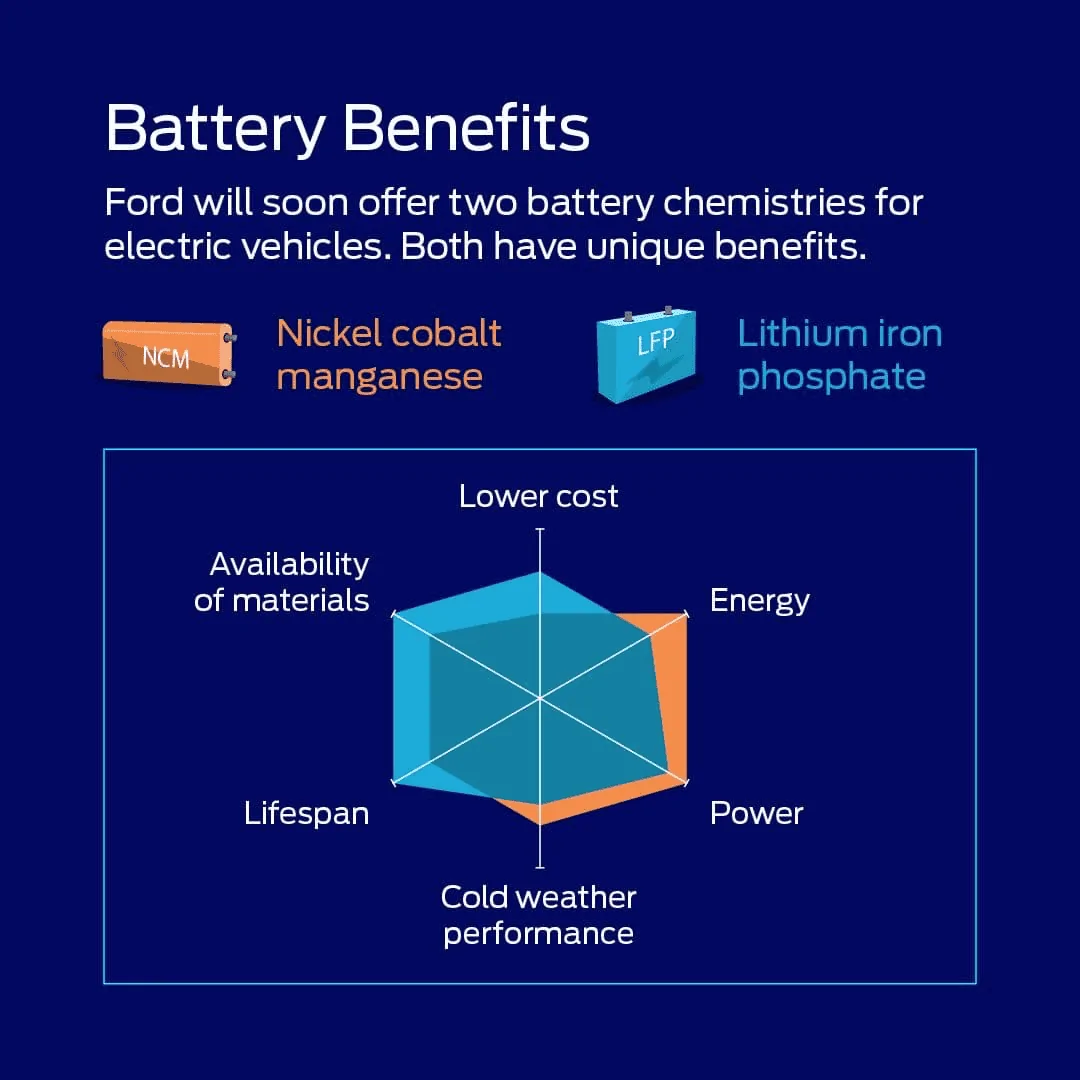
As Ford invests $50 billion in EVs over the coming years, the automaker is also working with a host of suppliers from around the globe and aims to replace lithium-ion batteries with lithium-iron phosphate units – all in an effort to overcome numerous supply chain issues and reduce costs
Now, those efforts have paid off, as the new Ford BlueOval Battery Park Michigan – as it’s officially called – will become the very first LFP battery plant in the U.S. Production is slated to begin in 2026, at which time the plant will employ upwards of 2,500 people, as expected, with room to grow in the future as well. As Ford points out, LFP batteries are less expensive to produce than lithium-ion units, and making them in the U.S. reduces shipping and import costs while also taking advantage of tax breaks brought forth by the Inflation Reduction Act of 2022, which should make future Ford EVs more affordable.
The new plant will add 35 gigawatt hours per year of new battery capacity for FoMoCo in the U.S. initially, which is enough to power approximately 400,000 future Ford EVs. As expected, Ford will manufacture the battery cells there using LFP battery cell knowledge
and services provided by CATL, while engineers will integrate these LFP battery cells into the automaker’s vehicles.
Sponsored