
Sponsored

Aging plastic engine pieces - got bit today 🤬

Titchadesh

Well-Known Member
First Name
Cody
Joined
Jan 5, 2022
Threads
3
Messages
70
Reaction score
357
Location
Utah
Vehicle(s)
2019 Ranger Lariat FX4
Occupation
Aerospace Master Scheduler
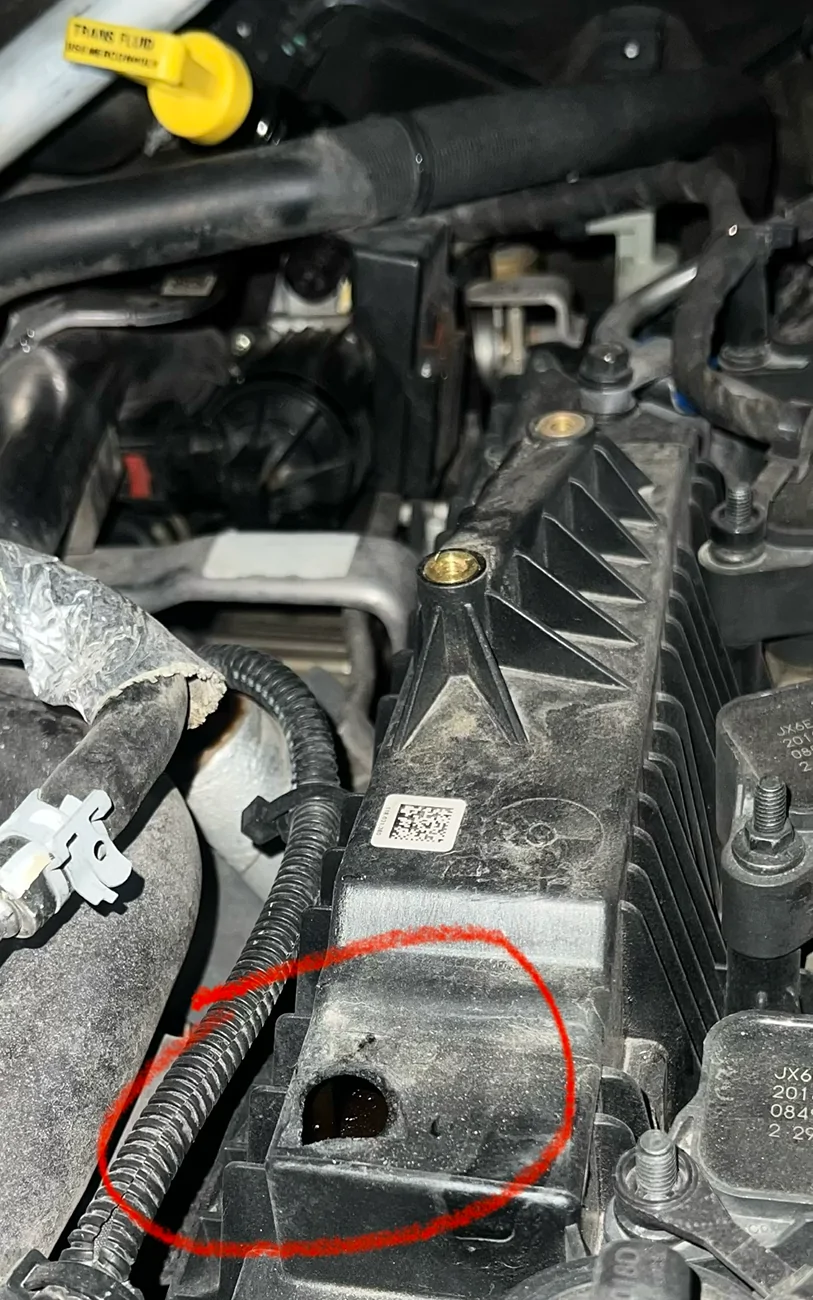
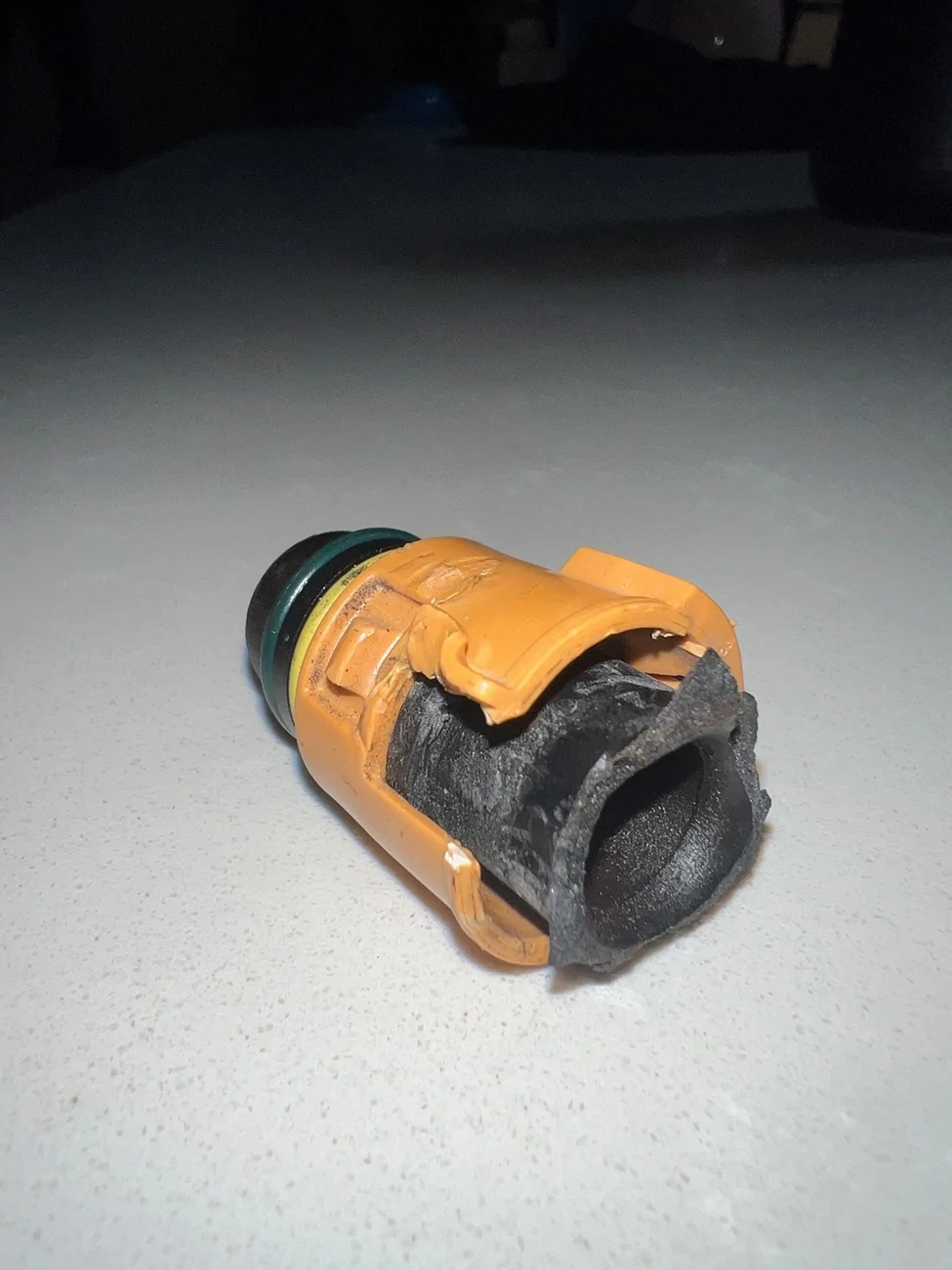
Had a spare hour to burn today so thought I'd install my Ford Performance Oil-Air Separator kit (M-6766-R23) that I've been sitting on for the past couple of months. It's a super easy install and normally takes a lay person ~15 minutes to install. I installed the bracket which was easy enough and went to disconnect the top end of the PCV tube. I followed instructions and pried under it lifting straight up and avoided any leverage and using barely any force at all, the spigot that feeds into the valve cover sheared right off. That connection point felt super brittle to me, and I suppose on a 2019 with ~89,000 miles and many heat cycles I shouldn't be too surprised that it was easy for this thin connection point to fail.

The breakable tamper-proof connectors were way stronger than the spigot connection point they attached to. So what was supposed to be an easy install is now turning into an engine valve cover replacement 🤬

I wish I could go back in time and arrange for my dealership to install this so that the spigot would have failed on them (and it would have!) and then they would be more likely on the hook for the replacement. But those who have installed this particular kit before know--it is such an easy process that anyone could do it themselves.

Just a word of warning when working in and around these engineered plastic pieces that are aging inside your engine bay...they can be brittle! And maybe not worth the risk of a DIY no matter how simple it could be.

tempImagePudUJp.webp


IMG_8807.webp
Sponsored


airline tech

Well-Known Member
Joined
Aug 24, 2022
Threads
28
Messages
4,464
Reaction score
8,542
Location
Midwest - KS
Vehicle(s)
2022 Ranger Lariat-Super Crew, Cactus Gray
Occupation
Aircraft Tech
You have the (Orange) Clip and that is the style that must be cut off, and the tube assembly must be replaced - it is considered a non-serviceable part
If it was the grey connector, it would have been a (squeeze) to remove option.

The crankcase vent tube may have either a permanent or quick connect connector at one or both ends. If the tube needs to be removed for any reason, the permanent connector(s) must be cut to remove the tube. The tube will then need to be replaced.

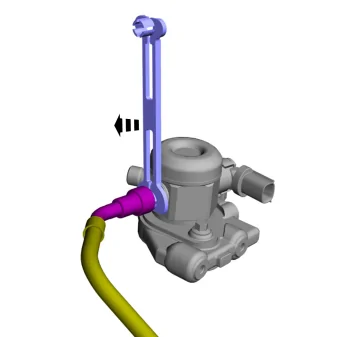
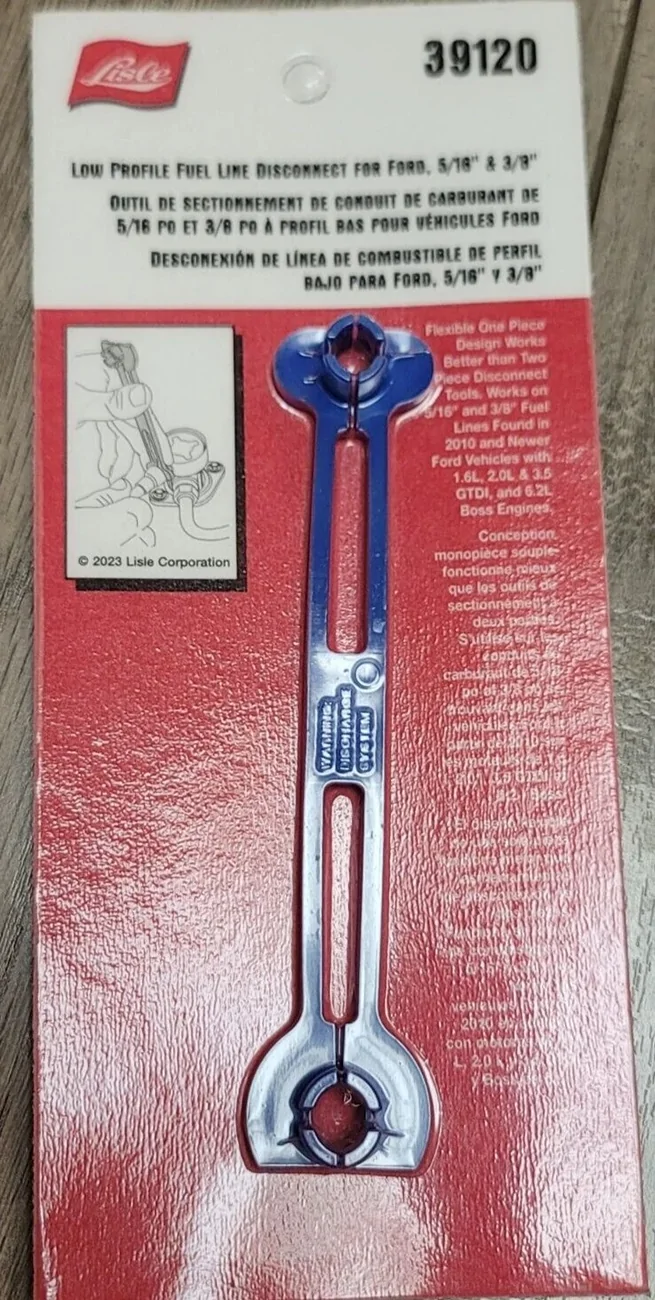
The only (Roadblock) you may encounter is the HP Fuel Line (Disconnect) requires a low-profile design tool to fit between the pump and the QD fitting, like these

The only other tools depend on if the seals are being replaced (VCT Solenoids)


HP Fuel Pump Line Disconnect.webp


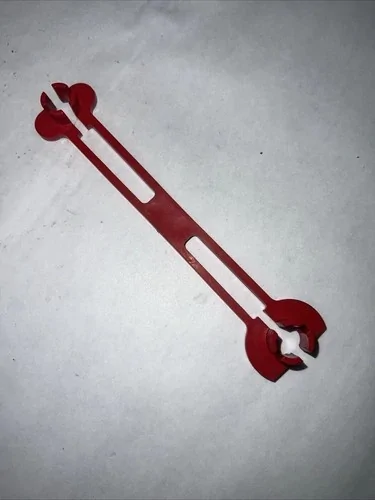
Ford (OTC-310-250) This is what the service manual calls out for tooling

Fuel Line Disconnect (Rotunda OTC-310-250)).webp


or

Fuel Line Disconnect (Lisle 39120)).webp
 
OP
OP
Titchadesh

Titchadesh

Well-Known Member
First Name
Cody
Joined
Jan 5, 2022
Threads
3
Messages
70
Reaction score
357
Location
Utah
Vehicle(s)
2019 Ranger Lariat FX4
Occupation
Aerospace Master Scheduler
You have the (Orange) Clip and that is the style that must be cut off, and the tube assembly must be replaced - it is considered a non-serviceable part
If it was the grey connector, it would have been a (squeeze) to remove option.

The crankcase vent tube may have either a permanent or quick connect connector at one or both ends. If the tube needs to be removed for any reason, the permanent connector(s) must be cut to remove the tube. The tube will then need to be replaced.

The only (Roadblock) you may encounter is the HP Fuel Line (Disconnect) requires a low-profile design tool to fit between the pump and the QD fitting, like these

The only other tools depend on if the seals are being replaced (VCT Solenoids)


HP Fuel Pump Line Disconnect.webp


Ford (OTC-310-250) This is what the service manual calls out for tooling

Fuel Line Disconnect (Rotunda OTC-310-250)).webp


or

Fuel Line Disconnect (Lisle 39120)).webp
For sure, the tube assembly was being replaced with the oil-air separator kit that includes two new tubes that hook onto the existing spigots. I followed the instructions here https://performanceparts.ford.com/download/instructionsheets/IS_M-6766-R23_051923.PDF for removing the orange connector at the top and putting even the slightest pressure on the connector caused the spigot to sheer off. Whether I had followed these instructions or used a special tool, the result would have been the same--the spigot would have still failed because of how brittle and weak it had become over time, which is what I'm griping about haha

Incidentally the connector at the bottom for the induction tube is neither orange nor gray, but blue. But it operates as if it were gray.
 

DukeCanBuildit

Well-Known Member
First Name
Duke
Joined
Jul 27, 2020
Threads
66
Messages
9,666
Reaction score
46,214
Location
Kitchener, Ontario
Vehicle(s)
2019 XLT SuperCab - FTW!
Occupation
Retired (P/T) Caregiver (F/T)
Vehicle Showcase
1
For sure, the tube assembly was being replaced with the oil-air separator kit that includes two new tubes that hook onto the existing spigots. I followed the instructions here https://performanceparts.ford.com/download/instructionsheets/IS_M-6766-R23_051923.PDF for removing the orange connector at the top and putting even the slightest pressure on the connector caused the spigot to sheer off. Whether I had followed these instructions or used a special tool, the result would have been the same--the spigot would have still failed because of how brittle and weak it had become over time, which is what I'm griping about haha

Incidentally the connector at the bottom for the induction tube is neither orange nor gray, but blue. But it operates as if it were gray.
I read those Ford instructions from their parts site about using two screwdrivers to pry it off and deliberately snap the connector. Sucks that it back-fired on you when you were just following directions.

Word to the wise…..handle that connector with side cutters or anything else that you can.
 

21rangerCactus

Well-Known Member
Joined
Nov 3, 2021
Threads
28
Messages
363
Reaction score
869
Location
Louisiana
Vehicle(s)
2021 Ranger XLT
Occupation
Self employed
I feel your pain man.. I've had my fair share of mistakes and regrets when working on my cars.

It's not brittle. It's plastic and will not take much pressure to crack it. I've worked on many cars with that sort of plastic and you have to be very careful when dealing with it. I do not ever put any force on it.

IMO, The instructions shouldn't say to pull up on it to break it off. That connection is on there way to secure/tight to be pulling up on it. I know this because I had to take the other side of that hose off to install my turbo inlet. I at first was going to try and force it off. I immediately felt that it was to much force and it would break the inlet. Fortunately, I read, that on that side you can use a 5/8 fuel disconnect tool and it pops right off.

I personally wouldn't buy a new cover. Clean that area and the broken off piece, apply jb weld for plastic and it will hold. That is not a high pressure hose.

You can sand the jb weld down to make it look smooth if you want.


Grandaccess

Well-Known Member
First Name
Robert
Joined
Jul 8, 2023
Threads
5
Messages
1,097
Reaction score
2,465
Location
Binghamton, N.Y
Vehicle(s)
2021 Ford Ranger XLT FX4
Occupation
Computer Consultant
Had a spare hour to burn today so thought I'd install my Ford Performance Oil-Air Separator kit (M-6766-R23) that I've been sitting on for the past couple of months. It's a super easy install and normally takes a lay person ~15 minutes to install. I installed the bracket which was easy enough and went to disconnect the top end of the PCV tube. I followed instructions and pried under it lifting straight up and avoided any leverage and using barely any force at all, the spigot that feeds into the valve cover sheared right off. That connection point felt super brittle to me, and I suppose on a 2019 with ~89,000 miles and many heat cycles I shouldn't be too surprised that it was easy for this thin connection point to fail.

The breakable tamper-proof connectors were way stronger than the spigot connection point they attached to. So what was supposed to be an easy install is now turning into an engine valve cover replacement 🤬

I wish I could go back in time and arrange for my dealership to install this so that the spigot would have failed on them (and it would have!) and then they would be more likely on the hook for the replacement. But those who have installed this particular kit before know--it is such an easy process that anyone could do it themselves.

Just a word of warning when working in and around these engineered plastic pieces that are aging inside your engine bay...they can be brittle! And maybe not worth the risk of a DIY no matter how simple it could be.
tempImagePudUJp.webp


IMG_8807.webp
I keep JBWeld in every room for such a time as this!
 
OP
OP
Titchadesh

Titchadesh

Well-Known Member
First Name
Cody
Joined
Jan 5, 2022
Threads
3
Messages
70
Reaction score
357
Location
Utah
Vehicle(s)
2019 Ranger Lariat FX4
Occupation
Aerospace Master Scheduler
I feel your pain man.. I've had my fair share of mistakes and regrets when working on my cars.

It's not brittle. It's plastic and will not take much pressure to crack it. I've worked on many cars with that sort of plastic and you have to be very careful when dealing with it. I do not ever put any force on it.

IMO, The instructions shouldn't say to pull up on it to break it off. That connection is on there way to secure/tight to be pulling up on it. I know this because I had to take the other side of that hose off to install my turbo inlet. I at first was going to try and force it off. I immediately felt that it was to much force and it would break the inlet. Fortunately, I read, that on that side you can use a 5/8 fuel disconnect tool and it pops right off.

I personally wouldn't buy a new cover. Clean that area and the broken off piece, apply jb weld for plastic and it will hold. That is not a high pressure hose.

You can sand the jb weld down to make it look smooth if you want.
I appreciate the words! I applied some high temp, 6-hour cure JB Weld last night in the hopes I could secure it enough to get me 5 miles to the dealership. Checked on it this morning and it is rock solid. I'm lucky that it was a clean enough break that there were no loose pieces and the spigot fit right back into its spot.

I'm thinking that spigot/connector had to have taken a hard hit in the past because it had the tensile strength of a fortune cookie

I'm on the fence about replacing it or not! Curious to see how this works out.
 

PapaBill

Well-Known Member
First Name
Bill
Joined
Jun 10, 2021
Threads
6
Messages
76
Reaction score
89
Location
Savannah, GA
Vehicle(s)
2019 Ford Ranger Crew 4x4
Occupation
USMC Retired; Mech.Engineer
Had a spare hour to burn today so thought I'd install my Ford Performance Oil-Air Separator kit (M-6766-R23) that I've been sitting on for the past couple of months. It's a super easy install and normally takes a lay person ~15 minutes to install. I installed the bracket which was easy enough and went to disconnect the top end of the PCV tube. I followed instructions and pried under it lifting straight up and avoided any leverage and using barely any force at all, the spigot that feeds into the valve cover sheared right off. That connection point felt super brittle to me, and I suppose on a 2019 with ~89,000 miles and many heat cycles I shouldn't be too surprised that it was easy for this thin connection point to fail.

The breakable tamper-proof connectors were way stronger than the spigot connection point they attached to. So what was supposed to be an easy install is now turning into an engine valve cover replacement 🤬

I wish I could go back in time and arrange for my dealership to install this so that the spigot would have failed on them (and it would have!) and then they would be more likely on the hook for the replacement. But those who have installed this particular kit before know--it is such an easy process that anyone could do it themselves.

Just a word of warning when working in and around these engineered plastic pieces that are aging inside your engine bay...they can be brittle! And maybe not worth the risk of a DIY no matter how simple it could be.

tempImagePudUJp.webp


IMG_8807.webp
Looking at that hole, Maybe a brass bulkhead fitting could have been used vs. a whole new valve cover. Whatcha Thunk?
Semper Fi,
Bill


Top