
dtech
Well-Known Member
- Thread starter
- #1
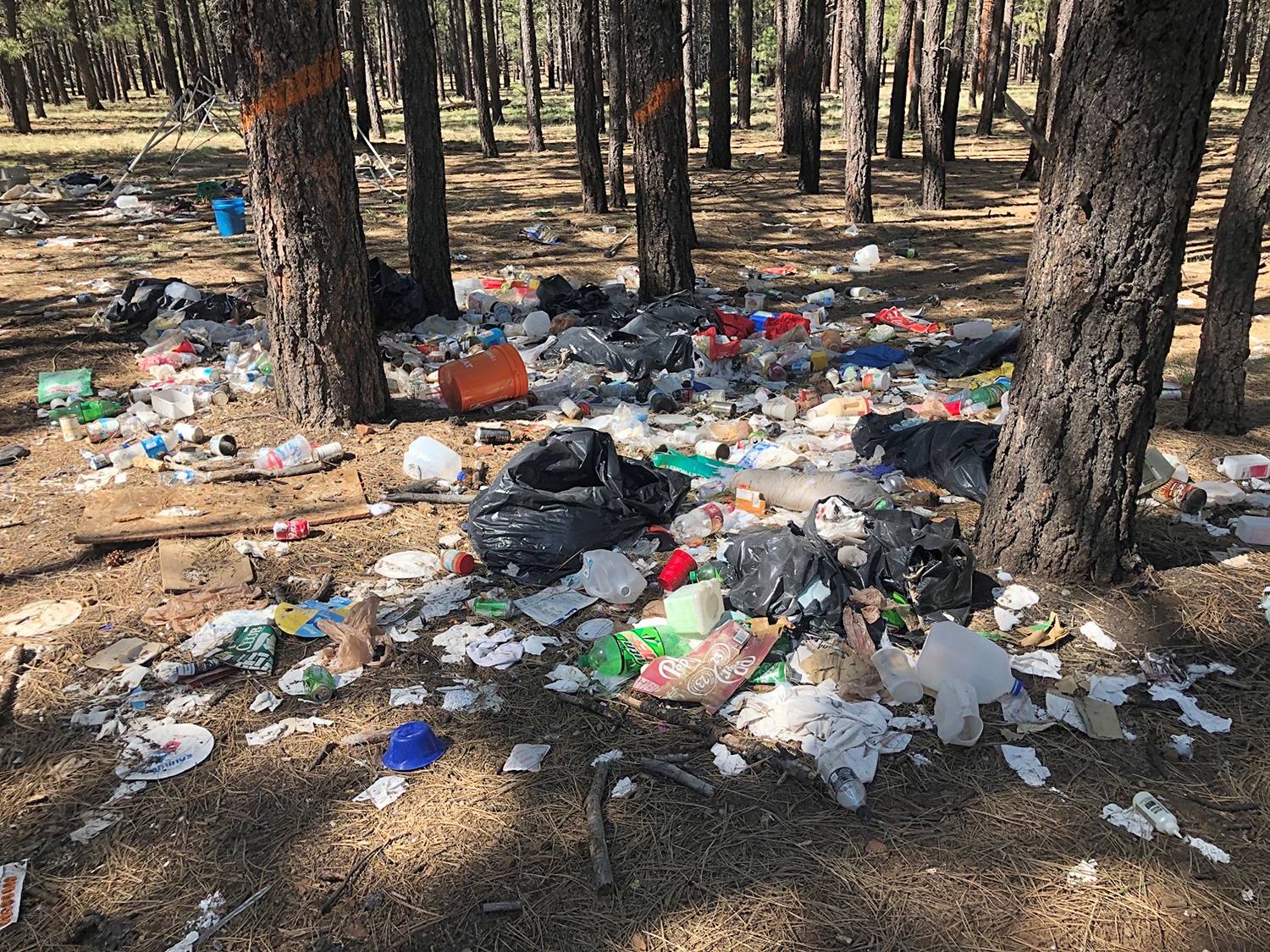
Excerpts below taken from an article in Saturday's Denver Post about the increasing no of issues caused by off road vehicles in CO. I decided to make the post because I just spent 5 days on a camping trip and one day hiked to an alpine lake to fish which is accessible only by very rugged off road vehicles - the amount of trash seen along the route was disturbing - water bottles, beer cans, broken glass, and much more trash along the shore of the lake. So wife and I are enjoying some quiet time fishing the lake - the only ones there - when in the distance we hear music playing and it gets increasing louder until we see one of those 4 passenger Razors appear, the occupants blasting music and drinking beer . And some of these off roaders are pushing for more access into wilderness areas where all forms of wheeled vehicles are banned. Having spent a good deal of time in CO backcountry over the past 40 yrs it's sad to see the increasing misuse/abuse of the backcountry but predictable given all of the off road vehicles widely available today. There's really not a whole lot to be done to stop this save for increased closure of off road vehicle access but the miscreants know there is little chance of being caught should they disregard the rules, a closed to vehicular traffic sign at a road doesn't do much to prevent transgressions I've seen increasingly formidable barricades erected by the forest service. Really just another sign of the times we live in today where too many people care about themselves and feel entitled to freely disregard rules designed to protect the backcountry. And I'm seeing a huge number of these Razors and like vehicles everywhere. End of my social commentary, pls be considerate of others using the backcountry and haul out your trash.
" That day, Voorhis’ team was tending to two incidents in which drivers found themselves in precarious situations. The first made national news after a driver accidentally climbed a hiking trail toward Mount Lincoln, one of Colorado’s famous 14ers, in Park County. The white GMC Canyon truck got stuck in the alpine scree on its way to the 14,295-foot summit. The second happened on Mosquito Pass where the driver of a red truck went off trail and rolled the vehicle down a mountain slope near hikers, who captured the incident on video. Both situations underscore a troubling trend in Colorado where the number of drivers who break the rules of the backcountry — deliberately or not — is on the rise. “Illegal motorized use is probably our No. 1 recreational problem right now,” Voorhis said. “It’s only gotten worse over the last 10 years.”"
" The cost of retrieving the truck near the top of Mount Lincoln set the driver back $3,500, Stubblefield said, on top of the fine. Still, remediating the damage and educating drivers on the rules of the mountain roads falls to Voorhis’ team, which manages about half a million acres of backcountry. “A lot of our recreational budget now goes to working to prevent illegal motorized (use). So that means there’s less money for trails, less money for campgrounds, and less money for other things,” he said. "
" That day, Voorhis’ team was tending to two incidents in which drivers found themselves in precarious situations. The first made national news after a driver accidentally climbed a hiking trail toward Mount Lincoln, one of Colorado’s famous 14ers, in Park County. The white GMC Canyon truck got stuck in the alpine scree on its way to the 14,295-foot summit. The second happened on Mosquito Pass where the driver of a red truck went off trail and rolled the vehicle down a mountain slope near hikers, who captured the incident on video. Both situations underscore a troubling trend in Colorado where the number of drivers who break the rules of the backcountry — deliberately or not — is on the rise. “Illegal motorized use is probably our No. 1 recreational problem right now,” Voorhis said. “It’s only gotten worse over the last 10 years.”"
" The cost of retrieving the truck near the top of Mount Lincoln set the driver back $3,500, Stubblefield said, on top of the fine. Still, remediating the damage and educating drivers on the rules of the mountain roads falls to Voorhis’ team, which manages about half a million acres of backcountry. “A lot of our recreational budget now goes to working to prevent illegal motorized (use). So that means there’s less money for trails, less money for campgrounds, and less money for other things,” he said. "
Sponsored