Sponsored

Hack for UPR Catch Can Install on 2019 Ranger.

harringtondav

Well-Known Member
First Name
Dave
Joined
Jan 6, 2020
Threads
25
Messages
448
Reaction score
797
Location
East Central Iowa
Vehicle(s)
2019 Ford Ranger SuperCab, 2016 Jeep Cherokee, 2014 Dodge Dart Aero DDCT
I just installed a UPR Catch Can, but not to the method in their instructions for the 2019 Ranger. This requires removing the driver's wheel and the oil change flap and fishing around in the blind to find two quick disconnects on the PCV hose. There wasn't room for my hand. I bailed after two hrs. I had another two hrs in front of me getting the UPR hoses connected, and I considered that very iffy.
I was ready to pack it up and return it, but I looked at their truly simple install on the new model Rangers, and the install on the Ford Performance can. The can just needs to be plumbed into the vapor flow from the PCV to the intake manifold intake.
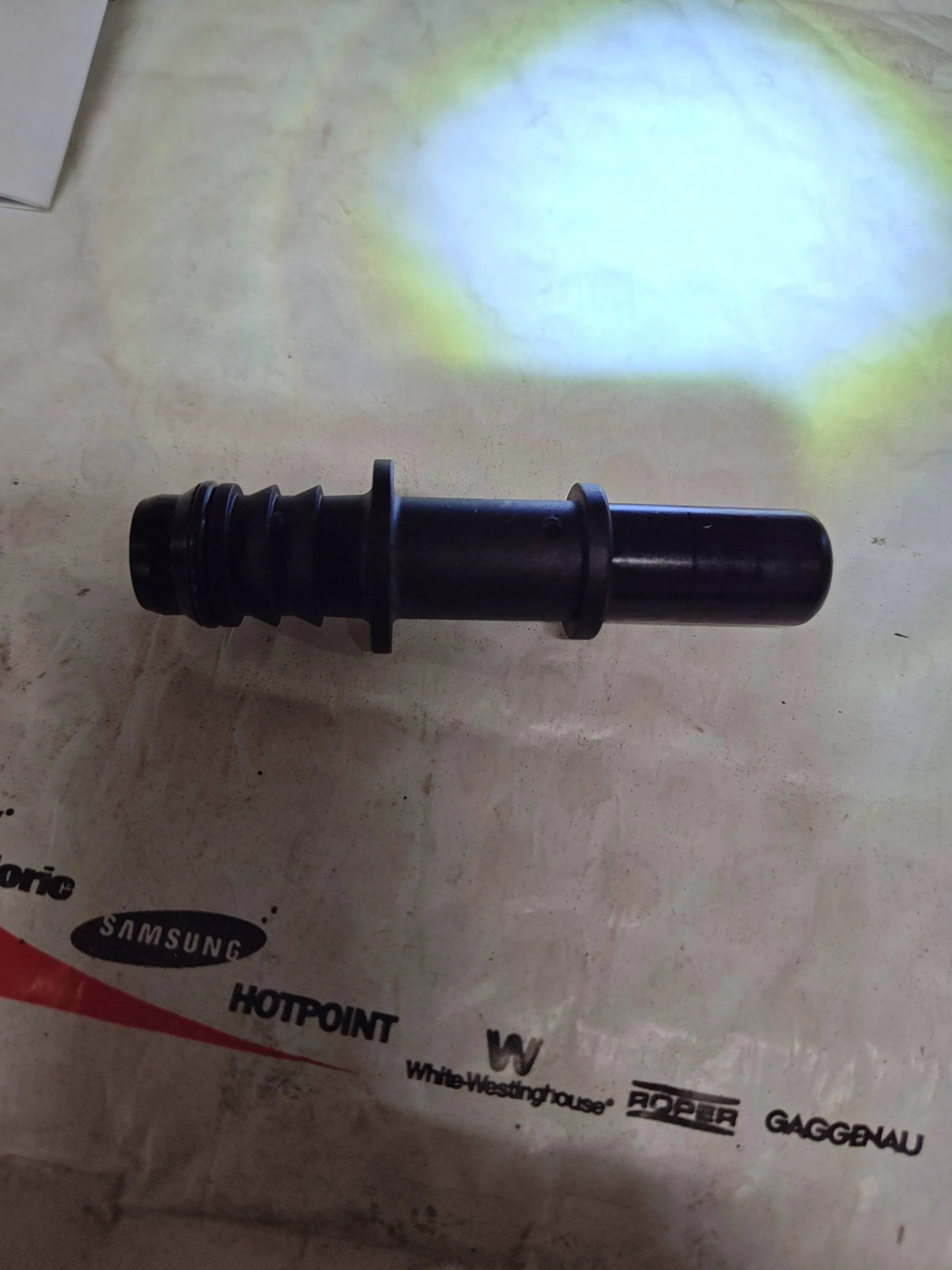
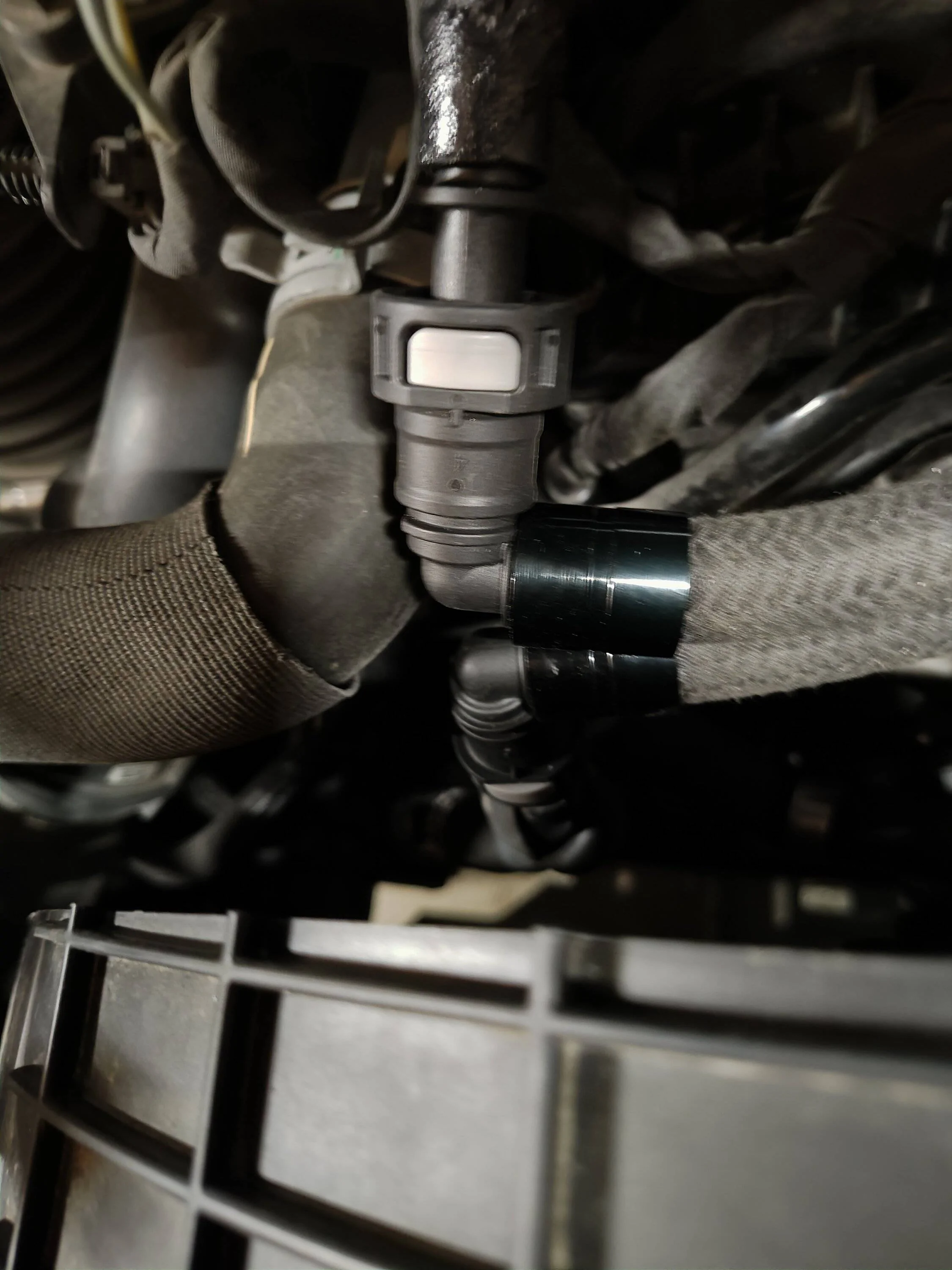
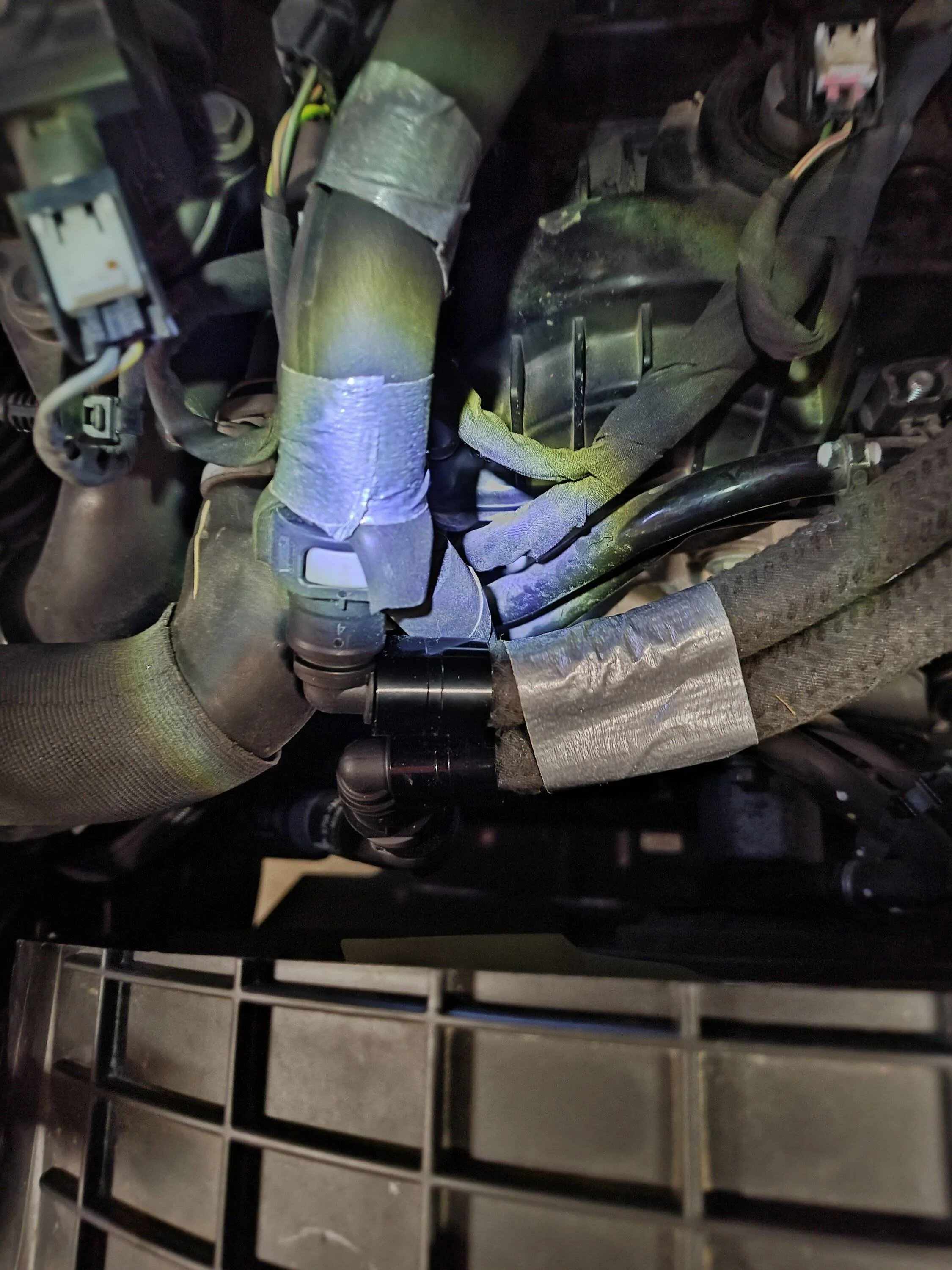
I cut the existing PCV hose and spliced in the UPR hoses using two hose adapters to connect to the UPR quick connects. Two hours tops.
https://www.anhosefittings.com/1-2-hose-barb-to-1-2-12-61-mm-sae-j2044-male-quick-connect.html
1000000458.webp
1000000460.webp
1000000461.webp
Sponsored


Dereku

Well-Known Member
First Name
Derek
Joined
May 18, 2022
Threads
30
Messages
2,805
Reaction score
6,879
Location
Chicagoland Area
Vehicle(s)
2021 Ford Ranger
Occupation
Project Manager
You wonder why it wasn’t designed like that from the start. Easier and cheaper.
 
OP
OP

harringtondav

Well-Known Member
First Name
Dave
Joined
Jan 6, 2020
Threads
25
Messages
448
Reaction score
797
Location
East Central Iowa
Vehicle(s)
2019 Ford Ranger SuperCab, 2016 Jeep Cherokee, 2014 Dodge Dart Aero DDCT
You wonder why it wasn’t designed like that from the start. Easier and cheaper.
UPR advertises their cans as "plug and play", using their quick connect fittings to button up to the factory hose quick connectors.
In theory this would work on my 2019, except I don't know how anyone could access the factory fittings w/o an engine pull. Their instructions had a blurry photo of the general hose mess, with notes that the job had to be done "by feel". I wasn't going to risk disconnecting something I couldn't reconnect.
'22 and on Rangers have the PCV and intake vacuum connectors on top of the engine. ...true plug and play.
I had to cut out a 5.25" section of hard plastic hose and use a heat gun to heat shrink the adapters in place. ...not plug and play, but it worked.
 

Stevedbvik1

Well-Known Member
First Name
Steve
Joined
Oct 4, 2021
Threads
38
Messages
2,708
Reaction score
8,036
Location
Michigan
Vehicle(s)
2022 Ranger Tremor XLT
Occupation
Retired
UPR advertises their cans as "plug and play", using their quick connect fittings to button up to the factory hose quick connectors.
In theory this would work on my 2019, except I don't know how anyone could access the factory fittings w/o an engine pull. Their instructions had a blurry photo of the general hose mess, with notes that the job had to be done "by feel". I wasn't going to risk disconnecting something I couldn't reconnect.
'22 and on Rangers have the PCV and intake vacuum connectors on top of the engine. ...true plug and play.
I had to cut out a 5.25" section of hard plastic hose and use a heat gun to heat shrink the adapters in place. ...not plug and play, but it worked.
That will only catch what comes out of the valve cover that goes in upstream of the turbo. Basically you’ve created your own version of the Ford Performance catch can. I have both the Ford Performance catch can and one that catches what comes out of the engine below that goes into the intake. I collect more from the engine below one than I do in the Ford Performance one. Mine is a 2022 so it’s an easy install with the inlet up top on the drivers side. But essentially you’re now probably catching less than half of whats getting into your intake system based on my experience. Not faulting you but just sharing my experience.
 
  • Like
Reactions: TJC
OP
OP

harringtondav

Well-Known Member
First Name
Dave
Joined
Jan 6, 2020
Threads
25
Messages
448
Reaction score
797
Location
East Central Iowa
Vehicle(s)
2019 Ford Ranger SuperCab, 2016 Jeep Cherokee, 2014 Dodge Dart Aero DDCT
That will only catch what comes out of the valve cover that goes in upstream of the turbo. Basically you’ve created your own version of the Ford Performance catch can. I have both the Ford Performance catch can and one that catches what comes out of the engine below that goes into the intake. I collect more from the engine below one than I do in the Ford Performance one. Mine is a 2022 so it’s an easy install with the inlet up top on the drivers side. But essentially you’re now probably catching less than half of whats getting into your intake system based on my experience. Not faulting you but just sharing my experience.
Not sure I'm tracking with you. The UPR and Ford Performance cans separate crankcase and blow by vapor in the PCV to intake vacuum stream. If you aren't drawing vapor from the PCV, what is the location of the port you are using? I'm thinking the oil return passages from under the valve cover also serve as the crankcase vents.
Either way I'm collecting 100% more crud than without the can.


HeatXfer

Well-Known Member
First Name
Chris
Joined
Jan 15, 2024
Threads
6
Messages
279
Reaction score
689
Location
Nor Cal
Vehicle(s)
2019 Ford Ranger XLT SuperCrew
Occupation
Retired Pipefitter & commercial HVACR Tech
I installed the Mishimoto catch can and, as anyone on this forum who's done it will tell you, that lower connection is a b*tch. But if you plan to upgrade, improve or otherwise mechanically change anything on the engine or drive line, don't take any short-cuts.
 
OP
OP

harringtondav

Well-Known Member
First Name
Dave
Joined
Jan 6, 2020
Threads
25
Messages
448
Reaction score
797
Location
East Central Iowa
Vehicle(s)
2019 Ford Ranger SuperCab, 2016 Jeep Cherokee, 2014 Dodge Dart Aero DDCT
I installed the Mishimoto catch can and, as anyone on this forum who's done it will tell you, that lower connection is a b*tch. But if you plan to upgrade, improve or otherwise mechanically change anything on the engine or drive line, don't take any short-cuts.
I just went to their site looking for installation instructions. I'm still curious what a "below" connection is. On our 2019's the PCV vapor line is routed down behind the left of the engine and passes through a oil collector in the side of the block and back up to a manifold inlet. And yes, making that connection with the UPR hoses caused me to raise the white flag.
I suspect the oil collector is like a catch can where liquid is returned to the sump. I can see where the vacuum stream could draw additional vapor from the crank case/sump.
...Wondering if the Mishimoto connections are different on the '22+ Rangers where the connections are top side.
 

Stevedbvik1

Well-Known Member
First Name
Steve
Joined
Oct 4, 2021
Threads
38
Messages
2,708
Reaction score
8,036
Location
Michigan
Vehicle(s)
2022 Ranger Tremor XLT
Occupation
Retired
Not sure I'm tracking with you. The UPR and Ford Performance cans separate crankcase and blow by vapor in the PCV to intake vacuum stream. If you aren't drawing vapor from the PCV, what is the location of the port you are using? I'm thinking the oil return passages from under the valve cover also serve as the crankcase vents.
Either way I'm collecting 100% more crud than without the can.
The line that you struggled with is the line that goes from the lower oil separator to the intake manifold. On the 2019-2021ish it’s a pain to get to. But it’s the line that catch cans are designed to be placed in. On the 22’s and later the line runs up to the top/side of the intake manifold and is easily accessible. You are catching whats coming out of the valve cover but not whats coming out of the oil separator located near the oil filter. Like I stated I catch way more in the “lower “ can line than I do in the valve cover line.
Sponsored


Top