AzScorpion
Moderator
- First Name
- Dave
- Joined
- Jul 25, 2019
- Threads
- 335
- Messages
- 26,244
- Reaction score
- 132,152
- Location
- Back Home In AZ!
- Vehicle(s)
- 2023 Ford Ranger Tremor
- Occupation
- Retired...Full Time Slacker
- Thread starter
- #1
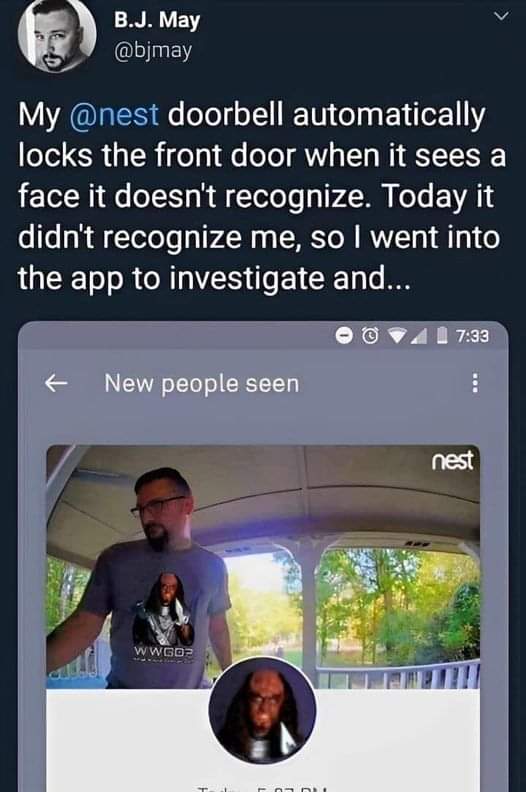
Personally I hate this idea. While I don't care for the huge boat anchor  FOB with the keyless entry, I'd rather it to this. My phones facial recognition doesn't work all that great and I have to use the passcode quite often to gain access. There's so many things in the real world that could happen and make this fail.
I know they say it can be updated but I see this as another solution looking for a problem. Then add the cost for this added technology which I'm sure won't be cheap to the already overpriced vehicles. Why not make them all keyless and design a smaller FOB? Unless there's an override (use of phone, or key) I don't like this at all.
What say you?
https://fordauthority.com/2023/07/ford-exploring-using-biometrics-as-replacement-for-keys/
FOB with the keyless entry, I'd rather it to this. My phones facial recognition doesn't work all that great and I have to use the passcode quite often to gain access. There's so many things in the real world that could happen and make this fail.I know they say it can be updated but I see this as another solution looking for a problem. Then add the cost for this added technology which I'm sure won't be cheap to the already overpriced vehicles. Why not make them all keyless and design a smaller FOB? Unless there's an override (use of phone, or key) I don't like this at all.
What say you?
https://fordauthority.com/2023/07/ford-exploring-using-biometrics-as-replacement-for-keys/
The idea here is that users could gain access to a vehicle and even start it up and drive it without having any sort of physical key or even phone on their person.
The user would simply approach the vehicle, at which point it would recognize them and grant access. Once the user is inside, the system would use cameras and sensors to perform facial recognition and allow them to operate the vehicle. However, the stickler here is the biometric system – it would use a print as a “trigger,” but would also allow for some variance, which is notable because biometric data – such as aging, weight loss of gain, and hair growth or loss – can reduce the accuracy of traditional biometric authorization.
Thus, the system outlined here would be able to continuously update itself on a regular basis and even use fingerprint data collected from the steering wheel and capacitive sensors in the driver’s seat as a backup, without input from the user. This would reportedly reduce the likelihood of failing the biometric authorization, which would obviously prove troublesome, while also preventing unauthorized users from gaining access as well.
Sponsored