importfighter01
Well-Known Member
- Joined
- Sep 5, 2020
- Threads
- 19
- Messages
- 386
- Reaction score
- 725
- Location
- Metro Atlanta
- Vehicle(s)
- 2020 Ford Ranger XL SuperCab
- Thread starter
- #1
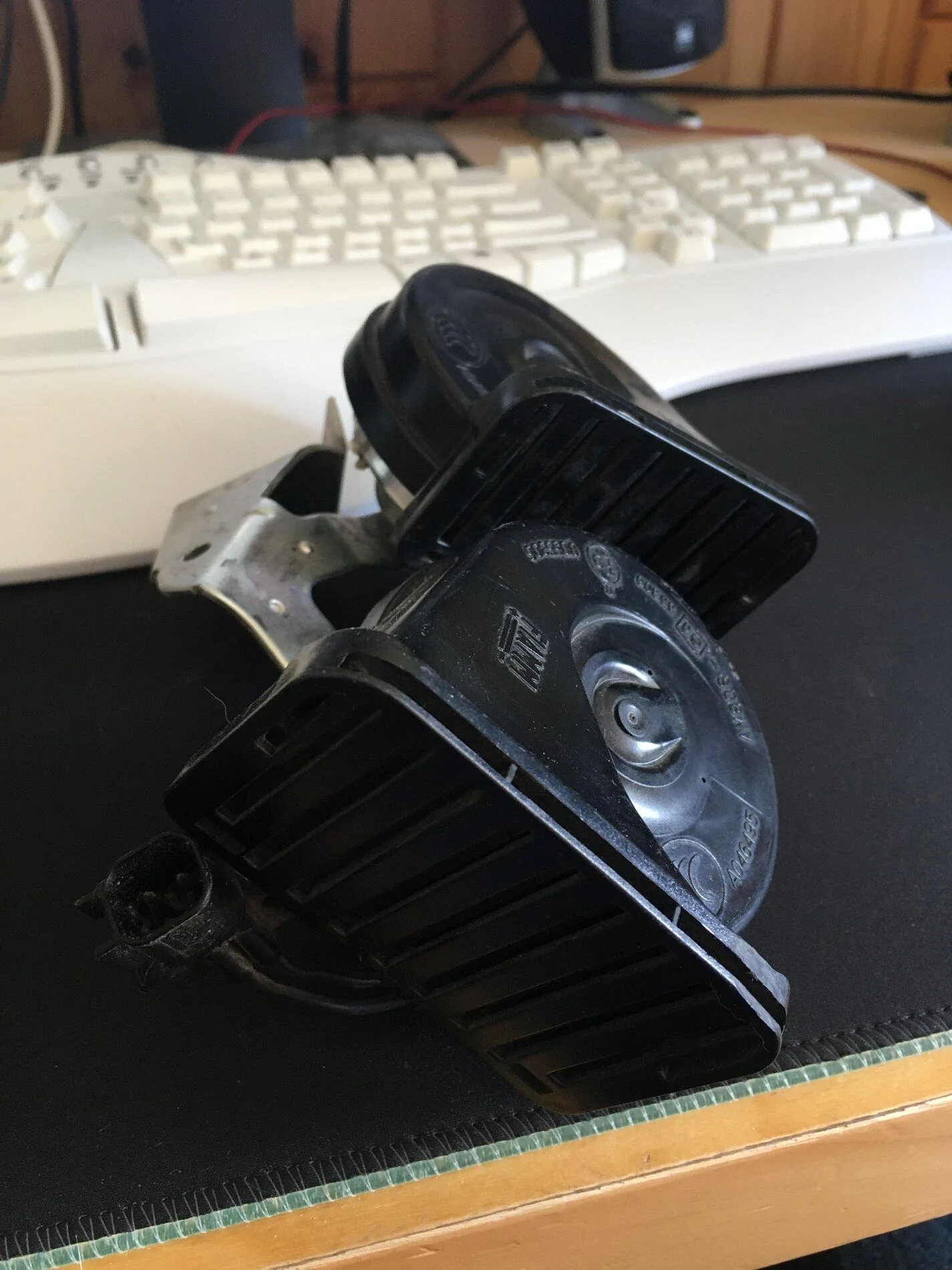
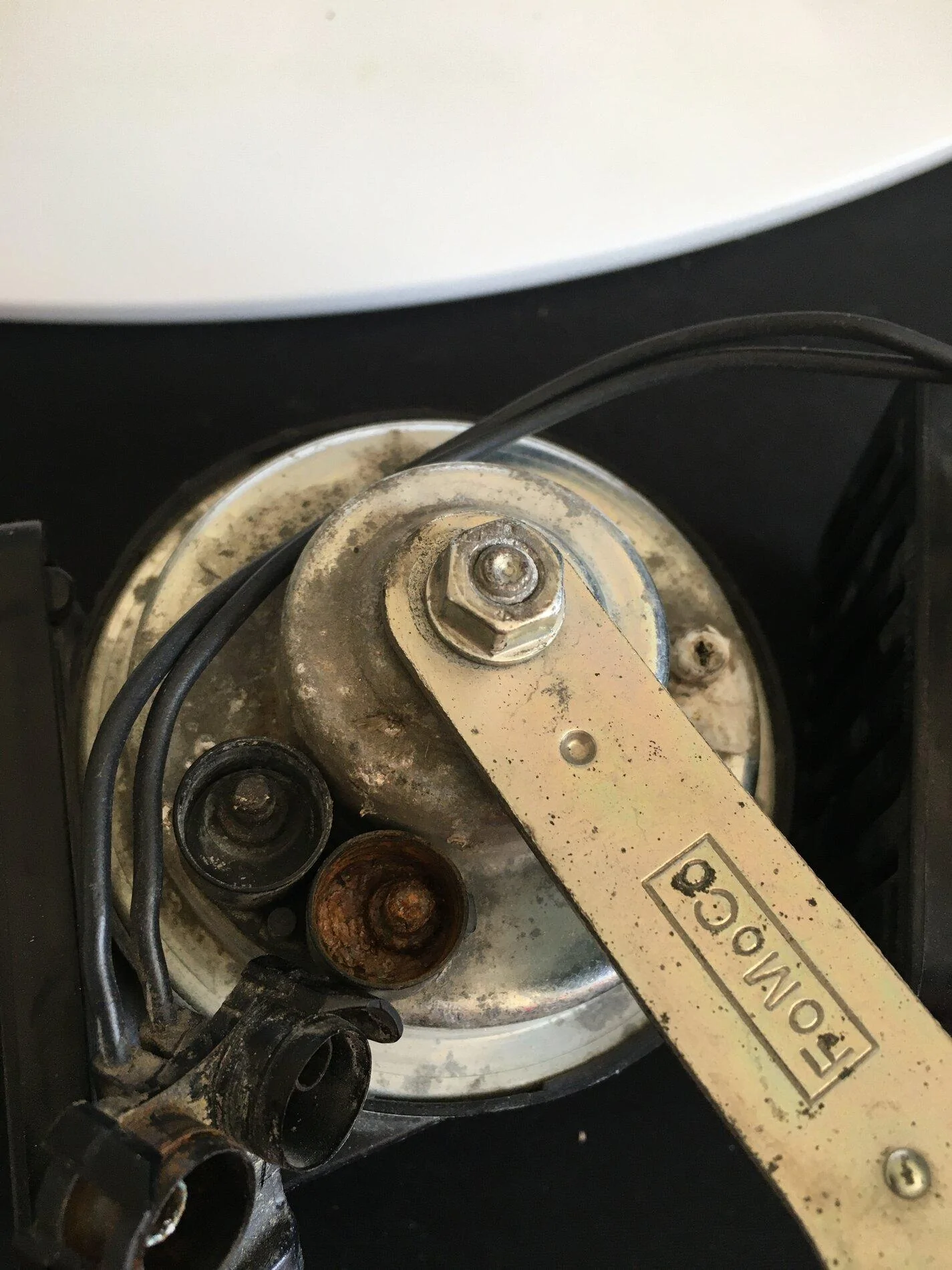
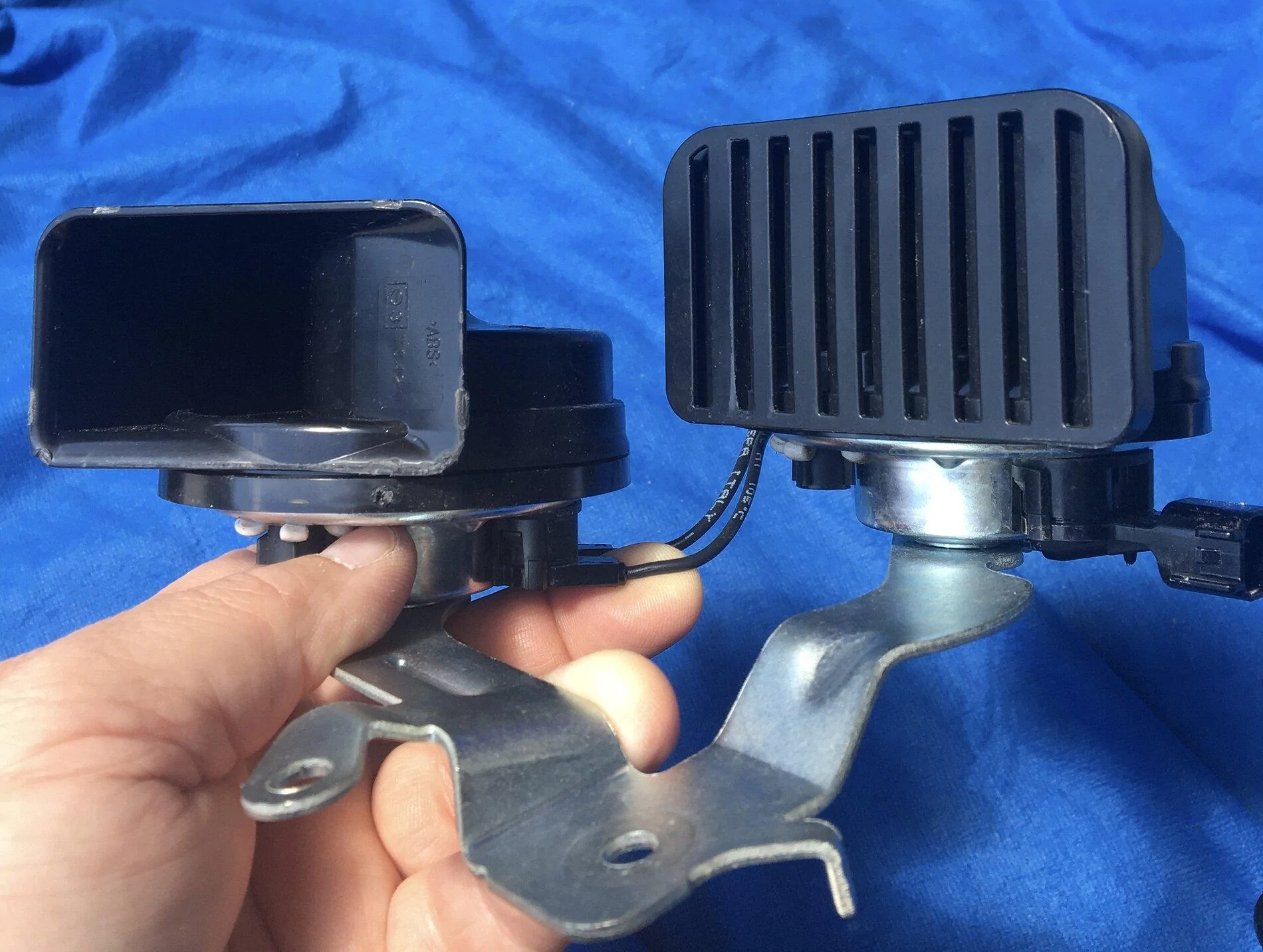
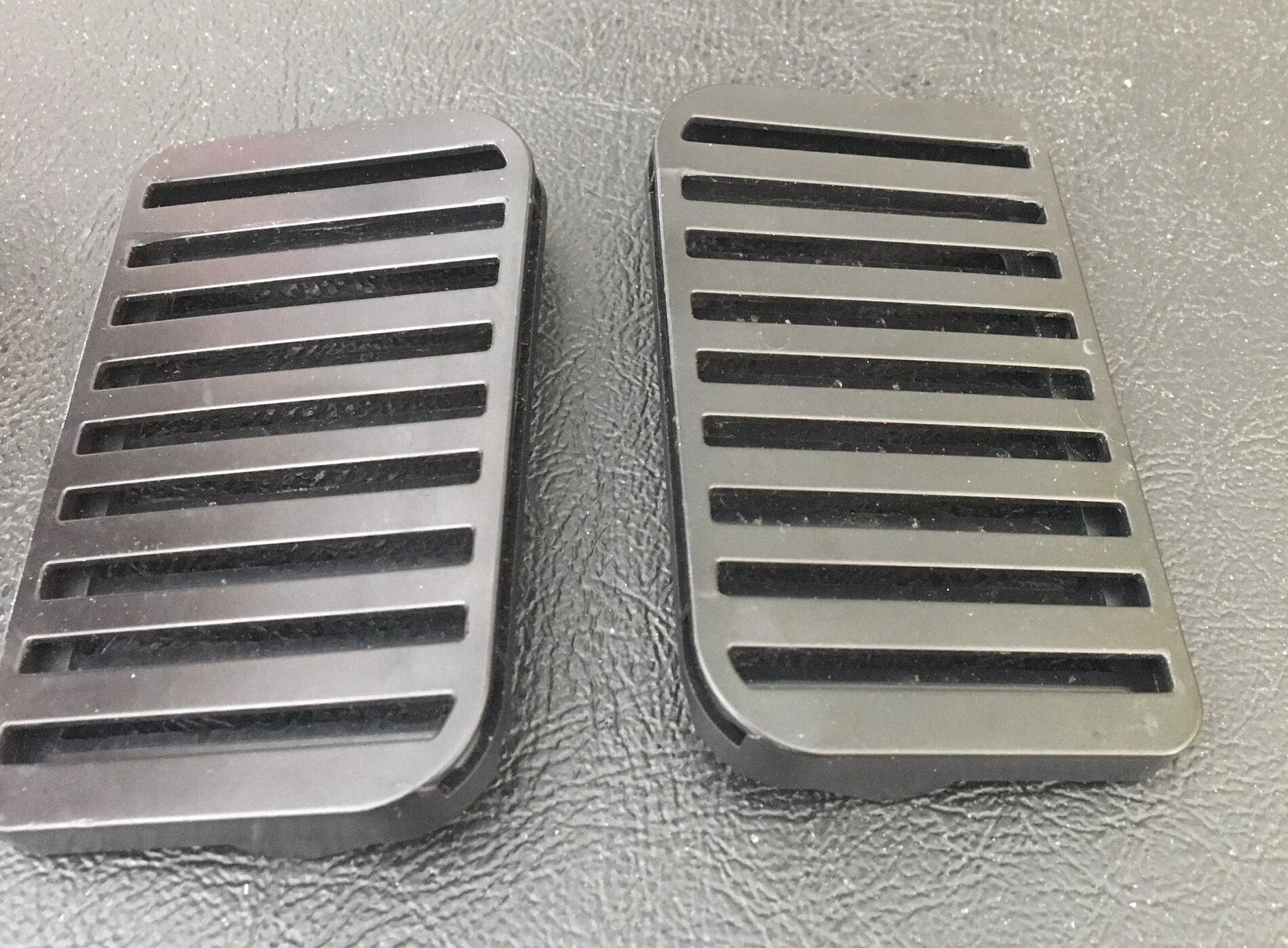
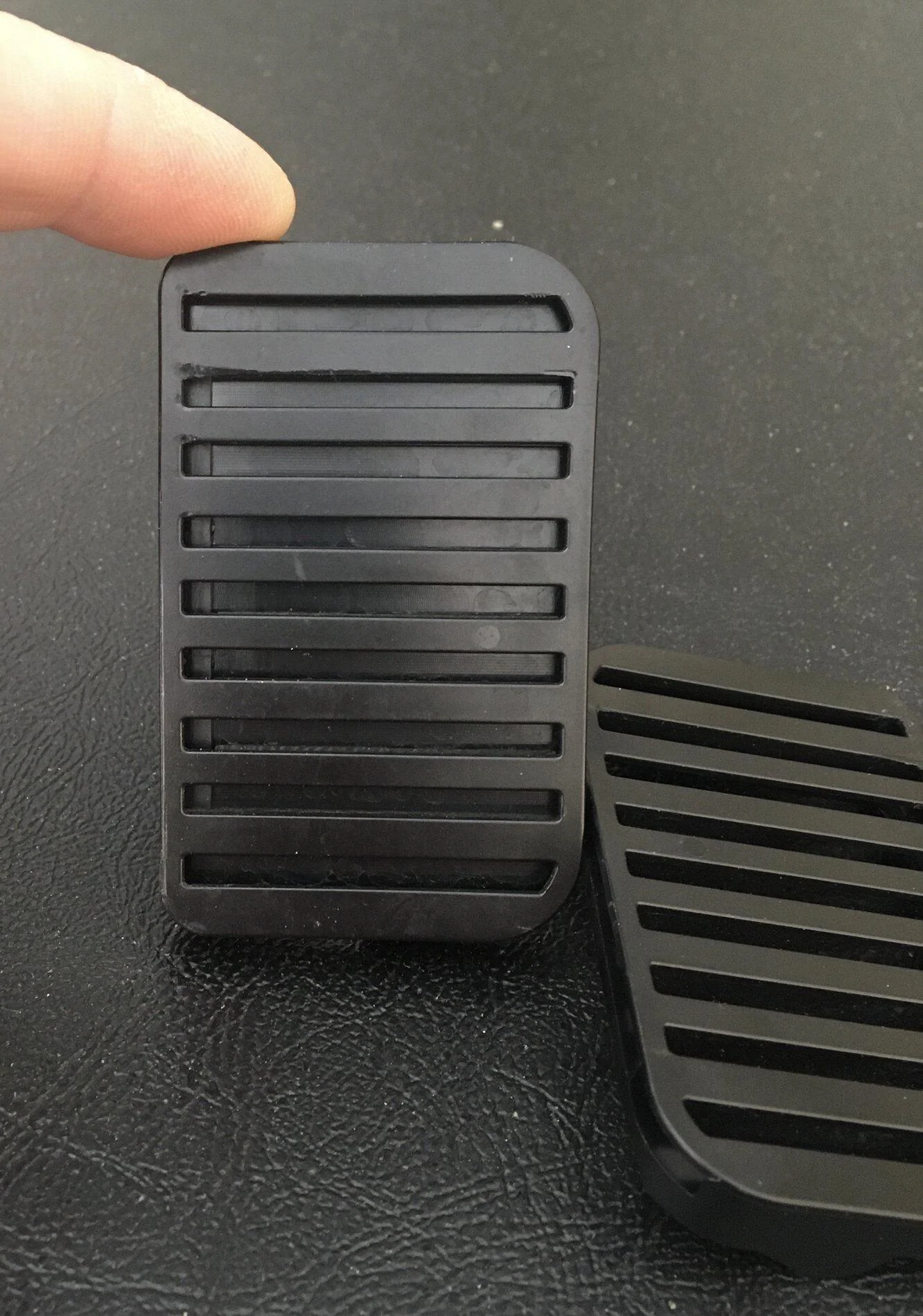
While doing some prelimary scans to mount tow hooks on my XL, I spied the factory dual horns setup residing under the drivers side headlight in the bumper cavity (just like the Rangers of yore). Bracket and plug assembly are very similar too (one 10mm nut and single plug). Horns are bigger than on previous Rangers though. But I noticed that the horn outlets are covered by a unique plastic grill of some kind. So of course I removed the assembly from the truck to investigate.
Although the horn outlets face down towards the ground to allow gravity to keep water or dirt from filling up the horns as well as permit sound to echo in the bumper cavity and deflect off the ground, these covers seem to be designed as an additional protection from the more extreme conditions found in off-roading. Since my ‘99 Ranger’s horns lasted 20yrs in the same orientation without these horn covers and I don’t off-road my truck, I decided to remove them as these covers are blocking the “blast” of sound from exiting the horn unimpeded. If I could get louder for free I was down to experiment. I was not disappointed.
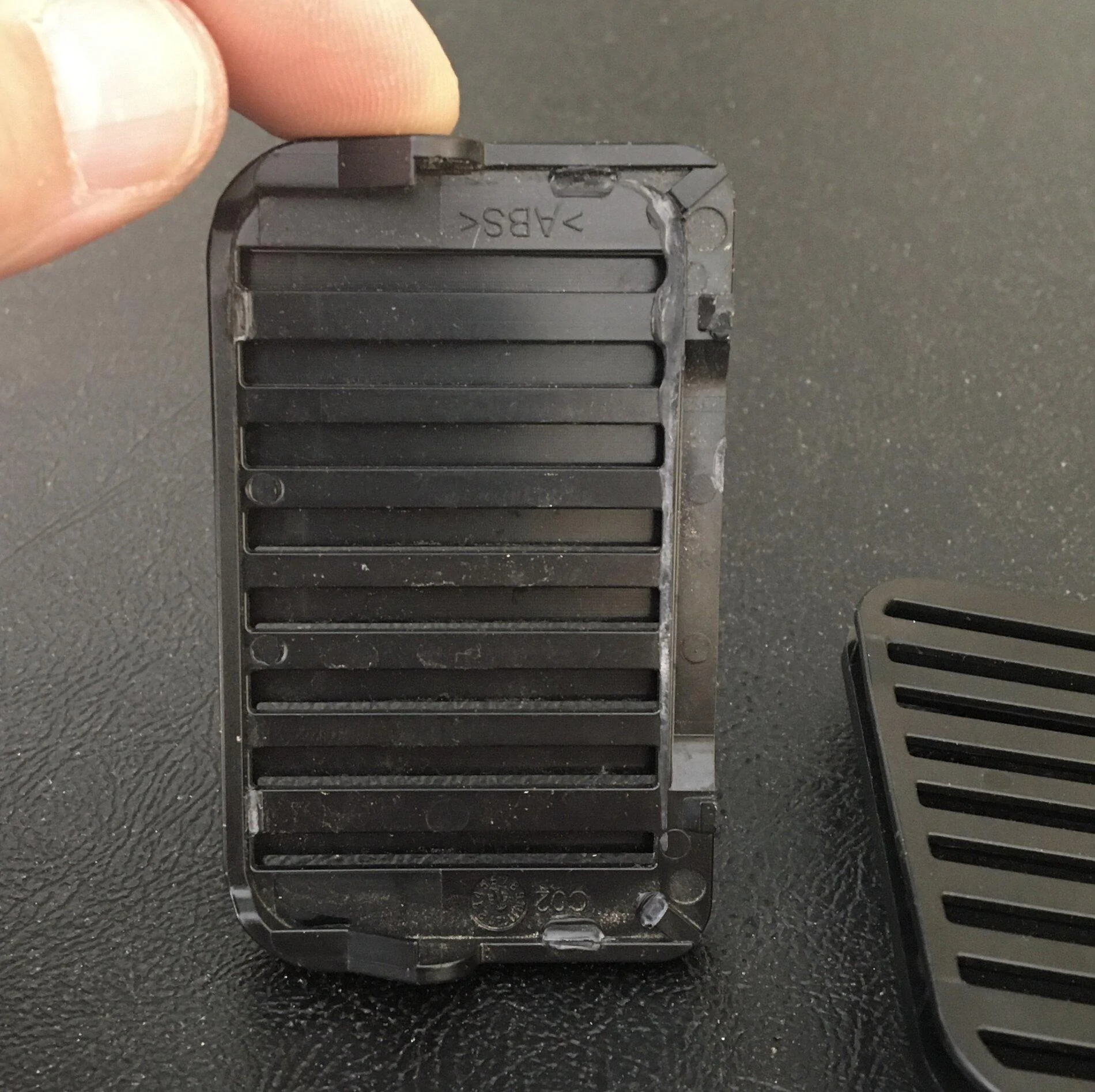
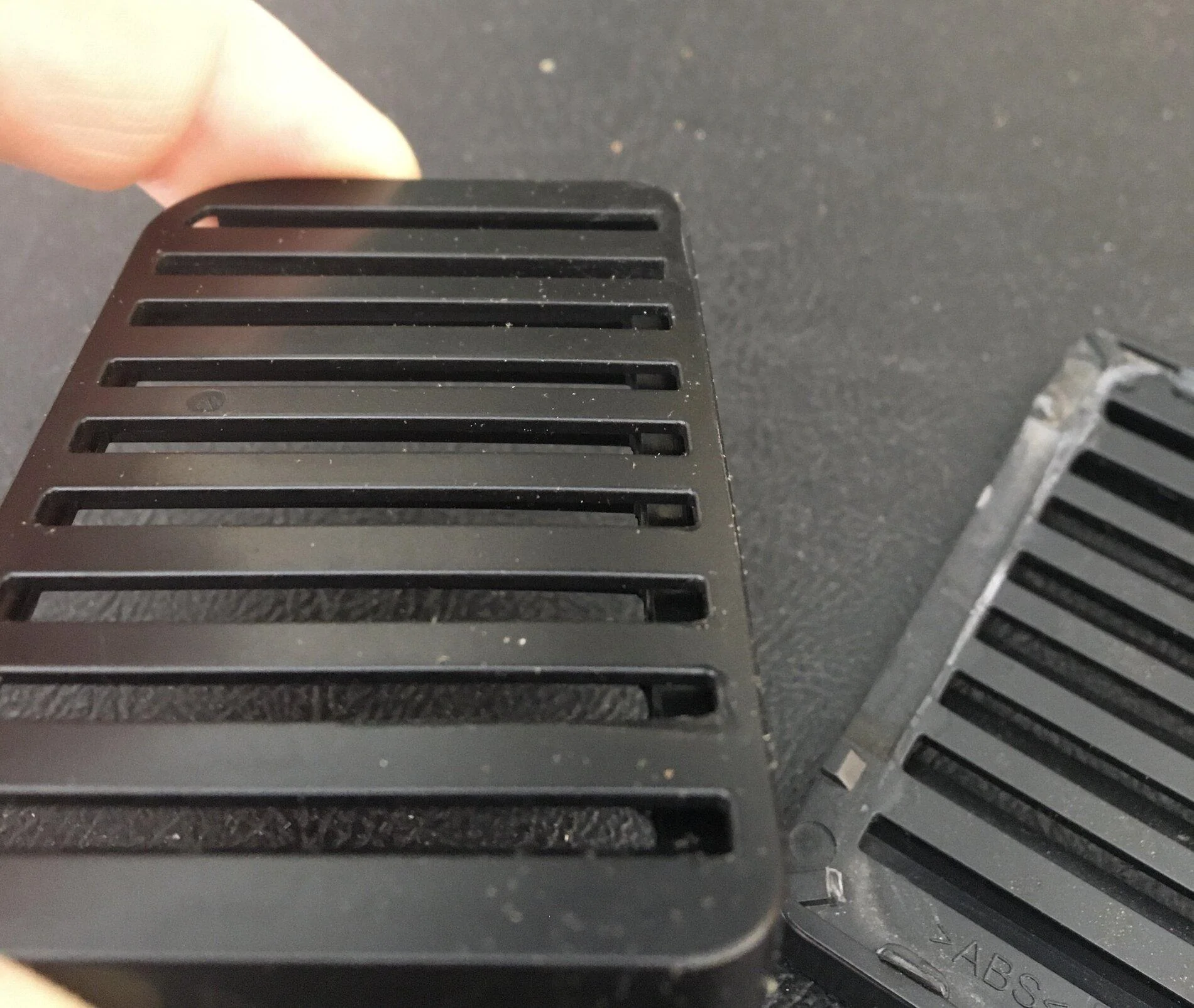
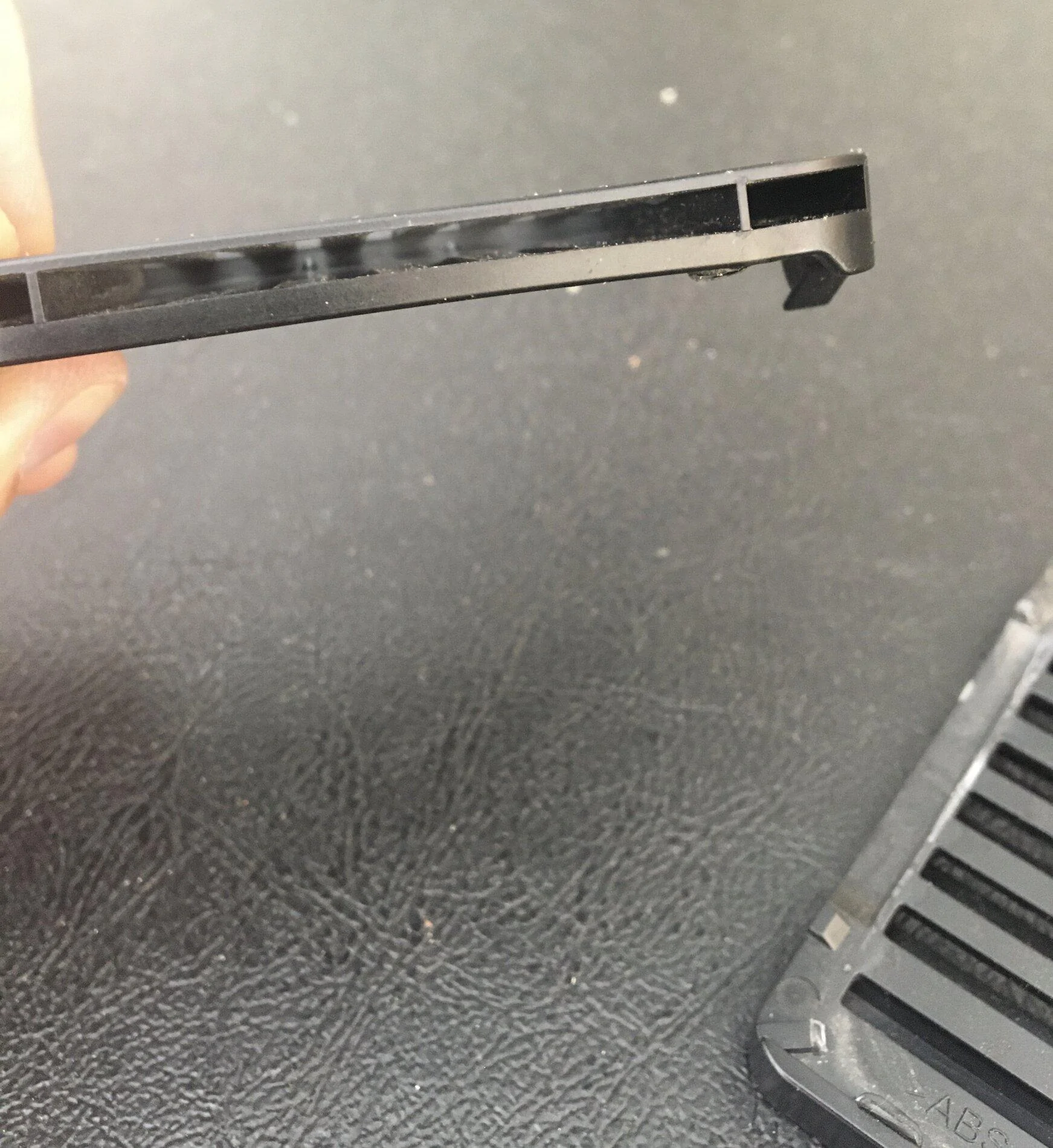
The covers are easily removed as they are both snapped onto the horn outlet rim and secured from vibrating off by a strip of thin glue. And the good news is they are robust enough to be reinstalled in the future without issue too. The detail to engineer these covers was impressive, from the offset grate design to the attachment mechanism. These same horns are found on the F-150 but without these extreme condition covers meaning Ford took an existing part and engineered a solution which I think is a good design (just not needed for my trucks intended application).
The results after reinstall were great IMO. The sound is much sharper and definitely louder. Even when locking the doors the locking indicator honk has “authority” now. It reminds me of the type of sound blast you get from a Wolo Bad Boy air horn, but now for free.


Although the horn outlets face down towards the ground to allow gravity to keep water or dirt from filling up the horns as well as permit sound to echo in the bumper cavity and deflect off the ground, these covers seem to be designed as an additional protection from the more extreme conditions found in off-roading. Since my ‘99 Ranger’s horns lasted 20yrs in the same orientation without these horn covers and I don’t off-road my truck, I decided to remove them as these covers are blocking the “blast” of sound from exiting the horn unimpeded. If I could get louder for free I was down to experiment. I was not disappointed.
The covers are easily removed as they are both snapped onto the horn outlet rim and secured from vibrating off by a strip of thin glue. And the good news is they are robust enough to be reinstalled in the future without issue too. The detail to engineer these covers was impressive, from the offset grate design to the attachment mechanism. These same horns are found on the F-150 but without these extreme condition covers meaning Ford took an existing part and engineered a solution which I think is a good design (just not needed for my trucks intended application).
The results after reinstall were great IMO. The sound is much sharper and definitely louder. Even when locking the doors the locking indicator honk has “authority” now. It reminds me of the type of sound blast you get from a Wolo Bad Boy air horn, but now for free.
Sponsored