silverflash
Well-Known Member
- Thread starter
- #16
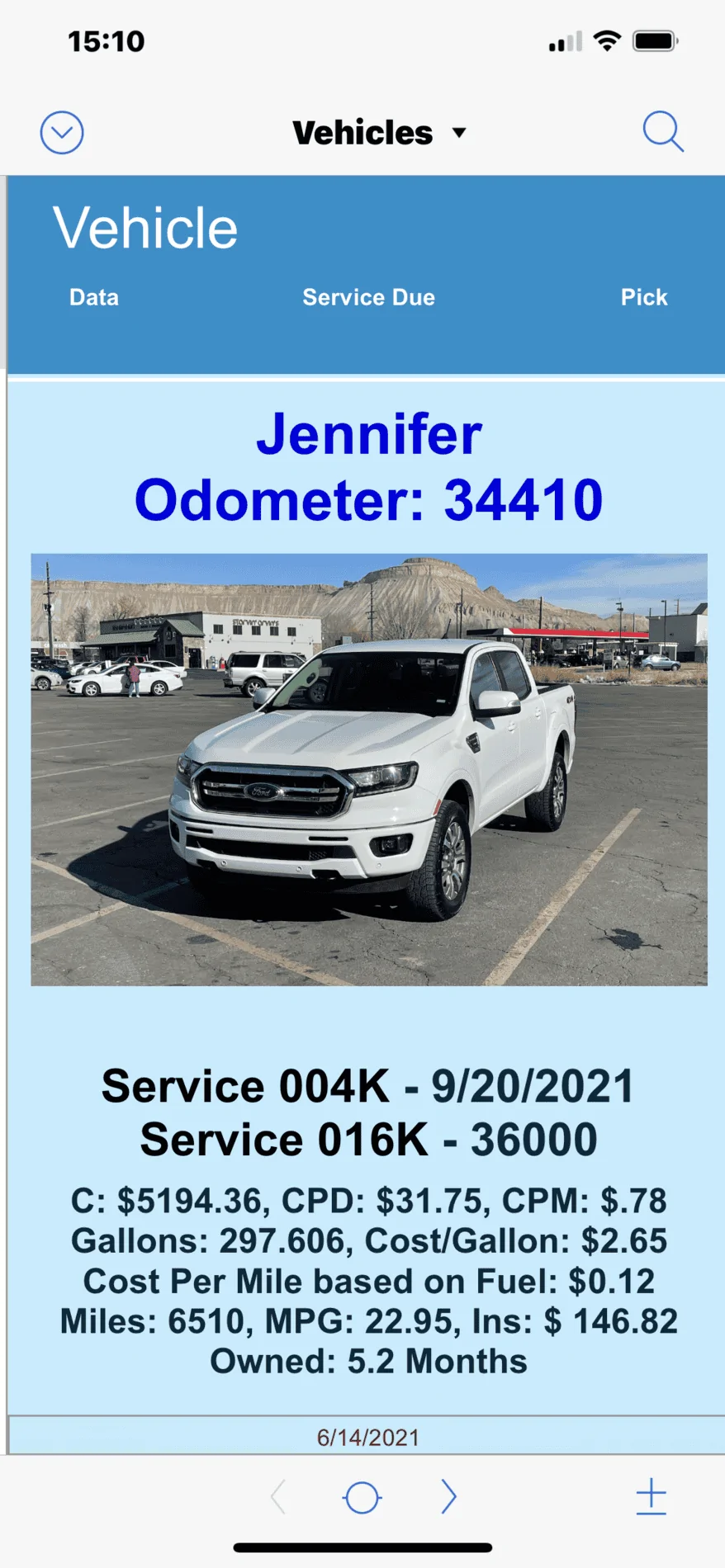
The fact is I got 26.4 mpg and wasn't even really trying all that hard. On my trip to the coast using the back roads, I'd bet 28 or 29 is doable. That's going 55 the whole way.
Sponsored

I think a lot of times people don't realize just how unequal things can be.all things being equal, something must be wrong with your truck. i'm getting up to 27+ pen and paper calculations in rural driving. worst 4wd mileage is something like 20 on the sticker. go to your dealer.
Please don't do this.I tried a mpg run a few weeks ago. I tucked behind a semi and kept a consistent 30 mpg for 20 miles. That’s the only way I get above 25 on the highway.
I was attempting to be polite, and the picture YOU drew with your post implied to my mind (as a former truck driver) an attempt to draft somewhat behind a tractor trailer. For you to have realized much of any benefit from such a "tucking in", you'd likely have had to have been quite close to the trailer in order to stay out of the turbulence created by the truck.Thank you Debra. I was not violating any traffic laws. There is no law that says I can't follow another vehicle at a safe distance under normal circumstances. I said I tucked in behind a semi. I never said I was tailgating.
Not this again. Reading comprehension is your friend. I never said I was tailgating. Thousands upon thousands of vehicles are following semis this very minute. They would outlaw retreads if they were killing like cancer.Hi Folks,
My RV weighs 13 tons... I have people in cars cut in front of me just before a traffic light and stop before a right turn. It is all I can do to stop and not punt them all the way to Nebraska. Dumbshits... Ditto for tailgating the Ranger in tow.... Not safe practices.
best,
Phil Schilke
Ranger Vehicle Engineering
Ford Motor Co. Retired

for the average passenger vehicle the (driving school/rules of the road literature) recommended distance behind any other vehicle is one car length per 10 mph. at highway speed that means 5 to 7 vehicle lengths from your front bumper to the vehicle or semi you are following.As I said, I was attempting to be polite in my request, as what you describe having done was, in my stated opinion, dangerous to you personally and incredibly annoying to truck drivers when they experience such actions. If you found me preachy, so be it.
It's pretty much always the hit dog that hollers...
Good luck to you.
for the average passenger vehicle the (driving school/rules of the road literature) recommended distance behind any other vehicle is one car length per 10 mph. at highway speed that means 5 to 7 vehicle lengths from your front bumper to the vehicle or semi you are following.
there is no way you can draft behind a larger vehicle at these recommended distances.
if you were to hit the preceding vehicle because you weren't allowing enough stopping distance you very well could be cited for 'reckless' or another similar infraction. almost anytime you hit a preceding vehicle it will be considered your fault (unless you can prove that the other driver was behaving recklessly like brake checking, etc.)
i'm considering getting a dashcam because what i am afraid of is while allowing 5 to 6 vehicle lengths in front of me someone else might try to slide in (with all that room rude drivers do this all the time) and then UNTIL I SLOWED AND REESTABLISHED the 5 or 6 car length distance i'm unsure who would be at fault it the vehicle in front suddenly slowed or stopped (regardless of their intent).
a kind of reverse drafting is to buy a tonneau cover or to fill your pickup bed with a shape that reduces the vacuum your vehicle creates while passing through air. the best mileage i ever saw on a 2002 tacoma was a long highway trip with a 550 lb. antique snowmobile in the bed. i think the moderate weight and more importantly the shape of the sled (level with the pickup cab at first, then a gentle sloping to the open pickup bed tailgate) reduces the turbulence of the following slipstream.
that long trip's mileage was 23 mpg. the ranger i have usually gets 27 and has never gotten as low as 23 unless i had to plow with it. my guess is that with that same load on that same 400 trip at 60 mph the ranger would get 30 mpg.
Here is a quick search for highway drafting gains. In the article it states that a 100' following distance at 55 mph provides a 40% reduction of drag and a 20% increase in MPG. A 100' following distance at 55 mph is close to your car length per 10 mph. I'm not advocating everybody go out and hypermile behind semis. I'm just showing that you don't need to tailgate to get an advantage. I'm also showing that it isn't a guaranteed coffin nail.for the average passenger vehicle the (driving school/rules of the road literature) recommended distance behind any other vehicle is one car length per 10 mph. at highway speed that means 5 to 7 vehicle lengths from your front bumper to the vehicle or semi you are following.
there is no way you can draft behind a larger vehicle at these recommended distances.
if you were to hit the preceding vehicle because you weren't allowing enough stopping distance you very well could be cited for 'reckless' or another similar infraction. almost anytime you hit a preceding vehicle it will be considered your fault (unless you can prove that the other driver was behaving recklessly like brake checking, etc.)
i'm considering getting a dashcam because what i am afraid of is while allowing 5 to 6 vehicle lengths in front of me someone else might try to slide in (with all that room rude drivers do this all the time) and then UNTIL I SLOWED AND REESTABLISHED the 5 or 6 car length distance i'm unsure who would be at fault it the vehicle in front suddenly slowed or stopped (regardless of their intent).
a kind of reverse drafting is to buy a tonneau cover or to fill your pickup bed with a shape that reduces the vacuum your vehicle creates while passing through air. the best mileage i ever saw on a 2002 tacoma was a long highway trip with a 550 lb. antique snowmobile in the bed. i think the moderate weight and more importantly the shape of the sled (level with the pickup cab at first, then a gentle sloping to the open pickup bed tailgate) reduces the turbulence of the following slipstream.
that long trip's mileage was 23 mpg. the ranger i have usually gets 27 and has never gotten as low as 23 unless i had to plow with it. my guess is that with that same load on that same 400 trip at 60 mph the ranger would get 30 mpg.


