AzScorpion
Moderator
- First Name
- Dave
- Joined
- Jul 25, 2019
- Threads
- 340
- Messages
- 26,762
- Reaction score
- 135,132
- Location
- Back Home In AZ!
- Vehicle(s)
- 2023 Ford Ranger Tremor
- Occupation
- Retired...Full Time Slacker
- Thread starter
- #1
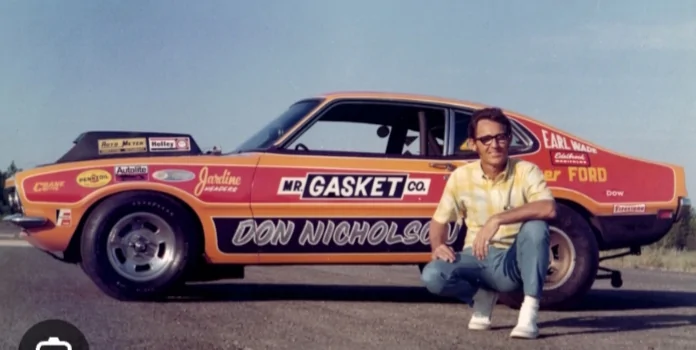
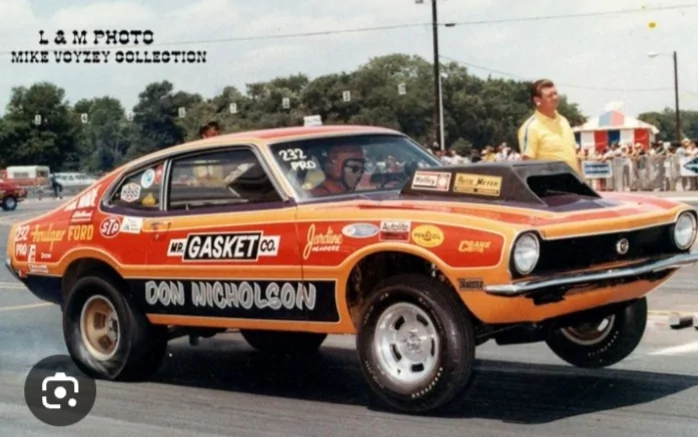
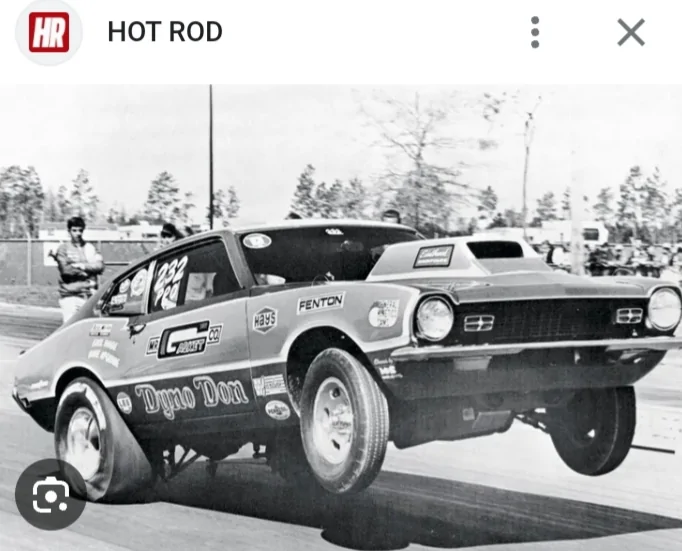
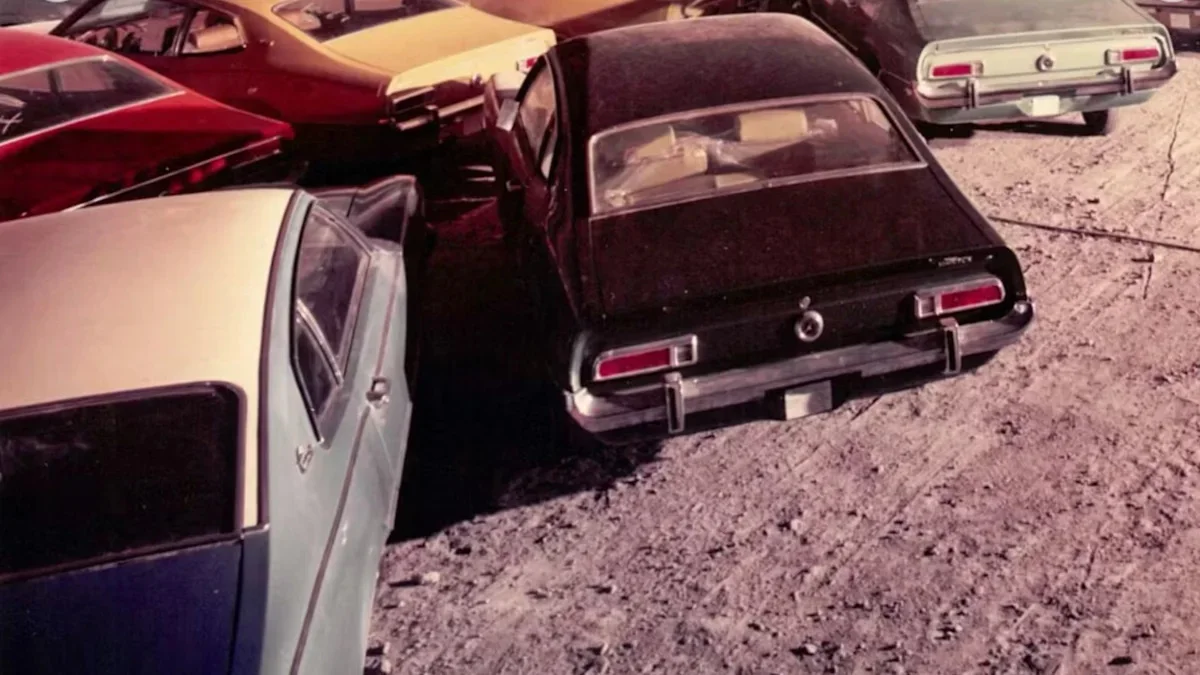
I never knew they had an underground complex like this which is pretty ingenious of them. Storing them like that kept them safe from the elements and from having to sell them off at reduced prices. I always thought the Maverick was a pretty decent car especially with the 302 V8 and know a few who had them back then and liked them. Good thing Farley wasn’t the CEO back then or they probably would’ve somehow lost money on them or all went into the crusher. lol
https://autos.yahoo.com/general/articles/ford-allegedly-buried-thousands-unsold-130900079.html

https://autos.yahoo.com/general/articles/ford-allegedly-buried-thousands-unsold-130900079.html
When Ford had a problem it couldn't sell its way out of, it buried the evidence. Literally. During the 1970s, as unsold Ford Mavericks piled up with nowhere to go, the automaker quietly moved thousands of cars deep underground beneath Kansas City, stashing them inside a sprawling former limestone mine while it figured out what to do next. It's one of the stranger chapters in American automotive history, and it says a lot about how Detroit operated when things went sideways.
SubTropolis isn't some obscure footnote. It's a massive underground complex carved out of limestone beneath Kansas City, stretching across millions of square feet of usable space. The facility maintains naturally stable temperatures year-round without the operating costs of a climate-controlled warehouse. For Ford, which was already using the underground space to store parts for nearby assembly operations, it made logistical sense to expand that relationship when the Maverick surplus became a genuine problem.
The strategy worked as a short-term buffer. Ford could redistribute cars gradually, wait for regional demand to recover, or reintroduce inventory on its own terms rather than reacting to a crisis in real time. That's not the way most people think about surplus car problems, but it's the way a large automaker with access to underground real estate thinks about it.
Sponsored