Joranger2023
Well-Known Member
- Thread starter
- #1
Is there not a video anywhere of how to break or use a pick to get it off?

Sponsored




Open In New Tab Zoom/Print

|
|
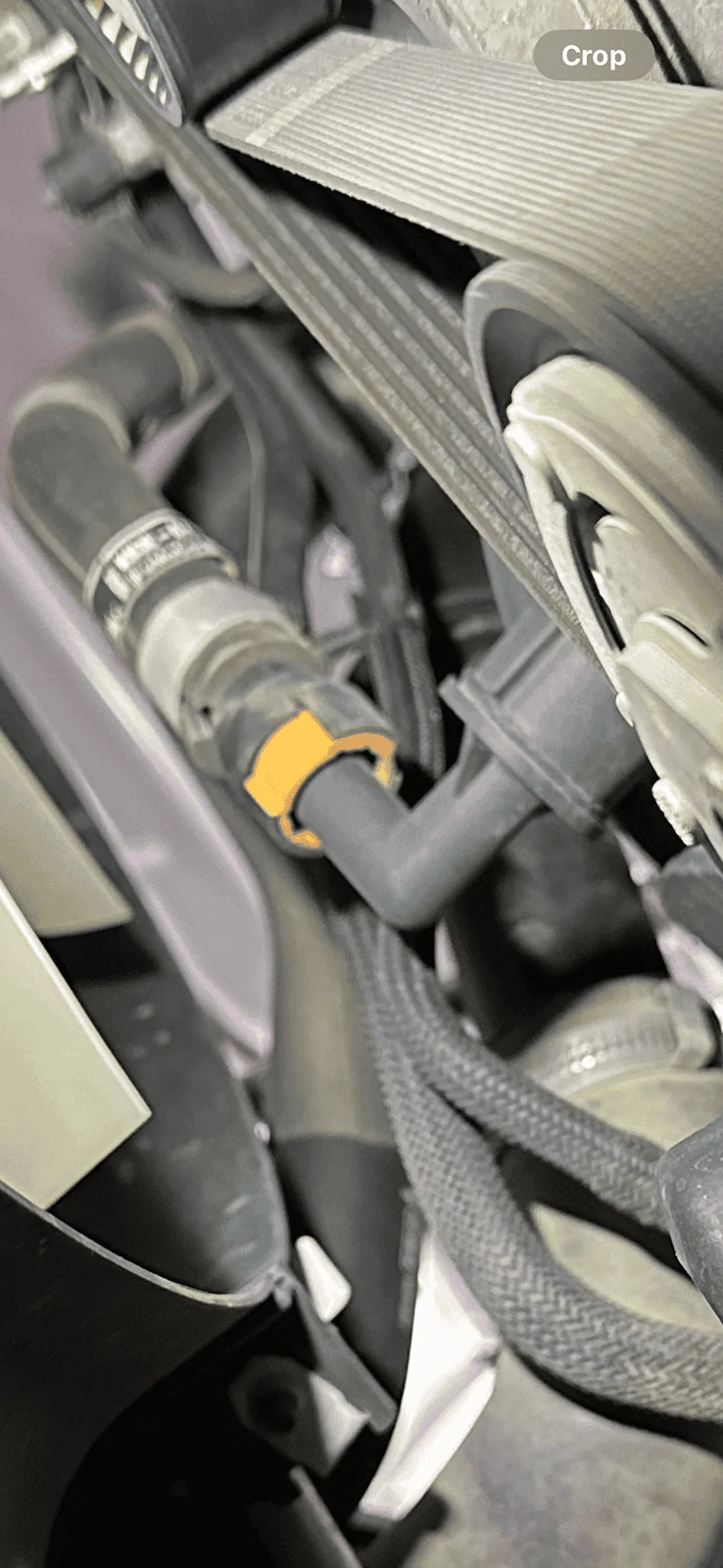
That was an awful lot of words but…. It comes off easily with the disconnect tool. It is not permanent and doesn’t need to be broken. We all thought it did at one time but it was wrong. It is indeed a reusable quick connect/disconnect.Excerpt from the manual
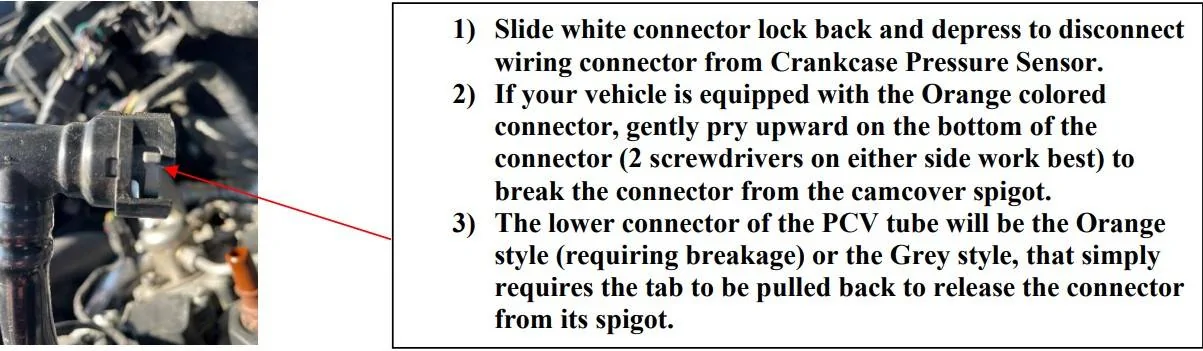
The orange style locking tab is not a (Quick Disconnect Style) See Below
NOTE: The crankcase vent tube may have either a permanent or quick connect connector at one or both ends. If the tube needs to be removed for any reason, the permanent connector(s) must be cut to remove the tube. The tube will then need to be replaced.
NOTE: If the crankcase vent tube is replaced, the replacement part may not come with a crankcase pressure sensor. If so, the PCM will need to be reprogrammed.
- If equipped, disconnect the wiring harness electrical connector.
- Cut the lock tab, on both ends.
Use the General Equipment: Side Cutter Pliers- Remove and discard the crankcase vent tube.
Installation
Open In New Tab Zoom/Print 
Excerpt from the Oil Seperator - Install Instructions
- Install the new crankcase vent tube.
- If the replacement crankcase vent tube part comes with no crankcase pressure sensor, reprogram the PCM .
Refer to: Module Programming (418-01 Module Configuration, General Procedures) .- If the replacement crankcase vent tube came without a crankcase pressure sensor, tape the wiring harness electrical connector back to the wiring harness.
- If the replacement crankcase vent tube comes with a crankcase pressure sensor, connect the wiring harness electrical connector.
So, if it is Orange - It requires to be forced off (pried) or cut with side cutters
If it is Grey - It is a quick release - Ref: Note 3 and Pic


I have broken them myself because people said to. I then stopped and listened and tried…. It released with the tool, I have done it multiple times now on customers trucks and it comes right off. Sorry to upset your book knowledge.Ok, I have not had it off (YET) but I guess the documentation from 2 sources is wrong.
Which source 2 is getting the info from source 1 as guidance (Ford Manual). ?
Thanks for the info
I did find it rather odd, that a manual would tell you to break something and is designed not to be removed without damage.I have broken them myself because people said to. I then stopped and listened and tried…. It released with the tool, I have done it multiple times now on customers trucks and it comes right off. Sorry to upset your book knowledge.
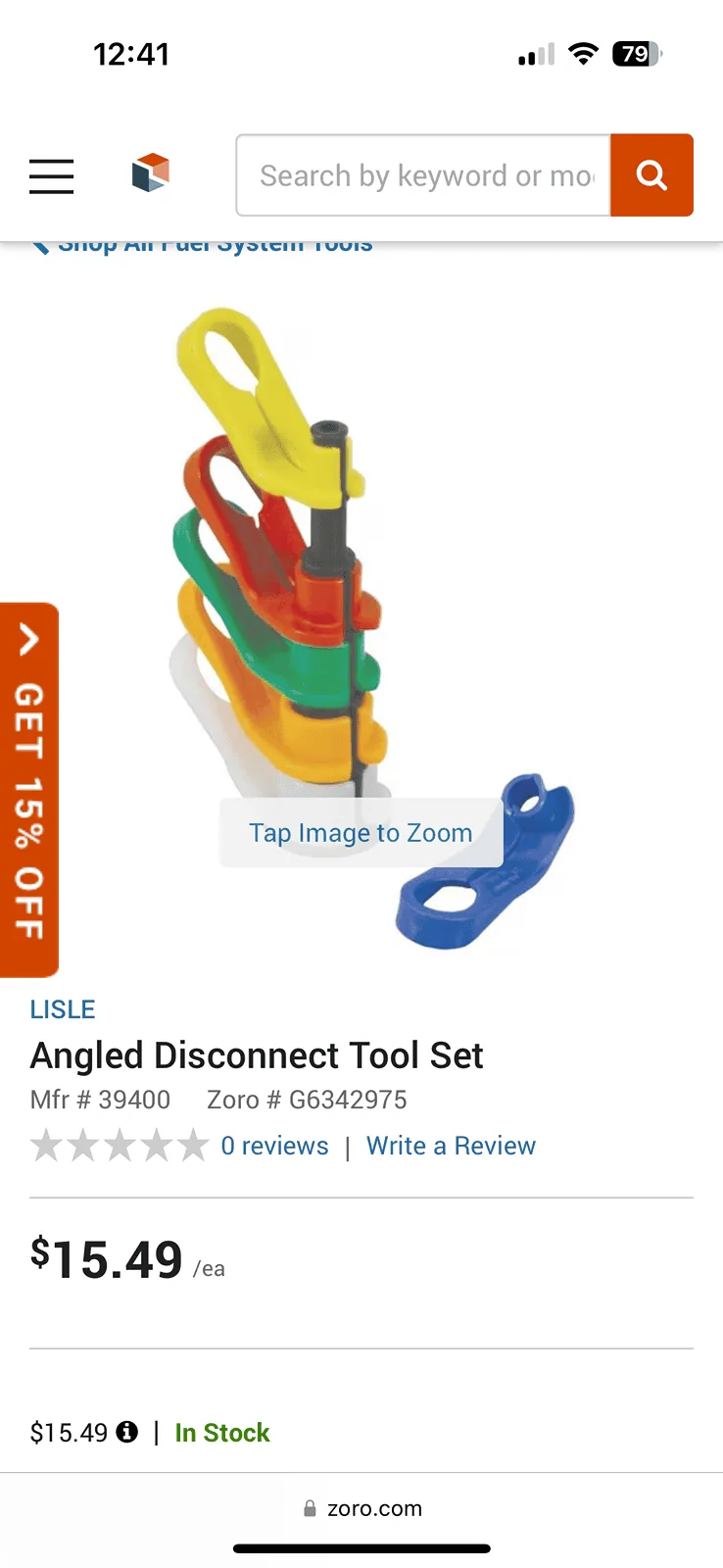
I found out in a video after I broke a few. The cheap disconnect tool someone posted in this thread works a will release them.I did find it rather odd, that a manual would tell you to break something and is designed not to be removed without damage.
link doesn’t workhttps://www.facebook.com/share/r/X8SnUUVmaw4Au7Pv/?mibextid=BoOugx
I hope the link works but here’s the proper way.
does the tool have to be angled?That was an awful lot of words but…. It comes off easily with the disconnect tool. It is not permanent and doesn’t need to be broken. We all thought it did at one time but it was wrong. It is indeed a reusable quick connect/disconnect.


